.webp&w=384&q=75)

Loading, please wait...
Loading, please wait...
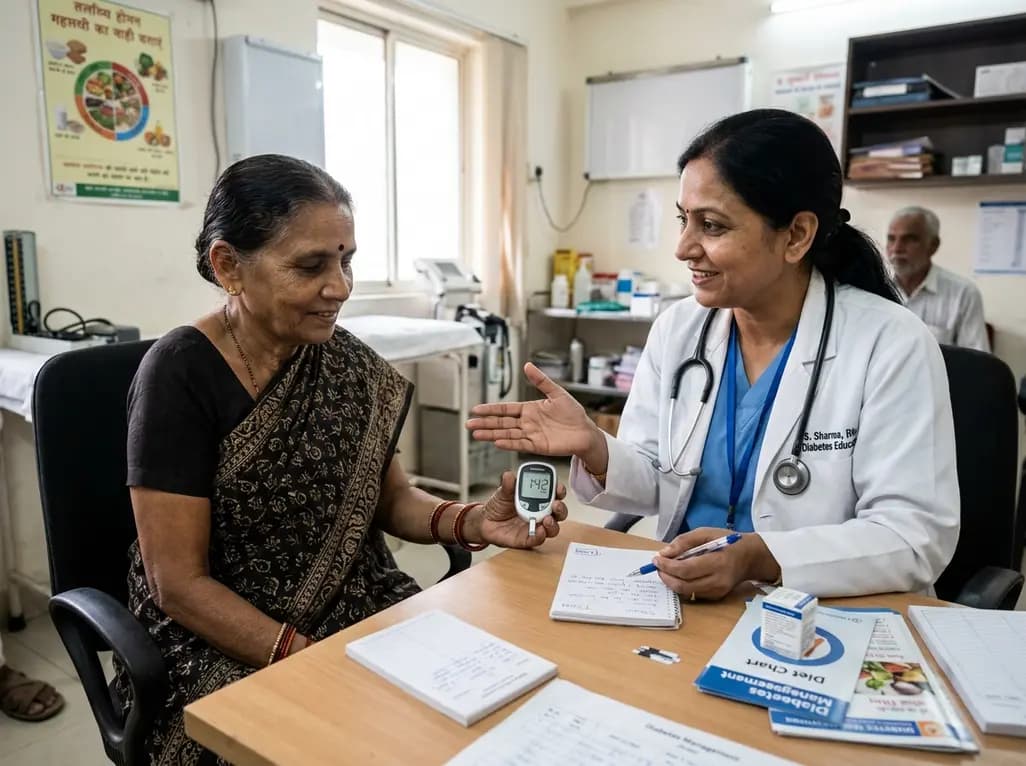
Type 2 diabetes mellitus remains an escalating global health priority that disproportionately affects marginalized communities. Implementing structured nurse-led diabetes interventions offers a transformative clinical approach to mitigate disparities in glycemic control and self-care education. Minority ethnic populations often encounter complex cultural, linguistic, and socioeconomic barriers that hinder standard disease management. Consequently, primary care clinicians and diabetes educators must adopt targeted clinical models that address these nuanced disparities. Recent global evidence highlights how nursing professionals drive behavioral change, medication adherence, and proactive self-monitoring across vulnerable cohorts. By integrating culturally congruent frameworks into routine clinical practice, healthcare providers can enhance therapeutic engagement, bridge critical communication gaps, and optimize long-term cardiometabolic outcomes across diverse patient groups.
Ethnic minority groups across global regions face an elevated susceptibility to type 2 diabetes mellitus and its vascular complications. Genetic predispositions, rapid urbanization, dietary shifts, and systemic healthcare inequities significantly accelerate disease progression in these groups. For instance, South Asian, Black African, and Caribbean populations frequently develop metabolic dysregulation at younger ages and lower body mass thresholds compared to Caucasian cohorts. Furthermore, these patients frequently report lower rates of health literacy, persistent language barriers, and distinct cultural beliefs regarding dietary habits and chronic illness.
Standard generalized care models frequently fail to accommodate these socio-cultural intricacies. Consequently, patients often struggle with poor glycemic control, elevated glycated hemoglobin levels, and delayed screening for microvascular complications like diabetic retinopathy and nephropathy. Clinicians in outpatient and community practices frequently encounter challenges when delivering generic lifestyle guidance that ignores cultural food practices or family decision-making dynamics. Therefore, addressing these entrenched health disparities necessitates an adaptable, patient-centered paradigm. Healthcare organizations must transition toward tailored clinical strategies that actively respect cultural norms while delivering evidence-based clinical protocols to protect high-risk populations against preventable long-term morbidity.
A comprehensive scoping review examining healthcare models in the World Health Organisation European region demonstrated that diverse nurse-led diabetes interventions significantly enhance patient engagement. Specialized nursing professionals implement multiple structured delivery models to support patients from minority backgrounds. Culturally sensitive education programs represent the most prevalent modality, where nurses tailor nutritional counseling, fasting guidance, and lifestyle modifications to align with traditional community customs.
Additionally, community-based enhanced care packages and group-based diabetes education models foster peer support and collaborative learning. These structured group sessions empower individuals to discuss cultural barriers openly while mastering essential self-management competencies. Furthermore, nurses increasingly deploy digital health tools, mobile applications, and telephone follow-up protocols to maintain continuous communication between formal clinic appointments. Psychological support strategies, including motivational interviewing and cognitive-behavioral counseling, address diabetes distress and health fatalism effectively.
Moreover, these diverse nursing interventions focus on practical diabetes self-management skills, such as self-monitoring of blood glucose, accurate insulin administration, foot care routines, and hypoglycemic symptom recognition. By adopting multifaceted educational formats, nurses effectively transform complex biomedical instructions into actionable, daily self-care habits for ethnically diverse cohorts.
Structured nursing guidance directly strengthens patient self-efficacy, enabling individuals to assume an active role in disease management. When nurses deliver culturally competent instruction, patients achieve greater comprehension of their disease pathophysiology, medication regimens, and necessary lifestyle adaptations. Consequently, this enhanced understanding translates into sustained behavioral changes, including healthier dietary choices, increased routine physical activity, and consistent adherence to prescribed oral antihyperglycemic therapies.
Furthermore, personalized nursing consultations dismantle psychological resistance and cultural fatalism surrounding chronic disease. Patients gain the confidence to negotiate dietary adaptations within their households, thereby improving family-wide metabolic health. Regular clinical check-ins conducted by nurses create a trusting therapeutic alliance, which significantly reduces appointment non-attendance and treatment abandonment.
In addition to elevating self-care practices, these targeted interventions reduce patient anxiety and improve overall health-related quality of life. By fostering autonomy and active self-advocacy, nursing professionals empower minority individuals to manage blood glucose fluctuations proactively. Therefore, structured nursing support not only improves individual patient compliance but also creates resilient, sustainable self-care behaviors that prevent acute metabolic crises and unnecessary hospital readmissions.
The implementation of nurse-coordinated diabetes programs generates profound benefits for healthcare providers and clinical institutions. As nurses take the lead in delivering chronic disease education, they systematically refine their advanced clinical competencies, cultural literacy, and specialized counseling techniques. Continuous engagement with diverse patient populations enhances nursing acumen in identifying early complications, adjusting lifestyle protocols, and navigating complex cultural sensitivities.
Moreover, task-shifting diabetes self-management education to qualified nurses substantially optimizes clinical workflows across busy primary care centers. Physicians can concentrate on complex clinical diagnostics, advanced pharmacotherapy titration, and acute multimorbid complications, while nursing specialists manage routine education, lifestyle coaching, and continuous patient follow-up. This collaborative multidisciplinary model expands institutional healthcare capacity, shortens patient waiting times, and mitigates overall health system expenditure.
Additionally, structured nursing protocols provide a standardized framework for consistent disease monitoring across outpatient departments. By establishing specialized nurse-led clinics, primary care centers ensure seamless continuity of care, thorough documentation, and rigorous adherence to clinical practice guidelines. Ultimately, investing in advanced nursing training elevates the overall quality of diabetes care delivered across healthcare facilities.
Integrating culturally adapted nursing strategies into everyday clinical practice requires deliberate organizational planning and multidisciplinary collaboration. Healthcare administrators and lead physicians must provide nursing staff with formal cultural competence training, multilingual educational resources, and validated assessment tools. Clinical teams should actively engage community leaders, bilingual health workers, and family caregivers to co-design educational materials that reflect local dietary staples, linguistic preferences, and religious traditions.
Furthermore, primary care clinics must establish clear referral pathways and standardized nurse-led educational protocols. Incorporating structured templates within electronic health records enables nurses to track glycemic metrics, dietary adherence, physical activity targets, and diabetes self-management milestones efficiently. Clinicians should also leverage digital platforms, such as automated messaging systems and remote monitoring portals, to reinforce educational concepts between physical clinic visits.
Importantly, healthcare organizations must continuously evaluate the clinical efficacy of these tailored programs through regular clinical audits and patient-reported outcome measures. By tracking reductions in glycated hemoglobin, improvements in blood pressure control, and enhanced patient satisfaction, clinics can iteratively refine their educational delivery. Embedding culturally sensitive nursing interventions into routine care ensures equitable, high-quality diabetes management for all patient demographics.
Nurse-led interventions improve glycemic control by providing structured, individualized self-management education, continuous monitoring, and practical behavioral support. Specialized nurses educate patients on blood glucose monitoring, medication adherence, nutritional modifications, and regular physical activity. Through consistent follow-ups and empathetic counseling, nurses help patients overcome self-care barriers, recognize early glycemic excursions, and sustain positive lifestyle changes, directly leading to clinically meaningful reductions in glycated hemoglobin levels.
Cultural adaptation is essential because standard medical advice often ignores cultural dietary staples, religious practices, language limitations, and traditional health beliefs. Culturally tailored education integrates native languages, familiar food choices, and family structures into clinical guidance. This alignment fosters greater trust, enhances health literacy, eliminates fatalistic attitudes toward chronic illness, and encourages patients to adopt practical lifestyle modifications that fit seamlessly into their everyday domestic and social lives.
Primary care physicians can collaborate effectively by establishing shared clinical protocols, clear referral mechanisms, and multidisciplinary communication channels. While physicians oversee definitive diagnoses, complex pharmacotherapy, and complication management, diabetes nurse educators deliver comprehensive self-care training, lifestyle counseling, and ongoing follow-up. Regular clinical case reviews and shared electronic health documentation enable the multidisciplinary team to synchronize therapeutic goals, track patient progress, and deliver cohesive, comprehensive diabetes care.
Disclaimer: This content is for informational and educational purposes only and should not be considered medical advice. It is not intended to replace professional medical assessment, diagnosis, or treatment. Healthcare professionals should make clinical decisions based on their independent judgement and individual patient assessments. Refer to the latest local and national guidelines for clinical practice.
References
Mkwinda E et al. Nurse-Led Interventions on Type 2 Diabetes Mellitus Management for Minority Ethnic Groups in World Health Organisation European Region: A Scoping Review. J Clin Nurs. 2026 Aug 15. doi: 10.1111/jocn.70514. PMID: 42601836.
Abu S, Llahana S. Factors influencing the uptake of culturally tailored diabetes self-management education and support programmes among ethnic minority patients with type 2 diabetes: A systematic review. Prim Care Diabetes. 2025 Feb;19(1):1-10.
Widiastuti L, Pahria T, Haroen H, Sofiatin Y. Culturally Tailored Education Interventions to Enhance Diabetes Self-Management: A Systematic Review. J Multidiscip Healthc. 2026;19:1425-1438.

Read summarized clinical updates, watch expert medical content, and earn CME certifications right from your smartphone.
Open your smartphone camera to scan and install.





Scoping review highlights that culturally tailored nurse-led diabetes interventions empower minority ethnic patients, enhance disease self-management skills, and optimize glycemic outcomes in primary care.
last month
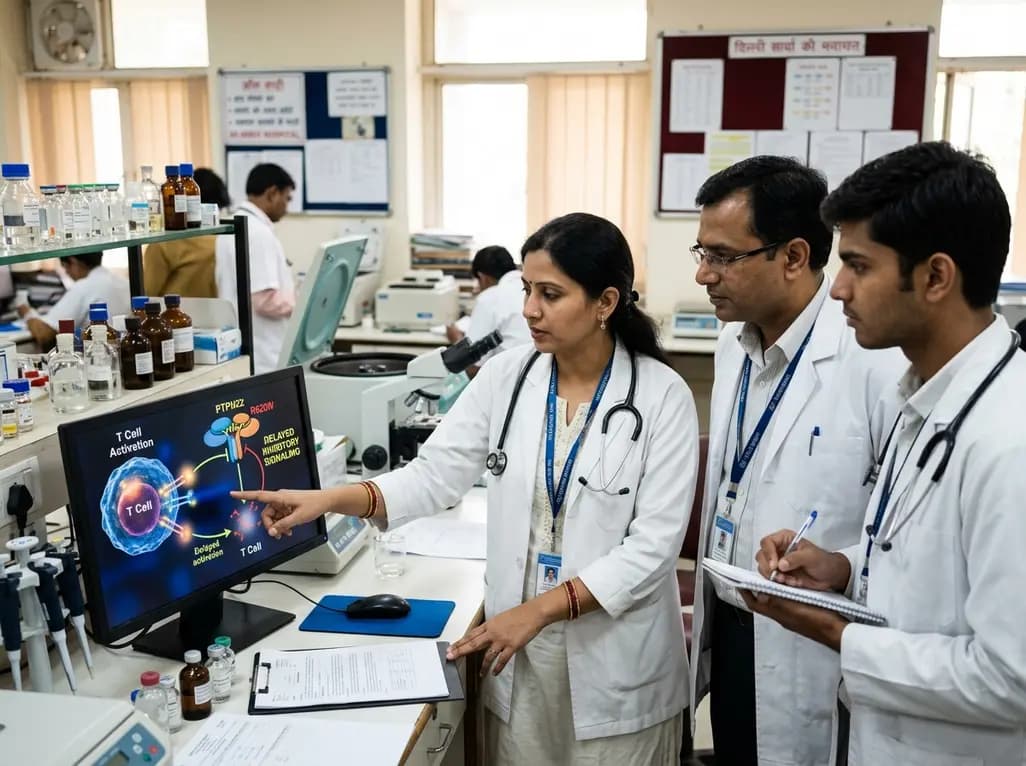
New immunological research reveals how PTPN22 forms a delayed inhibitory signaling complex to restrain T cell activation, explaining how the autoimmune-linked R620W variant disrupts feedback control and promotes persistent inflammation in conditions like rheumatoid arthritis and type 1 diabetes.
Today
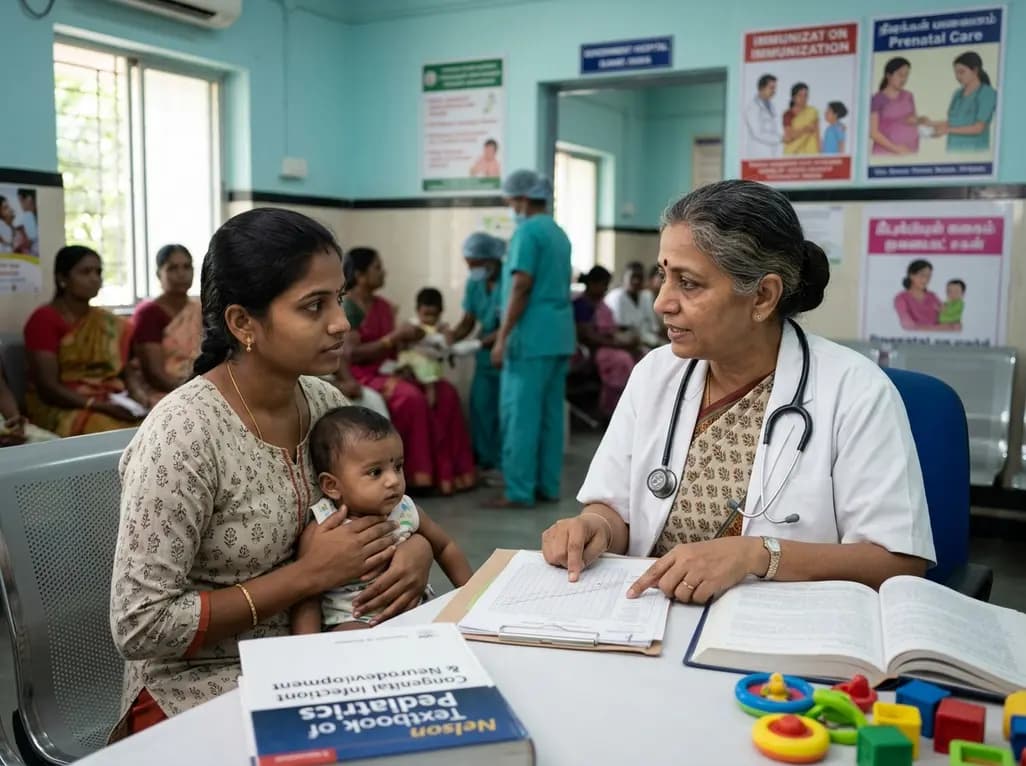
A nationwide study covering 3.7 million Swedish births reveals that prenatal exposure to TORCH pathogens significantly elevates long-term risks of intellectual disability and autism. Healthcare providers must recognize clinical indicators, promote prenatal prevention, and track early pediatric neurodevelopment.
Today
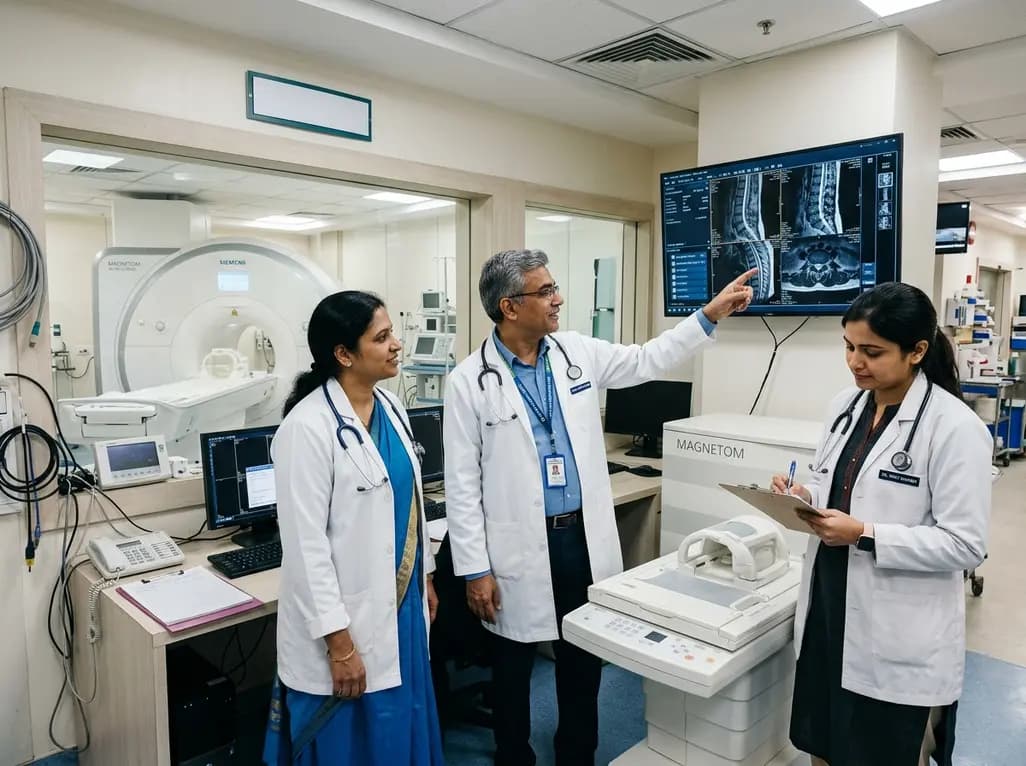
Under India's PLI initiative, domestic production of 57 critical medical devices has commenced, including MRI and CT scanners, cath labs, and heart valves. Global partnerships and local investments are expanding high-end technology, curbing import reliance, and strengthening clinical accessibility nationwide.
Today
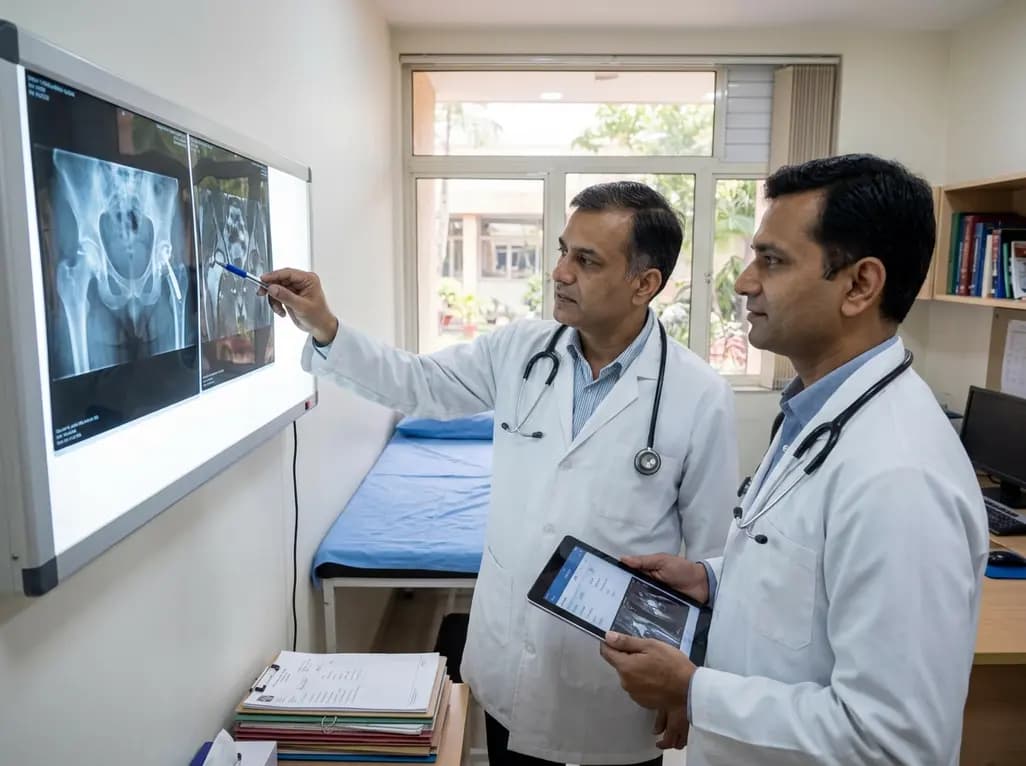
A longitudinal study reveals that patients undergoing staged bilateral hip arthroscopy experience progressive contralateral labral deterioration during surgical intervals. However, structural degradation does not compromise 2-year postoperative clinical outcomes or patient-reported satisfaction scores.
Today
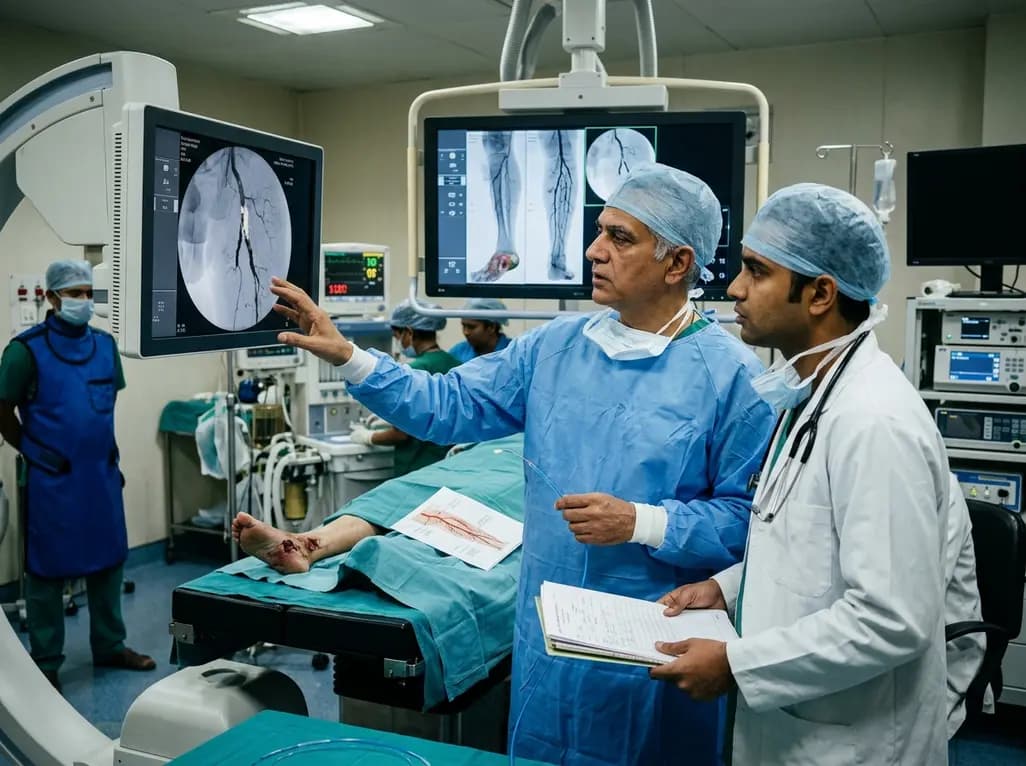
SWEDEPAD-1 trial insights show paclitaxel-coated devices do not improve long-term limb salvage in patients with chronic limb-threatening ischemia and tissue loss. While one-year reinterventions decreased, the devices were linked to a higher risk of major amputation at three months.
Yesterday
