.webp&w=384&q=75)

Loading, please wait...
Loading, please wait...
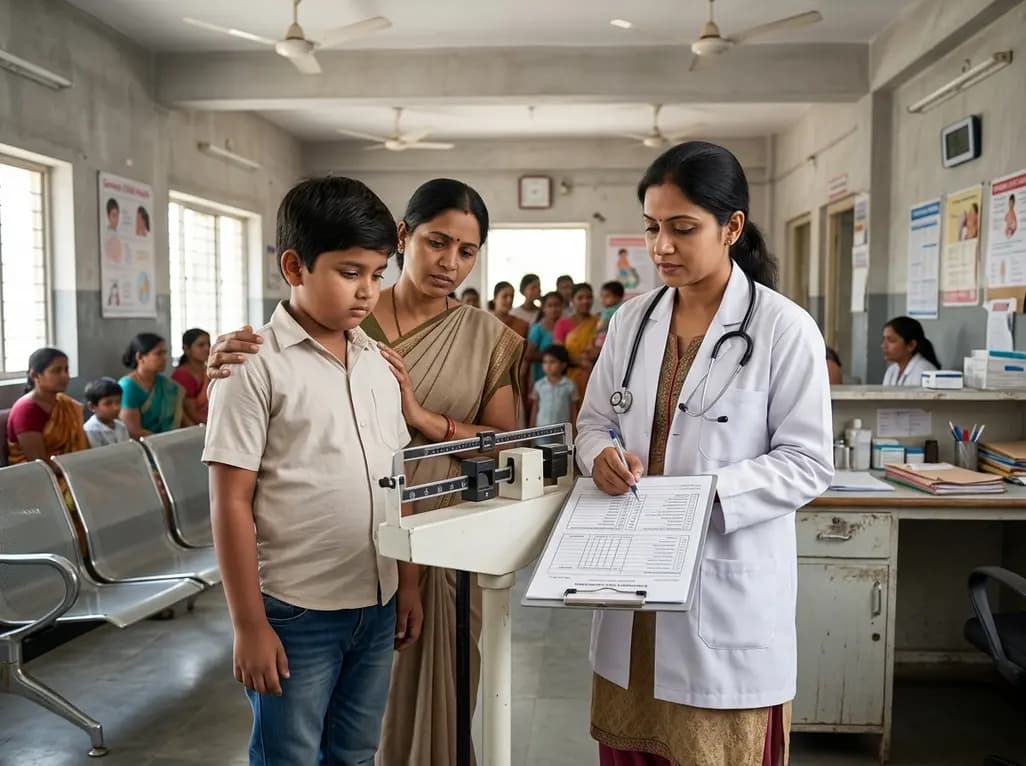
Primary care nurses are vital in the fight against pediatric weight gain. However, healthcare professionals often lack structured childhood obesity management tools to evaluate their practice effectively. A recent study introduced the Nursing Practices, Perceptions and Barriers Questionnaire for Childhood Obesity (NPPBQ-CO). This instrument helps clinicians identify specific areas where pediatric interventions might fail or require more resources.
Researchers used a sequential exploratory design to create the NPPBQ-CO in three distinct phases. Initially, they generated items through focus groups and extensive literature reviews. Subsequently, a panel of six experts validated the content for clarity and coherence. The final 39-item tool demonstrated excellent internal consistency and a high content validity index of 0.96. Consequently, it provides a reliable framework for assessing training and knowledge gaps among nursing staff.
The study highlighted several significant obstacles that hinder effective care. While nurses reported positive attitudes toward addressing pediatric obesity, they faced practical daily challenges. For instance, limited consultation time often prevents thorough nutritional and lifestyle counseling. Additionally, nurses identified low treatment adherence among families as a major frustration. Many clinicians also found the complexity of managing multi-factorial metabolic conditions to be a significant deterrent in primary care settings.
Standardized childhood obesity management tools allow clinics to benchmark their performance and improve patient outcomes. By identifying specific training needs, these instruments support evidence-based practice and professional growth. Moreover, understanding barriers like intervention complexity helps administrators optimize nursing workflows. Therefore, utilizing validated questionnaires like the NPPBQ-CO can significantly enhance the quality of pediatric primary care in diverse clinical environments.
The NPPBQ-CO is a 39-item validated questionnaire designed to assess primary care nurses' practices, perceptions, and perceived barriers regarding the management of childhood obesity.
According to the study, the primary barriers include limited time during consultations, low patient and family adherence to treatment plans, and the inherent complexity of obesity interventions.
Disclaimer: This content is for informational and educational purposes only and does not constitute medical advice. Always seek the advice of a physician or other qualified health provider with any questions you may have regarding a medical condition. Refer to the latest local and national guidelines for clinical practice.
References
1. Miguel-Atanes C et al. Development and initial validation of the nursing practices, perceptions and barriers questionnaire for childhood obesity: A cross-sectional observational study. J Pediatr Nurs. 2026 Jun 08. doi: undefined. PMID: 42258969.
2. Indian Academy of Pediatrics. Guidelines for Childhood Obesity Management. 2024.
3. World Health Organization. Obesity and overweight. 2024.

Read summarized clinical updates, watch expert medical content, and earn CME certifications right from your smartphone.
Open your smartphone camera to scan and install.





The NPPBQ-CO is a newly validated 39-item tool to assess nursing practices and barriers in childhood obesity management, highlighting time and adherence hur...
4 months ago

Explore vital recurrent stroke predictors in lacunar stroke patients managed with intensive blood pressure lowering. This analysis examines trial findings from SPS3 to uncover residual vascular risks, metabolic factors, and targeted secondary prevention strategies for high-risk neurological patients.
Today

Odisha has established India's first state-level clinical protocol specifically tailored for pregnant women with sickle cell disease. Developed with NHM and UNICEF, the framework provides structured antenatal screening, crisis mitigation, standardized referral pathways, and specialized interdisciplinary care.
Today

India is advancing preventive healthcare by integrating genomics, artificial intelligence, and quantum technologies. With the SANGAM programme sequencing one million Indian genomes, clinicians can unlock personalized therapies, detect cardiometabolic risks early, and curb the burden of diabetes and heart disease.
Today

A randomized controlled trial demonstrates that an eight-week dual-task training intervention significantly improves static and dynamic postural control over standard balance exercises in individuals with chronic ankle instability, addressing critical neurocognitive deficits during athletic and daily activities.
Today

A retrospective cohort study of 7,716 ICU patients from the MIMIC-IV database demonstrates that Gradient Boosting Decision Trees significantly outperform traditional SOFA scores in predicting in-hospital mortality among patients with sepsis and diabetes, with SHAP analysis providing clinical interpretability.
Today
