.webp&w=384&q=75)

Loading, please wait...
Loading, please wait...
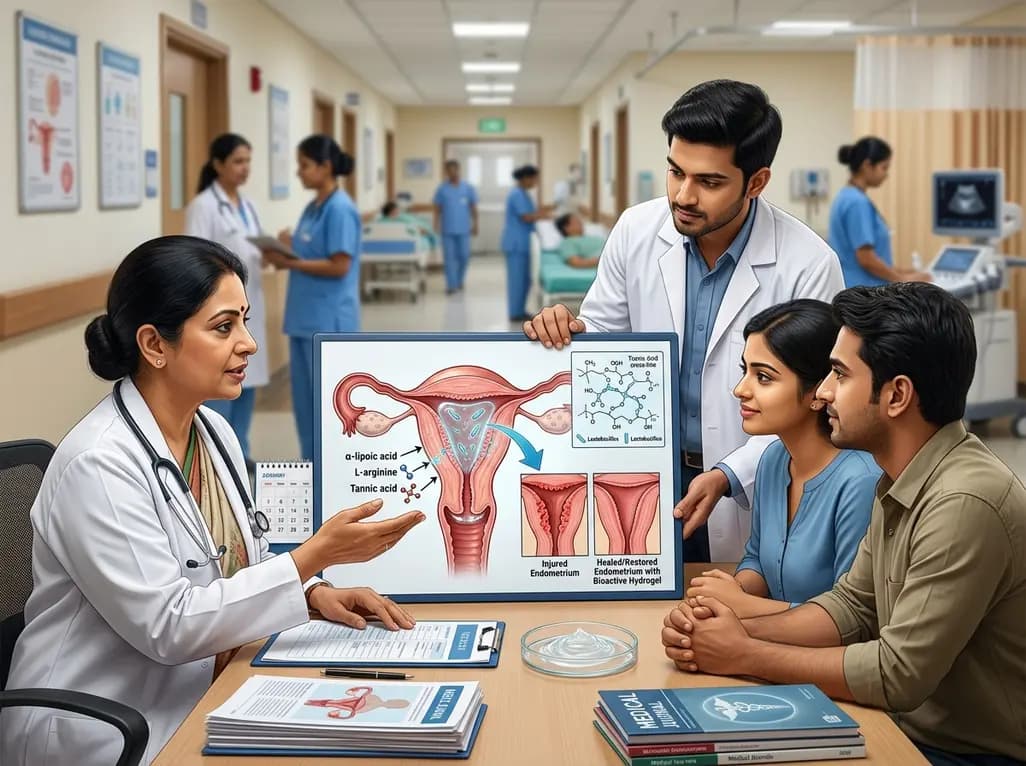
Endometrial injury following curettage, infection, or pelvic surgery frequently triggers fibrotic tissue formation, severe intrauterine adhesions, and secondary infertility. Clinicians face significant challenges when managing these conditions because conventional therapeutic barriers fail to remain in the uterine cavity long enough to facilitate true structural healing. Developing an advanced endometrial repair hydrogel with prolonged retention and bioactive regenerative properties offers a promising strategy to overcome these longstanding reproductive medicine barriers.
Intrauterine adhesions, historically recognized as Asherman syndrome, represent a major cause of recurrent pregnancy loss and refractory infertility worldwide. When surgical trauma damages the basal layer of the endometrium, the delicate balance between normal wound healing and pathological fibrosis is disrupted. Consequently, the uterine cavity undergoes dense collagen deposition, glandular atrophy, and reduced vascularization. Standard clinical management typically involves hysteroscopic adhesiolysis followed by the insertion of intrauterine devices or hyaluronic acid gels to physically separate the uterine walls. However, the recurrence rate remains alarmingly high, often reaching 20% to 60% in severe cases. Moreover, existing commercial physical barriers cannot actively resolve localized chronic inflammation or oxidative stress. Therefore, reproductive specialists urgently require innovative biomaterials that not only provide prolonged barrier protection but also actively deliver cellular and biochemical cues to foster functional endometrial regeneration.
To address the critical drawbacks of conventional physical barriers, bioengineers designed a bioactive adhesive hydrogel termed LAT@L. This advanced system integrates three natural medicinal molecules: α-lipoic acid (LA), L-arginine (Arg), and tannic acid (TA), directly encapsulated with Lactobacillus johnsonii. Synthesized via a one-pot mixing approach, the hydrogel forms a robust internal network through spontaneous covalent bonds, dynamic hydrogen bonding, and electrostatic interactions. Furthermore, the abundant polyphenolic and functional groups within the polymeric matrix furnish the hydrogel with remarkable tissue adhesion. This cohesive network allows the formulation to adhere firmly to moist, dynamic uterine mucosal surfaces. In preclinical evaluations, this balanced cohesion and adhesion synergistically enabled an intrauterine retention period exceeding 14 days, effectively matching the physiological timeline required for complete endometrial functional-layer re-epithelialization.
Beyond functioning as a physical barrier against adhesion reformation, this endometrial repair hydrogel reprograms the hostile injured microenvironment into a pro-healing niche. α-Lipoic acid functions as a powerful antioxidant that scavenges reactive oxygen species and preserves cellular viability within stressed tissues. Concurrently, tannic acid exerts potent anti-inflammatory and astringent actions, rapidly suppressing localized pro-inflammatory cytokine cascades. Additionally, L-arginine serves as a biological substrate for nitric oxide synthase, thereby promoting localized angiogenesis and enhancing microvascular perfusion. Together, these three molecules work in close harmony to reduce excessive extracellular matrix deposition and attenuate fibroblast differentiation into contractile myofibroblasts. By effectively modulating localized oxidative stress and inflammatory signaling pathways, the LAT@L platform transforms the damaged uterine cavity into an environment highly conducive to tissue regeneration.
An intact, balanced intrauterine microbiome plays a fundamental role in regulating local immune homeostasis and successful embryo implantation. Conversely, mechanical trauma and chronic endometritis frequently disrupt this delicate ecological balance, exacerbating persistent inflammation. Incorporating live Lactobacillus johnsonii into the hydrogel matrix directly addresses this biological vulnerability. The sustained release and metabolic activity of L. johnsonii produce beneficial organic acids, including lactic acid, which normalize localized pH and inhibit the colonization of opportunistic pathogenic bacteria. Furthermore, probiotic metabolites modulate local macrophage polarization from a pro-inflammatory M1 phenotype toward a reparative, tissue-remodeling M2 phenotype. Consequently, this targeted microbiological intervention restores immune equilibrium, suppresses recurrent infection, and establishes ideal conditions for glandular development and functional stromal recovery.
In animal models of severe endometrial mechanical injury, the LAT@L hydrogel demonstrated exceptional therapeutic efficacy compared with traditional clinical controls. Histological assessments revealed significant restoration of endometrial thickness, robust luminal epithelial recovery, and a marked increase in the density of functional endometrial glands. Furthermore, immunohistochemical evaluations confirmed enhanced microvessel density via upregulated vascular endothelial growth factor signaling, alongside a profound reduction in fibrotic collagen volume. Most importantly, when female rats treated with the hydrogel were mated, reproductive outcomes improved dramatically, demonstrating successful blastocyst implantation and normal fetal development. These comprehensive findings confirm that the biomaterial successfully translates structural tissue healing into restored physiological fertility, representing a significant technological advancement in reproductive bioengineering.
Traditional hyaluronic acid formulations often degrade rapidly and migrate out of the uterine cavity within a few days. In contrast, the LAT@L hydrogel utilizes covalent and electrostatic bonding to remain adherent for over 14 days. Additionally, unlike inert hyaluronic barriers, it actively delivers antioxidant, anti-inflammatory, angiogenic, and microbiome-modulating biological actions that accelerate tissue healing.
Lactobacillus johnsonii modulates the uterine microenvironment by restoring ecological balance and lowering localized tissue inflammation. It produces beneficial metabolites like lactic acid, which suppress pathogenic bacteria and encourage reparative M2 macrophage polarization. Consequently, this probiotic activity creates a favorable physiological and immunological niche essential for glandular regeneration, angiogenesis, and subsequent embryo implantation.
The prolonged retention and regenerative properties of this hydrogel address the primary causes of Asherman syndrome recurrence: rapid barrier clearance and unmitigated microenvironmental inflammation. By promoting true histological and functional endometrial recovery, this technology holds significant potential to enhance clinical pregnancy outcomes, prevent post-surgical adhesion re-formation, and reduce reliance on repeated hysteroscopic interventions.
Disclaimer: This content is for informational and educational purposes only. It is not intended to be a substitute for professional medical advice, diagnosis, or treatment. Always seek the advice of your physician or other qualified health provider with any questions you may have regarding a medical condition. Refer to the latest local and national guidelines for clinical practice.
References

Read summarized clinical updates, watch expert medical content, and earn CME certifications right from your smartphone.
Open your smartphone camera to scan and install.





A breakthrough bioactive adhesive hydrogel loaded with Lactobacillus johnsonii, α-lipoic acid, L-arginine, and tannic acid demonstrates prolonged intrauterine retention (>14 days), remodeling the microenvironment to effectively repair endometrial injury and restore female reproductive function.
last month

With post-monsoon dengue surges threatening South Asian health systems, physicians must refine triage and management. This guide covers vital warning signs, plasma leakage detection, crystalloid titration, and vector containment strategies to prevent mortality during seasonal arboviral epidemics.
Today
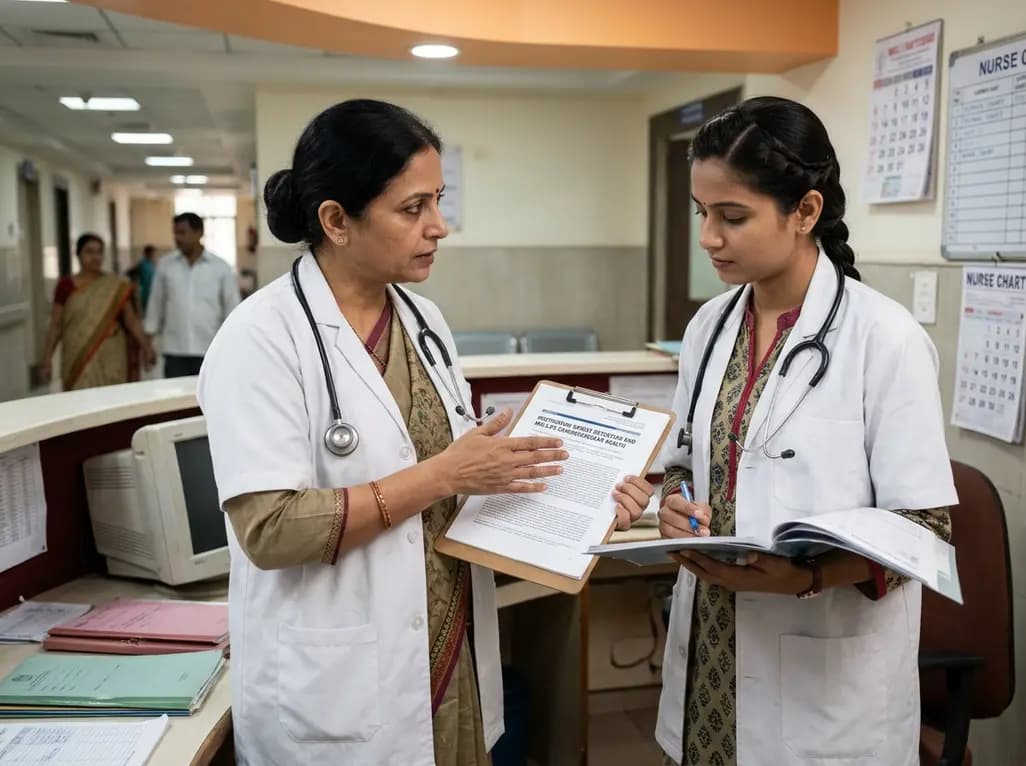
Findings from Project Viva indicate that sustained postpartum weight retention, rather than excessive gestational weight gain alone, directly worsens women's mid-life cardiovascular health, degrading blood pressure and glycemic parameters decades after delivery.
Today
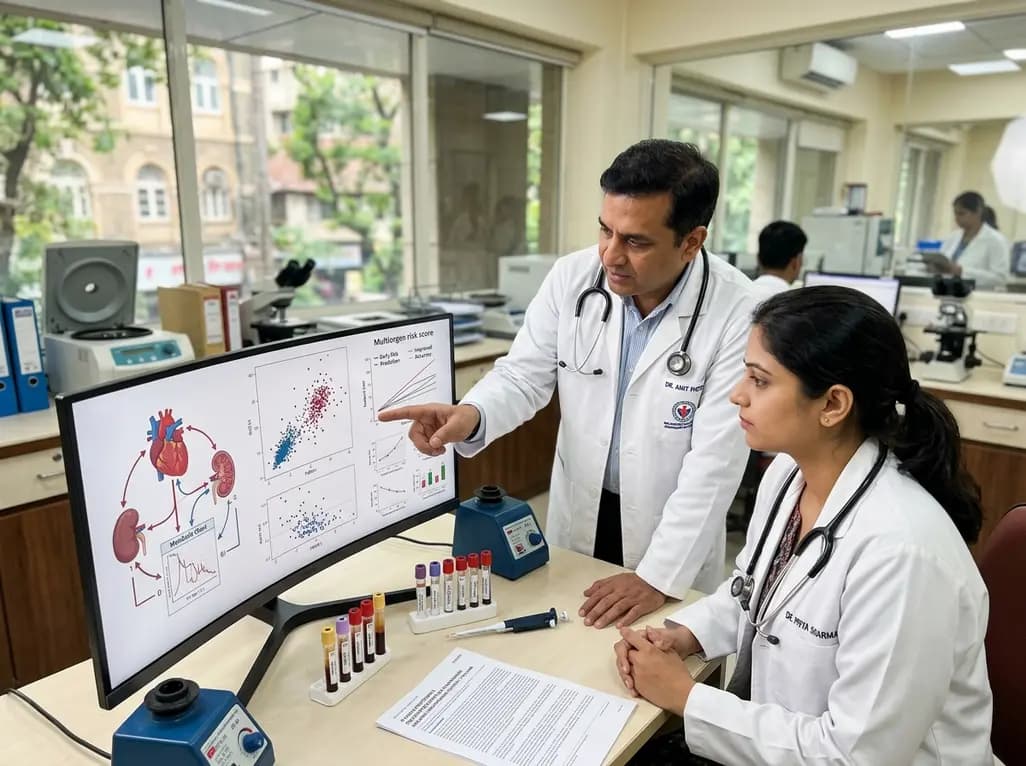
A large UK Biobank study reveals that plasma proteomic signatures capture preclinical organ damage and improve multiorgan risk prediction across early CKM syndrome stages 0 to 2 beyond traditional PREVENT clinical models.
Today
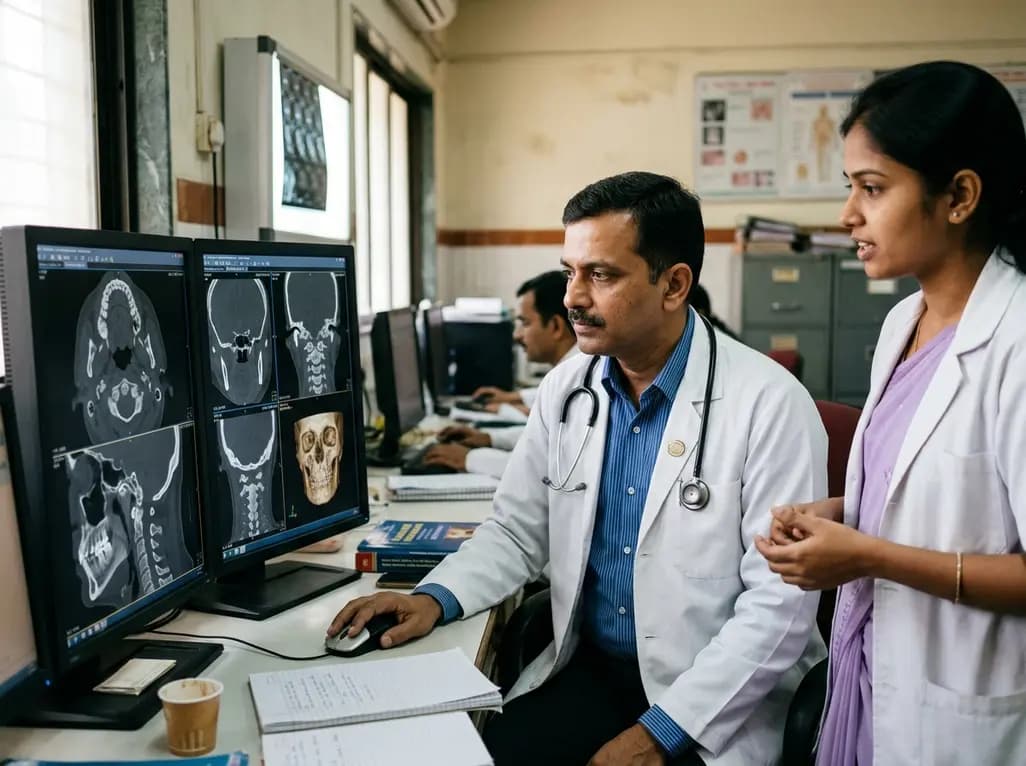
A retrospective CBCT study reveals that superior TMJ space asymmetry correlates moderately with occipital condyle-atlas-axis asymmetry in unilateral TMJ osteoarthritis, highlighting an imaging correlate between jaw biomechanics and upper cervical alignment rather than a standalone diagnostic marker.
Today

A Bayesian multilevel meta-analysis reveals that aerobic training combined with moderate carbohydrate restriction modestly lowers HbA1c in type 2 diabetes. However, sparse data and very low certainty leave incremental benefits over exercise or diet alone unproven, highlighting the need for individualized care.
Today
