.webp&w=384&q=75)

Loading, please wait...
Loading, please wait...

Human cathepsin L (hCatL) serves as a lysosomal cysteine protease. It significantly facilitates endosomal entry for the SARS-CoV-2 virus. Therefore, researchers identify it as a critical therapeutic target for COVID-19 treatment. Recently, a team developed new cathepsin L inhibitors featuring tripeptidomimetic structures. These compounds utilize electrophilic α,β-unsaturated ethyl ester or sulfone warheads. Consequently, these inactivators demonstrate remarkable potency against viral infection in cellular models.
The study evaluated several irreversible inactivators for their biochemical and antiviral activity. These compounds showed IC50 values between 0.4 and 35 nM. Specifically, inhibitors 16 and 17 emerged as the most potent candidates in the series. In Vero E6 cells, they achieved EC50 values from 120 to 310 nM. Furthermore, tests in A549/ACE2 cells showed even higher efficacy. These inhibitors reached EC50 levels between 78 and 120 nM. Thus, the molecules effectively block the endosomal entry pathway. This process prevents the virus from replicating within human cells.
Host-targeted therapies offer several advantages over traditional antivirals. For example, host enzymes like cathepsin L do not mutate as quickly as viral proteins. Consequently, these inhibitors might maintain efficacy against multiple SARS-CoV-2 variants. Moreover, the study demonstrates that these peptidomimetics possess high metabolic stability. Scientists are now investigating their pharmacokinetic profiles in more detail. In addition, these findings pave the way for broad-spectrum antiviral development. Such drugs could protect against future emerging coronaviruses.
Cathepsin L is an essential enzyme that the virus uses to enter host cells. Because it is a human protein, it is less likely to undergo mutations that cause drug resistance. This makes it a stable target for long-term therapy.
These inhibitors show sub-nanomolar potency in enzyme assays. In cell cultures, they successfully block SARS-CoV-2 infection at very low concentrations. This high efficiency suggests they could be potent therapeutic agents.
Disclaimer: This content is for informational and educational purposes only. It does not constitute professional medical advice, diagnosis, or treatment. Always seek the advice of your physician or other qualified health provider with any questions you may have regarding a medical condition. Refer to the latest local and national guidelines for clinical practice.
References

Read summarized clinical updates, watch expert medical content, and earn CME certifications right from your smartphone.
Open your smartphone camera to scan and install.





New peptidomimetic inactivators targeting cathepsin L show nanomolar potency in blocking SARS-CoV-2 entry across multiple human cell models....
6 months ago

A prospective study using wireless sensors reveals that smaller physician workrooms significantly increase contact density and respiratory virus transmission risks despite lower average occupancy, underscoring the urgent need for better architectural design and infection control in healthcare duty rooms.
Today

A KGMU study reveals over half of women with breast abnormalities fail to undergo diagnostic confirmation, leading to advanced-stage detection. Discover the socio-cultural barriers, clinical risks of incomplete resection, and community-level solutions needed to bridge the critical screening-to-diagnosis gap in India.
Today
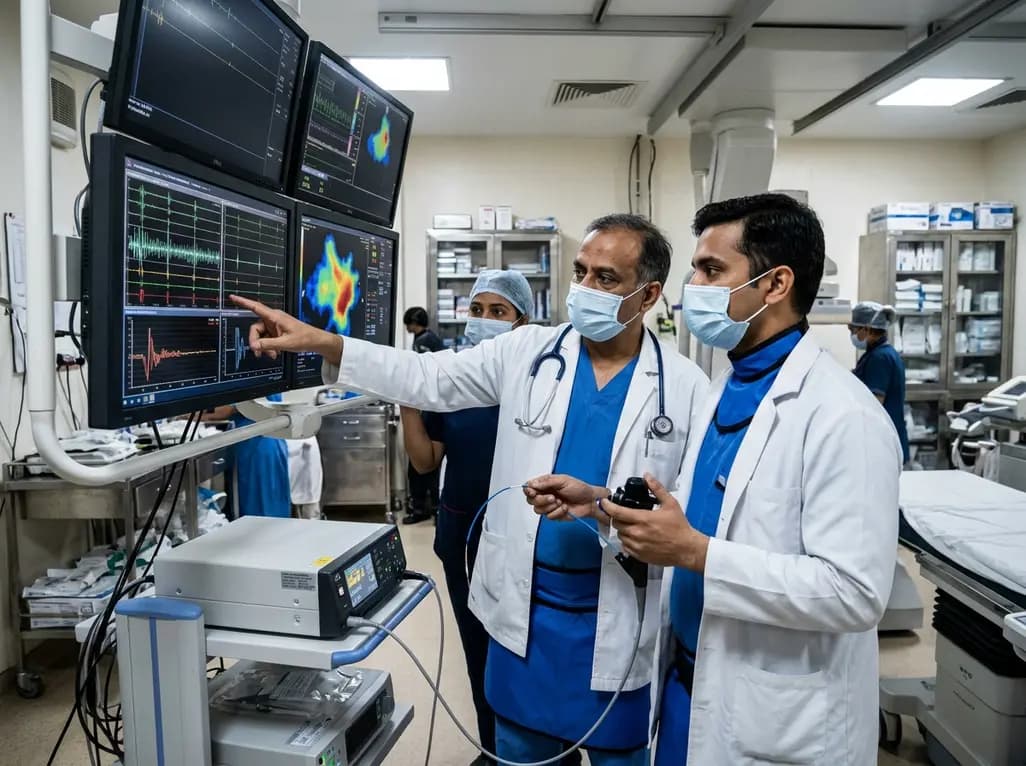
A comparative non-contact study reveals that high-power radiofrequency delivery with the QDOT MICRO catheter induces an artifactual contact force rise. Electrophysiologists must understand this power-dependent thermal and electrical phenomenon to avoid inadvertent catheter withdrawal and ineffective ablation.
Today
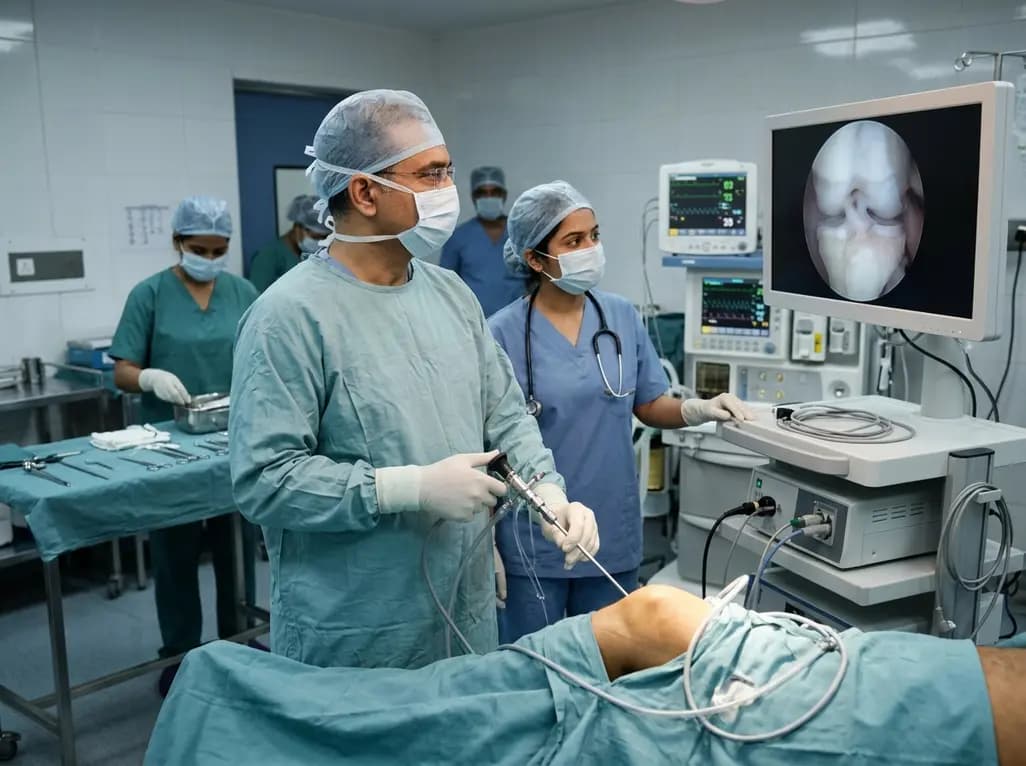
Healthium Medtech has transitioned its arthroscopy vertical into SIRONIX Orthopedics, aiming to capture key segments of the global joint care market. The strategic shift introduces dedicated portfolios in sports medicine, joint regeneration, surgical reconstruction, and digital operating technologies.
Today
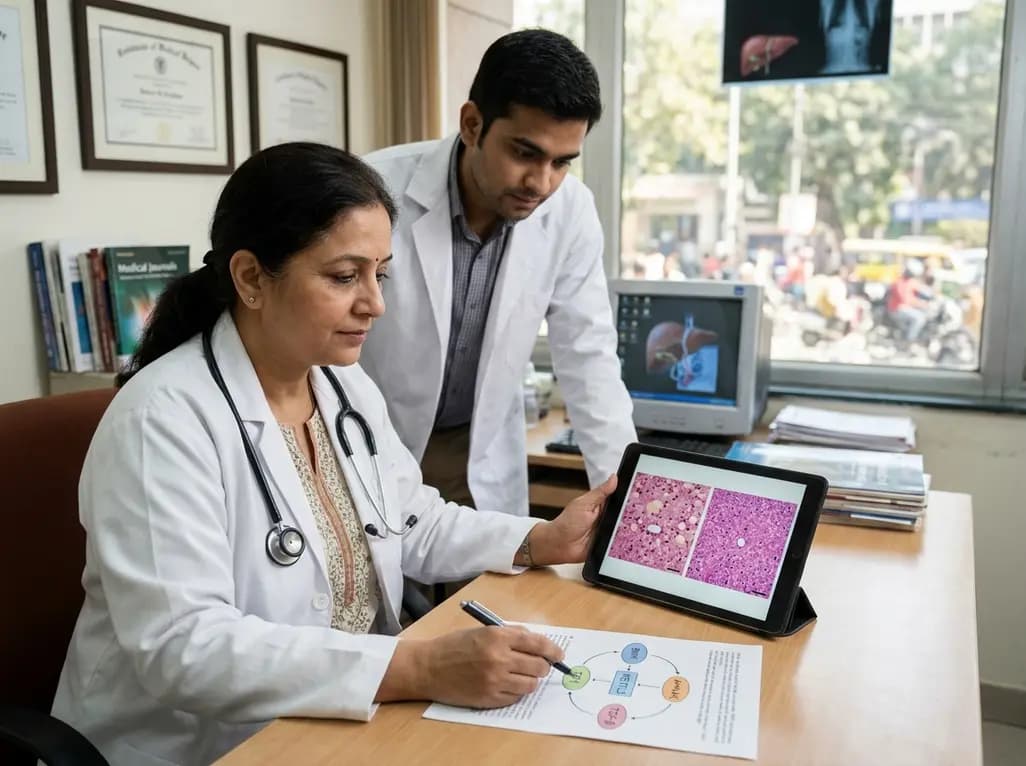
Preclinical research demonstrates that BMI1 overexpression alleviates metabolic syndrome-related liver injury. By triggering ubiquitin-mediated METTL3 degradation, BMI1 prevents AHNAK m6A methylation and suppresses fibrogenic TGF-β/SMAD signaling, significantly improving hepatic steatosis and insulin resistance.
Today
