.webp&w=384&q=75)

Loading, please wait...
Loading, please wait...

Perimenopause and natural menopause represent profound neuroendocrine transitions in a woman's life. Consequently, clinicians frequently encounter patients who seek evidence-based options for menopause symptom relief. While menopausal hormone therapy remains the gold standard for vasomotor complaints, many women seek clinically evaluated non-hormonal alternatives. Recently, OmniActive Health Technologies launched Fenavari in India. This proprietary botanical ingredient aims to support women across perimenopause, menopause, and post-menopause. Furthermore, the formulation combines standardized extracts of fenugreek and shatavari to restore physiological harmony.
Botanical solutions often face skepticism due to batch variation and poor standardization. However, Fenavari addresses these concerns through precise phytochemical profiling via high-performance liquid chromatography. The formulation specifically standardizes fenugreek (Trigonella foenum-graecum) extract to 4% protodioscin. Concurrently, it standardizes shatavari (Asparagus racemosus) extract to 6% shatavarin IV. These bioactive compounds provide complementary phytoestrogenic and adaptogenic properties. In addition, the extraction utilizes green solvents without synthetic additives or soy derivatives.
Protodioscin from fenugreek acts as a natural saponin that supports endogenous endocrine pathways. Meanwhile, shatavarin IV modulates estrogen receptors while supporting reproductive tissue resilience. Together, these botanicals exert synergistic actions on central neurotransmitters and peripheral targets. Therefore, this dual-action strategy delivers broader symptom coverage than single-herb supplements. Scientists developed this blend using artificial intelligence validation to confirm molecular pathways and pharmacodynamic synergy.
Robust clinical evidence supports the therapeutic utility of this botanical combination. A randomized, double-blind, placebo-controlled clinical trial evaluated the extract in 138 Indian women aged 40 to 60 years. Researchers published these findings in the peer-reviewed journal Women's Health Reports. The trial examined daily dosages of 300 mg and 500 mg against placebo over an 84-day intervention period. Notably, participants experienced demonstrable improvements in total Menopause Rating Scale scores as early as Day 14.
Vasomotor instability improved substantially across both active treatment arms. Specifically, participants receiving 500 mg achieved a 61% reduction in hot flash frequency. Similarly, night sweats decreased by 51% compared to baseline. Patients in the 300 mg group also exhibited over 50% symptom reduction. Furthermore, somatic complaints such as joint stiffness and cardiac discomfort improved significantly. These findings indicate that standardized botanical combinations offer rapid and durable menopause symptom relief across diverse menopausal presentations.
Vasomotor episodes stem from thermoregulatory dysfunction triggered by declining ovarian estrogen. Consequently, measuring objective endocrine parameters is vital when evaluating non-hormonal therapies. In the published clinical study, researchers evaluated serum estradiol, follicle-stimulating hormone, and progesterone levels at baseline, Day 56, and Day 84. The active treatment groups demonstrated significant endocrine modulation compared to the placebo cohort.
Serum estradiol concentrations increased significantly in women taking the botanical extract. Conversely, circulating follicle-stimulating hormone levels showed a corresponding downward correction. This biochemical shift demonstrates improved pituitary-ovarian feedback regulation. Importantly, safety assessments revealed no adverse changes in hepatic enzymes, renal function, or hematological markers. Thus, the botanical complex supports physiological hormonal balance without delivering exogenous synthetic hormones.
Menopausal transition frequently disrupts emotional health and sleep architecture. In fact, declining gonadal steroids alter gamma-aminobutyric acid and serotonin neurotransmission. During the clinical evaluation, investigators utilized validated psychiatric rating scales, including the Pittsburgh Sleep Quality Index and the Beck Anxiety Inventory. Participants also completed the Profile of Mood States questionnaire across all assessment intervals.
Fenavari produced significant improvements in restorative sleep quality by Day 84. Additionally, trial participants reported meaningful reductions in nervous tension and episodic anxiety. Mood stability and daily vigor increased noticeably in both dosing groups. Urogenital wellness and sexual satisfaction scores also improved over the 12-week timeframe. Therefore, the multi-target botanical blend addresses the psychological and somatic complexities of midlife endocrinopathy.
The demographic landscape of midlife health in India is shifting dramatically. According to recent epidemiological data, India is home to approximately 159 million women aged 40 to 59 years. The Indian Menopause Society notes that the mean age of natural menopause among Indian women is approximately 46 years. This transition occurs earlier than the global average of 51 years. Meanwhile, female life expectancy in India has risen past 73 years.
Consequently, Indian women spend nearly one-third of their lives in a post-menopausal state. Despite this reality, menopausal health remains under-addressed in mainstream clinical consultations. Primary care physicians and gynecologists play an indispensable role in closing this management gap. Clinicians can offer personalized guidance on lifestyle modifications, dietary changes, and standardized nutraceuticals. Integrating validated botanical options into comprehensive care plans helps improve quality of life for aging women.
Q1: What are the active constituents in Fenavari, and how do they function?
Fenavari combines standardized extracts of fenugreek and shatavari. Fenugreek provides 4% protodioscin, while shatavari provides 6% shatavarin IV, verified via high-performance liquid chromatography. These active compounds function as natural phytoestrogens and adaptogens. Consequently, they support hypothalamic thermoregulation, promote endogenous endocrine equilibrium, and enhance neurotransmitter stability without introducing synthetic hormones into the body.
Q2: What clinical outcomes did the randomized controlled trial demonstrate?
The randomized clinical trial published in Women's Health Reports evaluated 138 women over 84 days. The study demonstrated up to a 61% reduction in hot flashes and a 51% reduction in night sweats. Furthermore, participants experienced significant improvements in sleep quality, anxiety scores, and mood. The extract also elevated serum estradiol and lowered follicle-stimulating hormone levels safely.
Q3: How should clinicians position this botanical formulation in daily practice?
Clinicians can consider this standardized botanical formulation as a supportive option for women experiencing mild to moderate menopausal symptoms. It serves individuals seeking non-hormonal support during perimenopause, menopause, or post-menopause. Moreover, physicians should evaluate patient symptoms holistically, monitor individual clinical responses, and combine nutraceutical therapies with lifestyle counseling and regular health screenings.
Disclaimer: This content is for informational and educational purposes only. It does not constitute medical advice or replace professional judgment. Refer to the latest local and national guidelines for clinical practice.
References

Read summarized clinical updates, watch expert medical content, and earn CME certifications right from your smartphone.
Open your smartphone camera to scan and install.





OmniActive has introduced Fenavari in India, a standardized botanical nutraceutical combining fenugreek and shatavari. Clinical trials show over 50% reduction in vasomotor symptoms, improved estradiol levels, and reduced FSH, presenting a non-hormonal option for perimenopausal and postmenopausal care.
last month

A laboratory technician's death in Siberia from an unverified respiratory pathogen has renewed global vigilance for pneumonic plague. Clinicians must recognize early presentations of Yersinia pestis, enforce immediate respiratory isolation, and start early bactericidal therapy to prevent severe secondary spread.
Today

A retrospective study of 824 patients undergoing over 2,200 intradetrusor onabotulinumtoxinA injections identifies sex- and etiology-specific predictors of 2-week post-void residual, highlighting the influence of baseline residual volumes, toxin dosage, and distinct urodynamic parameters on urinary retention risk.
Today

The US FDA has granted approval to the SELUTION SLR drug-eluting balloon for treating coronary in-stent restenosis. This milestone introduces a sustained-release sirolimus platform that eliminates the need for additional permanent metallic stents while maintaining robust vascular healing and luminal patency.
Today
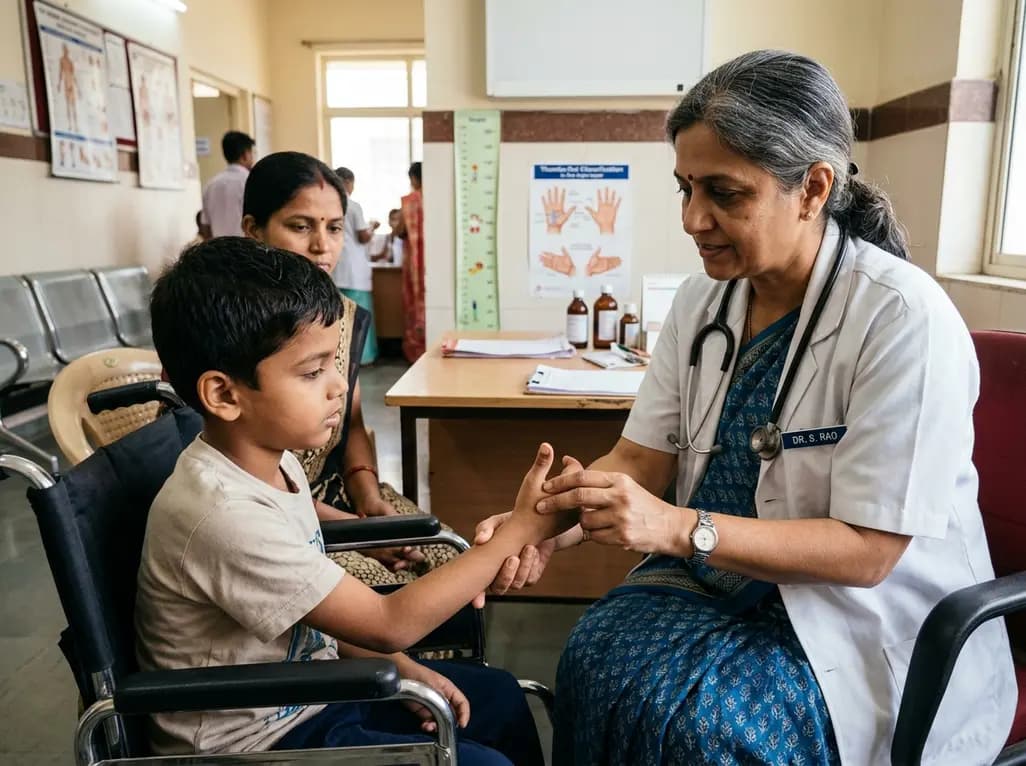
The Thumbs-Out Classification (TOC) is a reliable screening tool for detecting thumb-in-palm deformity in children with cerebral palsy. Utilizing traffic-light tiers for radial abduction, TOC enables clinicians to monitor upper limb function and initiate timely therapeutic or surgical interventions.
Today

A comprehensive review analyzes periconceptional GLP-1 receptor agonist exposure, revealing reassuring data on congenital anomalies and adverse perinatal outcomes while emphasizing the need for cautious patient counseling.
Today
