.webp&w=384&q=75)

Loading, please wait...
Loading, please wait...
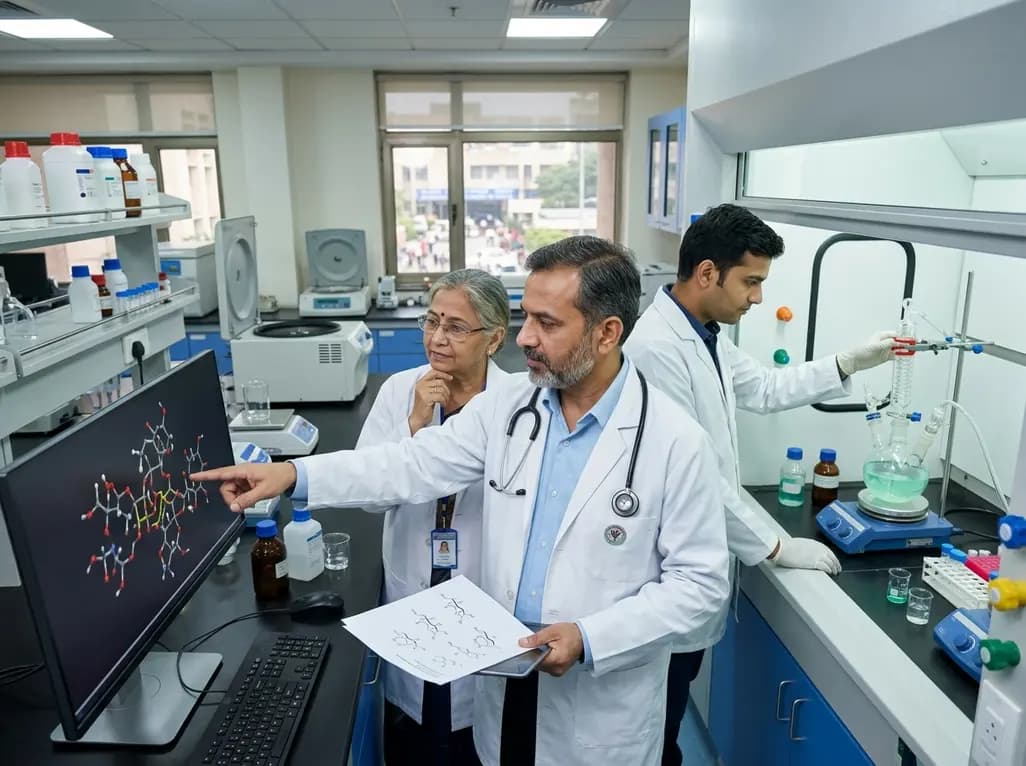
A recent study in The Journal of Organic Chemistry has introduced a mild activation protocol for α-stereoselective glycosylation. Specifically, researchers utilized 2-pyridyl 1-thioglycosides (SPy) as stable donors, which were successfully activated by copper triflate. Additionally, this breakthrough provides a robust pathway for synthesizing complex carbohydrates, which are essential components in modern pharmaceutical development.
The chemical synthesis of carbohydrates remains one of the most challenging aspects of medicinal chemistry. Consequently, developing stable donors that can be activated under mild conditions is a priority for researchers. In this study, the authors demonstrated that SPy glycosides offer high stability during protecting group manipulations. However, they transition into reactive intermediates upon the addition of copper triflate, facilitating the formation of α-glycosidic linkages.
The team observed high levels of α-stereoselective glycosylation when using glycan acceptors. In contrast, they noted that most aglycon acceptors exhibited significantly lower selectivity. This distinction is vital for chemists aiming to build specific oligosaccharide structures. Furthermore, the study effectively showcased the orthogonal activation of SPy glycosides. This allows for sequential reactions in the presence of other thioglycosides, simplifying the synthesis of large, branched sugar molecules used in vaccines and therapeutic proteins.
Ultimately, these findings offer a more efficient and controlled method for carbohydrate construction. Therefore, this methodology could streamline the production of glycan-based drugs and diagnostic tools. By utilizing copper triflate, scientists can now achieve precise stereocontrol with stable, easily handled materials.
2-pyridyl 1-thioglycosides serve as stable donors that resist premature reaction during early synthesis steps. Their stability ensures that researchers can perform complex chemical modifications before initiating the final glycosylation process.
Many biological molecules, including certain vaccines and glycoproteins, require a specific "alpha" orientation of their sugar components to function correctly. This stereoselective method ensures the final product has the correct biological activity and safety profile.
Disclaimer: This content is for informational and educational purposes only. It is not intended as medical advice or as a substitute for professional pharmaceutical consultation. Refer to the latest local and national guidelines for clinical practice.
References
Mandadi P et al. Mild Activation of 2-Pyridyl 1-Thioglycosides as Stable Donors for α-Stereoselective Glycosylation. J Org Chem. 2026 Jun 08. doi: 10.1021/acs.joc.6c00117. PMID: 42258305.
Zhang B. FDA Grand Rounds – Antibody Glycosylation Insights for High-Quality Biotherapeutics. FDA CDER. 2026.
Manabe S. Recent Development of Stereoselective Glycosylation Reactions. Heterocycles. 2021;102(2):177-190.

Read summarized clinical updates, watch expert medical content, and earn CME certifications right from your smartphone.
Open your smartphone camera to scan and install.





A new study in J Org Chem details a copper triflate-activated method for α-stereoselective glycosylation using stable 2-pyridyl 1-thioglycoside donors....
4 months ago

Explore vital recurrent stroke predictors in lacunar stroke patients managed with intensive blood pressure lowering. This analysis examines trial findings from SPS3 to uncover residual vascular risks, metabolic factors, and targeted secondary prevention strategies for high-risk neurological patients.
Today

A comprehensive scoping review synthesises evidence linking prenatal maternal mental health to long-term offspring neurodevelopment, evaluating neuroendocrine, inflammatory, and epigenetic pathways while highlighting clinical screening and future research priorities.
Today

The Directorate General of Health Services directs Indian states to halt the hazardous reuse and reprocessing of single-use medical devices. Discover regulatory implications under the Drugs and Cosmetics Act, critical infection risks, legal liabilities, and operational changes required across clinical specialties.
Today

Mitochondria-targeted nanoparticles self-assembled from EGCG and L-glutamic acid effectively restore mitochondrial homeostasis, suppress synovial inflammation, and attenuate chondrocyte senescence in osteoarthritis, offering a promising disease-modifying nanotherapy.
Today

India is advancing preventive healthcare by integrating genomics, artificial intelligence, and quantum technologies. With the SANGAM programme sequencing one million Indian genomes, clinicians can unlock personalized therapies, detect cardiometabolic risks early, and curb the burden of diabetes and heart disease.
Today
