.webp&w=384&q=75)

Loading, please wait...
Loading, please wait...
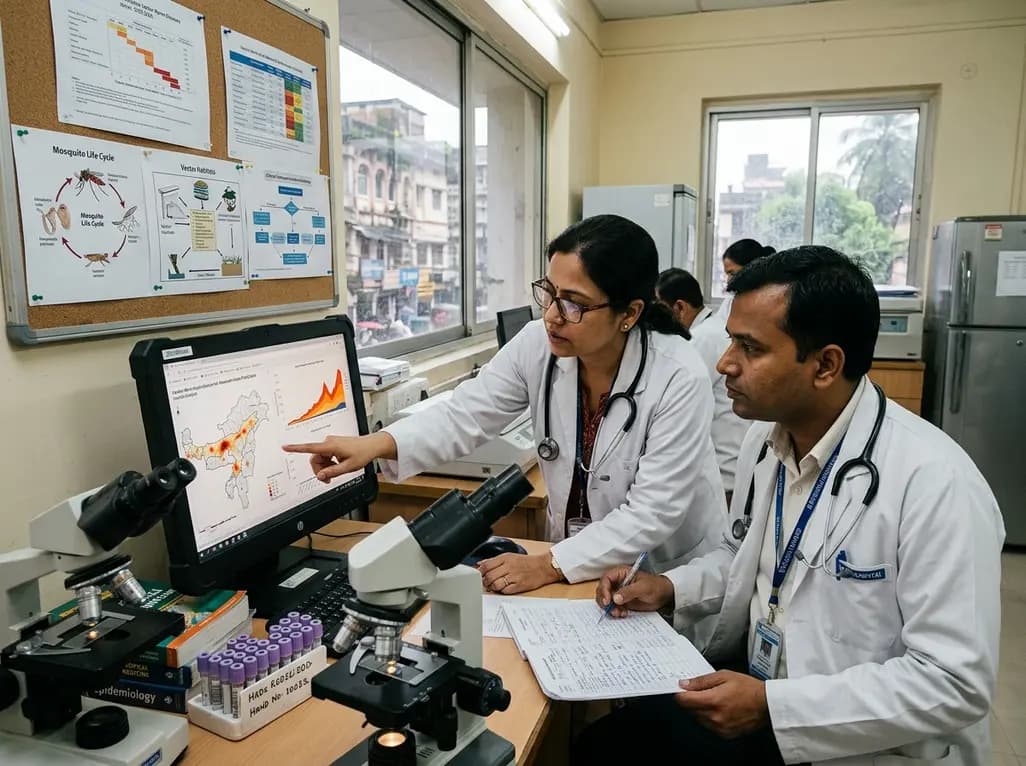
A recent report by the Parliamentary Standing Committee on Health and Family Welfare highlights a concerning expansion of Northeast vector-borne diseases into previously unaffected high-altitude and urban regions. Consequently, healthcare professionals across India must recognize how shifting climatic conditions, deforestation, and rapid urban growth are modifying vector dynamics. This analysis examines the epidemiological updates, clinical complexities, and preventive recommendations for Indian clinicians.
The geographical landscape of infectious diseases in northeastern India is undergoing significant shifts. Historically, many hilly terrains in the region maintained low ambient temperatures that limited mosquito proliferation. However, climate change and unchecked deforestation are creating warm, humid microenvironments conducive to mosquito breeding at higher elevations.
Furthermore, unplanned urban development has accelerated water stagnation and inadequate municipal waste clearance. These environmental changes directly facilitate the survival of Aedes and Culex species in novel territories. The parliamentary panel highlighted that difficult topography and dispersed tribal settlements frequently delay medical assistance. Therefore, infectious diseases now establish local transmission chains in areas previously considered non-endemic.
In addition, cross-border migration and changing precipitation patterns continue to alter vector distributions. The committee emphasized that public health authorities require disaggregated epidemiological tracking for tribal, rural, and urban populations. As a result, primary care doctors and infectious disease specialists must maintain a high index of suspicion when evaluating acute febrile illnesses across all northeastern states.
The parliamentary report documents a dramatic escalation in arboviral infections across the northeastern region over the past decade. For instance, reported dengue cases rose sharply from 142 in 2014 to a staggering peak of 19,761 cases in 2023. Although annual numbers subsequently moderated to 7,186 in 2024, transmission remains substantial in non-traditional urban hubs.
Similarly, chikungunya incidence increased by approximately 14.3% between 2023 and 2024. Surprisingly, Sikkim recorded the highest regional incidence for both arboviruses in 2024, reporting an incidence of 57.9 per lakh for dengue and 291.2 per lakh for chikungunya. Clinicians must recognize that rooftop rainwater storage and artificial plastic containers provide ideal breeding grounds for Aedes aegypti and Aedes albopictus.
Consequently, medical practitioners must be vigilant for severe dengue presentations, including severe plasma leakage, internal hemorrhage, and multiorgan impairment. Moreover, chikungunya frequently produces debilitating, chronic post-viral arthralgia that requires prolonged symptomatic management. Clinicians should avoid administering non-steroidal anti-inflammatory drugs before ruling out dengue, because early NSAID use significantly increases hemorrhage risk.
In contrast to the surge in arboviral infections, malaria control exhibits substantial progress across the country. Nationally, the number of high-burden districts with an Annual Parasite Index exceeding one decreased from 155 in 2015 to 37 in 2024. Furthermore, sixteen districts in Arunachal Pradesh and six districts in Nagaland successfully recorded zero indigenous malaria cases over three consecutive years.
Nonetheless, malaria persists in isolated border belts and heavily forested tribal pockets where healthcare delivery remains constrained. Shifting agricultural practices and cross-border human movement create lingering reservoirs of Plasmodium falciparum and Plasmodium vivax. Therefore, healthcare providers cannot afford clinical complacency.
To sustain transmission interruption, clinicians should promptly deploy bivalent rapid diagnostic tests and quality-assured microscopy for all unexplained fevers. Additionally, physicians must strictly follow National Center for Vector Borne Diseases Control guidelines by prescribing artemisinin-based combination therapies alongside primaquine for radical cure. Ensuring complete patient adherence prevents the emergence of drug-resistant strains in hard-to-reach border tracts.
Japanese encephalitis remains a profound public health concern throughout northeastern India, particularly across the agrarian plains of Assam. The parliamentary report recorded 885 Japanese encephalitis cases in the Northeast in 2024, reflecting an increase from 709 cases in 2023. Encouragingly, the national case fatality rate dropped from 17.6% in 2014 to 7.1% in 2024 due to enhanced supportive care.
However, survivors frequently endure long-term cognitive, motor, and behavioral sequelae. Transmission depends heavily on Culex tritaeniorhynchus mosquitoes breeding in flooded paddy fields, with pigs and wading birds serving as amplifying hosts. Consequently, human outbreaks regularly coincide with seasonal monsoon agricultural cycles.
From a clinical perspective, acute encephalitis syndrome demands rapid neurological assessment, early airway stabilization, and stringent intracranial pressure management. Because specific antiviral therapies remain unavailable, physicians must prioritize intensive supportive care, glycemic control, and timely seizure termination. Furthermore, medical officers should actively advocate for complete routine immunization coverage with the live attenuated SA 14-14-2 vaccine in eligible pediatric and adult cohorts.
To counter vector expansion, the parliamentary committee recommended establishing a dedicated Northeast vector-borne disease digital portal. This platform will integrate real-time epidemiological reporting with artificial intelligence-driven early warning systems. By analyzing meteorological data and geographic information, predictive models can alert district health authorities weeks before potential vector surges occur.
Moreover, the panel advocated for mobile health units, pre-monsoon screening camps, and rapid response teams equipped with modern field diagnostics. The report also emphasized establishing a Regional Entomology Training Hub to train local personnel in vector surveillance and insecticide resistance monitoring. Dedicated funding through regional development schemes will strengthen diagnostic laboratory infrastructure across remote districts.
Additionally, successful long-term vector suppression requires a comprehensive One Health framework. This approach combines veterinary disease surveillance in animal reservoirs, improved civic drainage, and environmental conservation. Integrating digital dashboards with community entomology programs will significantly enhance outbreak containment across challenging terrains.
Primary care doctors and hospital physicians require clear protocols when managing acute febrile illnesses in the northeastern region. Clinicians should conduct early laboratory confirmation using NS1 antigen assays, IgM serology, or peripheral blood smears during initial patient evaluations. Furthermore, daily hematocrit and platelet monitoring remain essential to detect early plasma leakage in suspect dengue cases.
Similarly, healthcare teams must maintain meticulous fluid balance in dengue shock syndrome, using isotonic crystalloids while avoiding fluid overload. In regions with co-circulating pathogens, physicians must consider dual infections, such as concurrent dengue and malaria or scrub typhus. Standardized regional treatment guidelines ensure that junior medical officers deliver consistent, life-saving care during seasonal epidemic surges.
Finally, patient education serves as a vital clinical tool. Clinicians should actively instruct communities on using insecticide-treated bed nets, eliminating domestic water collections, and using topical mosquito repellents. Prompt healthcare-seeking behavior remains critical to reducing morbidity and mortality throughout vulnerable northeastern districts.
Q1: Why are vector-borne diseases expanding to newer areas in Northeast India?
Rising temperatures and irregular rainfall patterns create hospitable microclimates for vector breeding at higher elevations. Concurrently, rapid urbanization, improper municipal drainage, water storage practices, and deforestation facilitate mosquito proliferation. These combined environmental changes enable vectors like Aedes and Culex to establish sustained local transmission in areas previously considered non-endemic.
Q2: How should clinicians distinguish between dengue and chikungunya in primary care settings?
Both arboviruses present with acute fever and headache, but clinical nuances help differentiate them. Dengue typically causes retro-orbital pain, prominent leukopenia, thrombocytopenia, and potentially life-threatening plasma leakage. Conversely, chikungunya features severe, symmetrical, and often crippling polyarthralgia with marked periarticular swelling. Clinicians should utilize NS1 antigen tests and IgM ELISA serology for definitive laboratory confirmation.
Q3: What are the key clinical priorities in managing acute Japanese encephalitis cases?
Because no specific antiviral drug exists for Japanese encephalitis, management relies on aggressive neurocritical supportive care. Clinicians must maintain a patent airway, provide adequate oxygenation, manage elevated intracranial pressure, and promptly control convulsions with antiepileptic agents. Furthermore, maintaining strict fluid-electrolyte balance and administering empiric antimicrobials for secondary complications improve overall clinical survival.
Disclaimer: This content is for informational and educational purposes only. It does not constitute medical advice or replace professional judgment. Refer to the latest local and national guidelines for clinical practice.
References

Read summarized clinical updates, watch expert medical content, and earn CME certifications right from your smartphone.
Open your smartphone camera to scan and install.





A parliamentary health panel warns that climate change and urbanization drive a surge in vector-borne infections across Northeast India. Review the shifting epidemiology of dengue, chikungunya, malaria, and Japanese encephalitis, alongside essential diagnostic and management updates for medical practitioners.
4 weeks back
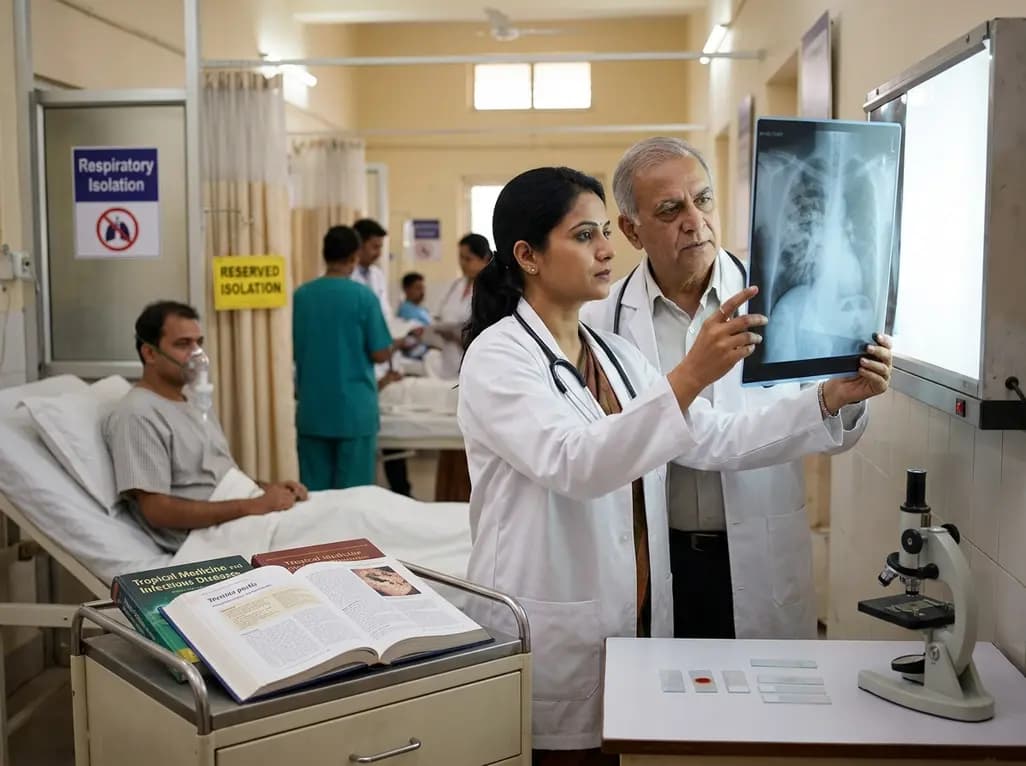
A laboratory technician's death in Siberia from an unverified respiratory pathogen has renewed global vigilance for pneumonic plague. Clinicians must recognize early presentations of Yersinia pestis, enforce immediate respiratory isolation, and start early bactericidal therapy to prevent severe secondary spread.
Today

A retrospective study of 824 patients undergoing over 2,200 intradetrusor onabotulinumtoxinA injections identifies sex- and etiology-specific predictors of 2-week post-void residual, highlighting the influence of baseline residual volumes, toxin dosage, and distinct urodynamic parameters on urinary retention risk.
Today
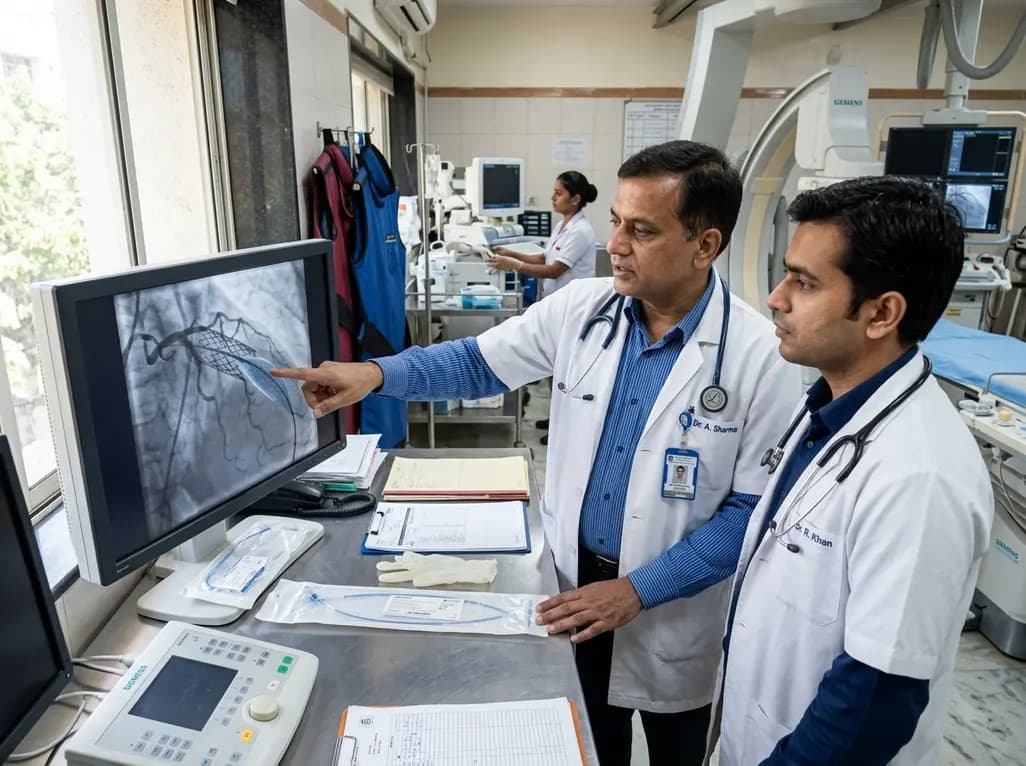
The US FDA has granted approval to the SELUTION SLR drug-eluting balloon for treating coronary in-stent restenosis. This milestone introduces a sustained-release sirolimus platform that eliminates the need for additional permanent metallic stents while maintaining robust vascular healing and luminal patency.
Today
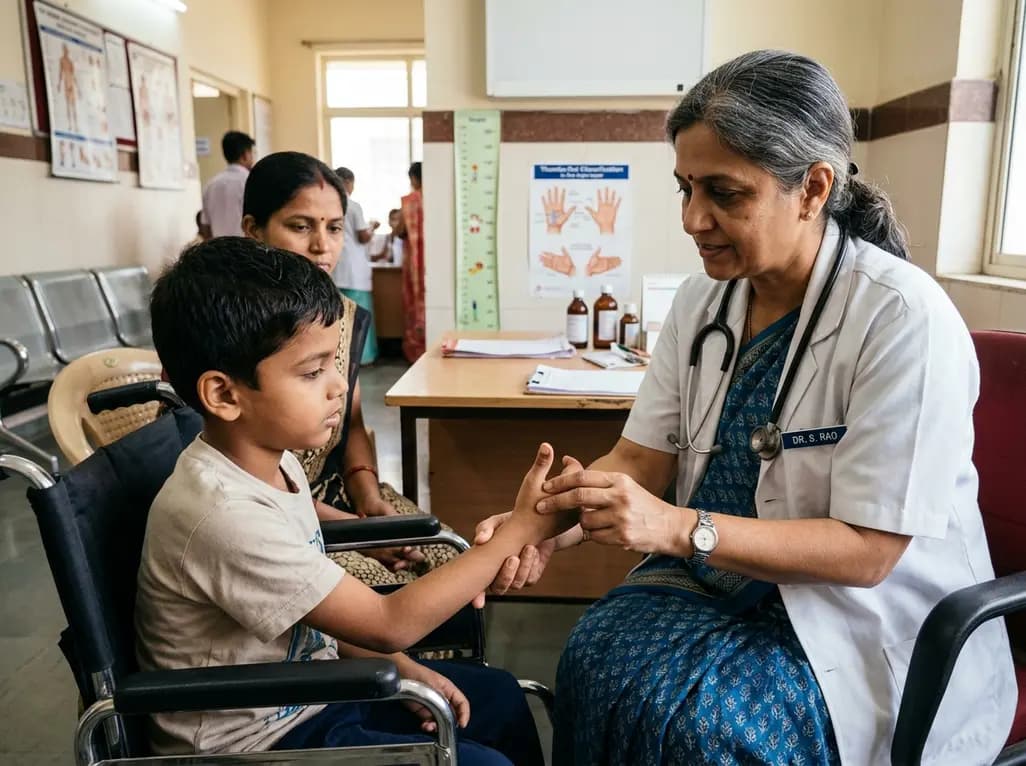
The Thumbs-Out Classification (TOC) is a reliable screening tool for detecting thumb-in-palm deformity in children with cerebral palsy. Utilizing traffic-light tiers for radial abduction, TOC enables clinicians to monitor upper limb function and initiate timely therapeutic or surgical interventions.
Today
A comprehensive review analyzes periconceptional GLP-1 receptor agonist exposure, revealing reassuring data on congenital anomalies and adverse perinatal outcomes while emphasizing the need for cautious patient counseling.
Today
