.webp&w=384&q=75)

Loading, please wait...
Loading, please wait...

Adolescent pregnancy presents distinct physiological, emotional, and social challenges that demand attentive clinical oversight. Consequently, adolescent perinatal depression has emerged as an urgent public health concern affecting vulnerable young mothers across the globe. Expectant and parenting teenagers experience nearly double the rate of mood disorders compared to adult mothers. Furthermore, hormonal shifts, ongoing neurodevelopment, and acute psychosocial stressors increase their overall susceptibility to affective illness. While pharmacological treatments remain necessary for severe illness, clinical consensus prioritizes non-pharmacological therapies as safe first-line options. Moreover, psychological interventions safeguard against medication exposure during pregnancy and lactation. This review examines evidence-based psychotherapeutic strategies designed specifically to support adolescent mothers during the perinatal period.
Adolescent mothers navigate a turbulent intersection of biological maturation and early parenthood. Therefore, emotional distress frequently manifests as pervasive sadness, intrusive worry, severe anhedonia, and profound parenting fatigue. Epidemiological studies demonstrate that socioeconomic disadvantage, disrupted schooling, and family conflict intensify these symptoms. Furthermore, young mothers often experience intense shame and social isolation following an unexpected pregnancy. Consequently, untreated depression during this critical phase impedes maternal-infant attachment and healthy developmental interactions.
Healthcare practitioners often miss subtle distress cues during brief antenatal appointments. For example, clinicians might dismiss emotional withdrawal as typical adolescent moodiness or ordinary gestational exhaustion. However, perinatal mental illness generates persistent adverse consequences for self-esteem and future educational prospects. In addition, pervasive social stigma prevents teenagers from disclosing depressive symptoms to healthcare providers. Thus, routine screening using validated instruments like the Edinburgh Postnatal Depression Scale is indispensable for early detection.
Recent systematic reviews and meta-analyses provide compelling evidence regarding non-pharmacological care in adolescent obstetrics. Specifically, clinical investigators evaluated structured psychotherapeutic modalities against standard routine antenatal and postnatal care. The pooled meta-analytic results demonstrated a statistically significant decrease in depressive symptom severity among participating adolescent mothers. Non-pharmacological interventions produced a standardized mean difference of minus 0.57, representing a moderate, clinically meaningful treatment effect. In addition, these targeted interventions notably attenuated comorbid perinatal anxiety symptoms.
These robust therapeutic outcomes confirm that structured psychological interventions yield measurable clinical improvements. Furthermore, both individual counseling and group-based formats demonstrated therapeutic efficacy across various community and outpatient healthcare settings. Many clinical trials integrated therapy sessions directly into regular antenatal care schedules. As a result, adolescent mothers maintained high treatment adherence without facing travel burdens. Clinicians can therefore confidently recommend structured psychotherapeutic modalities as reliable first-line treatment for young mothers.
Cognitive Behavioral Therapy and Interpersonal Psychotherapy serve as the primary evidence-based modalities assessed in adolescent trials. Specifically, Cognitive Behavioral Therapy helps young mothers identify cognitive distortions, catastrophic thinking, and negative automatic thoughts. Furthermore, behavioral activation encourages participants to re-engage in rewarding personal routines and constructive infant care activities. As a result, young mothers experience restored personal self-efficacy and improved emotional stability. Therapists also integrate practical relaxation exercises and sleep hygiene counseling into these sessions.
Similarly, Interpersonal Psychotherapy directly targets the profound social transformations associated with teenage pregnancy and childbirth. Expectant adolescents must rapidly adapt to demanding parental obligations while negotiating changing dynamics with family members and partners. Consequently, Interpersonal Psychotherapy emphasizes healthy communication strategies, role dispute resolution, and grief management over forfeited adolescent freedoms. In addition, therapists guide young mothers in building dependable domestic support networks. Therefore, combining cognitive restructuring with interpersonal problem-solving provides young mothers with essential tools for sustained mental wellness.
Despite clear therapeutic benefits, adolescent mothers face formidable systemic barriers when attempting to access mental healthcare services. For instance, logistical challenges including unreliable transportation, childcare deficits, and financial dependency frequently undermine clinic attendance. Moreover, pervasive fear of judgment from family members, peers, and healthcare professionals creates strong reluctance to seek help. Many pregnant teenagers worry that acknowledging depressive symptoms could trigger accusations of parental inadequacy. Consequently, young mothers frequently suppress emotional distress until debilitating functional impairment occurs.
To overcome these structural hurdles, medical centers must cultivate safe, non-judgmental, and youth-friendly clinical environments. Additionally, clinical teams should collaborate closely with medical social workers, community health workers, and school counselors to maintain engagement. Embedding psychological services directly within routine maternal clinics minimizes scheduling conflicts and travel expenses. Furthermore, digital health platforms offer discreet, accessible care options for young women. Thus, creating respectful clinical spaces encourages vulnerable adolescent mothers to accept and sustain psychotherapeutic care.
Successfully scaling non-pharmacological interventions requires systematic institutional protocols within primary care and obstetric facilities. First, healthcare systems should train midwives, staff nurses, and primary care clinicians to administer brief, manualized psychological protocols. Published trials confirm that trained non-specialist healthcare workers can effectively deliver cognitive and interpersonal therapies under psychiatric supervision. Consequently, task-sharing models expand psychiatric capacity in resource-constrained public healthcare systems. Antenatal clinics function as practical access points where adolescents already attend periodic physical examinations.
Moreover, clinical protocols must incorporate standardized depression screening into every trimester of pregnancy and postpartum examination. When screening tools reveal mild depressive symptoms, providers can immediately initiate low-intensity interventions such as psychoeducation and peer support groups. Conversely, moderate to severe depressive symptoms necessitate structured individual psychotherapy and dedicated psychiatric monitoring. In addition, healthcare professionals should actively involve supportive partners or trusted family members in domestic care plans to optimize recovery.
Managing perinatal mood disorders during adolescence creates profound benefits extending far beyond immediate symptom reduction. In particular, successful psychotherapeutic intervention fosters secure maternal-infant attachment and promotes responsive parenting behaviors. When adolescent mothers experience emotional stability, they interact more positively with their infants through attentive touch, vocalization, and gaze. Furthermore, treating maternal depression optimizes infant feeding practices, immunization compliance, and cognitive developmental trajectories. Consequently, early maternal mental health interventions protect the offspring against future emotional and behavioral disorders.
In addition to enhancing pediatric health, effective psychological care fundamentally reshapes the young mother's life course. By developing adaptive problem-solving skills, adolescent mothers gain greater confidence in managing educational and vocational pursuits. Moreover, resolving interpersonal distress reduces domestic friction and strengthens protective family bonds over time. Therefore, investing in adolescent perinatal psychological care represents a vital clinical and public health priority that safeguards future generations.
Cognitive Behavioral Therapy and Interpersonal Psychotherapy show the most robust evidence for reducing perinatal depressive and anxiety symptoms. These structured modalities target maladaptive thought patterns, interpersonal role transitions, and emotional distress. Consequently, young mothers acquire actionable coping mechanisms, improve communication with family members, and experience meaningful, sustained reductions in postpartum affective symptoms.
Non-pharmacological approaches provide effective symptom relief while eliminating potential fetal exposure to psychotropic medications during pregnancy and lactation. Furthermore, psychotherapy addresses the complex psychosocial stressors, interpersonal conflicts, and developmental hurdles unique to teenage motherhood. Thus, psychological interventions empower young mothers with lifelong emotional regulation skills without carrying the risk of pharmacological side effects.
Antenatal clinics can implement task-sharing models by training midwives and nurses in manualized psychological protocols under psychiatric supervision. Additionally, clinics should conduct universal depression screening and colocate mental healthcare within routine obstetric visits. This integrated approach removes logistical barriers, reduces stigma, enhances appointment attendance, and ensures timely psychological intervention for vulnerable young mothers.
Disclaimer: This content is for informational and educational purposes only... Refer to the latest local and national guidelines for clinical practice.
References
Mwita M et al. Non-pharmacological interventions for perinatal depression and anxiety among adolescent mothers: A systematic review and meta-analysis. J Affect Disord. 2025 Jun 15. doi: 10.1016/j.jad.2025.03.056. PMID: 40081580.
Phipps MG, Raker CA, Ware CF, Zlotnick C. Randomized controlled trial to prevent postpartum depression in adolescent mothers. Am J Obstet Gynecol. 2013;208(3):192.e1-192.e6.
Hodgkinson S, Beers L, Southammakosane C, Lewin A. Addressing the mental health needs of pregnant and parenting adolescents. Pediatrics. 2014;133(1):114-122.
World Health Organization. Guide for integration of perinatal mental health in maternal and child health services. Geneva: World Health Organization; 2022.

Read summarized clinical updates, watch expert medical content, and earn CME certifications right from your smartphone.
Open your smartphone camera to scan and install.





A systematic review and meta-analysis highlights the effectiveness of non-pharmacological interventions, specifically CBT and IPT, in mitigating adolescent perinatal depression and anxiety. Structured psychotherapies provide safe, scalable maternal mental healthcare in clinical and antenatal settings.
Today

A multicentre study validates Day 1 prognostic scores (ADMIT-ASC, ACE, and ROR) for predicting steroid non-response in acute severe ulcerative colitis, delineating crucial trade-offs between sensitivity and specificity.
Today

A nationwide cross-sectional study evaluates hospital digital articles on benign breast disease, revealing adequate readability but significant shortfalls in actionability and treatment-focused shared decision-making support.
Today
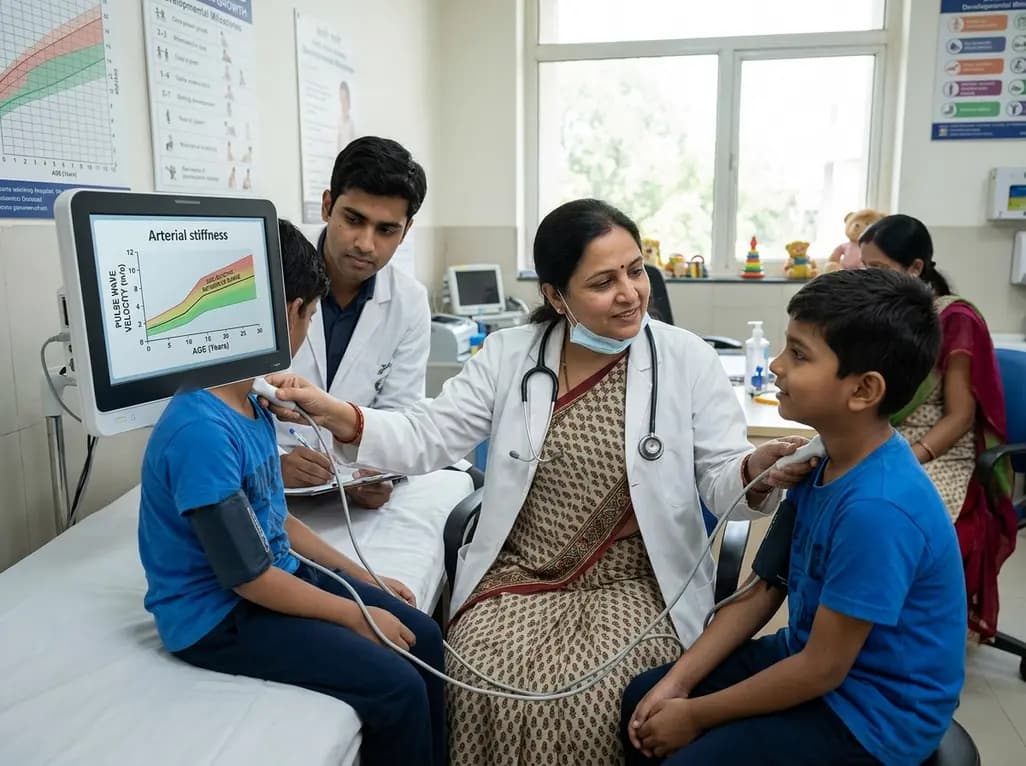
A landmark systematic review and meta-analysis establishes age-specific normative reference values for pediatric pulse wave velocity, revealing a nonlinear trajectory of arterial stiffness from early childhood through adolescence.
Today

New biomechanical research reveals how postural stabilization mechanisms coordinate delayed sensory feedback and ground reaction forces to preserve pendulum-like center of mass motion across standing and walking, providing vital insights for balance rehabilitation and fall prevention.
Today

A landmark cross-sectional study in Asian adults with type 2 diabetes identifies novel urinary metabolites linked to mild cognitive impairment. Elevated urinary sucrose and altered metabolites highlight non-invasive pathways for early cognitive risk stratification and targeted metabolic management.
Today
