.webp&w=384&q=75)

Loading, please wait...
Loading, please wait...
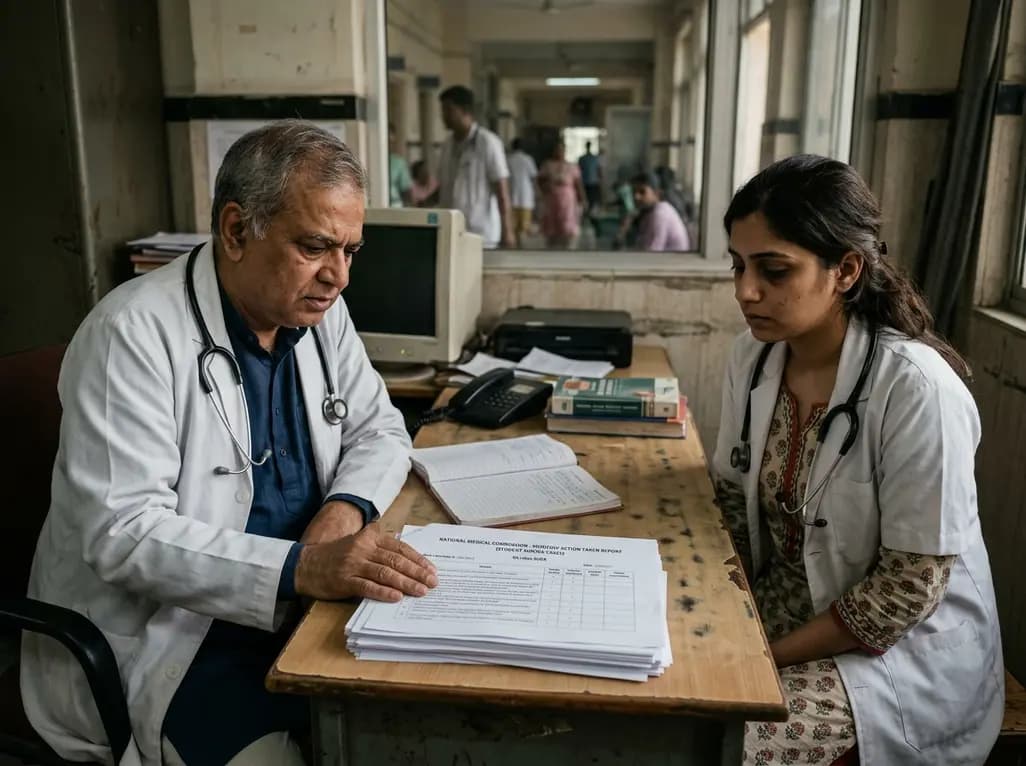
The National Medical Commission has recently introduced stringent institutional directives to safeguard medical trainees across India. Under the newly established NMC student suicide reporting framework, all medical institutions nationwide must submit certified monthly Action Taken Reports documenting every instance of student suicide or unnatural demise. This decisive regulatory intervention strictly enforces binding Supreme Court directives concerning student mental health and institutional accountability. Consequently, medical colleges must prioritize student safety, transparent documentation, and immediate structural reforms within their academic campuses.
The Supreme Court of India recently expressed profound concern over the rising incidence of student suicides across higher educational institutions. In response to these judicial observations, the National Medical Commission marked the compliance directive as most urgent. Institutional heads must now maintain comprehensive, transparent, and verifiable records regarding all critical campus events. Furthermore, every medical college must forward its certified Action Taken Report to the designated regulatory authority by the final day of each month without exception.
Historically, the absence of systematic reporting hindered regulatory bodies from appreciating the full scope of student distress in medical education. Data from the National Crime Records Bureau reveals that student suicides have escalated substantially across the country over the last decade. In 2024 alone, 14,488 student suicides occurred in India, representing a 4.3 percent rise from 13,892 cases in 2023. Over the decade spanning 2015 to 2024, more than 1.15 lakh students died by suicide.
Therefore, centralized regulatory scrutiny is essential to curb this distressing trend and identify systemic vulnerabilities. The National Medical Commission will consolidate all monthly submissions to monitor nationwide compliance and brief the Union Ministry of Education. Consequently, medical colleges face unprecedented institutional accountability, ensuring that student welfare remains a top administrative priority.
Under the newly mandated reporting protocols, medical institutions must submit exhaustive details whenever an unnatural death or suicide occurs on campus. Specifically, the institution must document the affected student's enrolled course, current academic year, the exact date of the occurrence, and the specific location. In addition, college authorities must record precise information regarding police notification, the formal registration status of the First Information Report, and findings from internal inquiries.
Moreover, the Action Taken Report must explicitly state the corrective measures and systemic changes implemented by the administration following each incident. Regulators have made it clear that institutions cannot rely on superficial internal reviews to bypass standard legal procedures. Therefore, prompt police notification and full cooperation with statutory investigators remain mandatory legal duties. Medical colleges must also report student fatalities annually to the University Grants Commission and other relevant regulatory councils.
In addition to transparent retrospective reporting, colleges must maintain immediate emergency infrastructure on campus. The compliance framework requires institutions to provide 24x7 access to qualified medical and psychiatric assistance either directly within the campus or within a one-kilometer radius. Consequently, students facing acute psychological crises can receive immediate professional care without unnecessary administrative delays.
Persistent shortages of teaching and administrative staff frequently exacerbate workload pressures and compromise the quality of medical training. Recognizing this critical issue, the National Medical Commission instructed all medical colleges to eliminate existing vacancies within a strict four-month window. Institutions must submit comprehensive, department-wise records detailing sanctioned positions, currently filled roles, and vacant posts across all academic disciplines.
Furthermore, medical colleges must execute dedicated recruitment drives to fill reserved category vacancies that have remained vacant for extended durations. Institutions must promptly fill vital leadership and support positions, including deans, directors, medical superintendents, registrars, hostel wardens, and full-time professional counselors. The regulatory format also requires administrations to explain historical hiring bottlenecks and provide concrete roadmaps for completing upcoming appointments.
Additionally, the regulatory directive orders institutions to eliminate all backlogs in student scholarship disbursements within four months. Financial precarity and delayed stipends often impose immense psychological stress on undergraduate students and resident doctors alike. If an institution cannot resolve stipend arrears within the designated timeframe, it must issue an official explanation within two months. Ultimately, filling faculty vacancies and securing student finances create a supportive, stable training environment.
Faculty members occupy an indispensable position on campus to identify early signs of psychological distress among medical trainees. Within the framework of NMC student suicide reporting, academic educators serve as frontline gatekeepers who interact daily with students. Consequently, observant faculty members can quickly detect subtle warning signs, including chronic absenteeism, falling grades, social withdrawal, emotional blunting, and noticeable behavioral changes.
However, regulatory guidelines explicitly instruct faculty members to avoid acting as formal psychotherapists or licensed clinical psychologists. Instead, their primary responsibility involves approaching distressed students with empathy, listening without judgment, and asking direct questions regarding suicidal thoughts. Once a teacher identifies a student at risk, they must facilitate a safe, rapid referral to qualified mental health professionals and ensure continuous follow-up support.
Moreover, medical colleges must cultivate an educational climate where seeking psychiatric help carries no academic stigma or professional penalty. When departmental leadership establishes confidential and compassionate channels of communication, struggling students feel empowered to request help earlier. Therefore, comprehensive gatekeeper training enables medical teachers to bridge the critical gap between vulnerable trainees and life-saving professional interventions.
Psychiatric experts consistently emphasize that suicide is rarely caused by a single isolated event or immediate academic trigger. Instead, medical trainees often face a complex web of interrelated pressures that gradually overwhelm their coping mechanisms. Factors such as intense academic competition, fear of examination failure, grueling clinical shifts, and chronic sleep deprivation collectively generate severe psychological strain.
Furthermore, negative social experiences, including ragging, workplace harassment, hierarchical bullying, and cultural discrimination, drastically amplify vulnerability among young doctors. First-year undergraduate students frequently struggle with severe loneliness and homesickness after moving away from their families. Similarly, postgraduate residents routinely endure prolonged working hours that leave little time for personal recovery, rest, or family engagement. Consequently, suicide prevention strategies must address both academic and social determinants of distress.
Therefore, medical institutions must build proactive support systems that actively reduce structural stress across all training stages. Administrators must strictly enforce zero-tolerance anti-harassment regulations, optimize resident duty rotas, and foster inclusive peer support networks. In addition, medical colleges must establish accessible campus wellness centers to normalize discussions around mental health and emotional well-being.
Q1: What specific information must medical colleges submit in their monthly Action Taken Report?
Medical colleges must submit comprehensive documentation for every suicide or unnatural death occurring on campus. The Action Taken Report must record the student's academic course, year of study, date and location of the event, police notification details, FIR registration status, internal inquiry findings, and corrective measures implemented to prevent future tragedies.
Q2: What deadlines and requirements has the NMC established for filling institutional vacancies?
The National Medical Commission has mandated that all medical colleges fill vacant faculty, non-teaching, and key administrative positions within four months. This directive applies to deans, superintendents, registrars, wardens, and counselors. Furthermore, colleges must conduct special recruitment drives for reserved posts and clear all pending student scholarship backlogs within the same four-month timeframe.
Q3: How should medical college faculty function as gatekeepers for student mental health?
Faculty members act as observant gatekeepers by identifying early indicators of psychological distress, such as declining academic performance, chronic absenteeism, and social withdrawal. Although faculty do not provide clinical therapy, they are trained to approach distressed students empathetically, ask directly about suicidal thoughts, facilitate referrals to mental health professionals, and maintain supportive follow-up.
Disclaimer: This content is for informational and educational purposes only. It does not constitute medical advice or replace professional judgment. Refer to the latest local and national guidelines for clinical practice.
References

Read summarized clinical updates, watch expert medical content, and earn CME certifications right from your smartphone.
Open your smartphone camera to scan and install.





The National Medical Commission has directed all medical institutions to submit monthly Action Taken Reports on student suicides, fill key faculty posts within four months, and establish round-the-clock medical assistance to protect trainee mental health.
last month

A Bayesian multilevel meta-analysis reveals that aerobic training combined with moderate carbohydrate restriction modestly lowers HbA1c in type 2 diabetes. However, sparse data and very low certainty leave incremental benefits over exercise or diet alone unproven, highlighting the need for individualized care.
Today

Findings from Project Viva indicate that sustained postpartum weight retention, rather than excessive gestational weight gain alone, directly worsens women's mid-life cardiovascular health, degrading blood pressure and glycemic parameters decades after delivery.
Today
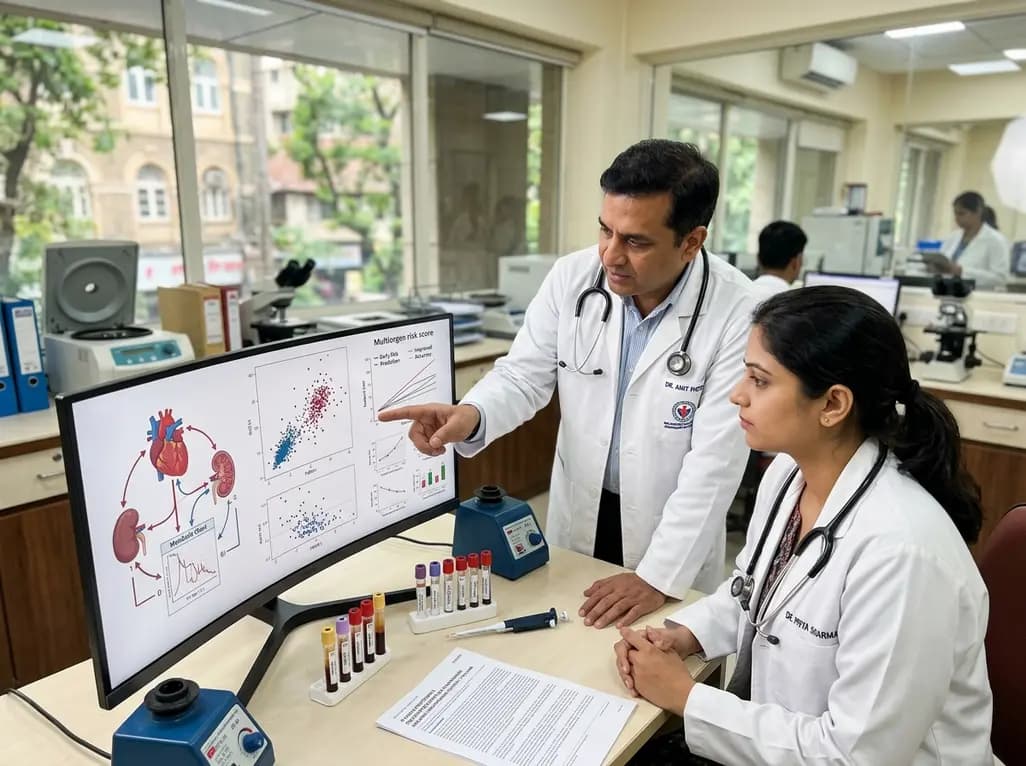
A large UK Biobank study reveals that plasma proteomic signatures capture preclinical organ damage and improve multiorgan risk prediction across early CKM syndrome stages 0 to 2 beyond traditional PREVENT clinical models.
Today
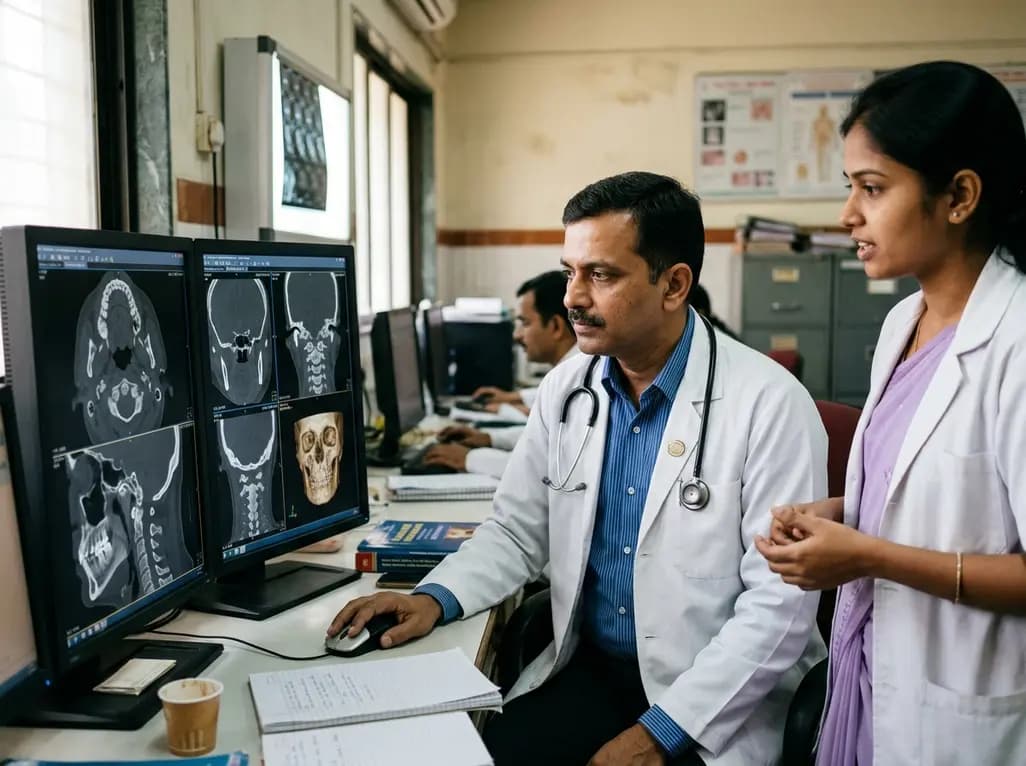
A retrospective CBCT study reveals that superior TMJ space asymmetry correlates moderately with occipital condyle-atlas-axis asymmetry in unilateral TMJ osteoarthritis, highlighting an imaging correlate between jaw biomechanics and upper cervical alignment rather than a standalone diagnostic marker.
Today
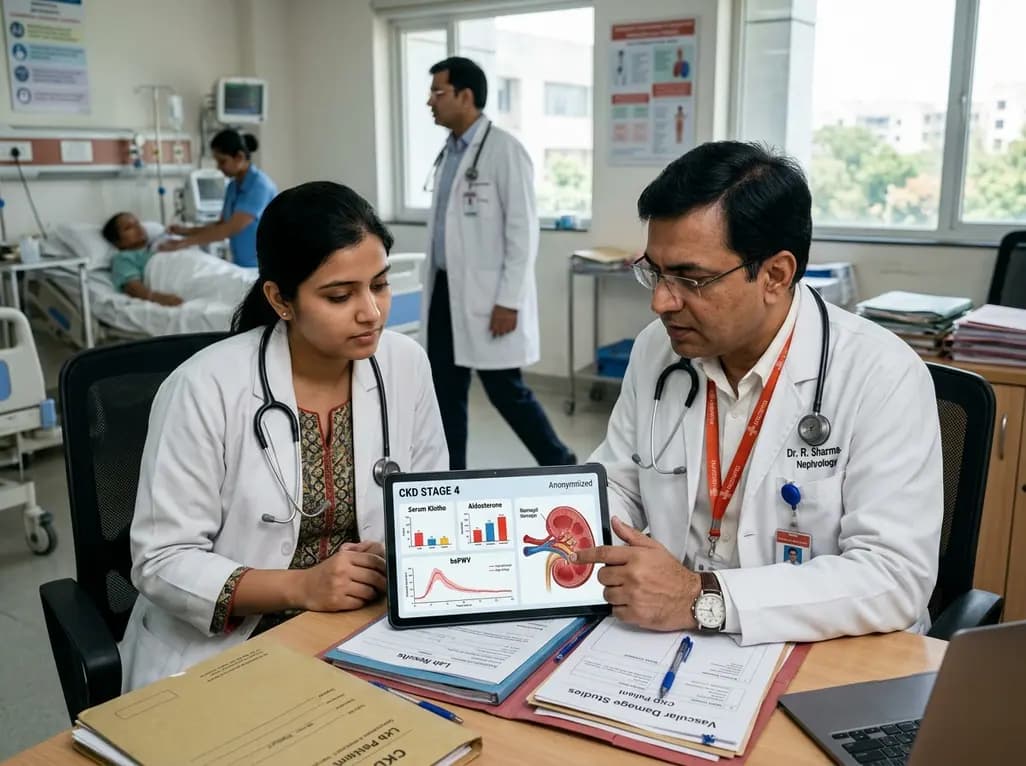
A cross-sectional investigation highlights the complex pathophysiological links between serum Klotho deficiency, secondary hyperaldosteronism, and vascular damage in CKD. Discover key insights into non-invasive vascular stiffness markers and targeted therapeutic pathways for cardiorenal protection.
Today
