

Loading, please wait...
Loading, please wait...
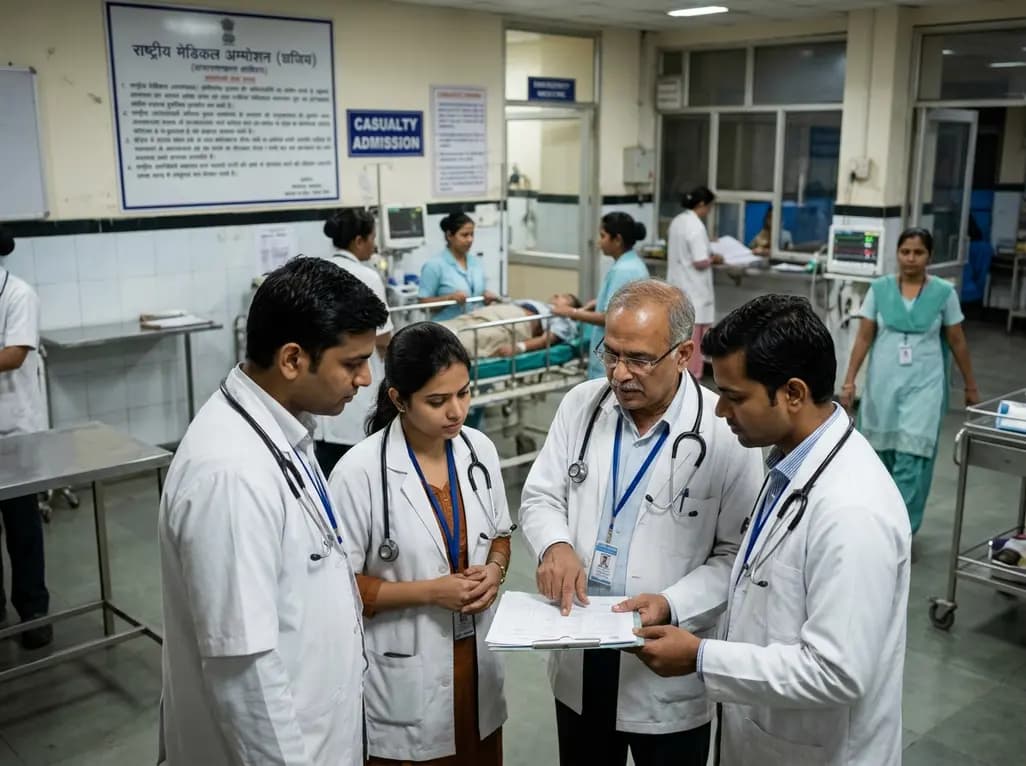
The National Medical Commission has recently directed all government medical colleges and attached hospitals across India to onboard the PM-RAHAT scheme. This crucial regulatory mandate aims to ensure seamless, cashless medical care for road accident victims during the critical golden hour. Consequently, tertiary healthcare facilities must immediately prioritize institutional participation. Severe road accidents represent a persistent public health emergency across Indian highways and urban corridors. Therefore, removing immediate out-of-pocket financial barriers at the point of clinical triage will substantially reduce preventable mortality.
The National Medical Commission issued a formal public advisory instructing deans, directors, and medical superintendents to expedite onboarding. This urgent directive follows an explicit request from the Union Health Ministry’s Trauma and Burn Cell. Specifically, health authorities aim to widen the active network of tertiary trauma centers capable of immediate clinical response. Central authorities initially launched the Prime Minister’s Road Accident Victims’ Hospitalisation and Assured Treatment initiative to operationalize statutory provisions under the Motor Vehicles Act.
Historically, complex admission formalities and financial ambiguity frequently delayed critical trauma resuscitation. In response, this national initiative establishes clear legal and administrative protocols that mandate unconditional care. Furthermore, government medical institutions serve as the vital backbone of regional trauma care. Their prompt participation ensures comprehensive geographic coverage across accident-prone corridors. State health departments must now align their administrative workflows with national requirements. As a result, participating medical colleges will establish standardized intake desks to register incoming trauma patients without administrative friction. Additionally, institutional administrators must appoint dedicated nodal officers to monitor compliance, oversee daily admissions, and maintain continuous communication with regional road safety and transport authorities.
Under this national initiative, each road accident victim is entitled to cashless treatment up to 1.5 lakh rupees. This coverage extends for a maximum duration of seven days following the traumatic incident. Crucially, the policy applies to vehicular trauma occurring on any road category, including national highways, state routes, and municipal streets. Emergency medicine clinicians recognize the golden hour as the most decisive therapeutic window. During this initial sixty-minute interval, rapid resuscitation prevents irreversible hemorrhagic shock and profound secondary brain insults.
Financial uncertainty often impedes rapid medical decision-making during severe trauma resuscitation. Fortunately, the cashless framework eliminates immediate payment requests from distress-stricken relatives or good Samaritans. Clinical teams can promptly initiate advanced diagnostic scans, urgent blood transfusions, and emergent operative interventions. Moreover, the policy guarantees financial reimbursement directly to treating hospitals from the designated Motor Vehicle Accident Fund. Thus, emergency physicians can focus entirely on evidence-based trauma care without administrative distractions. Consequently, healthcare providers can perform critical life-saving procedures without awaiting family guarantees or deposit confirmations. Ultimately, swift clinical action preserves organ perfusion, limits ischemic injury, and dramatically improves patient survival rates across diverse demographics.
The National Health Authority outlines a structured dual-tier framework for healthcare facilities participating in the initiative. Institutions with comprehensive trauma capabilities qualify as designated hospitals. These centers must maintain twenty-four-hour emergency departments, advanced intensive care units, emergency operating suites, blood storage reserves, and imaging infrastructure. Government medical college hospitals inherently meet these stringent criteria and naturally function as primary designated facilities. Consequently, they possess the required surgical, neurosurgical, and orthopedic expertise to manage complex polytrauma cases effectively.
In contrast, peripheral and secondary facilities qualify as PM-RAHAT Lite centers. These peripheral units focus primarily on primary resuscitation, airway stabilization, and hemorrhagic control before arranging secure transit. When non-designated facilities receive unstable accident victims, they must deliver immediate stabilization care up to forty-eight hours for life-threatening conditions. Subsequently, clinicians coordinate patient transfer to a tertiary designated facility using well-equipped ambulances. Therefore, this stratified model guarantees continuous medical oversight across every level of the health system. In addition, hospitals already empanelled under Ayushman Bharat PM-JAY gain expedited designation, which accelerates nationwide implementation significantly.
Seamless intersectoral coordination forms the foundation of this nationwide trauma response architecture. To achieve rapid processing, authorities integrated the Transaction Management System with the Electronic Detailed Accident Report portal. When an accident victim arrives, hospital administrative staff instantly register the admission on this secure digital portal. Simultaneously, local police stations receive automated notifications to verify the road incident electronically. Because the digital system operates in real time, verification proceeds without delaying clinical interventions or bed assignments.
Furthermore, the technology ecosystem connects seamlessly with the national Emergency Response Support System via the 112 helpline. Bystanders, paramedics, and first responders can contact 112 to identify nearby designated medical centers immediately. Afterward, emergency dispatchers guide ambulances to the most appropriate facility based on patient severity. Meanwhile, the General Insurance Council maintains an integrated verification portal to streamline claims settlement for insured vehicles. Hence, this automated data exchange eliminates cumbersome paperwork, curbs fraudulent reporting, and ensures prompt disbursement of funds. Medical administrators benefit from transparent reimbursement timelines that safeguard institutional operational budgets and protect hospital resources.
Government medical colleges occupy a strategic position within the Indian healthcare delivery framework. By mandating their integration, the National Medical Commission establishes reliable regional trauma networks in every state. These tertiary academic centers train future surgeons, anesthesiologists, and emergency physicians in advanced trauma life support protocols. Therefore, treating high volumes of accident victims under a structured cashless model elevates clinical training while saving lives. Standardized trauma registries will also generate robust epidemiological data for clinical research and road safety auditing.
However, successful execution requires institutional leadership to upgrade emergency department triage workflows. Medical superintendents must ensure adequate stockpiles of emergency pharmaceuticals, blood components, and surgical disposables. Additionally, academic institutions should establish rapid-response multi-specialty trauma teams involving general surgery, orthopedic surgery, and neurosurgery specialists. Such interdisciplinary collaboration minimizes preventable diagnostic delays during critical resuscitation windows. Ultimately, the integration of academic centers into this national scheme strengthens institutional resilience and builds a sustainable trauma care ecosystem. Consequently, communities gain reliable, round-the-clock access to sophisticated emergency interventions during sudden life-threatening crises.
Q1: What medical coverage does the PM-RAHAT scheme provide to road accident victims?
Under the scheme, eligible road accident victims receive cashless medical treatment up to 1.5 lakh rupees for a maximum duration of seven days from the accident date. This financial support covers immediate resuscitation, diagnostic investigations, intensive care stabilization, and necessary surgical interventions. Furthermore, the provision applies to all motor vehicle accidents across public roads, guaranteeing timely life-saving care without demanding advance financial deposits from patients or families.
Q2: How does the scheme differentiate between designated and Lite hospitals?
The scheme categorizes healthcare facilities into two functional tiers based on clinical infrastructure. Designated hospitals possess comprehensive capabilities, including twenty-four-hour emergency departments, operating suites, intensive care units, and blood storage for managing polytrauma. Conversely, PM-RAHAT Lite facilities provide essential initial stabilization and resuscitation when comprehensive services are unavailable. Consequently, these Lite centers stabilize vital signs promptly before coordinating patient transfer to higher-level designated institutions through integrated ambulance systems.
Q3: What immediate steps must medical colleges take to onboard under PM-RAHAT?
Institutional leadership, including deans and medical superintendents, must prioritize digital registration through the National Health Authority platform. Hospitals already empanelled under Ayushman Bharat PM-JAY qualify directly for designated status. In addition, institutions must integrate their admission protocols with the Transaction Management System and train emergency triage personnel. Medical centers must also verify that trauma operating rooms, diagnostics, and blood bank logistics operate seamlessly around the clock to meet compliance benchmarks.
Disclaimer: This content is for informational and educational purposes only. It does not constitute medical advice or replace professional judgment. Refer to the latest local and national guidelines for clinical practice.
References

Read summarized clinical updates, watch expert medical content, and earn CME certifications right from your smartphone.
Open your smartphone camera to scan and install.





The National Medical Commission has directed all government medical colleges and attached hospitals to integrate into the PM-RAHAT framework. This initiative guarantees road accident victims immediate cashless trauma management up to 1.5 lakh rupees within the golden hour, streamlining critical emergency care.
Today

A qualitative evaluation of the novel Weight History Interview highlights how capturing weight suppression informs eating disorder assessment while addressing patient emotional acceptability in clinical practice.
Today
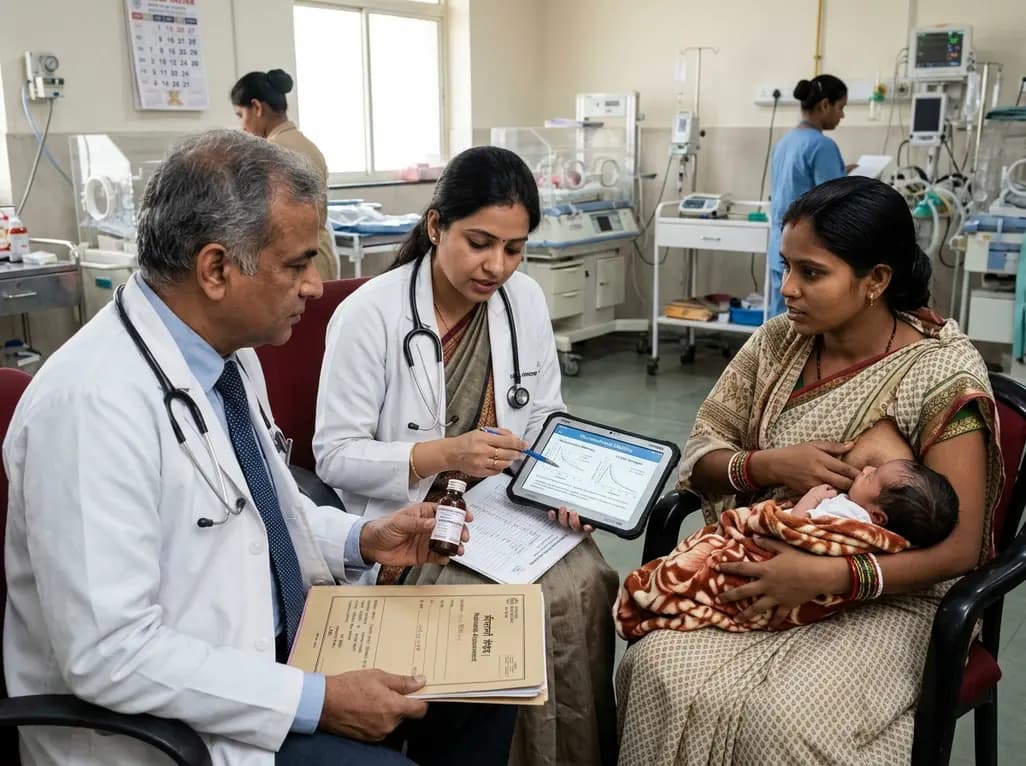
Maternal codeine therapy during breastfeeding sparks debate regarding neonatal opioid toxicity. This review re-evaluates the Toronto case, explores PBPK modeling, and highlights how maternal and neonatal pharmacogenomics converge to inform safer postpartum pain management.
Today
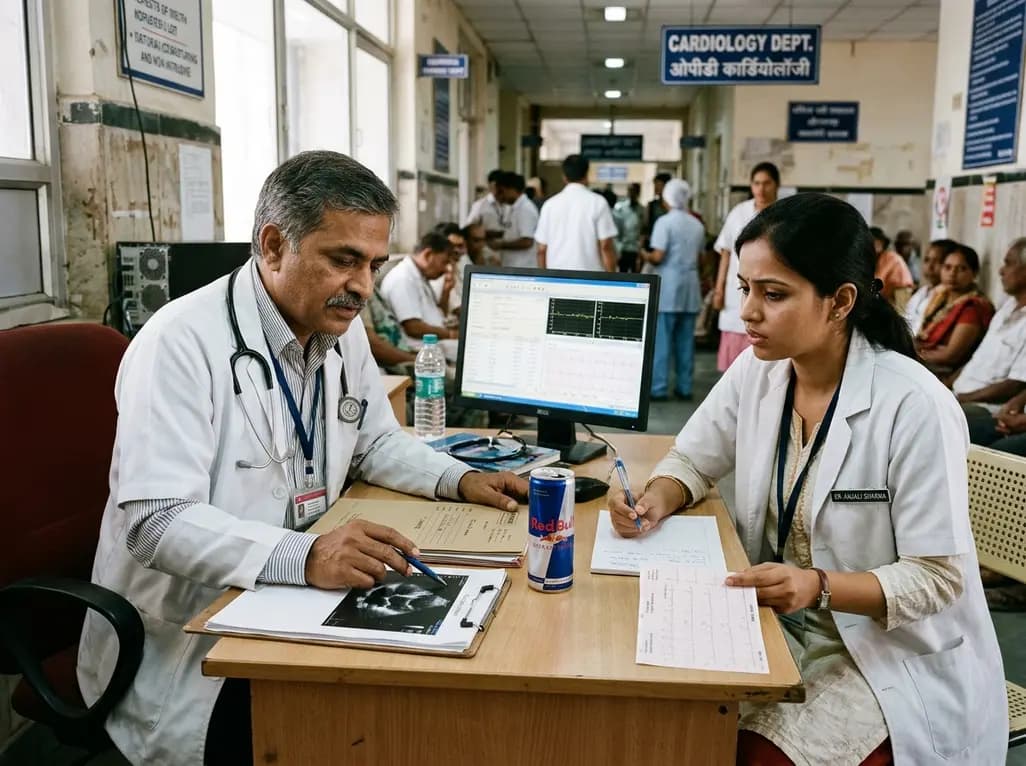
The Food Safety and Standards Authority of India has challenged Red Bull over its marketing claims, demanding scientific evidence for the term energy drink. With products packing massive amounts of caffeine and added sugar, clinicians must recognize the critical cardiovascular and metabolic implications for young patients.
Today

A 491-patient cohort study in Sudan reveals critical insights into war trauma reconstructive surgery, analyzing injury patterns, soft-tissue procedures, and a 25.5% complication rate in resource-limited conflict zones.
Today
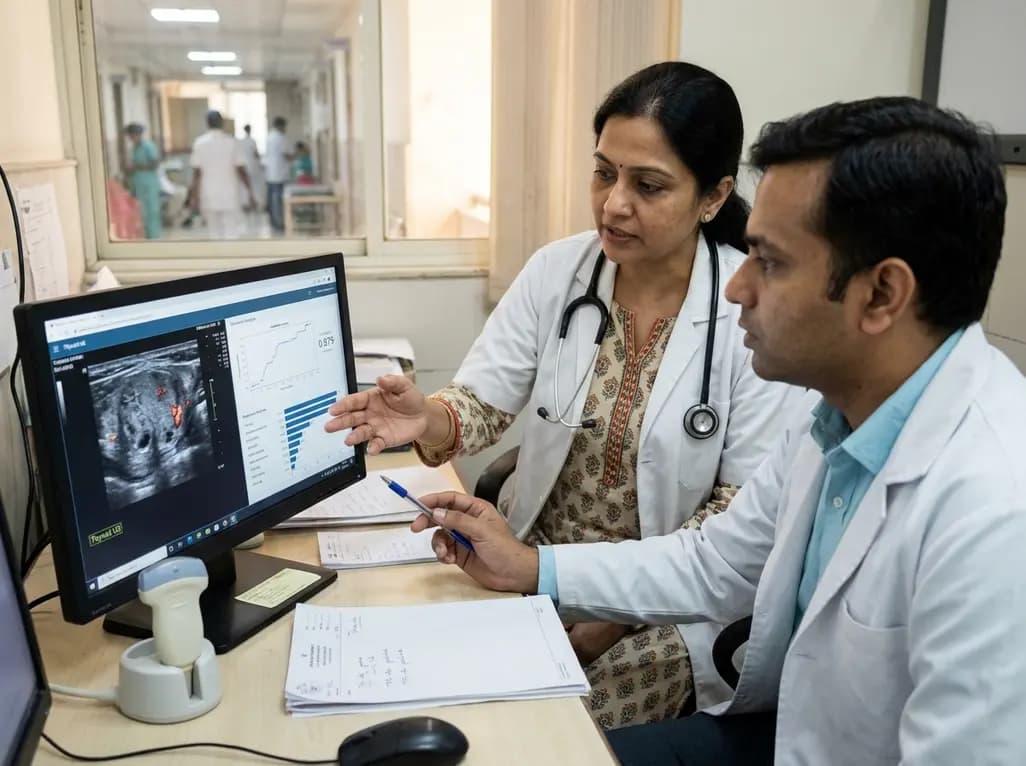
A multi-modal machine learning model integrating ultrasound radiomics, tumor morphology, TPO-Ab, and BRAF V600E accurately predicts lymph node metastasis in papillary thyroid carcinoma with concurrent Hashimoto's thyroiditis, achieving 0.879 accuracy.
Today
