

Loading, please wait...
Loading, please wait...
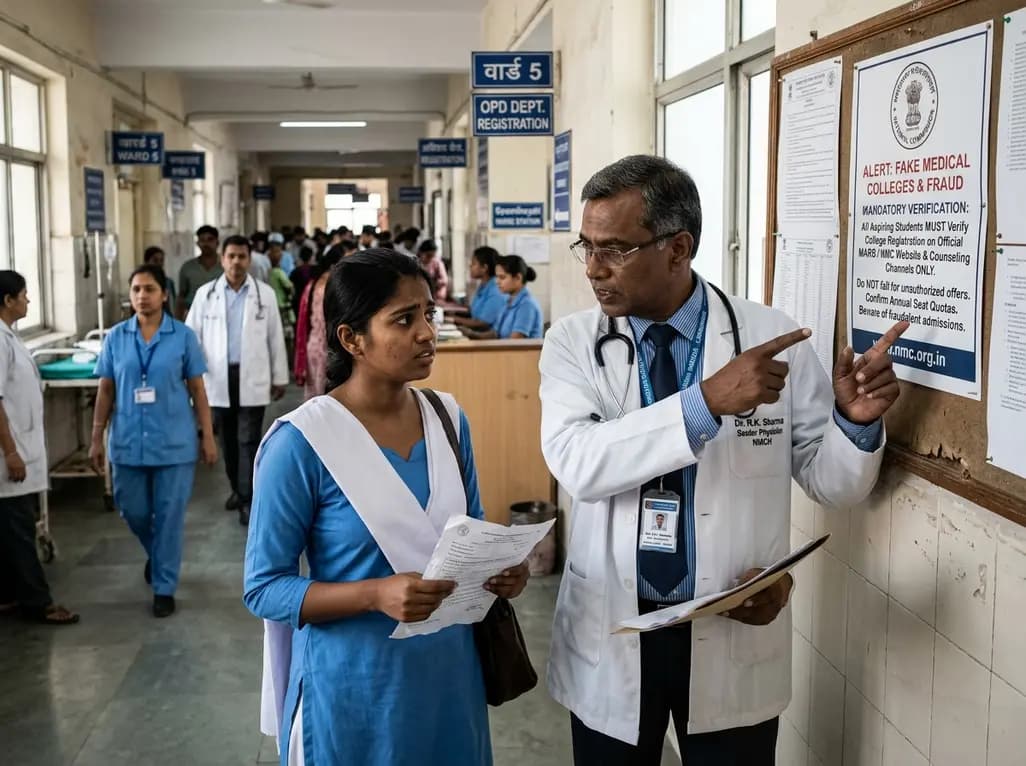
The National Medical Commission has issued an urgent nationwide warning against fraudulent medical institutions, bogus seat allotments, and forged regulatory permissions. Aspiring candidates often fall victim to predatory operations that advertise unapproved undergraduate medical programs across the country. Consequently, the medical regulator has reiterated that deceptive advertisements, fraudulent websites, and counterfeit approval letters endanger prospective doctors and compromise educational standards. The commission firmly cautions that unchecked admissions in fake medical colleges jeopardize professional careers and undermine statutory healthcare regulations.
Recent judicial scrutiny significantly accelerated the release of this critical advisory. Specifically, the Supreme Court of India intervened during proceedings in the case of Ayesha Jain versus Amity University, Noida and Others. The apex court directed key regulatory agencies, including the medical commission, to shield the public from predatory educational organizations. This decisive judicial action followed alarming discoveries involving an unaccredited institution that operated out of a rural farmhouse in Uttar Pradesh. Therefore, the statutory body must aggressively dismantle illicit educational networks before vulnerable students deposit non-refundable payments.
Moreover, the judicial bench stressed that medical practice requires stringent educational supervision and authentic clinical training. Rogue operators frequently exploit aspirational candidates through polished digital campaigns and fraudulent promises of clinical rotations. In addition, these deceitful operators often forge administrative seals to simulate official legitimacy. As a result, regulatory authorities must continually publish transparent institutional registries. Consequently, judicial bodies and administrative councils now demand total transparency across every stage of the medical admission cycle.
The commission highlighted a crucial distinction regarding regulatory compliance that candidates frequently misunderstand. Crucially, an institution listed in past regulatory directories does not automatically retain statutory approval for subsequent academic sessions. Medical colleges must obtain specific, recurring authorizations each academic cycle from the Medical Assessment and Rating Board. Therefore, previous operational history offers zero guarantee of current legal standing. Parents must recognize that historical compliance never replaces valid annual operational renewals.
Furthermore, institutions frequently face seat reductions or admission freezes whenever annual inspections expose infrastructure deficiencies or faculty shortages. When an institution conceals these regulatory sanctions, unsuspecting applicants risk enrolling in derecognized programs. Hence, candidates must independently verify the exact approved seat matrix before attending administrative seat counseling. Statutory authorities regularly update seat allocations on their official portals. Thus, relying on archival records without real-time verification creates substantial financial and legal jeopardy for student cohorts.
Modern syndicated networks operating fake medical colleges deploy sophisticated tactics to deceive unsuspecting families. For instance, these entities circulate counterfeit Letters of Permission, forged affiliation certificates, and falsified ministry notifications. Additionally, deceptive administrative representatives frequently fabricate elaborate prospectuses and promotional videos highlighting nonexistent clinical teaching hospitals. However, the commission firmly clarifies that independent architectural structures or elaborate websites do not establish legitimate statutory standing.
Similarly, some unauthorized entities obtain generic university affiliations or non-clinical society registrations to create a facade of legality. Consequently, administrative representatives dishonestly portray these ancillary accreditations as comprehensive MBBS sanction letters. The regulatory council emphasizes that only its statutory boards possess the legal power to license undergraduate medical training. Therefore, prospective applicants must disregard promotional literature circulated by intermediaries. Ultimately, official portal confirmation remains the sole dependable metric for determining genuine institutional authorization.
Legitimate medical admissions in India occur strictly through centralized, transparent counseling procedures. Accordingly, all authentic MBBS allotments proceed via the Medical Counselling Committee or designated state government admission committees. The statutory council explicitly warns that individual colleges cannot execute independent, off-counseling admissions. Consequently, direct institutional seat sales or unauthorized management quotas operate outside statutory protections and invite legal annulment.
Furthermore, the advisory warns stakeholders against making payments to personal accounts, consulting firms, or unverified brokers. Deceitful facilitators routinely solicit advance processing fees under false guarantees of institutional discretion. Therefore, candidates should execute fee payments exclusively through verified counseling channels and authentic institutional accounts. In addition, prospective trainees must cross-reference payment demands against established state fee structures. Rejecting informal financial intermediaries protects students from devastating monetary exploitation and preserves merit-based admission integrity.
Coordinated vigilance across the medical fraternity provides an effective bulwark against deceptive educational syndicates. Established medical professionals and student candidates should promptly notify authorities whenever fraudulent admission campaigns appear. Specifically, stakeholders can submit formal grievances to the statutory council, state medical education directorates, or local law enforcement agencies. Consequently, rapid collective reporting enables administrative bodies to issue public blacklists and initiate decisive criminal investigations.
Moreover, medical practitioners frequently mentor junior aspirants and community members navigating grueling pre-medical examinations. By disseminating awareness regarding legitimate verification protocols, senior physicians preserve professional standards and prevent familial hardship. Additionally, professional medical bodies actively support transparent educational practices across secondary and tertiary training centers. Thus, collaborative scrutiny by experienced practitioners reinforces public trust in statutory medical education across the entire nation.
Q1: How can an applicant confirm that a medical college holds valid approval for the current year?
Candidates must directly access the official portal of the statutory commission to inspect records published by the Medical Assessment and Rating Board. Never rely on marketing brochures, institutional portals, or intermediary claims. Applicants must independently confirm the specific academic year approval and sanctioned student intake quota before accepting admission offers.
Q2: Does prior recognition guarantee that an institution can admit students this academic session?
No, historical inclusion on statutory lists does not confer continuous authority to enroll fresh student batches. Each institution must secure explicit operational renewal for the current academic session. Regulatory inspections occasionally reduce seat capacity or ban admissions due to compliance lapses, making annual verification essential for all candidates.
Q3: What actions should candidates take if an agent demands direct fees for an MBBS seat?
Candidates must immediately refuse payment and report the individual to official regulatory bodies and cybercrime authorities. Direct institutional admissions outside verified Medical Counselling Committee or state counseling procedures violate statutory regulations. Making private payments to third-party accounts risks complete financial loss and inevitable disqualification from medical registration.
Disclaimer: This content is for informational and educational purposes only. It does not constitute medical advice or replace professional judgment. Refer to the latest local and national guidelines for clinical practice.
References

Read summarized clinical updates, watch expert medical content, and earn CME certifications right from your smartphone.
Open your smartphone camera to scan and install.





The National Medical Commission has alerted students and medical educators against fraudulent medical institutions and deceptive admission claims. Following Supreme Court directives, the NMC emphasized mandatory verification via official MARB records, official counseling channels, and recognized annual seat quotas.
Today

CT-derived volumetric bone mineral density centile curves offer an accurate method for opportunistic osteoporosis screening. This approach identifies high-risk patients who missed routine DXA scans and reliably predicts major osteoporotic fractures, addressing significant diagnostic gaps in clinical practice.
Today

Assam reduced maternal sepsis deaths from 21% to 8% through rigorous infection prevention protocols and digital monitoring. Explore the clinical strategies, sterilization quality checks, early recognition pathways, and antimicrobial stewardship lessons essential for obstetric teams across India.
Today

At the Cardiological Society of India Kerala conference, specialists called for a calibrated review of DGHS curbs on reusing single-use items. Regulated reprocessing of catheters and guidewires could bridge the gap between rising cardiac intervention costs and government health insurance reimbursement limits.
Today
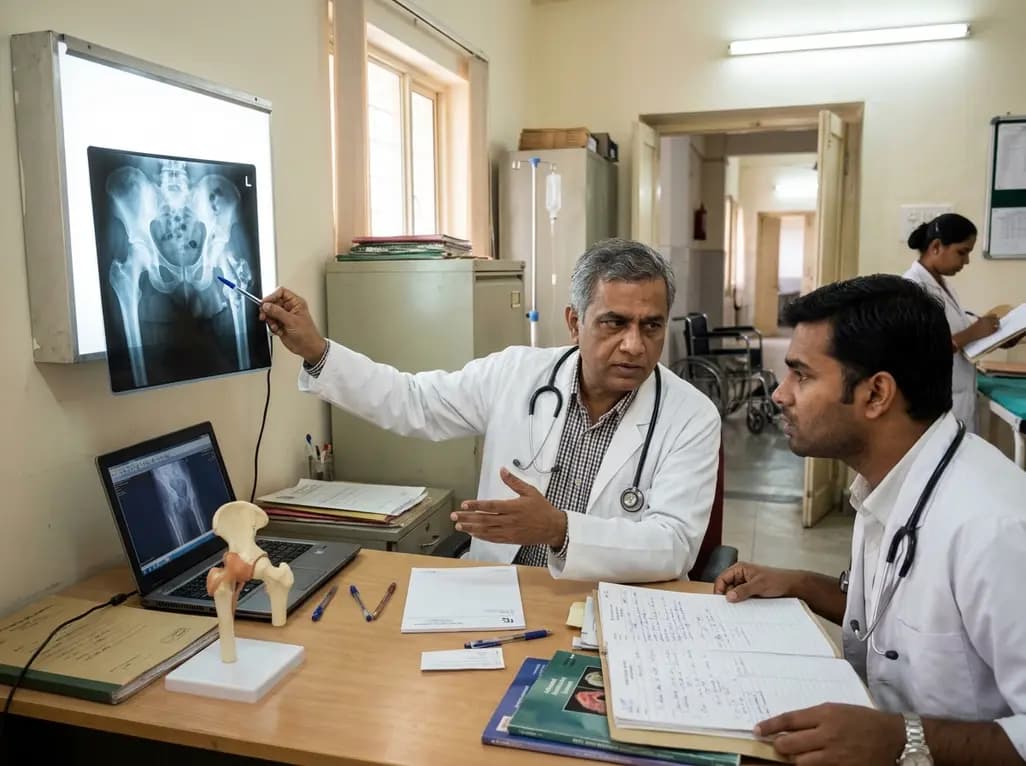
A nationwide real-world cohort study reveals that sequential antiresorptive therapy following teriparatide reduces hip fracture risk by over 50%. Immediate initiation within 90 days and high treatment adherence are critical to preserve skeletal gains in severe osteoporosis.
Today
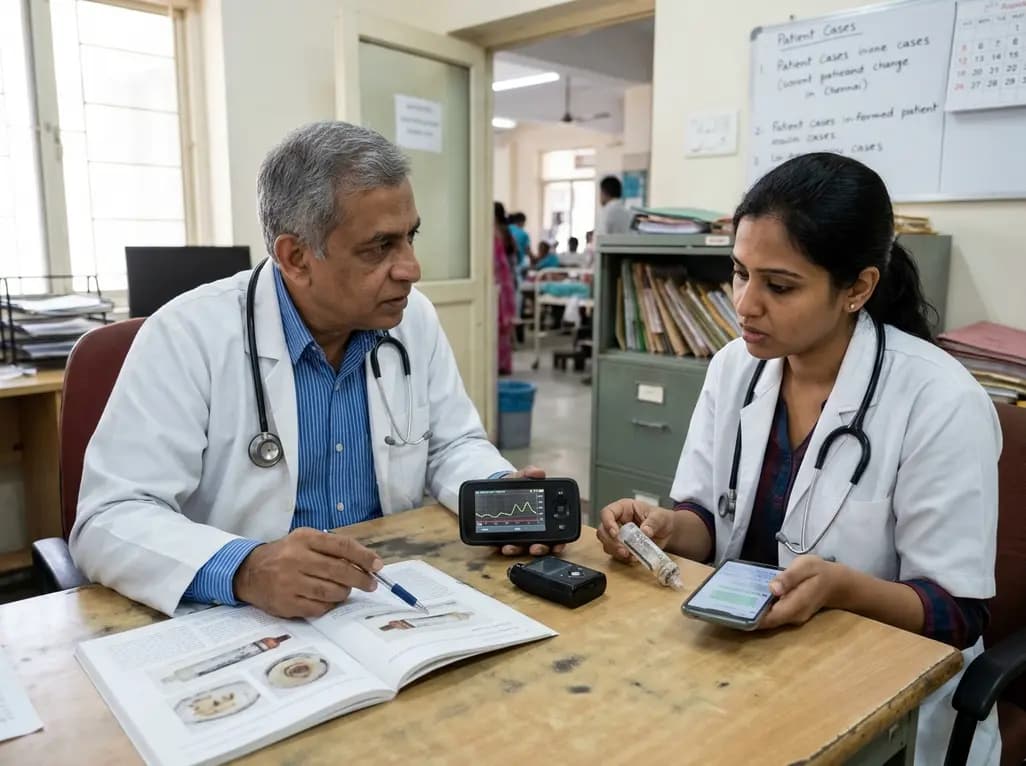
A case report details how reusing single-use insulin cartridges caused device failure and diabetic ketoacidosis in a type 1 diabetes patient using an advanced hybrid closed-loop system. The report highlights technological blindspots, mechanical degradation, and safety protocols during supply shortages.
Today
