

Loading, please wait...
Loading, please wait...
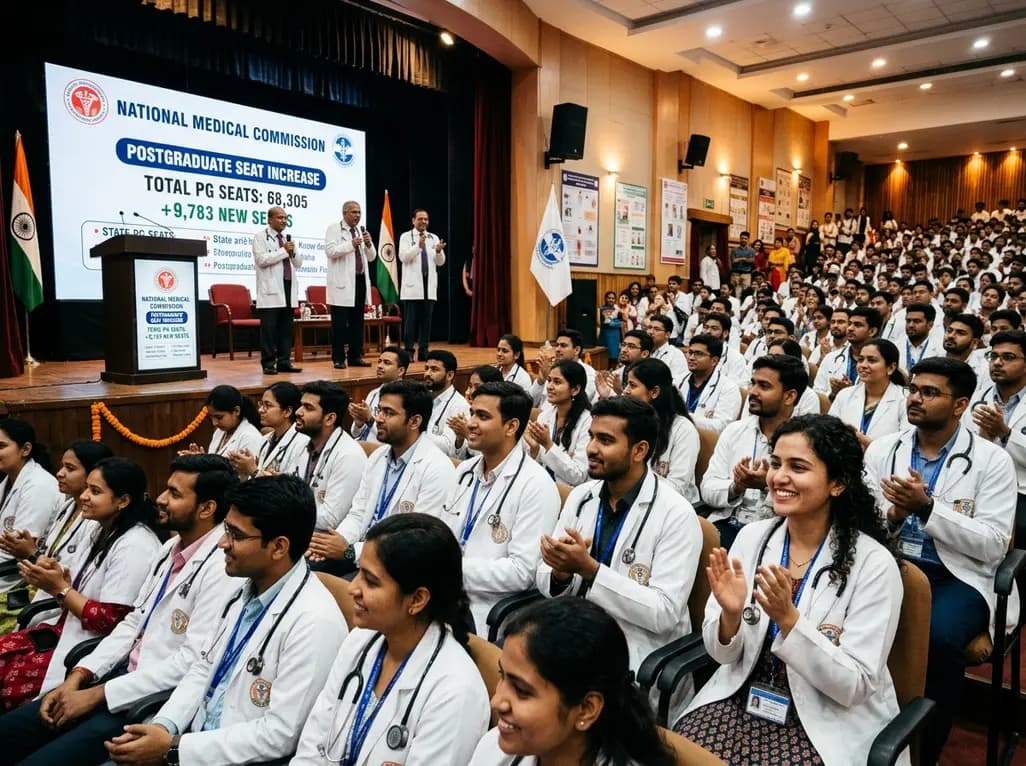
The National Medical Commission has approved an unprecedented expansion in postgraduate medical education. Specifically, regulatory authorities sanctioned 9,783 new seats for 2026-27. This revision elevates total PG medical seats in India to 68,305, up from 58,522. Consequently, aspiring doctors gain substantial training opportunities nationwide. Furthermore, this initiative addresses specialist deficits.
The latest seat distribution reflects strategic allocation among diverse medical institutions across India. Notably, government medical colleges secured the largest share of this national expansion. Public teaching institutions received 4,373 additional postgraduate seats to strengthen affordable tertiary care. Meanwhile, private medical colleges gained 4,148 seats following rigorous inspection visits. Additionally, deemed universities secured 1,262 positions across diverse clinical departments. Dr. M.K. Ramesh, President of the Medical Assessment and Rating Board, confirmed these official figures. Therefore, this balanced distribution supports both public healthcare networks and established private institutions. Government colleges carry vital responsibilities because they treat vast volumes of underprivileged patients. Conversely, private and deemed universities deliver advanced medical technologies that broaden clinical exposure. Hence, simultaneous growth across these educational sectors ensures comprehensive bedside training for postgraduate trainees. Moreover, this transparent seat allocation prevents artificial administrative bottlenecks during state admissions. Consequently, medical colleges can optimize clinical infrastructure without compromising academic quality. Ultimately, this structural expansion provides reliable career pathways for thousands of meritorious Indian doctors. Furthermore, healthcare systems gain qualified professionals across essential surgical and medical branches. Thus, expanding postgraduate medical seats creates lasting resilience in regional healthcare systems.
The geographic distribution of postgraduate medical training highlights marked concentration across India. Currently, five states account for slightly more than half of the national postgraduate intake. Together, these five states encompass 34,899 approved seats, representing roughly 51% of national capacity. Specifically, Karnataka maintains the highest share, offering 8,998 approved seats for the academic year. Furthermore, Maharashtra secures second place with 7,682 seats across diverse public and private hospitals. Uttar Pradesh follows closely with 6,983 seats, demonstrating significant public investments in medical colleges. In addition, Tamil Nadu contributes 6,819 approved seats, reflecting extensive clinical teaching infrastructure. Meanwhile, Telangana accounts for 4,417 postgraduate seats to support Southern clinical demands. However, this heavy geographic concentration reveals ongoing disparities across other regions. For example, several central, eastern, and northeastern states face persistent specialist physician shortages. Therefore, regulatory authorities must incentivize healthcare capacity building in historically underserved states. Consequently, targeted future expansion in states like Bihar and Odisha will promote equitable specialist access nationwide. Ultimately, balanced geographic distribution remains essential to achieve comprehensive universal healthcare coverage across India. Thus, bridging these geographic gaps protects vulnerable patient communities in rural territories.
The Medical Assessment and Rating Board executed meticulous quality evaluations before granting final approvals. Consequently, medical colleges had to satisfy rigorous benchmarks regarding hospital infrastructure, clinical workload, and teaching staff. MARB inspectors reviewed average daily outpatient numbers, bed occupancy figures, and surgical procedure logs during on-site evaluations. Furthermore, the commission evaluated biometric attendance systems and Aadhaar verification data to eliminate ghost faculty practices. Dr. M.K. Ramesh emphasized that MARB insists upon uncompromising educational quality during seat expansions. Thus, medical institutions that displayed substandard teaching facilities or insufficient patient turnover did not receive approvals. Additionally, the commission mandated strict compliance with resident working hours and prompt stipend payments. Therefore, institutions must provide adequate resident accommodations, digital library resources, and advanced clinical laboratories. In particular, the board prioritized essential broad specialties including general medicine, pediatrics, and anesthesia. As a result, the updated national seat matrix reflects genuine institutional training capacity. Moreover, MARB warned colleges against admitting candidates beyond authorized capacities during upcoming admission cycles. Ultimately, strict regulatory vigilance protects clinical education standards and ensures patient safety nationwide. Hence, transparent oversight builds public confidence in specialized medical care.
Expanding postgraduate training capacity directly revitalizes secondary and tertiary healthcare delivery systems across India. Currently, public healthcare centers and district hospitals experience chronic deficits of specialist medical personnel. For example, rural community health centers face acute shortages of obstetricians, pediatricians, general surgeons, and anesthesiologists. Therefore, adding nearly ten thousand residency seats will steadily replenish depleted clinical teams nationwide. In addition, resident doctors provide essential frontline medical services in teaching hospitals during their three-year programs. Consequently, larger resident cohorts immediately relieve excessive patient-to-doctor ratios in busy government hospital wards. Furthermore, resident doctors manage intensive care units, emergency admissions, and diagnostic procedures under senior consultant guidance. As a result, public hospitals can provide complex surgeries and emergency interventions without prolonged patient waiting periods. Moreover, graduating specialists will eventually staff district residency postings and newly established medical institutions. Hence, this expansion establishes a sustainable cycle of clinical care, medical instruction, and community wellness. Ultimately, decentralized specialist availability shields rural populations from devastating medical debt and prolonged travel. In this manner, public health networks gain resilient capacity to handle complex epidemiological transitions. Thus, citizens access life-saving medical interventions much faster.
The sudden addition of 9,783 postgraduate seats significantly influences NEET-PG counseling dynamics and candidate strategy. In particular, this expanded seat volume creates greater admission opportunities for thousands of qualifying medical graduates. Cutoff closing ranks across competitive clinical disciplines will likely soften during All India and state counseling rounds. Consequently, candidates holding moderate ranks can realistically secure coveted disciplines such as general medicine, pediatrics, and surgery. However, aspirants must exercise meticulous diligence when evaluating recently approved programs during option entry. Specifically, candidates should assess department bed occupancy, patient case diversity, and faculty consistency at newer institutions. Furthermore, doctors must verify resident stipend policies, working hour rules, and hostel facilities before locking preferences. Additionally, candidates should avoid unauthorized admission promises because centralized counseling portals regulate seat allocations exclusively. In fact, the National Medical Commission strictly directs counseling authorities to use only the validated seat matrix. Therefore, candidates should cross-check college approvals directly on the official commission portal before finalizing admissions. Ultimately, thoughtful branch selection based on clinical interest yields a fulfilling and enduring medical career. Thus, thorough preparation ensures candidates maximize these expanded postgraduate opportunities.
Q1: What is the total number of PG medical seats approved in India for 2026-27?
The National Medical Commission approved 9,783 additional postgraduate medical seats for the 2026-27 academic session. Consequently, this increase elevates total national PG intake to 68,305 seats, up from 58,522. Government medical colleges received 4,373 new seats. Meanwhile, private institutions added 4,148 seats, and deemed universities secured 1,262 seats. This historic addition significantly improves specialist clinical training capacity across diverse healthcare institutions throughout the entire country.
Q2: Which Indian states hold the largest share of approved postgraduate medical seats?
Five Indian states account for 34,899 approved seats, representing approximately 51% of total national postgraduate capacity. Specifically, Karnataka leads the nation with 8,998 approved seats for 2026-27. Furthermore, Maharashtra holds second place with 7,682 seats, while Uttar Pradesh maintains 6,983 seats. In addition, Tamil Nadu accounts for 6,819 seats, and Telangana offers 4,417 seats. However, authorities actively expand infrastructure across central and eastern states.
Q3: How does the seat addition benefit doctors preparing for NEET-PG counseling?
The addition of 9,783 seats expands training opportunities for qualifying NEET-PG aspirants nationwide. Consequently, closing ranks for several competitive clinical disciplines will soften during All India and state quota rounds. Candidates with moderate ranks gain broader possibilities to secure preferred clinical specialties, including medicine and surgery. However, candidates must examine departmental infrastructure and faculty availability before locking choices. Therefore, applicants should utilize official seat matrices.
Disclaimer: This content is for informational and educational purposes only. It does not constitute medical advice or replace professional judgment. Refer to the latest local and national guidelines for clinical practice.
References

Read summarized clinical updates, watch expert medical content, and earn CME certifications right from your smartphone.
Open your smartphone camera to scan and install.





India expands its postgraduate medical education capacity as the National Medical Commission approves thousands of new specialist training positions across government, private, and deemed institutions. Discover the state-wise seat distributions, regulatory updates, and key implications for healthcare infrastructure.
Today
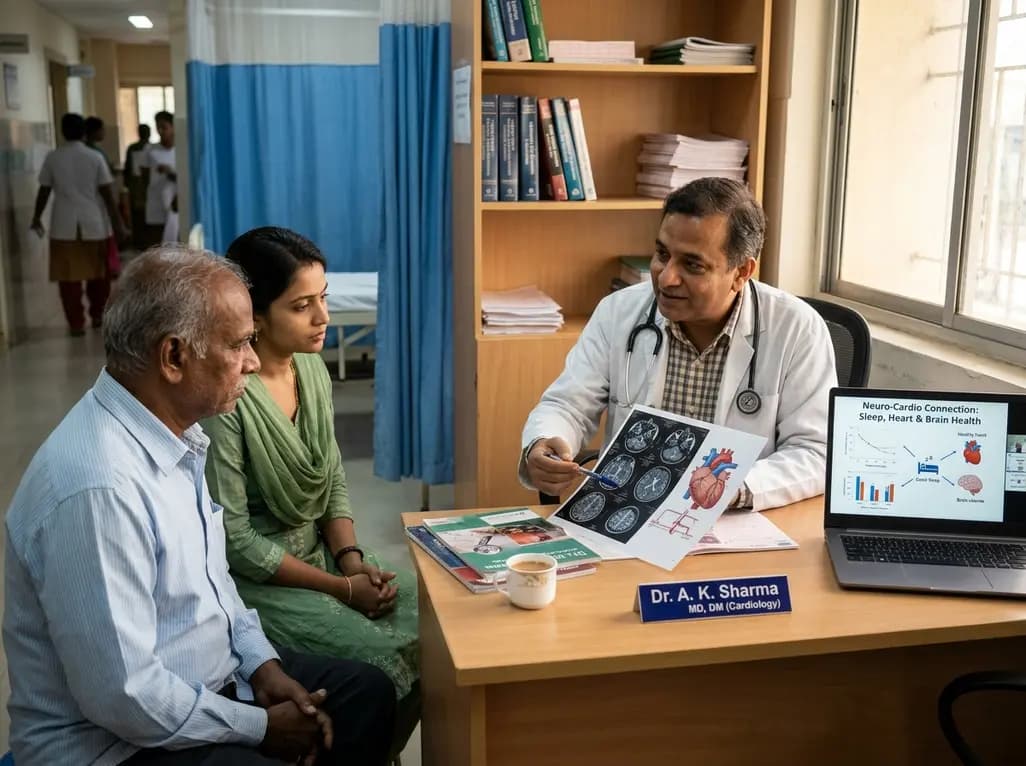
A landmark UK Biobank study by Karolinska Institutet researchers reveals that optimal rest mitigates neurodegeneration in cardiometabolic illness. Patients maintaining high sleep quality demonstrated superior cognitive scores and larger brain volumes, highlighting sleep optimization as an actionable clinical strategy.
Today
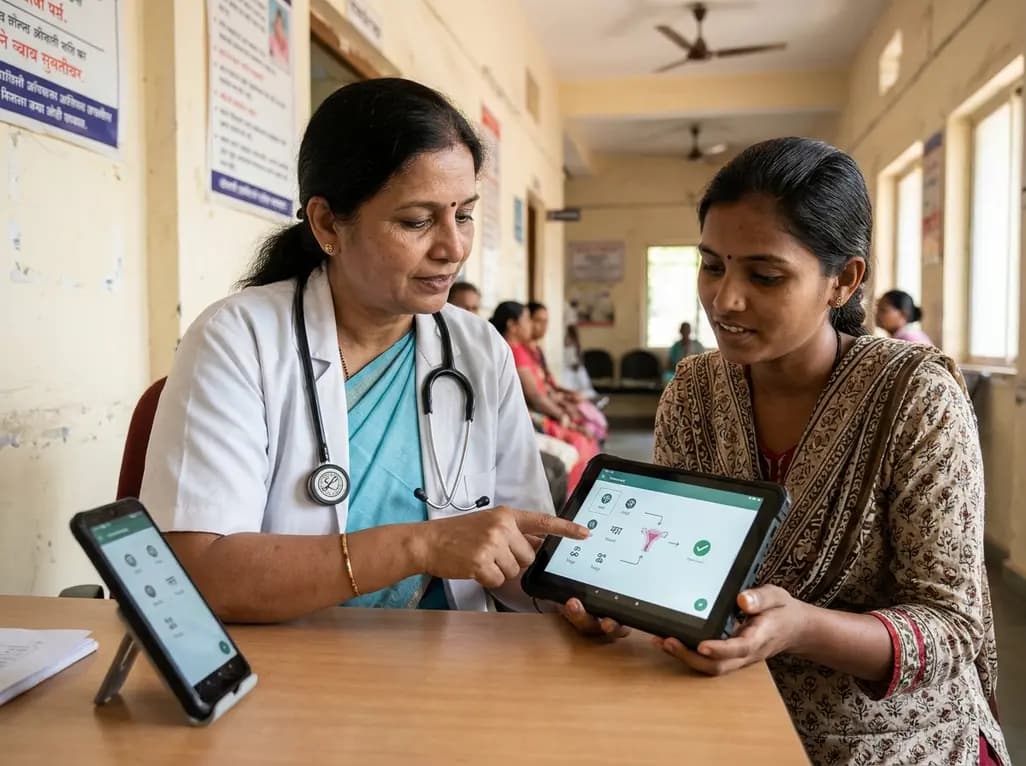
A new study evaluates a multilingual digital health platform combining rule-based cervical cancer risk assessment, retrieval-augmented generation AI, and geospatial navigation. The tool dramatically reduces clinical hallucinations while providing actionable health guidance for underserved populations.
Today
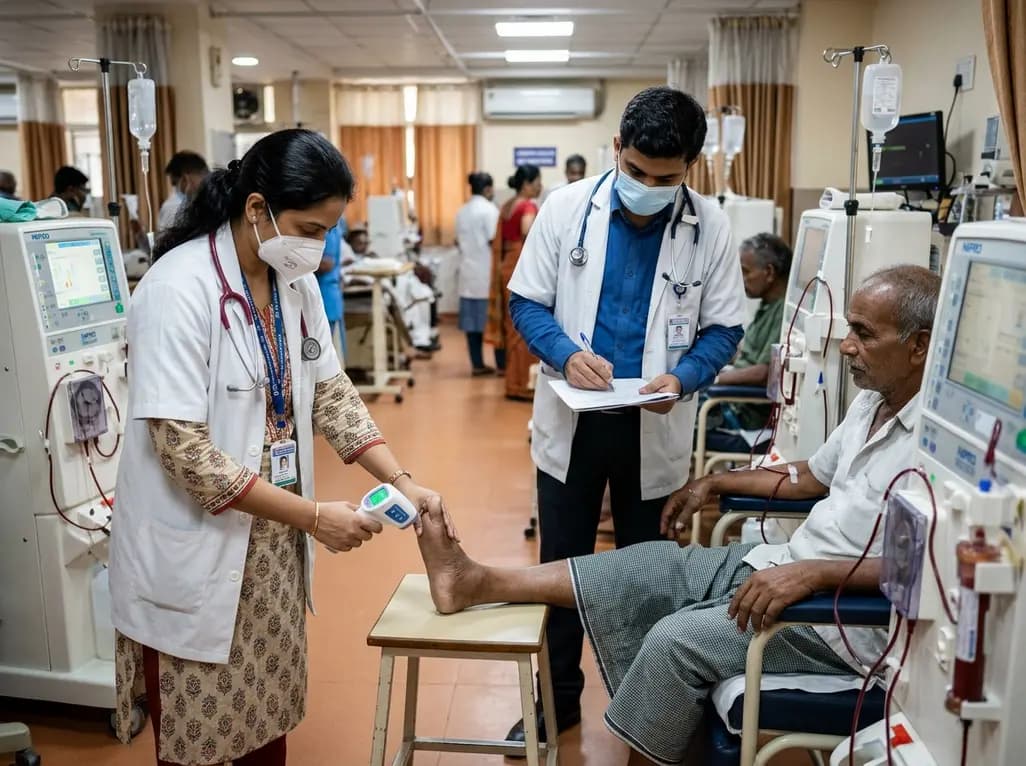
A prospective study reveals that tracking intradialytic foot temperature gradients offers a noninvasive approach to screen for severe peripheral artery disease in hemodialysis patients.
Today
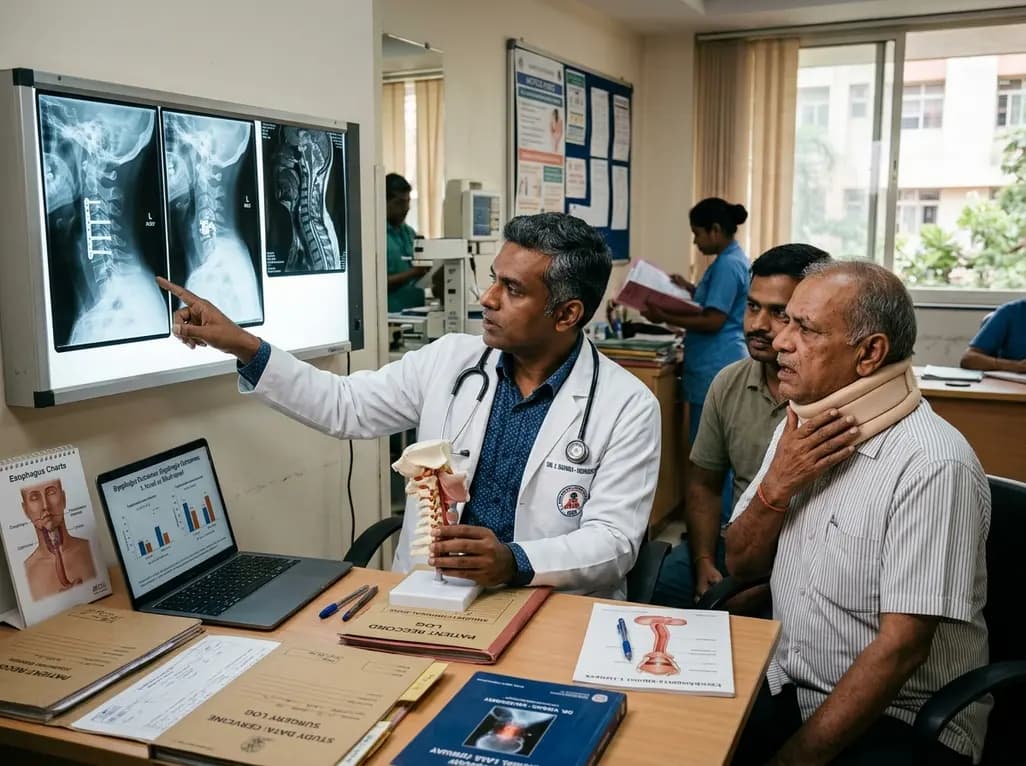
A large registry study reveals that postoperative dysphagia occurs more frequently and persists longer after multilevel anterior cervical spine surgery than single-level procedures. Key risk factors include baseline dysphagia, diabetes, upper cervical segment involvement, and medical comorbidities.
Today
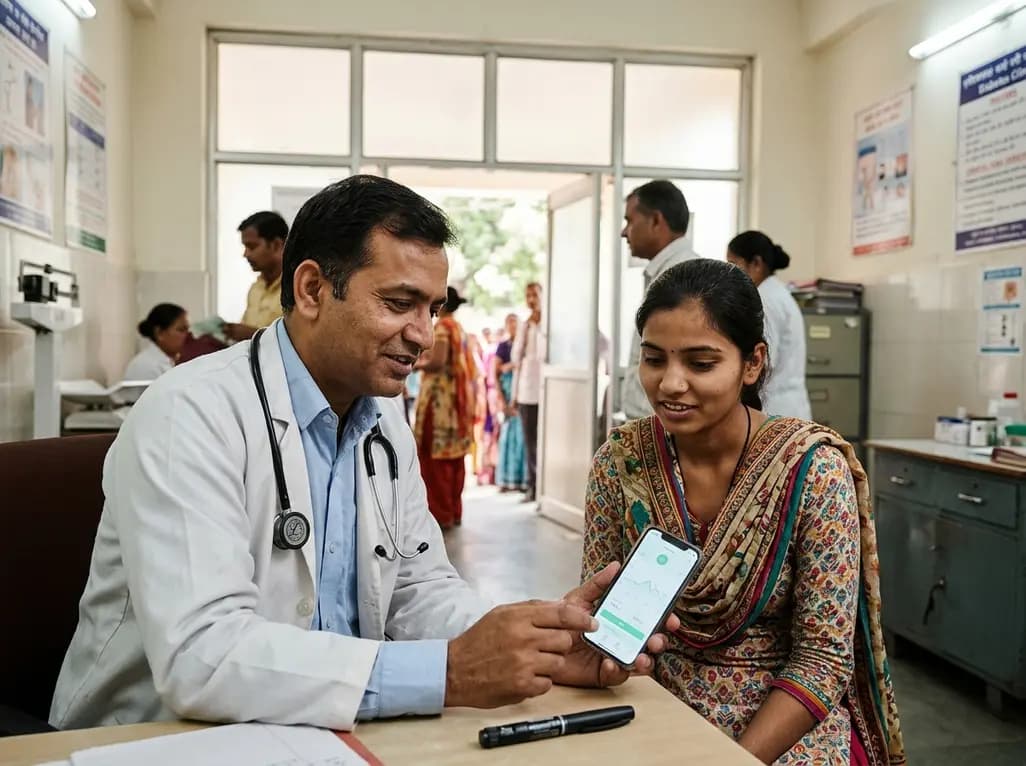
A pilot feasibility study demonstrates that a newly developed mobile app for bolus insulin dose adjustment significantly improves dosing confidence, treatment adherence, and hypoglycemia prevention for patients with type 1 diabetes while reducing provider workload in resource-limited clinical settings.
Today
