

Loading, please wait...
Loading, please wait...

Recent clinical investigations have highlighted how nitrosative stress in CRS exacerbates mucosal damage and promotes recalcitrant disease phenotypes. Upper and lower airway diseases frequently coexist under the unified airway concept, where systemic inflammatory cascades simultaneously affect the sinonasal mucosa and tracheobronchial tree. In chronic rhinosinusitis with nasal polyps, comorbid pulmonary diseases significantly worsen long-term surgical prognosis. Specifically, patients presenting with asthma-chronic obstructive pulmonary disease overlap experience heightened chronic mucosal swelling and unusually high postoperative recurrence rates compared to those with asthma alone. Although clinicians have long recognized this clinical challenge, the underlying cellular pathways driving excessive inflammation have remained elusive. Emerging scientific evidence now reveals that excessive production of reactive nitrogen species induces profound tissue damage in these patients. Elevated levels of inducible nitric oxide synthase generate substantial nitric oxide, which subsequently reacts with superoxide radicals to form peroxynitrite. This highly toxic molecule causes widespread oxidative damage to cellular proteins, lipids, and structural components within the sinonasal epithelium. Consequently, clinicians must evaluate these distinct biochemical pathways to better anticipate postoperative outcomes in complex respiratory phenotypes.
Immunohistochemical evaluations of nasal polyp tissue have illuminated striking differences among patient cohorts undergoing functional endoscopic sinus surgery. Researchers systematically analyzed tissue samples from patients divided into three distinct categories: asthma-COPD overlap complicated by chronic rhinosinusitis, asthma with chronic rhinosinusitis, and non-asthmatic chronic rhinosinusitis. To quantify the localized biochemical burden, investigators measured four key enzymatic and oxidative markers, including 3-nitrotyrosine, inducible nitric oxide synthase, cystathionine β-synthase, and cystathionine γ-lyase. Tissue analysis demonstrated that positive cell counts for all four biomarkers reached their absolute highest concentrations in patients suffering from both asthma and COPD overlap. Furthermore, these biomarker levels significantly exceeded the values measured in non-asthmatic sinus tissue specimens. Notably, 3-nitrotyrosine and cystathionine γ-lyase densities proved significantly greater in the overlap group compared to subjects with isolated asthma. These quantified differences confirm that combined airway obstruction accelerates localized reactive nitrogen formation. In addition, the co-expression of sulfur-metabolizing enzymes alongside inducible nitric oxide synthase indicates profound dysregulation of mucosal homeostasis. As a result, tissue biomarker mapping provides objective confirmation of severe inflammatory microenvironments in patients who face heightened risk.
The striking escalation of nitrosative stress in polyp tissue directly correlates with aggressive postoperative nasal polyp recurrence. Peroxynitrite formation induces extensive protein tyrosine nitration, leaving stable footprints in the form of 3-nitrotyrosine. Because nitrated structural proteins alter ciliary function and epithelial barrier integrity, mucosal tissues lose their protective resistance against persistent microbial colonization and secondary airborne irritants. Moreover, uninhibited inducible nitric oxide synthase activity continuously feeds this oxidative cascade, driving chronic mucosal hyperplasia and polyp formation. Concurrently, altered expression of cystathionine enzymes disrupts endogenous hydrogen sulfide pathways, which normally provide vital cytoprotective and anti-inflammatory buffering. When chronic smoke exposure or severe airway obstruction superimposes on baseline eosinophilic inflammation, tissue neutrophils and macrophages generate extreme oxidative bursts. Consequently, these synchronized cellular events create a hostile microenvironment that resists standard surgical and pharmacological therapies. Postoperative mucosal healing fails to progress normally because persistent reactive nitrogen species provoke recurrent mucosal edema and relentless polyp redevelopment. Therefore, understanding this destructive cycle explains why overlap patients suffer early surgical failure after bilateral sinus procedures.
Accurate identification of nitrosative stress markers holds substantial prognostic value for practicing otolaryngologists and pulmonologists. Clinicians frequently encounter severe eosinophilic chronic rhinosinusitis cases that deteriorate despite seemingly complete surgical eradication of visible disease. However, integrating pulmonary function assessments, smoking history, and systemic eosinophil counts can help stratify patients who harbor elevated tissue nitrosative stress. Patients presenting with underlying airflow obstruction typical of chronic obstructive pulmonary disease experience significantly higher rates of polyp recurrence after endoscopic interventions. Furthermore, identifying dense tissue accumulations of 3-nitrotyrosine and inducible nitric oxide synthase serves as a reliable biological warning for postoperative relapse. Diagnostic evaluation should therefore expand beyond standard sinus computed tomography scans and histological eosinophil counting. Clinicians ought to evaluate lower airway obstruction thoroughly using spirometry and assess patient exposure to environmental tobacco smoke. In addition, recognizing the overlap phenotype allows specialists to formulate multidisciplinary management plans before performing sinus surgery. Thus, proactive preoperative risk assessment prepares surgical teams to anticipate aggressive disease recurrence and adjust postoperative surveillance protocols accordingly.
Managing refractory sinus disease in patients with concurrent lower airway overlap requires comprehensive therapeutic strategies that extend beyond conventional corticosteroid regimens. Standard topical and systemic corticosteroids frequently fail to suppress severe oxidative and nitrosative pathways effectively. Therefore, clinicians must explore targeted interventions that restore mucosal redox balance and inhibit excessive nitric oxide synthesis. Emerging research investigates specific inhibitors of inducible nitric oxide synthase and novel antioxidants capable of scavenging peroxynitrite radicals. Additionally, biological therapies that target shared upstream type 2 cytokines offer promising opportunities to reduce downstream reactive nitrogen generation. Concurrently, aggressive management of underlying pulmonary comorbidities remains indispensable for achieving durable surgical outcomes. Clinicians must prioritize smoking cessation, optimize bronchodilator therapy, and maintain rigorous long-term endoscopic follow-up. Multidisciplinary collaboration between otorhinolaryngologists and pulmonologists ensures comprehensive care for this challenging patient cohort. Ultimately, combining precise surgical clearance with redox-modulating pharmacotherapy may significantly reduce postoperative polyp recurrence and improve quality of life for vulnerable individuals.
Healthcare practitioners in India encounter high rates of both chronic sinonasal disorders and chronic lower airway obstruction. Environmental biomass fuel exposure, extensive ambient air pollution, and high smoking prevalence collectively intensify mucosal inflammation across the entire respiratory tract. Consequently, Indian otolaryngologists and chest physicians must adopt unified airway protocols when managing patients with recurrent polyposis. When evaluating patients with severe nasal polyposis, specialists should routinely screen for undiagnosed asthma and chronic obstructive pulmonary disease. Furthermore, clinicians must counsel patients rigorously regarding the catastrophic mucosal impact of direct tobacco smoke and biomass particulate inhalation. Postoperatively, aggressive topical saline irrigations combined with anti-inflammatory corticosteroid rinses help clear mucosal debris and mitigate oxidative cascades. In addition, scheduling frequent endoscopic surveillance within the first twelve months enables early detection of mucosal neo-osteogenesis and budding polypoid lesions. Through coordinated care between surgical and medical teams, clinicians can overcome therapeutic resistance and dramatically improve long-term outcomes in these high-risk patients.
Patients with asthma-COPD overlap display intense inflammatory responses that generate massive amounts of reactive nitrogen species within sinonasal tissues. Elevated levels of inducible nitric oxide synthase and 3-nitrotyrosine induce severe epithelial barrier breakdown and ciliary dysfunction. Consequently, standard mucosal healing fails after endoscopic sinus surgery, leading to relentless polyp redevelopment. Furthermore, persistent lower airway obstruction and oxidative stress continuously drive upstream airway inflammation, exacerbating postoperative relapse.
The biomarker 3-nitrotyrosine serves as a durable biochemical footprint of localized peroxynitrite-mediated protein damage. When inducible nitric oxide synthase generates excessive nitric oxide during active inflammation, it reacts with superoxide anions to form toxic peroxynitrite. This compound nitrates tyrosine residues in mucosal proteins, altering structural cellular integrity. Therefore, detecting elevated 3-nitrotyrosine levels directly reflects severe tissue injury and correlates reliably with high postoperative recurrence rates in patients undergoing sinus surgery.
Clinicians should adopt an integrated, multidisciplinary management strategy combining optimized pulmonary therapy with precise surgical intervention. Preoperatively, physicians must assess lung function with spirometry and aggressively encourage smoking cessation. Postoperatively, combining topical corticosteroid irrigations with targeted biologics can attenuate recalcitrant type 2 mucosal cascades. Additionally, clinicians should schedule frequent nasal endoscopic evaluations during the first postoperative year to detect early mucosal thickening and promptly initiate aggressive rescue therapy before polyps fully redevelop.
Disclaimer: This content is for informational and educational purposes only... Refer to the latest local and national guidelines for clinical practice.
References

Read summarized clinical updates, watch expert medical content, and earn CME certifications right from your smartphone.
Open your smartphone camera to scan and install.





A study shows that elevated nitrosative stress markers in nasal polyp tissue, including 3-NT and CSE, correlate with high postoperative recurrence in patients with chronic rhinosinusitis complicated by asthma-COPD overlap. This highlights the need for targeted redox strategies in united airway disease.
Today

A landmark study reveals that congenital DLK1 deficiency in women with a history of central precocious puberty causes visceral adiposity, mitochondrial dysfunction, oxidative stress, and neutrophil activation, highlighting the critical need for lifelong cardiometabolic surveillance.
Today
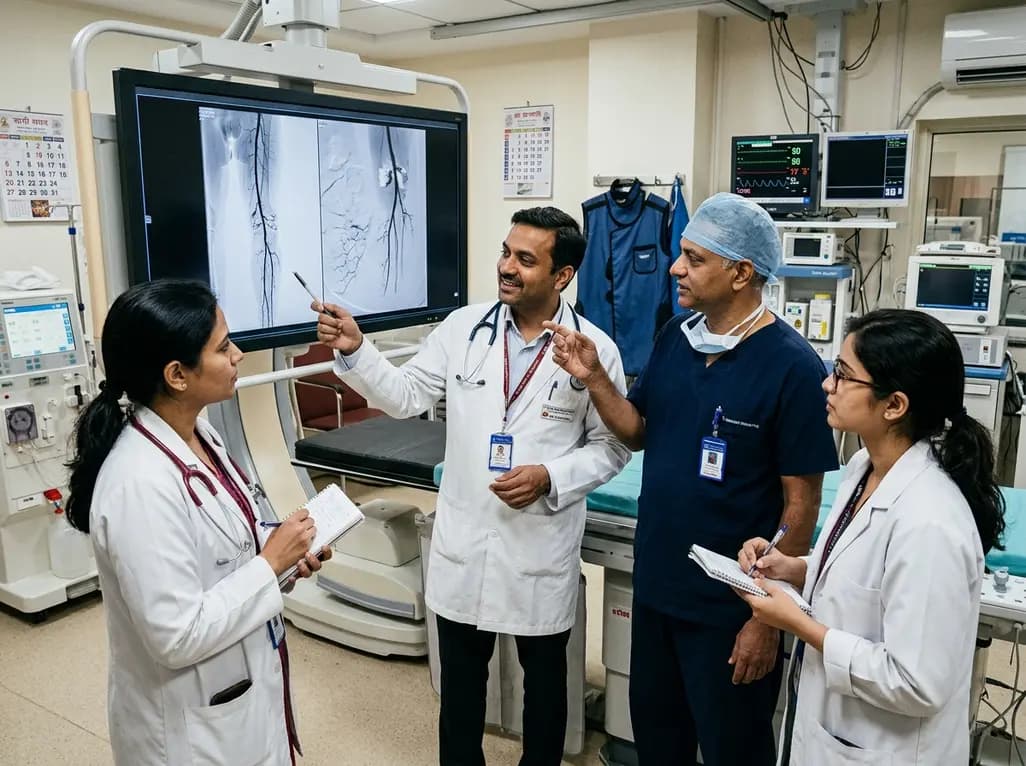
Explore revascularisation strategies in dialysis-dependent chronic limb-threatening ischaemia. This review examines surgical bypass vs endovascular therapy, BEST-CLI trial findings, procedural morbidity, conduit availability, and multidisciplinary decision-making for optimal limb salvage.
Today

A recent cross-sectional analysis reveals that over a quarter of randomized controlled trials for non-specific low back pain face discontinuation or unknown status, while more than 36% of completed trials remain unpublished, exposing notable reporting gaps in spine and musculoskeletal clinical research.
Today
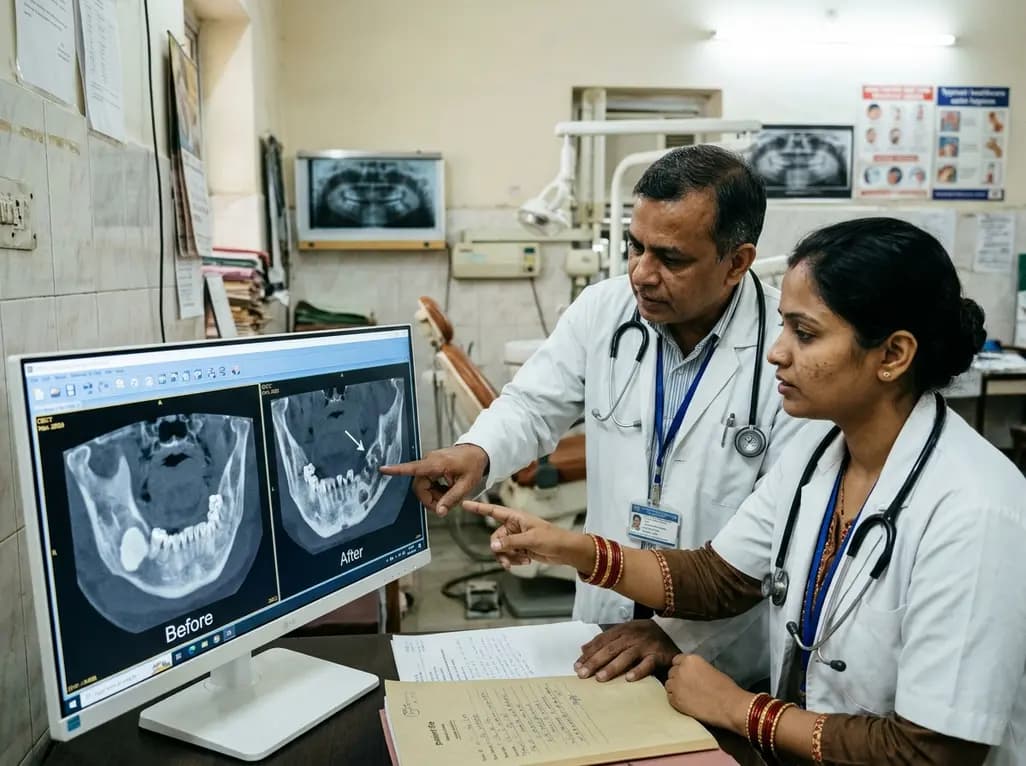
This case report examines the longitudinal CBCT evolution of Stage 2 MRONJ in a 70-year-old woman on denosumab at the site of a pre-existing mandibular dense bone island. It emphasizes the radiographic features, differential diagnosis, and multidisciplinary strategies required for high-risk bone lesions.
Today
