.webp&w=384&q=75)

Loading, please wait...
Loading, please wait...
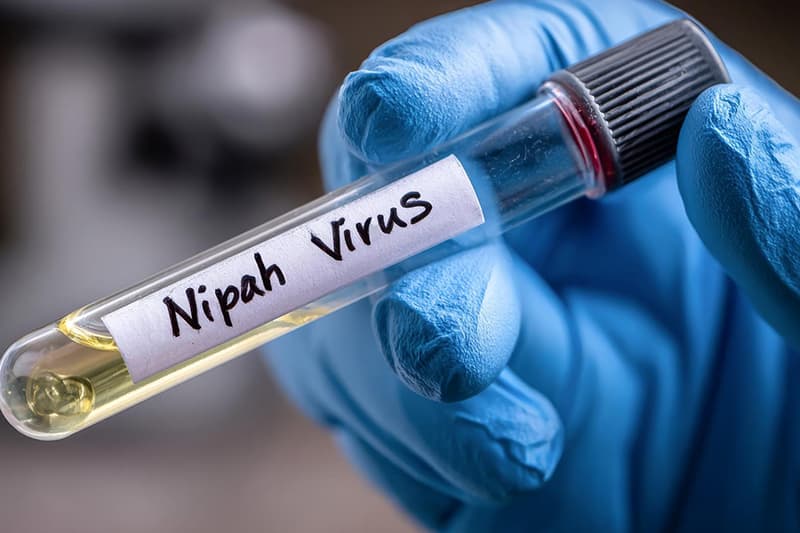
A nurse who previously recovered from Nipah virus complications died of cardiac arrest at a private hospital in West Bengal on February 13, 2026. Health officials confirmed the patient had been in a prolonged coma. Initially, this state severely compromised her immune system. Consequently, she developed a secondary lung infection during her recovery period. Although she was off ventilator support by late January, her condition suddenly deteriorated this afternoon.
Patients surviving Nipah virus often face significant health hurdles. In this specific case, the deceased nurse suffered from multiple systemic issues. Although she successfully cleared the virus, her body struggled with hospital-acquired infections. Additionally, the prolonged ventilator support likely impacted her long-term respiratory health. Medical reports indicate she was trying to regain speech and limb movement before the fatal arrest. Therefore, clinicians must remain vigilant regarding long-term sequelae in survivors of highly pathogenic zoonotic diseases.
The state health department took immediate action following the initial outbreak confirmation in January. Specifically, they identified and monitored 196 contacts linked to the two confirmed cases. All these individuals eventually tested negative for the virus. However, the Union Health Ministry continues to emphasize enhanced surveillance across the region. State agencies are currently coordinating with central authorities to maintain strict laboratory testing protocols. These efforts ensure the timely containment of any potential new cases while addressing speculative figures in the media.
Q1: Did the nurse die from an active Nipah virus infection?
No, the official health department report states she had recovered from the Nipah infection. However, she died due to cardiac arrest and multiple secondary complications arising from her prolonged illness.
Q2: What secondary health issues did the patient face during recovery?
The nurse experienced a prolonged coma, a secondary lung infection, and a hospital-acquired infection. These factors severely weakened her immunity and contributed to her clinical deterioration.
Q3: Are there other active Nipah cases reported in West Bengal?
According to the National Centre for Disease Control, only two cases were confirmed since December. The other patient, also a male nurse, has been successfully cured and discharged.
Disclaimer: This content is for informational and educational purposes only. It does not constitute medical advice or replace professional judgment. Refer to the latest local and national guidelines for clinical practice.
References

Read summarized clinical updates, watch expert medical content, and earn CME certifications right from your smartphone.
Open your smartphone camera to scan and install.





A nurse in West Bengal who recovered from Nipah virus died due to cardiac arrest. This report examines the case details and the state's public health respon...
8 months ago

Novel diimide and hydrazone scaffolds, particularly compound #C4, synergistically reactivate latent HIV-1 when combined with JQ1 or PKC activators. Demonstrating donor-matched proviral transcription ex vivo and non-canonical signaling, these findings advance shock and kill strategies toward reservoir eradication.
Today

A cross-sectional study reveals that maternal RSV vaccination coverage reached only 43.7% in Argentina, with maternal vaccine knowledge being the sole independent predictor of uptake. Clinicians play a crucial role in eliminating informational and structural barriers to optimize infant health.
Today

Review how tailored exercise programs benefit frail older patients with heart failure. Explore pathophysiological mechanisms, individualized training prescriptions, and strategies to overcome adherence barriers in clinical practice.
Yesterday

This comparative study evaluates posterior labral tears with and without glenohumeral instability, highlighting distinct demographic patterns, MRI underestimation in stable shoulders, and successful arthroscopic repair outcomes.
Yesterday

A clinical study demonstrates that early intervention with tocilizumab, either as monotherapy or bridged with corticosteroids, achieves significant proptosis reduction and resolves active inflammation in treatment-naive thyroid eye disease.
Yesterday
