

Loading, please wait...
Loading, please wait...

Evaluating previous head trauma remains a difficult clinical challenge across neurology, primary care, and emergency settings. Historically, healthcare systems classified head trauma using basic acute severity measures like Glasgow Coma Scale scores. However, these traditional labels often misrepresent the lifetime neurotrauma burden of patients. To resolve these diagnostic ambiguities, the National Institute of Neurological Disorders and Stroke convened an international expert panel. This initiative established evidence-based recommendations for retrospective TBI classification. By examining lifetime exposures, clinicians can better understand persistent post-concussive symptoms, cognitive decline, and neurodegenerative risks.
Traditional head injury classification systems rely heavily on acute severity terms like mild, moderate, and severe. Although these categories guide early triage, they frequently create misunderstandings when doctors evaluate chronic presentations. Furthermore, acute indices such as initial consciousness loss cannot accurately capture the full clinical picture years later. Many patients experience persistent neurobehavioral symptoms despite an initial diagnosis of mild injury. Therefore, the NINDS working group addressed the pressing need for an updated retrospective framework.
Additionally, standard acute classifications often overlook the cumulative impact of multiple minor head injuries. When clinicians encounter patients decades after an injury, relying solely on acute metrics can mislead therapeutic planning. Consequently, modern neurotrauma care requires an updated paradigm that considers long-term clinical evolution. The working group emphasized that retrospective classification must integrate lifetime exposure history rather than isolated acute descriptions. Ultimately, adopting this nuanced strategy helps clinicians avoid mischaracterizing past trauma, while improving prognostic discussions and guiding targeted rehabilitative therapies.
Self-reported and proxy-reported medical histories serve as the cornerstone of retrospective brain injury evaluation. Most individuals who sustain mild head trauma never receive formal emergency medical evaluation. As a result, written clinical documentation does not exist for a large proportion of lifetime injuries. Clinicians must therefore depend on structured patient recall to gather vital historical details. However, casual or unstructured questioning frequently yields unreliable information regarding injury frequency, loss of consciousness, and post-traumatic amnesia.
To address this challenge, the NINDS expert panel concluded that clinicians must utilize validated elicitation instruments. For instance, structured questionnaires like the Ohio State University TBI Identification Method provide standardized prompts that improve recall accuracy. Moreover, validated tools systematically query sports injuries, motor vehicle crashes, physical assaults, and domestic abuse. These structured protocols allow practitioners to establish the chronology, frequency, and immediate severity of each historical event. In addition, proxy informants provide indispensable corroborating evidence when cognitive deficits impair recall. Healthcare providers can thus build a dependable timeline of past neurological trauma.
Medical record extraction represents another indispensable methodology for verifying medically attended head injuries. When hospital documentation exists, it provides objective verification of initial injury parameters and acute physiological stability. Furthermore, clinical notes frequently preserve critical details like Glasgow Coma Scale scores, pupillary reactivity, and acute surgical interventions. Emergency department records also capture laboratory values and initial neuroimaging findings that patients cannot recall. Consequently, archival chart review serves as an objective anchor in neurotrauma research and clinical evaluations.
Nevertheless, the working group highlighted major discrepancies that currently hinder retrospective chart extraction. Different healthcare systems utilize inconsistent diagnostic terminology, diagnostic codes, and injury definitions. For example, clinicians often conflate uncomplicated concussion, contusion, and intracranial hematoma within generic diagnostic summaries. Furthermore, electronic health record algorithms can miss relevant historical events due to unstandardized searching procedures. Therefore, the NINDS consensus urges the development of standardized case definitions for retrospective record abstraction. Researchers and clinicians must implement uniform criteria to ensure that extracted data remain reproducible across diverse clinical settings.
Advanced diagnostic technologies have revolutionized acute head injury triage over the past decade. For instance, structural neuroimaging and blood-based protein biomarkers offer rapid detection of acute intracranial lesions. Clinicians frequently wonder whether these modern modalities can also confirm past traumatic brain injury retrospectively. However, the NINDS working group reached a cautious consensus regarding their current diagnostic utility. Specifically, conventional magnetic resonance imaging and computed tomography scans frequently appear entirely normal years after mild injuries.
Similarly, advanced neuroimaging modalities like diffusion tensor imaging show structural changes, but they lack diagnostic specificity. Microstructural white matter abnormalities can stem from chronic vascular disease, aging, or psychiatric disorders rather than remote physical trauma. Furthermore, fluid-based biomarkers such as serum glial fibrillary acidic protein and tau rapidly normalize following acute mechanical injury. Consequently, circulating biomarkers cannot reliably prove remote trauma when tested months or years later. Performance-based neuropsychological assessments also reflect diverse non-traumatic confounders, including sleep disruption, depression, and normal aging. Therefore, the panel emphasized that imaging, fluid markers, and neurocognitive testing in isolation cannot currently establish past brain injury.
The long-term neurological consequences of repetitive head impacts represent an urgent priority for modern clinical neuroscience. Athletes, military service members, and domestic violence survivors regularly absorb recurrent subconcussive blows without experiencing overt clinical symptoms. Over time, repeated mechanical stress may trigger persistent neurobehavioral decline or neurodegenerative disease. However, the NINDS working group noted that medicine currently lacks a universally accepted definition for repetitive head impacts. Because investigators employ divergent diagnostic criteria, comparing epidemiological studies and clinical trials remains exceptionally difficult.
Accordingly, establishing an objective consensus definition represents a vital first step for developing validated clinical screening tools. Without standardized terminology, physicians struggle to calculate cumulative mechanical dose or quantify personal exposure risks. Moreover, current retrospective recall tools rarely capture subconcussive events accurately, because individuals do not recognize non-concussive contact as trauma. Therefore, experts advocate for multi-modal exposure metrics that combine validated athletic tracking, occupational history, and wearable sensor data. Until validated assessment tools emerge, clinicians should carefully document contact sports participation and military service during routine clinical evaluations.
Translating these expert recommendations into daily medical practice will substantially improve patient outcomes across diverse specialties. General practitioners, neurologists, and emergency physicians must proactively screen for lifetime head trauma during comprehensive evaluations. Instead of relying on open-ended inquiries, clinical staff should integrate brief, validated questionnaire modules into standard intake paperwork. Furthermore, multidisciplinary clinical teams should correlate patient-reported timelines with available hospital records and family collateral.
Importantly, clinicians must recognize the clear diagnostic limitations of stand-alone diagnostic testing. Normal magnetic resonance scans or unremarkable biomarker levels must never dismiss a patient's historical head trauma complaints. Instead, physicians should adopt an integrated biopsychosocial assessment model. This balanced clinical strategy ensures accurate lifetime exposure documentation while guiding targeted symptom management, psychological support, and functional rehabilitation. Consequently, structured retrospective assessment empowers doctors to deliver personalized and comprehensive neurological care.
Self-report remains essential because the majority of individuals with mild head trauma do not seek immediate medical care. Consequently, formal health records rarely document these injuries. Validated self-report instruments provide clinicians with structured, reliable historical information regarding the mechanism, frequency, and acute severity of past head impacts across a patient's lifetime.
No, neither modality provides sufficient sensitivity or specificity in isolation to confirm remote trauma. Conventional structural imaging frequently appears normal years after mild injuries. In addition, acute fluid biomarkers normalize quickly within days. White matter alterations on advanced scans can stem from aging, vascular pathology, or non-traumatic neurological conditions.
Current clinical research lacks a standardized, universal definition for repetitive head impacts. Because diagnostic criteria vary significantly across published literature, investigators struggle to compare epidemiological data. Furthermore, patients often fail to recognize subconcussive blows as trauma, which complicates retrospective recall. Standardizing exposure definitions is critical to creating validated clinical measurement tools.
Disclaimer: This content is for informational and educational purposes only and does not constitute medical advice, diagnosis, or treatment. Healthcare professionals should rely on their clinical judgment and verify information with appropriate medical literature and standard clinical guidelines. The views expressed do not necessarily reflect the official policy or position of any affiliated organizations. Refer to the latest local and national guidelines for clinical practice.
References

Read summarized clinical updates, watch expert medical content, and earn CME certifications right from your smartphone.
Open your smartphone camera to scan and install.





The 2024 NINDS consensus offers updated guidance on retrospective traumatic brain injury classification, highlighting structured self-report and record extraction.
Today

Investigating the patterns, barriers, and facilitators of sedentary behaviour, physical activity, and nutrition among hybrid employees working from home, with practical recommendations for clinicians managing cardiometabolic and musculoskeletal health.
Today

Amniotic fluid cell-free DNA offers a rapid alternative to cultured amniocytes in prenatal testing. With high yield, lack of maternal contamination, and full concordance across microarrays and exome sequencing, it dramatically cuts diagnostic turnaround time.
Today

A prospective phase IIa trial investigated TSG-01, an agent rich in secondary ginsenosides, for chronic heart failure in coronary artery disease. While NYHA functional class did not differ, TSG-01 significantly improved ejection fraction in digoxin-free patients with a favorable safety profile across all groups.
Today
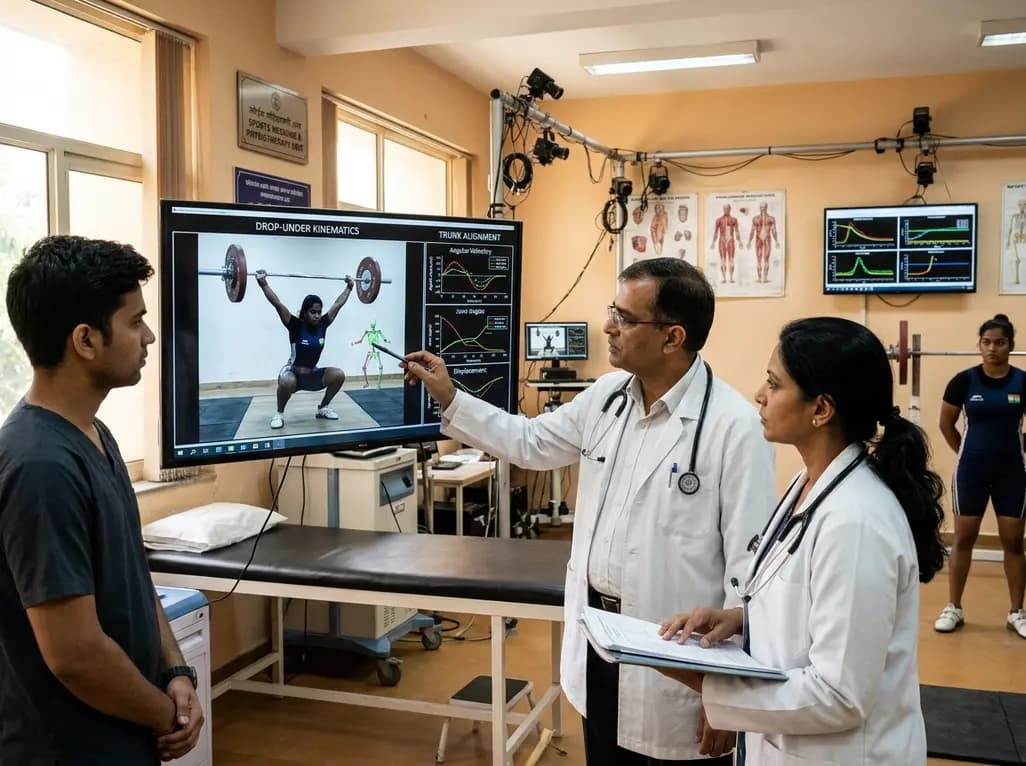
A systematic review of 15 studies and 574 competitive weightlifters establishes normative benchmarks for snatch drop-under kinematics, highlighting turnover speed, horizontal displacement, and trunk alignment to optimize performance and prevent overhead injuries.
Today

Knocking out the adipocyte ETB receptor attenuates high-fat diet-induced dyslipidemia, lowering LDL, cholesterol, and free fatty acids while preserving lipid oxidation gene expression in visceral adipose tissue.
Today
