.webp&w=384&q=75)

Loading, please wait...
Loading, please wait...
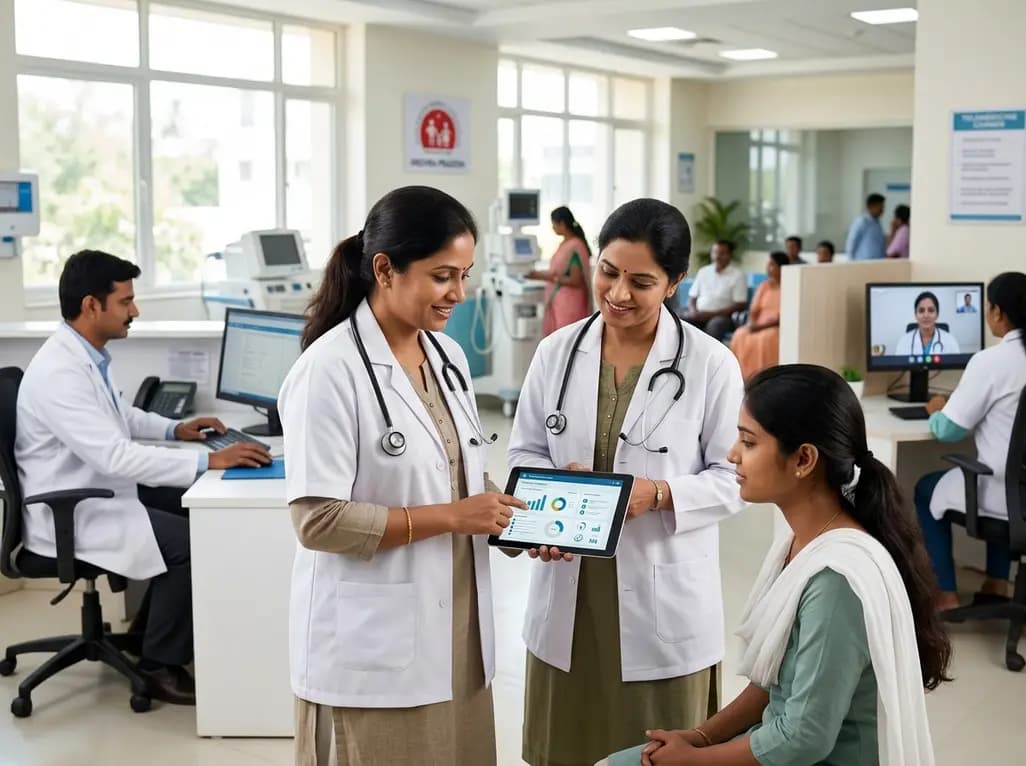
The Central government has officially approved a comprehensive financial outlay of Rs 2,447.98 crore for Andhra Pradesh under the National Health Mission for the fiscal year 2026-27. Consequently, this substantial NHM funding Andhra Pradesh allocation will support a wide spectrum of primary, secondary, and tertiary public healthcare initiatives. State Health Minister Satya Kumar Yadav announced that the funding architecture follows a standard center-state sharing formula. Specifically, the Central government contributes Rs 1,468.79 crore, representing sixty percent of the total resource envelope. Meanwhile, the state government provides Rs 979.19 crore as its forty percent counterpart share. Therefore, healthcare administrators must prioritize key health programs to maximize clinical benefits for the population.
The total approved resource envelope consists of distinct financial components designed to address operational and capital demands. Out of the Rs 2,447.98 crore allocation, authorities have designated Rs 411.12 crore as grants-in-kind. These material grants will supply essential medications, critical vaccines, and diagnostic reagents. Furthermore, officials allocated Rs 120.70 crore specifically for health infrastructure maintenance. After subtracting these allocations, the net available cash balance stands at Rs 1,916.16 crore. Consequently, state authorities have already received Rs 1,175.03 crore in combined funding tranches to initiate critical workflows. However, the cumulative financial value of approved health activities exceeds the available resource envelope. Therefore, the Health Department must implement rigorous prioritization protocols. Healthcare managers must direct liquid capital toward life-saving clinical interventions and high-impact rural services. In addition, transparent monitoring mechanisms will track fund utilization across district health societies. This financial discipline ensures continuous primary care delivery while preventing supply chain bottlenecks.
Human resources represent the single largest expenditure category within the sanctioned state health budget. Accordingly, officials have earmarked Rs 1,008.50 crore directly for clinical salaries and contractual personnel. The Central government will reimburse a substantial portion of the salary expenditure for medical staff working under the health department. Consequently, this continuous financial commitment stabilizes staffing levels in community health centers and rural clinics. In addition to payroll support, policymakers allocated Rs 94.22 crore to maintain and operate Ayushman Arogya Mandirs. These health and wellness centers serve as the cornerstone of decentralized primary medical care. Furthermore, authorities sanctioned Rs 79.82 crore for the National Urban Health Mission to address city slums. Community engagement strategies received Rs 72.22 crore to drive grassroot awareness. Additionally, local hospital development societies received Rs 35.10 crore, while Jan Arogya Samitis secured Rs 32.90 crore. A dedicated sum of Rs 69.93 crore will finance regular maintenance for advanced medical diagnostic equipment.
Maternal and child health programs continue to receive vital strategic focus and funding under the new plan. Specifically, the Janani Shishu Suraksha Karyakram received Rs 88.66 crore to eliminate out-of-pocket expenses for institutional deliveries. Moreover, the Janani Suraksha Yojana secured Rs 31.75 crore to encourage safe hospital births among underprivileged mothers. To combat widespread nutritional deficiencies, the state allocated Rs 77.58 crore to the Anaemia Mukt Bharat initiative. Similarly, facility-based newborn care units received Rs 70.62 crore to reduce neonatal mortality rates across district hospitals. Routine immunisation programs secured Rs 97.65 crore to sustain high childhood vaccine coverage. In the communicable disease domain, authorities earmarked Rs 116.50 crore for tuberculosis elimination and active case finding. In addition, vector-borne disease management received Rs 51.84 crore to control seasonal outbreaks of dengue and malaria. Dedicated funding will also bolster targeted elimination programs for viral hepatitis and leprosy across endemic pockets.
The 2026-27 plan places considerable emphasis on managing chronic non-communicable diseases across urban and rural populations. Accordingly, the state allocated Rs 68.28 crore for the prevention and clinical management of cancer, diabetes, cardiovascular diseases, and stroke. These resources will expand opportunistic screening programs and provide regular medical follow-ups at primary healthcare centers. Furthermore, the government sanctioned Rs 67.78 crore to sustain free renal dialysis networks. This investment ensures uninterrupted care for patients with end-stage renal disease in secondary hospitals. To prevent avoidable visual impairment, the National Programme for Control of Blindness secured Rs 62.68 crore. In addition, the state designated Rs 114.55 crore to deliver comprehensive free diagnostic tests. Pharmacological supply chains will receive Rs 77.52 crore under the free essential medicines scheme. Moreover, blood transfusion services received Rs 26.28 crore to modernize regional blood storage centers. Consequently, these synchronized funding streams reduce financial burdens for vulnerable patients requiring chronic disease management.
To modernize emergency medicine and digital health delivery, the government sanctioned Rs 75.50 crore for five high-impact initiatives. Most notably, officials allocated Rs 26.60 crore to supply vital thrombolytic drugs under the STEMI program. This dedicated funding guarantees timely reperfusion therapy for acute myocardial infarction patients in peripheral spoke hospitals. Furthermore, the state earmarked Rs 25.88 crore to establish regional care coordination and tele-consultation rooms. Authorities also provided Rs 11.01 crore for desktop computers and hardware to expand eSanjeevani services. Emergency trauma care centers received Rs 7.25 crore for advanced life-support equipment, while specialized burn units obtained Rs 4.76 crore. Meanwhile, the state allocated Rs 92.95 crore to maintain and dispatch 108 emergency ambulance fleets. Remote tribal regions secured Rs 25.18 crore for specialized reproductive healthcare and Rs 12.46 crore for mobile medical units. Consequently, these digital and mobile platforms bridge critical geographic gaps in urgent healthcare delivery.
Q1: What is the total funding approved for Andhra Pradesh under NHM for 2026-27?
The Central government approved an annual outlay of Rs 2,447.98 crore for Andhra Pradesh under the National Health Mission. The Centre contributes Rs 1,468.79 crore, which equals sixty percent of the total envelope. The state government provides the remaining forty percent share, amounting to Rs 979.19 crore. These resources support primary care, disease control, and emergency services.
Q2: How much funding is dedicated to emergency cardiac care and STEMI management?
The state has allocated Rs 26.60 crore specifically for the procurement and distribution of essential STEMI medications. This funding forms part of a broader Rs 75.50 crore package dedicated to emergency healthcare and digital health. These medicines enable rural healthcare facilities to administer rapid thrombolysis for acute myocardial infarction patients during critical early treatment windows.
Q3: How will the approved budget improve healthcare access in remote and tribal areas?
The budget allocates Rs 25.18 crore for tribal reproductive and child health programs alongside Rs 12.46 crore for mobile medical units. Furthermore, Rs 36.89 crore is invested in tele-consultation infrastructure and computer hardware. These integrated services allow rural doctors to connect with urban specialists, ensuring equitable diagnostic and clinical support for isolated populations.
Disclaimer: This content is for informational and educational purposes only. It does not constitute medical advice or replace professional judgment. Refer to the latest local and national guidelines for clinical practice.
References

Read summarized clinical updates, watch expert medical content, and earn CME certifications right from your smartphone.
Open your smartphone camera to scan and install.





The Central government has approved an annual outlay of Rs 2,447.9 crore for Andhra Pradesh under the National Health Mission for 2026-27. The funds will bolster human resources, diagnostic networks, emergency STEMI management, maternal health programs, and remote telemedicine infrastructure across the state.
last month
With post-monsoon dengue surges threatening South Asian health systems, physicians must refine triage and management. This guide covers vital warning signs, plasma leakage detection, crystalloid titration, and vector containment strategies to prevent mortality during seasonal arboviral epidemics.
Today
Findings from Project Viva indicate that sustained postpartum weight retention, rather than excessive gestational weight gain alone, directly worsens women's mid-life cardiovascular health, degrading blood pressure and glycemic parameters decades after delivery.
Today
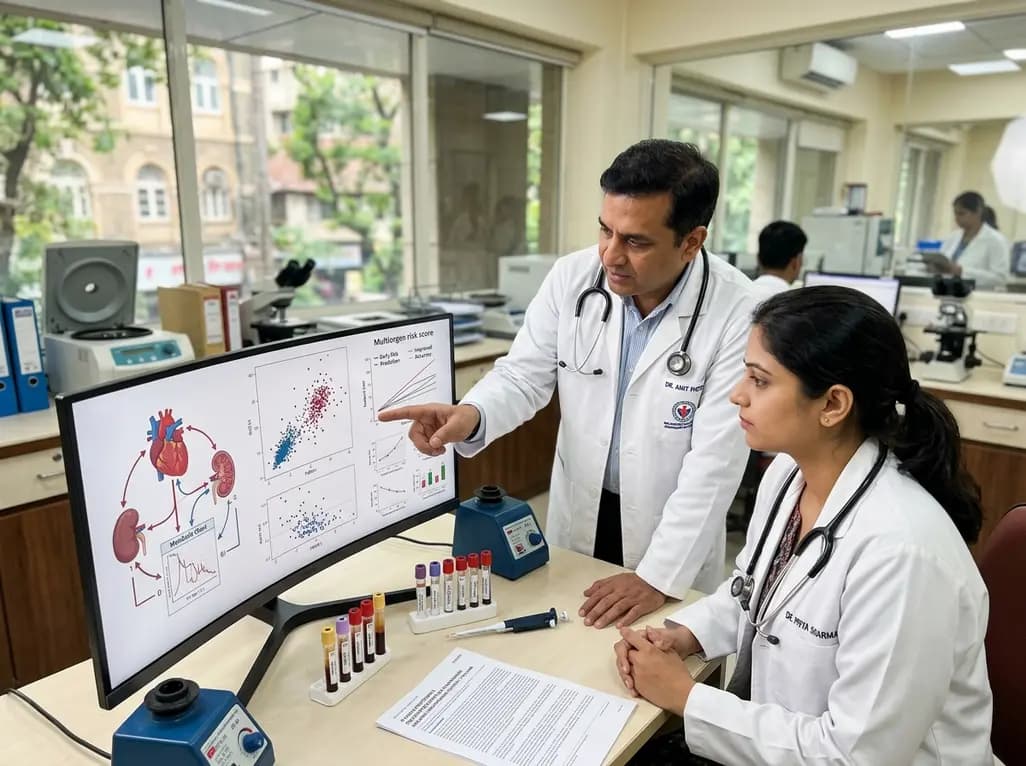
A large UK Biobank study reveals that plasma proteomic signatures capture preclinical organ damage and improve multiorgan risk prediction across early CKM syndrome stages 0 to 2 beyond traditional PREVENT clinical models.
Today
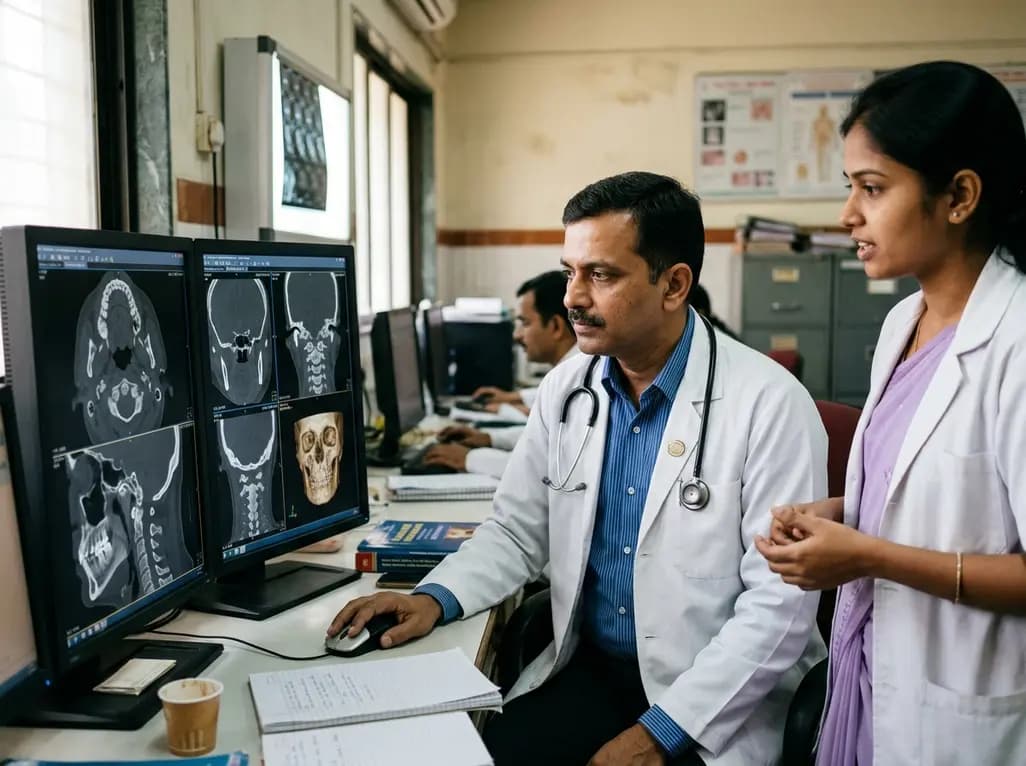
A retrospective CBCT study reveals that superior TMJ space asymmetry correlates moderately with occipital condyle-atlas-axis asymmetry in unilateral TMJ osteoarthritis, highlighting an imaging correlate between jaw biomechanics and upper cervical alignment rather than a standalone diagnostic marker.
Today

A Bayesian multilevel meta-analysis reveals that aerobic training combined with moderate carbohydrate restriction modestly lowers HbA1c in type 2 diabetes. However, sparse data and very low certainty leave incremental benefits over exercise or diet alone unproven, highlighting the need for individualized care.
Today
