.webp&w=384&q=75)

Loading, please wait...
Loading, please wait...
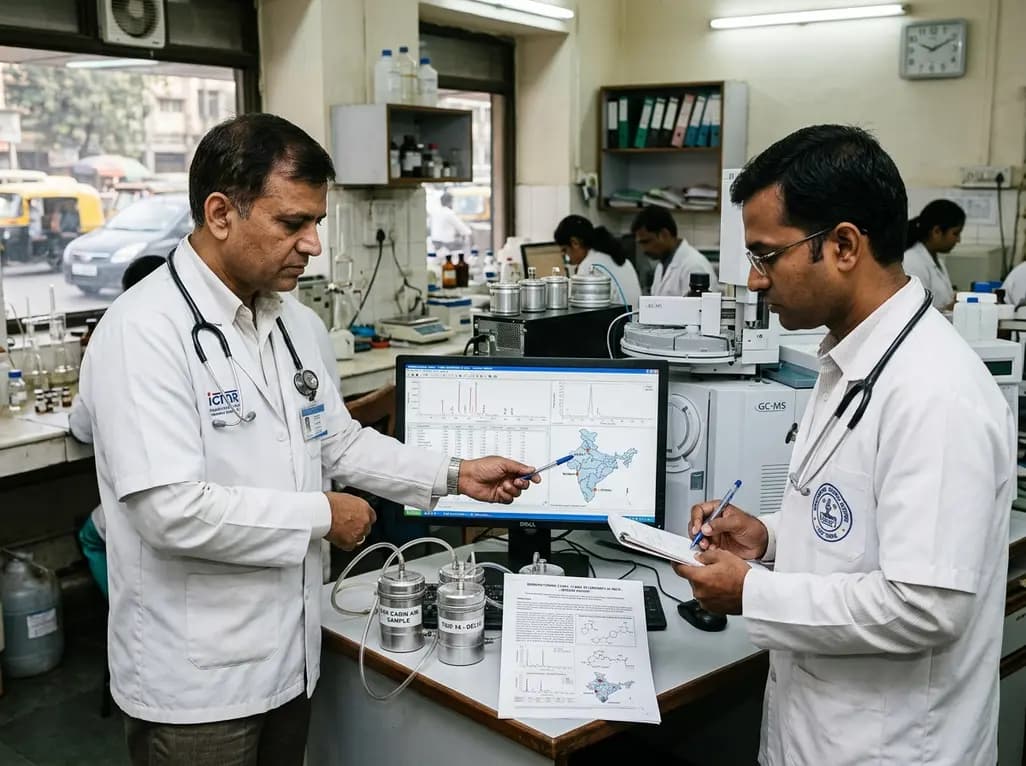
Environmental health concerns have entered passenger vehicle cabins following growing scientific scrutiny regarding volatile chemical emissions. Clinicians and public health authorities are actively monitoring the widespread distribution of organophosphate flame retardants in cars. The National Green Tribunal has mandated the Indian Council of Medical Research to expedite its investigation into these potentially hazardous airborne pollutants. Consequently, this initiative highlights critical public health priorities surrounding enclosed vehicular air quality.
Automobile manufacturers introduce synthetic flame retardants into seat cushions, roof liners, and dashboard foam to meet obsolete flammability standards. However, these chemicals do not form permanent chemical bonds with polymer matrices. As a result, they continuously vaporize into the cabin environment through off-gassing. Ambient thermal stress accelerates this vaporization process significantly. In hot climates, closed vehicle cabins frequently reach internal temperatures exceeding sixty degrees Celsius.
Consequently, thermal degradation drives high concentrations of volatile organic compounds directly into the breathing zone of vehicle occupants. Scientific investigations published in environmental toxicology journals reveal that nearly all modern passenger vehicles contain detectable levels of volatile organophosphate esters. Commuters inevitably inhale these semi-volatile compounds during standard travel. Moreover, vehicle occupants face sustained exposure through dermal absorption when touching upholstered surfaces. Children remain especially vulnerable because of higher minute ventilation rates and developing metabolic pathways.
The National Green Tribunal initiated suo motu proceedings after international data revealed concerning chemical concentrations within private and commercial vehicles. In response, the Indian Council of Medical Research launched a comprehensive, multi-centric biomonitoring project across southern, eastern, and western India. Dr Sivaperumal and research teams at the ICMR National Institute of Occupational Health oversee the technical execution of this eighteen-month investigation. The research design incorporates regional sampling quotas alongside designated healthy control cohorts.
Specifically, the investigative protocol evaluates biological matrices, including human serum and urine, obtained from full-time professional drivers. These cohorts experience extensive daily enclosed cabin exposure under diverse climatic conditions. Field researchers collect sixty target samples per geographic zone alongside ninety-seven control samples to establish reliable baseline metrics. The western regional analysis has already achieved notable analytical progress. Ultimately, the regulatory bench has scheduled further review hearings while establishing a final study completion date of May 2027.
Toxicologists specifically focus on three primary organophosphate ester compounds found in vehicular foams: tris (1-chloro-isopropyl) phosphate (TCIPP), tris (1,3-dichloro-2-propyl) phosphate (TDCIPP), and tris (2-chloroethyl) phosphate (TCEP). Among these agents, global regulatory bodies classify TCEP as a recognised chemical carcinogen with documented cellular toxicity. Meanwhile, international toxicology panels continue to evaluate TCIPP and TDCIPP for mutagenic, genotoxic, and reproductive hazards.
When inhaled or absorbed, these chlorinated alkyl phosphates undergo hepatic biotransformation via cytochrome P450 enzymes. This metabolic pathway generates active metabolites that cause cellular oxidative stress, mitochondrial disruption, and DNA strand breakage. Furthermore, chronic bioaccumulation interferes with normal endocrine signaling mechanisms, specifically altering thyroid and steroid hormone homeostasis. Experimental animal bioassays demonstrate increased incidences of renal, hepatic, and neurological neoplasms following long-term exposure. Therefore, identifying circulating biomarker concentrations remains crucial for accurate clinical risk stratification.
Professional commercial drivers, including taxi operators and long-haul transporters, represent the highest exposure demographic in occupational medicine. These individuals regularly spend eight to twelve continuous hours inside enclosed automotive cabins. During summer months, solar radiation dramatically amplifies chemical off-gassing rates from synthetic seat foams. Consequently, professional operators inhale substantial cumulative doses of volatile organophosphate esters throughout their work shifts.
Additionally, frequent use of air recirculation modes traps off-gassed pollutants within the confined cabin volume. Over time, prolonged occupational inhalation may induce chronic subclinical inflammation and metabolic stress. Pediatric passengers also face elevated physiological risks due to immature hepatic clearance mechanisms and higher surface-area-to-mass ratios. Therefore, occupational health physicians must recognize long-term driving as an independent environmental exposure risk factor when evaluating unexplained systemic or respiratory symptoms.
Medical practitioners should educate patients on practical risk mitigation strategies to lower daily chemical inhalation. Drivers must prioritize active cabin ventilation before starting journeys, particularly after parking vehicles in direct sunlight. Rolling down windows for several minutes rapidly flushes accumulated volatile toxic compounds out of the passenger compartment. Furthermore, setting the vehicle climate system to draw fresh outside air rather than recirculated air reduces chemical concentrations.
Drivers should also park in shaded zones or use reflective windshield covers to minimize interior thermal build-up. Regular vacuuming with high-efficiency particulate air filters removes chemical-laden dust particles that settle on dashboards and upholstery. Finally, routine hand hygiene after prolonged travel prevents accidental ingestion of dust-bound flame retardants. Clinicians must advocate for modernized safety standards that eliminate toxic chemical additives in vehicle construction without compromising overall fire safety.
Q1: Why are organophosphate flame retardants added to motor vehicle materials?
Vehicle manufacturers incorporate synthetic flame retardants into seat cushions, dashboards, and internal textiles to satisfy standardized automotive flammability safety regulations. However, these compounds do not bond chemically to materials, leading to continuous off-gassing into interior air, especially under elevated cabin temperatures.
Q2: What specific health risks correlate with chronic exposure to TCEP and TCIPP?
Chronic exposure to these organophosphate esters correlates with cellular oxidative stress, endocrine disruption, neurodevelopmental deficits, and elevated carcinogenic risks. Toxicological research identifies TCEP as a known carcinogen, while TCIPP undergoes continuous evaluation for systemic mutagenicity and organ toxicity.
Q3: How can daily commuters effectively minimize chemical exposure inside vehicles?
Commuters can minimize chemical inhalation by thoroughly ventilating car cabins before driving, parking in shaded areas, and utilizing outside air modes rather than air recirculation. In addition, routine interior vacuuming with HEPA filters and prompt handwashing reduce exposure risks significantly.
Disclaimer: This content is for informational and educational purposes only. It does not constitute medical advice or replace professional judgment. Refer to the latest local and national guidelines for clinical practice.
References

Read summarized clinical updates, watch expert medical content, and earn CME certifications right from your smartphone.
Open your smartphone camera to scan and install.





The National Green Tribunal has sought an updated progress report from the Indian Council of Medical Research regarding hazardous flame retardants in car cabin air. Ongoing biomonitoring studies evaluate occupational exposure in drivers to determine long-term oncological and systemic health hazards across India.
last month
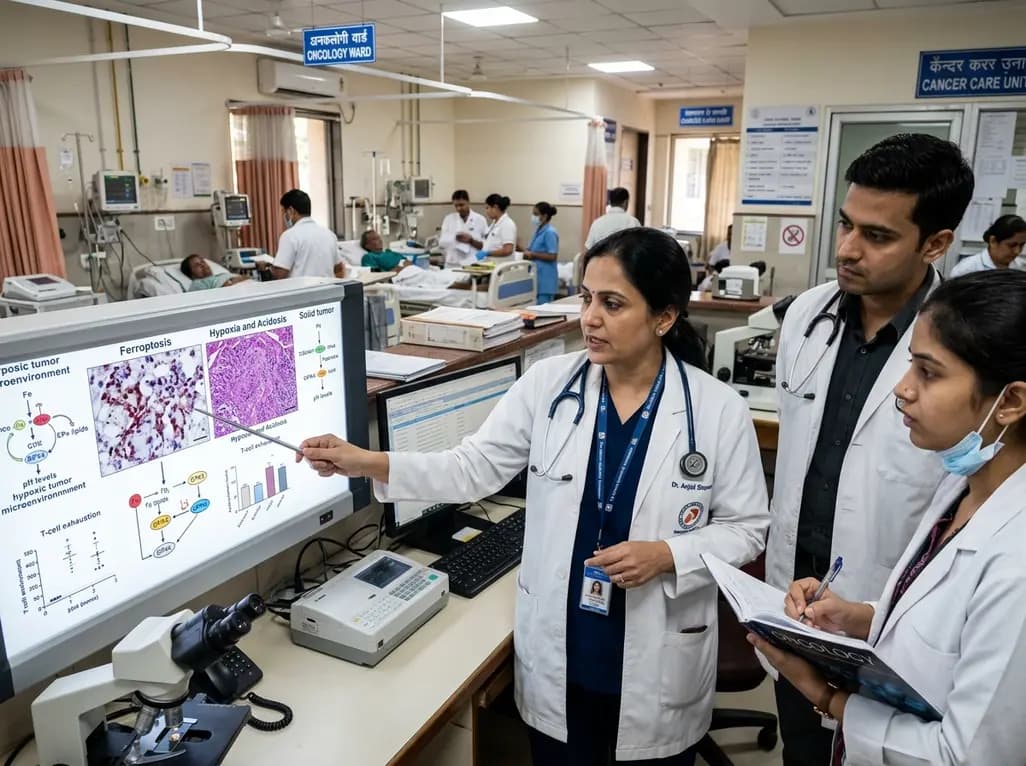
Targeting ferroptosis provides a compelling strategy to dismantle hypoxia- and acidosis-driven immunosuppression in solid tumors, enhancing response to modern immunotherapy.
Today

Findings from Project Viva indicate that sustained postpartum weight retention, rather than excessive gestational weight gain alone, directly worsens women's mid-life cardiovascular health, degrading blood pressure and glycemic parameters decades after delivery.
Today
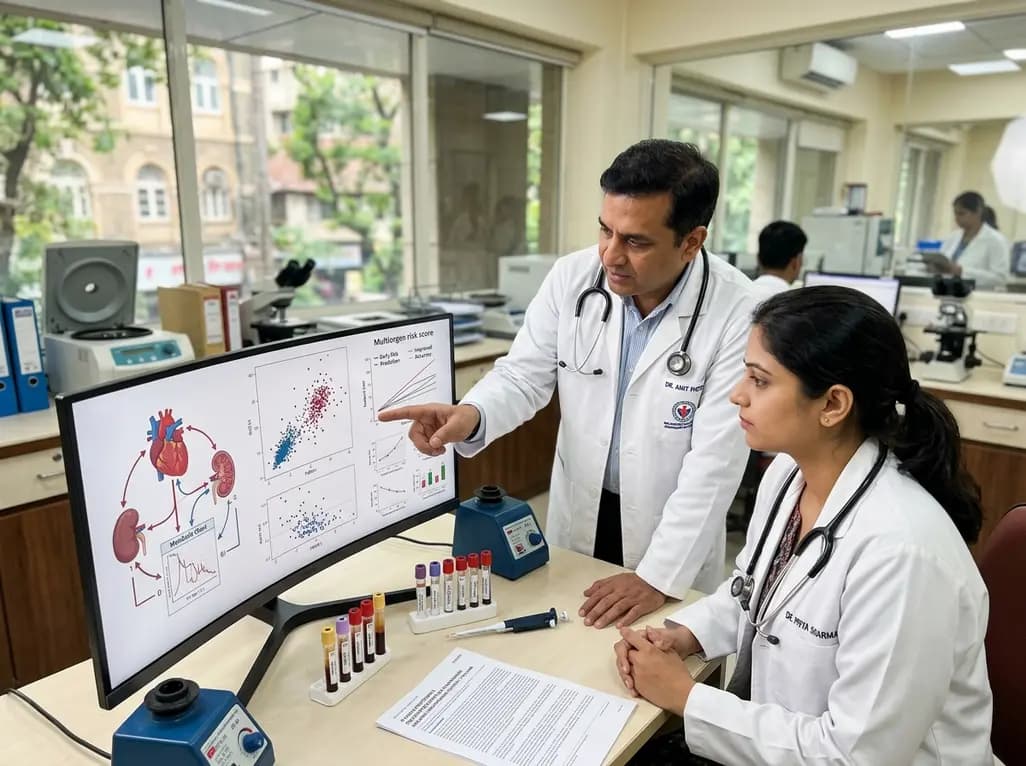
A large UK Biobank study reveals that plasma proteomic signatures capture preclinical organ damage and improve multiorgan risk prediction across early CKM syndrome stages 0 to 2 beyond traditional PREVENT clinical models.
Today

A retrospective CBCT study reveals that superior TMJ space asymmetry correlates moderately with occipital condyle-atlas-axis asymmetry in unilateral TMJ osteoarthritis, highlighting an imaging correlate between jaw biomechanics and upper cervical alignment rather than a standalone diagnostic marker.
Today

A Bayesian multilevel meta-analysis reveals that aerobic training combined with moderate carbohydrate restriction modestly lowers HbA1c in type 2 diabetes. However, sparse data and very low certainty leave incremental benefits over exercise or diet alone unproven, highlighting the need for individualized care.
Today
