.webp&w=384&q=75)

Loading, please wait...
Loading, please wait...

Musculoskeletal disorders represent a principal global cause of chronic disability and persistent pain, imposing an immense clinical burden across healthcare systems. Traditional therapeutic approaches for conditions such as osteoarthritis, rheumatoid arthritis, osteoporosis, intervertebral disc degeneration, and sarcopenia primarily focus on symptomatic relief or non-specific immunosuppression. However, modern pathophysiological insights reveal that persistent tissue degradation stems from a critical imbalance between destructive inflammatory signaling and endogenous resolution pathways. Novel research into next-generation cytokine therapies focuses on modulating newly characterized interleukins, specifically interleukins 34 through 41, to restore immunological equilibrium. This emerging paradigm shifts clinical focus from broad suppression toward targeted modulation of cellular phenotypes, osteoclastogenesis, and matrix preservation. By delineating the distinct functional roles of these interleukin networks, clinicians can better understand the cellular mechanisms driving chronic inflammation and tissue degradation. Integrating these mechanistic advances into clinical knowledge offers significant promise for developing targeted therapeutic strategies that overcome the systemic toxicities and therapeutic resistance frequently associated with first-generation biologic agents.
Within the spectrum of interleukins 34 through 41, a distinct subgroup functions primarily to amplify chronic inflammatory cascades and accelerate structural degeneration in musculoskeletal tissues. Specifically, interleukin-34, interleukin-36, interleukin-39, and interleukin-40 act as potent pro-inflammatory mediators. Interleukin-34 shares functional signaling pathways with colony-stimulating factor-1, promoting monocyte survival, macrophage activation, and osteoclast maturation, which directly accelerates bone erosion in inflammatory arthritis and osteoporosis. Similarly, interleukin-36 cytokines induce the secretion of secondary inflammatory cascades, matrix metalloproteinases, and chemokines from synovial fibroblasts and chondrocytes, compounding extracellular matrix breakdown in osteoarthritic joints. Interleukin-39 and interleukin-40 further drive autoimmune responses and B-cell expansion, sustaining localized tissue damage within inflamed joint microenvironments. The persistent elevation of these pro-inflammatory cytokines prevents spontaneous resolution of inflammation, fueling a continuous cycle of tissue destruction and chondrocyte apoptosis. Understanding how these specific cytokines interact with resident joint cells highlights potential therapeutic targets for interrupting destructive inflammatory loops and protecting cartilage architecture from progressive enzymatic breakdown.
In contrast to pro-inflammatory mediators, another distinct group within this interleukin family exhibits counter-regulatory and tissue-protective properties. Interleukin-35, interleukin-37, interleukin-38, and interleukin-41 serve as critical endogenous suppressors of destructive autoimmune and inflammatory responses. Interleukin-35 and interleukin-37 act by inhibiting T-helper 1 and T-helper 17 cell differentiation, suppressing inflammatory cytokine synthesis, and expanding regulatory T-cell populations that maintain peripheral tolerance. Interleukin-38 acts as a receptor antagonist across specific inflammatory pathways, reducing joint swelling and synovial infiltration in pre-clinical models of arthritis. These pro-resolving cytokines actively promote the transition of pro-inflammatory macrophages into anti-inflammatory phenotypes, thereby creating a permissive microenvironment for tissue repair and matrix deposition. Facilitating endogenous anti-inflammatory activity presents a major opportunity for next-generation cytokine therapies aimed at disease modification rather than mere symptom management. By harnessing these pro-resolving pathways, novel therapeutics may effectively suppress persistent synovial inflammation, prevent pathological bone resorption, and encourage structural stabilization in degenerated joint tissues.
Among the newly characterized cytokines, interleukin-41 stands out due to its dual capacity to coordinate immunomodulatory pathways and systemic metabolic regulation. Musculoskeletal health relies heavily on the intricate cross-talk between skeletal muscle, articular bone, and surrounding soft tissues. Interleukin-41 acts as a key messenger integrating immune cell activity with metabolic homeostasis and muscle fiber regeneration. In conditions like sarcopenia and muscle wasting syndromes, chronic low-grade inflammation impairs satellite cell activation and disrupts mitochondrial function within muscle fibers. Interleukin-41 counters these pathological processes by suppressing catabolic cytokine release, enhancing insulin sensitivity, and promoting satellite cell proliferation essential for myotube formation and structural repair. Furthermore, its immunomodulatory effects reduce intramuscular inflammatory macrophage accumulation, mitigating local muscle fibrosis and degradation. This functional integration renders interleukin-41 a promising candidate for addressable therapeutic targets in complex musculoskeletal disorders where metabolic dysregulation and muscular atrophy co-exist. Translating these unique immunometabolic actions into clinical applications could significantly improve functional outcomes for patients suffering from age-related sarcopenia.
Translating findings from interleukin biology into safe and effective clinical interventions presents several complex scientific challenges. A major biological hurdle is cytokine redundancy, wherein multiple interleukins share signaling receptors or downstream intracellular pathways, potentially compromising therapeutic selectivity. Furthermore, patient heterogeneity in musculoskeletal disorders means that identical clinical presentations may be driven by distinct inflammatory endotypes. Developing precise biomarker panels for patient stratification is essential to identify individuals who are most likely to respond to targeted interleukin inhibition or administration. Pharmacokinetic considerations, such as achieving adequate local intra-articular bio-distribution without eliciting systemic immunosuppression or organ toxicity, remain paramount. Modern molecular engineering strategies, including bispecific antibodies, localized gene delivery systems, and receptor-biased cytokine variants, are currently being developed to overcome these limitations. Addressing safety concerns related to off-target immune suppression or paradoxical hyper-inflammation requires careful dose titration and continuous safety monitoring during early-phase clinical evaluations. Navigating these translational barriers is essential to successfully transition novel cytokine-based strategies from pre-clinical research into routine clinical practice.
The future of managing musculoskeletal conditions increasingly relies on precise, mechanistically guided biologic therapies tailored to individual inflammatory profiles. As research into next-generation cytokine therapies continues to mature, targeted interventions against specific interleukin targets will likely complement or replace broad-spectrum anti-inflammatory agents. Integrating high-throughput multi-omics technologies with deep clinical profiling will allow clinicians to pinpoint specific cytokine imbalances in conditions such as rheumatoid arthritis, intervertebral disc disease, and osteoarthritis. This personalized medicine approach ensures that patients receive interventions tailored to their specific immunological profile, maximizing therapeutic efficacy while reducing non-response rates. Furthermore, combination therapeutic strategies that simultaneously block pro-inflammatory mediators while augmenting pro-resolving interleukins offer a promising framework for total inflammatory control and structural tissue repair. Continuous collaboration between immunologists, rheumatologists, and orthopedic specialists will be vital in refining clinical trial designs and establishing standardized guidelines for monitoring biological outcomes. Ultimately, these advanced cytokine-targeted paradigms hold substantial promise for revolutionizing treatment algorithms and improving long-term outcomes for patients worldwide.
Conventional biologic therapies primarily target single, broad pro-inflammatory cytokines such as tumor necrosis factor-alpha or interleukin-6 to suppress systemic inflammation. In contrast, next-generation cytokine therapies focus on precise interleukin networks, specifically interleukins 34 through 41. These novel approaches aim to balance pro-inflammatory signals with endogenous pro-resolving and metabolic pathways. This targeted mechanism enhances tissue repair, minimizes systemic immunosuppression, and offers tailored disease-modifying treatment options for complex musculoskeletal diseases.
Interleukin-41 acts as a unique immunometabolic regulator that integrates immune system modulation with muscle tissue repair. It suppresses damaging chronic inflammatory signaling while enhancing local metabolic homeostasis and satellite cell proliferation in skeletal muscle. By promoting myotube repair and reducing intramuscular inflammatory macrophage accumulation, interleukin-41 helps counter tissue wasting and functional decline, making it a valuable target in managing sarcopenia and inflammatory muscle disorders.
Translating novel cytokine discoveries into clinical practice requires overcoming cytokine redundancy, patient disease heterogeneity, and delivery challenges. Multiple interleukins share signaling pathways, which can cause off-target effects or limited selectivity. Additionally, identifying specific disease endotypes through validated biomarkers is essential to select patients who will benefit most. Specialized drug delivery systems are also needed to ensure effective intra-articular target engagement while avoiding systemic toxicities.
Disclaimer: This content is for informational and educational purposes only and does not constitute professional medical advice, diagnosis, or treatment. Refer to the latest local and national guidelines for clinical practice.
References

Read summarized clinical updates, watch expert medical content, and earn CME certifications right from your smartphone.
Open your smartphone camera to scan and install.





An insightful analysis of next-generation cytokine therapies targeting interleukins 34 through 41, highlighting pro-inflammatory mechanisms, pro-resolving pathways, metabolic integration, and key translational strategies for major musculoskeletal disorders.
last month

Clinical guidelines rely heavily on isolated biomarkers like IGF-1 and HbA1c. However, portal insulin delivery fundamentally gates hepatic growth hormone sensitivity. This physiological continuum unites type 1 and type 2 diabetes, obesity, cirrhosis, and acromegaly, challenging conventional treatment strategies.
Today
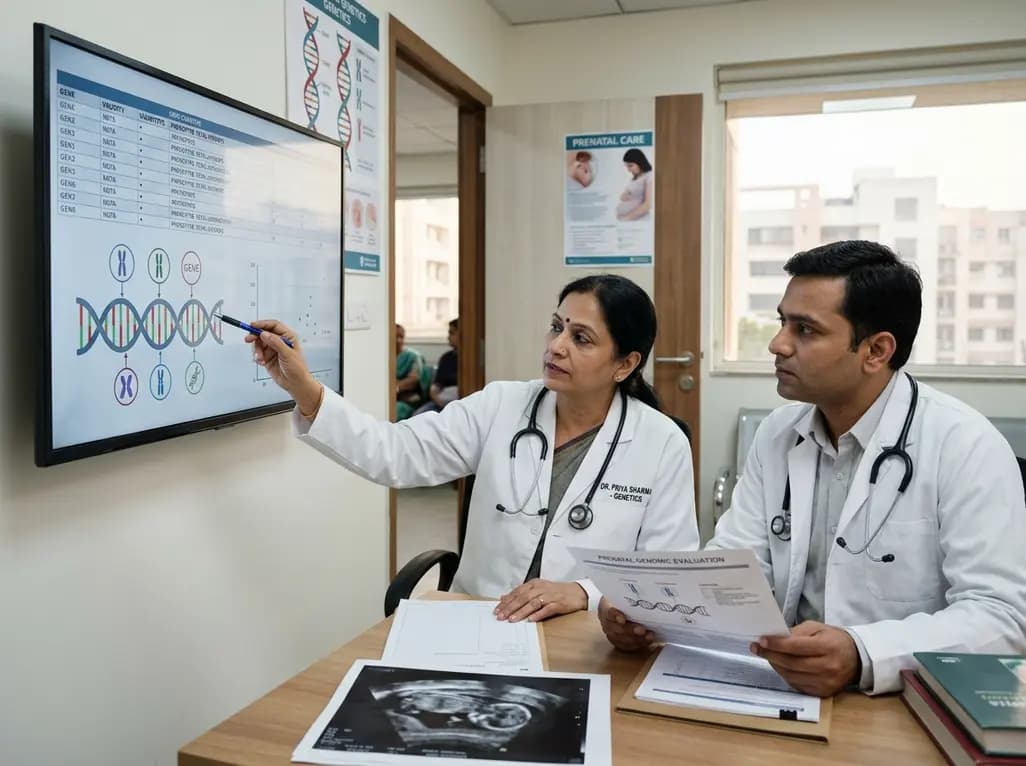
The ClinGen Prenatal Gene Curation Expert Panel evaluated 63 disease relationships across 61 genes, establishing clinical validity for severe fetal phenotypes like hydrops and stillbirth to enhance prenatal genomic interpretation and clinical care.
Today

A metataxonomic study reveals distinct gut bacteriome biomarkers in type 2 diabetes, obesity, and cardiovascular complications, identifying specific bacterial shifts that pave the way for precision metabolic medicine.
Today

A psychometric validation study confirms that the Turkish Copenhagen Hip and Groin Outcome Score (HAGOS-T) offers excellent reliability, construct validity, and interpretability for patients with hip osteoarthritis, providing clinicians with a robust tool for functional assessment.
Today

A global dose-response meta-analysis of 8.8 million adults reveals that consuming an extra 100 grams of processed food daily raises cardiovascular event risk by 14%. Explore how industrial additives, systemic inflammation, and metabolic disruption heighten long-term multimorbidity and cardiometabolic risks.
Today
