.webp&w=384&q=75)

Loading, please wait...
Loading, please wait...

Metabolic disorders represent an escalating public health crisis across the globe. Increasingly, researchers recognize gut bacteriome biomarkers as pivotal modulators of human metabolism and systemic inflammation. However, many patients with type 2 diabetes or obesity show suboptimal responses to standard medical therapies. This variability highlights an urgent need for personalized metabolic medicine. While Western cohorts undergo frequent analysis, researchers rarely profile populations from North Africa and South Asia. A recent metataxonomic study in Tunisia evaluated ninety-five participants across distinct metabolic classifications. Specifically, investigators analyzed non-diabetic controls, obese subjects, diabetic patients, and diabetic individuals with cardiovascular complications. Using Illumina MiSeq sequencing of 16S rDNA regions, researchers identified significant shifts in bacterial communities. Consequently, these molecular findings offer novel clinical perspectives for managing cardiometabolic diseases. Therefore, understanding regional microbial configurations can refine diagnosis and therapeutic stratification worldwide. Furthermore, identifying altered bacterial profiles clarifies the biological mechanisms driving progressive metabolic dysfunction. Clinicians can subsequently utilize these distinct signatures to anticipate disease progression.
The metataxonomic investigation revealed pronounced intestinal dysbiosis among obese participants. Specifically, obese individuals exhibited significant depletions in beneficial mucin-degrading and lactic acid-producing taxa. Levels of Akkermansia dropped substantially, alongside a measurable reduction in Ligilactobacillus abundance. Because Akkermansia preserves intestinal mucosal integrity, its loss often permits systemic endotoxin translocation. In contrast, the gut profile displayed a notable enrichment of Bifidobacterium, Sutterella, and Erysipelatoclostridium. Although clinicians frequently consider Bifidobacterium beneficial, certain species adapt uniquely to metabolic stress. Furthermore, the expansion of Sutterella poses clinical concerns due to its proinflammatory properties. Sutterella species frequently degrade local immune defenses and increase gastrointestinal inflammation. Additionally, Erysipelatoclostridium correlates strongly with impaired lipid storage and elevated body weight. Consequently, this altered bacterial balance accelerates low-grade systemic inflammation and metabolic deterioration. Therefore, dysbiosis in obesity represents an active driver of disease rather than a passive bystander. Targeted dietary interventions targeting these specific taxa may halt metabolic progression early.
When patients progress to overt type 2 diabetes, the intestinal ecosystem changes dramatically. In this study, diabetic individuals displayed distinctive taxonomic signatures compared to non-diabetic controls. Most notably, researchers discovered a marked intestinal overgrowth of Shigella among diabetic patients. Shigella functions as an opportunistic pathogen that releases inflammatory lipopolysaccharides into the circulation. Consequently, this endotoxin surge impairs insulin sensitivity and induces continuous pancreatic beta-cell stress. Concurrently, the investigators observed significant reductions in the Clostridia vadin BB 60 group. Diabetic participants also exhibited a prominent loss of Oscillospiraceae UCG 005. These depleted bacterial groups normally synthesize short-chain fatty acids, including butyrate. Because butyrate fuels colonocytes and modulates systemic inflammation, its depletion damages gut barrier health. In addition, losing these regulatory microbes exacerbates postprandial glycemic excursions. Thus, diabetic dysbiosis reflects both the proliferation of toxic enterobacteria and the loss of protective commensals. Restoring these depleted taxa could become a vital objective in comprehensive diabetes management.
The clinical risk escalates substantially when type 2 diabetes coincides with obesity and cardiovascular complications. In this vulnerable cohort, the metataxonomic analysis identified extensive depletion of protective commensal organisms. Specifically, patients demonstrated significant reductions in Asteroleplasma, Oscillospiraceae UCG 005, and Romboutsia. Furthermore, researchers documented an extreme depletion of the Eubacterium ruminantium group in these patients. These commensal bacteria normally generate essential metabolites that maintain endothelial function and vascular tone. Consequently, losing these microbial allies weakens vascular protection and accelerates arterial wall damage. In contrast, the gut bacteriome of complicated diabetic patients showed an overabundance of Fusicatenibacter. While Fusicatenibacter produces short-chain fatty acids in healthy intestines, its excessive expansion signals metabolic stress. This distorted microbial configuration correlates with chronic endothelial inflammation and atherogenesis. Therefore, severe dysbiosis serves as a biological indicator of advanced cardiometabolic pathology. Monitoring these bacterial shifts could help clinicians stratify cardiovascular risk much earlier in diabetic care.
These scientific findings offer immediate relevance for clinicians addressing the global epidemic of non-communicable diseases. Currently, physicians manage diabetes using uniform clinical guidelines, despite massive inter-individual variability in drug response. By profiling gut bacteriome biomarkers, clinicians can categorize patients into individualized metabolic sub-phenotypes. For example, patients harboring elevated opportunistic pathogens require distinct nutritional strategies compared to those lacking butyrate producers. Furthermore, these observations carry critical lessons for healthcare practitioners in India. India currently confronts an unprecedented cardiometabolic crisis, caring for over one hundred million diabetic citizens. Moreover, the unique Asian Indian phenotype presents high visceral adiposity alongside severe cardiovascular risk at younger ages. Dietary traditions in India shape an intestinal microbiome that differs substantially from Western populations. Therefore, relying solely on Western microbial data limits effective clinical translation in Indian clinics. Incorporating regional microbiome profiling enables Indian doctors to design tailored dietary, prebiotic, and probiotic interventions. Consequently, precision diabetology can significantly curb chronic vascular complications and improve public health outcomes.
Specific gut bacteriome biomarkers provide sensitive, objective indicators of intestinal barrier integrity and metabolic health. When clinicians quantify levels of beneficial taxa like Akkermansia or opportunistic pathogens such as Shigella, they can assess underlying low-grade inflammation before conventional blood markers show severe abnormalities. Consequently, these microbial signatures enable healthcare practitioners to identify early metabolic dysregulation, tailor individualized dietary regimens, and monitor patient responses to therapeutic interventions effectively.
Oscillospiraceae and Clostridia vadin BB 60 represent critical producers of short-chain fatty acids, notably butyrate, which maintain the mucosal barrier and stimulate metabolic signaling pathways. When these protective bacterial taxa become depleted, intestinal permeability increases, allowing toxic bacterial lipopolysaccharides to leak into systemic circulation. This process triggers chronic systemic inflammation, exacerbates peripheral insulin resistance, and accelerates pancreatic beta-cell dysfunction. Therefore, preserving these specific microbial populations is essential for maintaining optimal metabolic homeostasis.
Gut dysbiosis in diabetic individuals promotes vascular pathology through chronic endotoxemia and altered microbial metabolite synthesis. The profound depletion of beneficial commensals, such as Romboutsia and Eubacterium ruminantium, reduces vascular-protective short-chain fatty acids while promoting inflammatory bacterial overgrowth. Consequently, circulating inflammatory mediators damage vascular endothelium, induce oxidative stress, and accelerate atherogenesis. Furthermore, impaired bile acid and lipid metabolism by dysbiotic microbiota worsens dyslipidemia, substantially amplifying the overall risk of macrovascular cardiovascular events.
Disclaimer: This content is for informational and educational purposes only. It is not intended to be a substitute for professional medical advice, diagnosis, or treatment. Always seek the advice of your physician or another qualified health provider with any questions you may have regarding a medical condition. Never disregard professional medical advice or delay in seeking it because of something you have read on this website. Refer to the latest local and national guidelines for clinical practice.
References

Read summarized clinical updates, watch expert medical content, and earn CME certifications right from your smartphone.
Open your smartphone camera to scan and install.





A metataxonomic study reveals distinct gut bacteriome biomarkers in type 2 diabetes, obesity, and cardiovascular complications, identifying specific bacterial shifts that pave the way for precision metabolic medicine.
Today
Researchers have engineered HER2-targeted AIE nanotheranostics to overcome SHR-A1811 resistance in breast cancer. By inducing immunogenic pyroptosis and reprogramming tumor-associated macrophages, this multimodal nanoplatform achieves near-complete tumor regression in refractory preclinical models.
Today
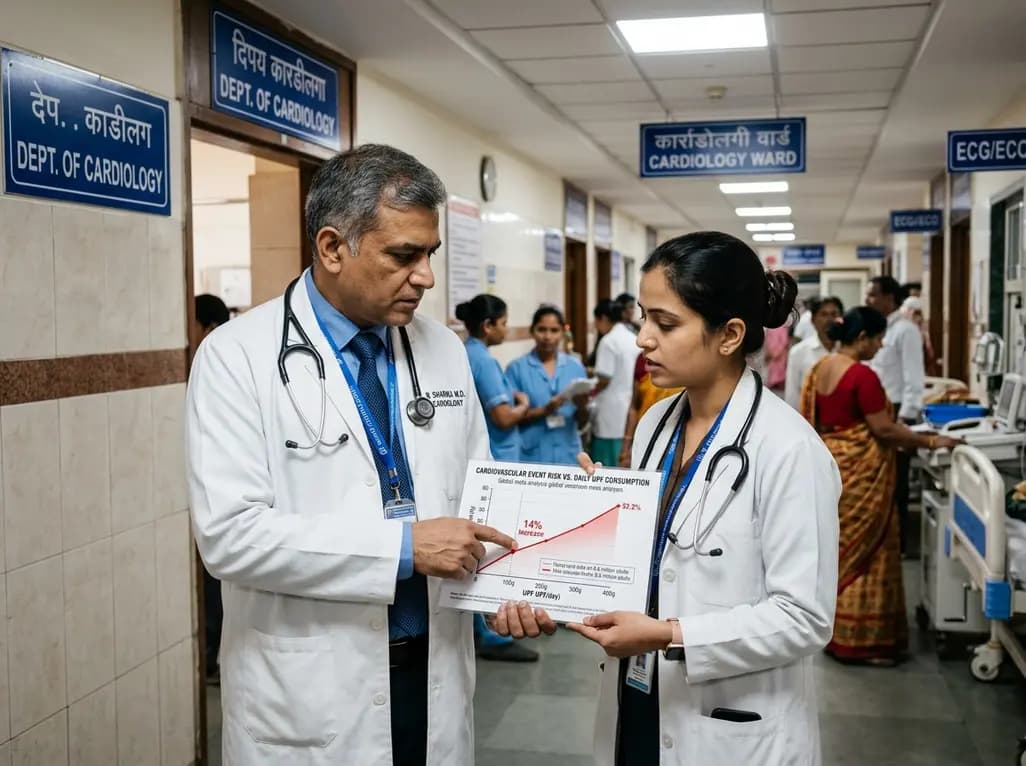
A global dose-response meta-analysis of 8.8 million adults reveals that consuming an extra 100 grams of processed food daily raises cardiovascular event risk by 14%. Explore how industrial additives, systemic inflammation, and metabolic disruption heighten long-term multimorbidity and cardiometabolic risks.
Today
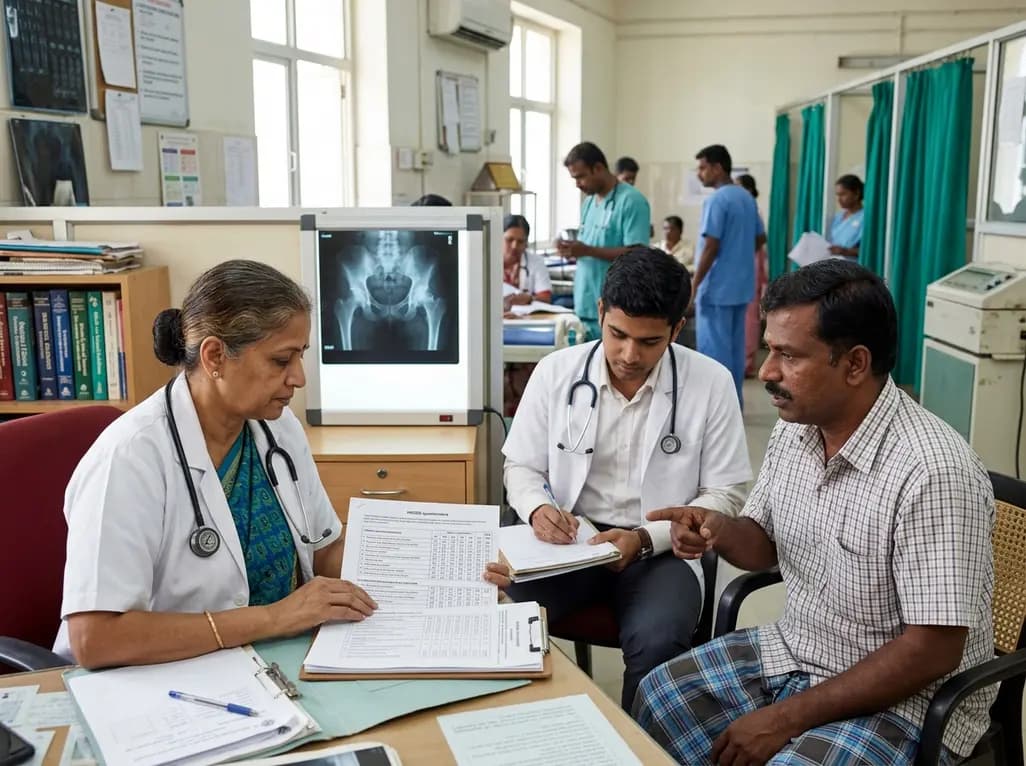
A psychometric validation study confirms that the Turkish Copenhagen Hip and Groin Outcome Score (HAGOS-T) offers excellent reliability, construct validity, and interpretability for patients with hip osteoarthritis, providing clinicians with a robust tool for functional assessment.
Today
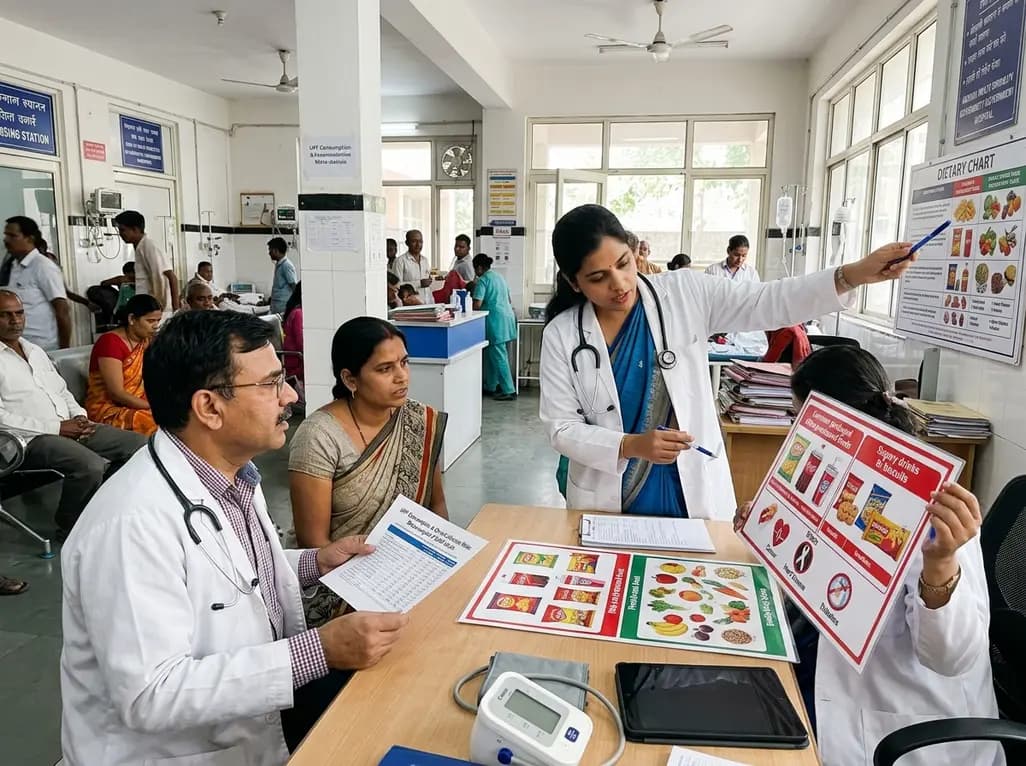
A landmark dose-response meta-analysis of 8.8 million adults reveals that high ultra-processed food intake significantly elevates risks for cardiovascular disease, cancer, diabetes, depression, and all-cause mortality, highlighting urgent needs for clinical lifestyle interventions.
Today
