.webp&w=384&q=75)

Loading, please wait...
Loading, please wait...
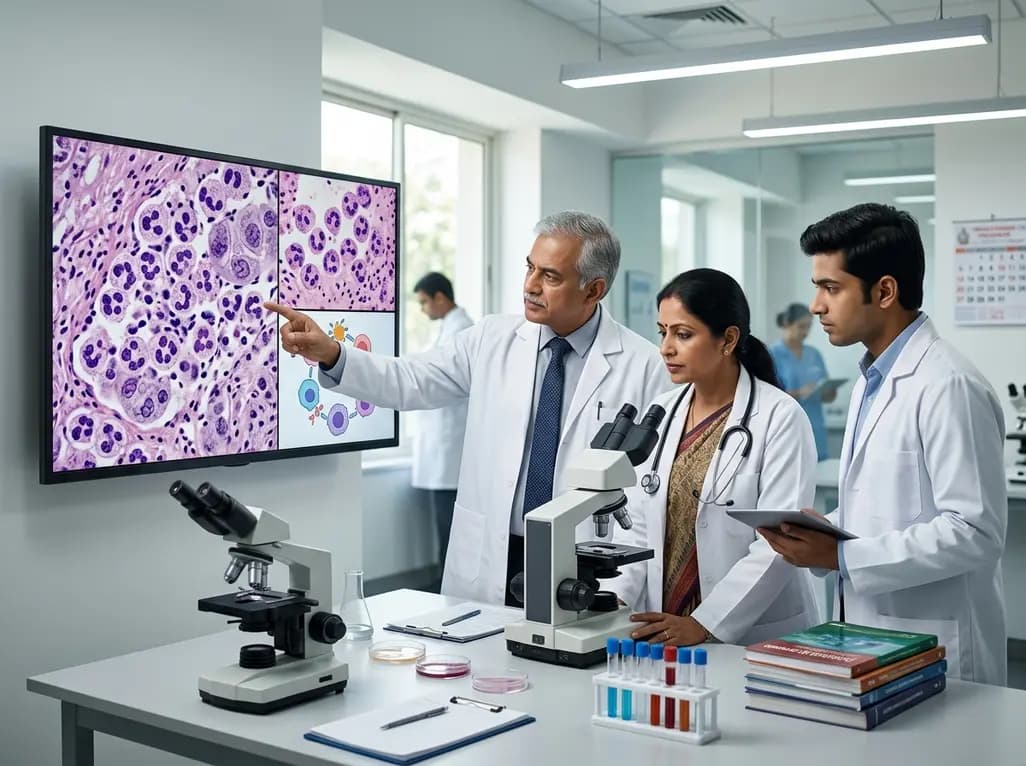
Historically, clinicians viewed neutrophils as simple, short-lived effector cells primarily responsible for the acute response to bacterial and fungal infections. However, modern research has radically transformed this perspective. We now understand that these cells act as complex "chameleons" within the immune system. They possess an extraordinary capacity to modulate immune responses far beyond their traditional microbicidal roles. Specifically, neutrophil biology and inflammation are now central themes in the study of cancer progression and chronic inflammatory diseases. These cells utilize a sophisticated toolkit, including cytokines, chemokines, and reactive oxygen species, to shape the local tissue environment. Consequently, their presence in a tissue can either promote healing or cause significant collateral damage. Furthermore, the ability of neutrophils to adapt their phenotype based on microenvironmental cues makes them critical players in multispecialty clinical practice. In India, where chronic infections and rising cancer rates coexist, understanding these nuances is essential for improving patient outcomes. Subsequently, researchers are investigating how to harness or inhibit these cells to treat complex pathologies. This shift in understanding suggests that neutrophils are not just foot soldiers but rather strategic orchestrators of the innate and adaptive immune systems.
The functionality of a neutrophil is largely defined by its arsenal of granules, which form during specific stages of maturation in the bone marrow. These include azurophilic, specific, and tertiary granules, alongside highly mobile secretory vesicles. Each type contains a distinct set of proteins and enzymes designed for specific inflammatory tasks. For instance, azurophilic granules contain myeloperoxidase and proteolytic enzymes like elastase, which are potent anti-pathogen tools. However, the premature release or misfolding of these proteins can lead to severe tissue injury. Interestingly, the release of these granules occurs in a strictly regulated, hierarchical manner. Specifically, secretory vesicles are released most easily, followed by gelatinase and specific granules, with azurophilic granules requiring the strongest activation signals. Therefore, the degree of neutrophil activation directly dictates the chemical composition of the inflammatory site. Moreover, the biology of granule formation in progenitors remains a vibrant area of study. Misplacement of granule contents during maturation can lead to dysfunctional immune responses. Understanding these intracellular trafficking mechanisms allows scientists to identify potential targets for anti-inflammatory therapies. By modulating degranulation, clinicians might one day prevent the destructive aspects of neutrophil activity while preserving their protective functions.
In the context of oncology, neutrophils exhibit remarkable plasticity, often adopting either pro-tumor or anti-tumor phenotypes. Scientists frequently categorize these as N1 (anti-tumor) and N2 (pro-tumor) states, although the reality is likely a spectrum of functional stages. Pro-tumor neutrophils can facilitate angiogenesis by releasing vascular endothelial growth factor (VEGF) and matrix metalloproteinases. Additionally, they may suppress the activity of cytotoxic T cells, thereby allowing the tumor to escape immune surveillance. Conversely, anti-tumor neutrophils can directly kill cancer cells through the production of reactive oxygen species or by activating adaptive immune responses. Notably, the balance between these two states is influenced by cytokines like TGF-beta and various metabolic signals within the tumor microenvironment. Recent studies using single-cell RNA sequencing have identified at least ten distinct functional states of neutrophils across different cancer types. This diversity highlights why neutrophil biology and inflammation are so difficult to target clinically. However, it also opens the door for precision medicine. Specifically, if we can reprogram N2 neutrophils back into an N1 state, we could significantly enhance the efficacy of existing immunotherapies. Therefore, neutrophils represent a promising yet challenging frontier in modern cancer treatment.
While neutrophils are essential for host defense, their effector mechanisms can become double-edged swords. One of the most striking examples is the formation of neutrophil extracellular traps (NETs). These are mesh-like structures of decondensed chromatin decorated with antimicrobial proteins. While NETs effectively capture and kill pathogens, they also serve as potent triggers for thrombosis and autoantibody production. In chronic conditions such as rheumatoid arthritis or systemic lupus erythematosus, excessive NET formation contributes to persistent inflammation and organ damage. Furthermore, neutrophils use regulated cell death pathways, such as NETosis and pyroptosis, to release these inflammatory mediators. These processes are not always lytic; vital NETosis allows the cell to release traps while maintaining other immune functions. Consequently, the persistence of these traps in the circulation can lead to small vessel damage and contribute to the pathology of sepsis. Additionally, the release of granule secretory proteins into the extracellular space can degrade the basement membrane and healthy connective tissue. Thus, the very tools intended to protect the host often cause the most significant morbidity in chronic inflammatory states. Controlling this "collateral damage" is a primary goal for researchers developing next-generation anti-inflammatory drugs.
The therapeutic landscape for neutrophil-related diseases is rapidly expanding, with strategies focusing on depletion, inhibition, or restoration of function. For example, nanotechnology-based delivery systems are being developed to target anti-inflammatory drugs directly to neutrophils. These nanoparticles can be internalized by the cells, allowing for localized delivery at the site of inflammation. Furthermore, specific inhibitors of CXCR2 are being tested to block the recruitment of neutrophils to tumors or inflamed tissues. Another promising approach involves the use of DNase to degrade neutrophil extracellular traps in conditions like cystic fibrosis or severe COVID-19. However, complete depletion of neutrophils is rarely desirable due to the high risk of opportunistic infections. Therefore, the focus is shifting toward "immunomodulation" rather than simple suppression. Specifically, clinicians hope to restore the balance between effective pathogen clearance and tissue preservation. In the Indian clinical context, where antibiotic resistance is a major concern, enhancing the natural bactericidal capacity of neutrophils could provide a vital alternative to traditional treatments. Ultimately, a deeper understanding of the molecular factors controlling granule release and cell death will pave the way for more nuanced clinical interventions. The chameleon-like nature of these cells remains their most challenging and exciting feature.
Neutrophil granules are formed sequentially during myelopoiesis in the bone marrow. The contents are determined by the specific genes expressed at each maturation stage, such as the promyelocyte or myelocyte stage. Azurophilic granules contain peroxidase, while specific and tertiary granules contain lactoferrin and gelatinase. This organized synthesis ensures that the cell has a diverse chemical arsenal ready for hierarchical release based on the severity of the inflammatory stimulus.
Neutrophils drive chronic inflammation by continuously releasing pro-inflammatory cytokines, reactive oxygen species, and neutrophil extracellular traps (NETs). These mediators can damage healthy tissue, promote the recruitment of other immune cells, and even trigger autoimmune responses. Specifically, the persistence of NETs provides a scaffold for platelet activation and autoantibody formation, which sustains the inflammatory cycle in diseases like rheumatoid arthritis and small-vessel vasculitis, leading to long-term organ damage.
Yes, researchers are exploring ways to modulate tumor-associated neutrophils (TANs). Strategies include blocking the signals that recruit pro-tumor (N2) neutrophils to the tumor site or using drugs to reprogram them into an anti-tumor (N1) phenotype. Additionally, because neutrophils naturally home to tumors, they are being investigated as vehicles for targeted drug delivery. By harnessing their plasticity, clinicians hope to reduce tumor growth and enhance the body's natural anti-cancer immune response.
Disclaimer: This content is for informational and educational purposes only and does not constitute medical advice. It is not intended to be a substitute for professional medical advice, diagnosis, or treatment. Always seek the advice of your physician or other qualified health provider with any questions you may have regarding a medical condition. Refer to the latest local and national guidelines for clinical practice.
References
Zhu YP et al. Neutrophils as chameleons of tissue inflammation and host-pathogen interactions. Blood. 2026 Jul 09. doi: 10.1182/blood.2025029580. PMID: 42424053.
Liew PX, Kubes P. The Neutrophil's Role During Health and Disease. Physiological Reviews. 2019;99(2):1223-1248.
Uribe-Querol E, Rosales C. Neutrophils in Cancer: Two Sides of the Same Coin. Journal of Immunology Research. 2015;2015:230259.
Papayannopoulos V. Neutrophil extracellular traps in immunity and disease. Nature Reviews Immunology. 2018;18(2):134-147.
"
Read summarized clinical updates, watch expert medical content, and earn CME certifications right from your smartphone.
Open your smartphone camera to scan and install.





Neutrophils are no longer viewed simply as first responders to infection. Recent research highlights their role as "chameleons" in cancer, chronic inflammation, and immunomodulation. Understanding neutrophil biology and inflammation is key to developing new therapies for hematology and oncology.
3 months ago

As monsoon seasons elevate arboviral disease threats, Tamil Nadu has initiated an ICMR-monitored evaluation of the tetravalent dengue vaccine in Tenkasi district. Clinicians emphasize clinical monitoring, public prevention, and high-quality early pediatric care to reduce disease morbidity across endemic regions.
Today

A comparative cohort study evaluates vNOTES vs TLH hysterectomy for benign conditions, demonstrating shorter operative duration, faster return to daily activities, and equivalent female sexual function scores without increased dyspareunia.
Today

Review how tailored exercise programs benefit frail older patients with heart failure. Explore pathophysiological mechanisms, individualized training prescriptions, and strategies to overcome adherence barriers in clinical practice.
Today

This comparative study evaluates posterior labral tears with and without glenohumeral instability, highlighting distinct demographic patterns, MRI underestimation in stable shoulders, and successful arthroscopic repair outcomes.
Today

A clinical study demonstrates that early intervention with tocilizumab, either as monotherapy or bridged with corticosteroids, achieves significant proptosis reduction and resolves active inflammation in treatment-naive thyroid eye disease.
Today
