.webp&w=384&q=75)

Loading, please wait...
Loading, please wait...

Non-contact ACL injuries represent a major challenge for competitive athletes who perform high-speed pivoting and landing maneuvers. Recent research highlights how neuromuscular training for ACL prevention can effectively address these risks through targeted biomechanical improvements. A four-week program significantly enhances functional performance, offering a time-efficient strategy for injury mitigation in collegiate sports.
The study involved thirty collegiate athletes participating in a 12-session training protocol. This program integrated dynamic stabilization, plyometrics, and agility drills to retrain movement patterns. Consequently, participants showed remarkable gains in the Y-Balance Test (YBT) and the Single Leg Squat Test (SLST). These improvements suggest that even a short-term intervention can modify dangerous biomechanical traits.
Participants achieved an 11.8% improvement in their composite YBT scores, indicating better dynamic balance. Furthermore, the Illinois Agility Test times decreased by 4.6%, proving enhanced speed and coordination. Most notably, the SLST scores rose by 32.3%, which demonstrates superior knee stability during single-leg movements. These results underscore the potential for rapid physiological adaptation through structured exercise.
Clinicians should consider implementing these protocols during the pre-season or mid-season breaks. Because the program requires only four weeks, it fits easily into a busy athletic schedule. Moreover, the focus on proprioception and dynamic stabilization helps athletes maintain control during high-risk maneuvers. Therefore, this evidence-based approach provides a practical solution for reducing the high incidence of knee injuries in young adults.
The program includes dynamic stabilization, plyometric drills, proprioceptive exercises, and agility training. These components work together to improve balance and reaction times during athletic activities.
Yes, the study indicates that 12 sessions over four weeks can lead to significant improvements in biomechanical risk factors. However, athletes should continue maintenance training to sustain these functional gains.
Disclaimer: This content is for informational and educational purposes only and does not constitute medical advice. Always consult a qualified healthcare professional for diagnosis or treatment. Refer to the latest local and national guidelines for clinical practice.
References
1. Rathore N et al. Neuromuscular training for ACL injury prevention in collegiate athletes: a four-week program improves biomechanical risk factors and functional performance. J Sports Med Phys Fitness. 2026 May 21. doi: 10.23736/S0022-4707.26.17943-2. PMID: 42166175.
2. Myer GD, Ford KR, Palumbo JP, Hewett TE. Neuromuscular training improves performance and lower-extremity biomechanics in female athletes. J Strength Cond Res. 2005;19(1):51-60.
3. Mandelbaum BR et al. Effectiveness of a neuromuscular and proprioceptive training program in preventing anterior cruciate ligament injuries in female athletes: 2-year follow-up. Am J Sports Med. 2005;33(7):1003-1010.

Read summarized clinical updates, watch expert medical content, and earn CME certifications right from your smartphone.
Open your smartphone camera to scan and install.





A study shows that 12 sessions of neuromuscular training over four weeks improves functional performance and reduces ACL injury risk in collegiate athletes....
5 months ago
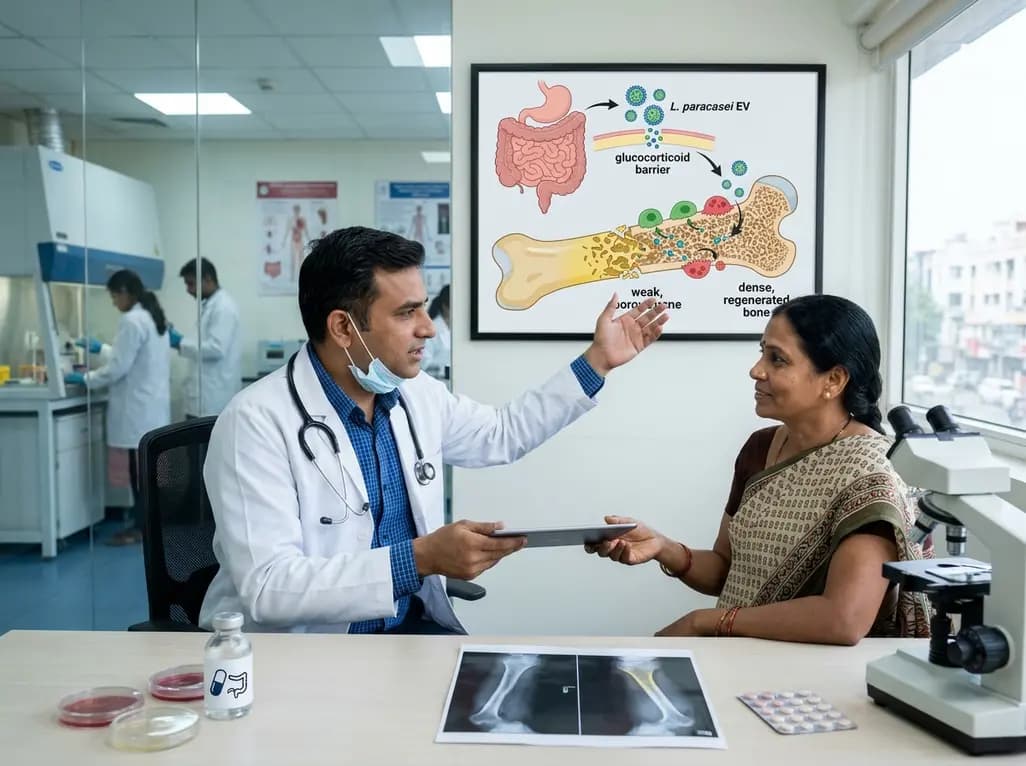
A novel oral nanoplatform using Lacticaseibacillus paracasei-derived extracellular vesicles delivers alendronate, reversing glucocorticoid-induced bone loss and restoring gut-immune-bone homeostasis.
Today
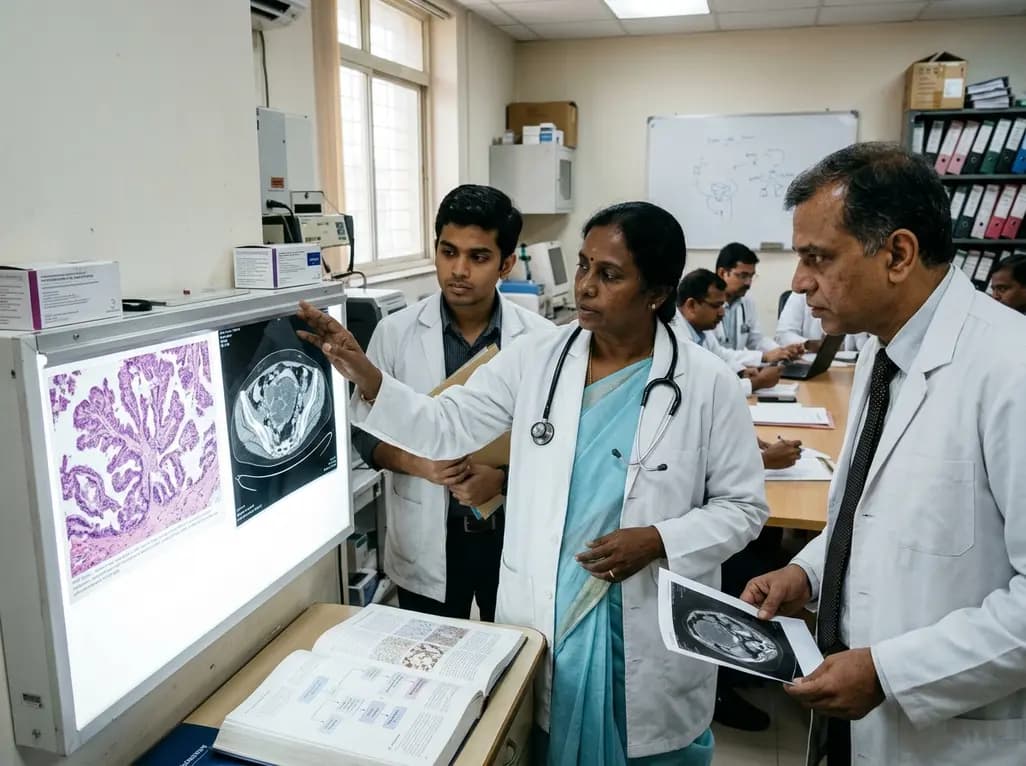
A rare presentation of cervical villoglandular adenocarcinoma metastasizing to the ovary mimicked a borderline ovarian tumor. Multimodal testing with immunohistochemistry and HPV16 DNA confirmed metastatic origin, guiding optimal surgical and chemoradiotherapy intervention.
Today
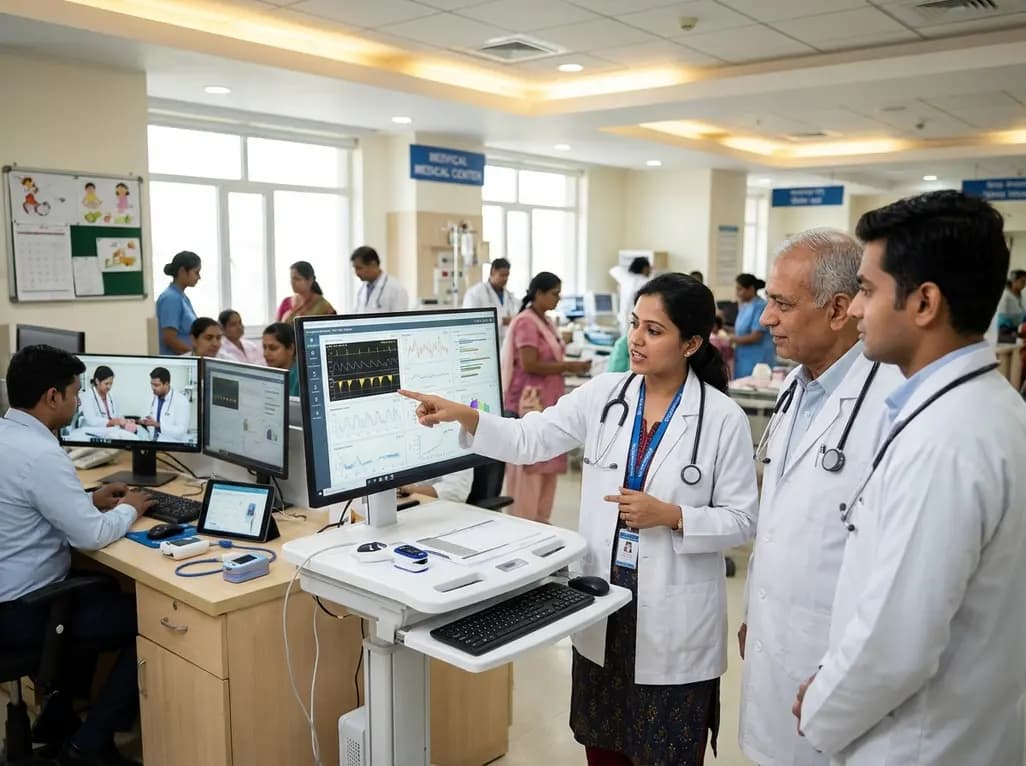
A landmark study details how an enterprise pediatric remote patient management model expanded from a single cardiology pilot to 16 diverse specialty programs by combining centralized digital operations with specialty clinical leadership.
Yesterday
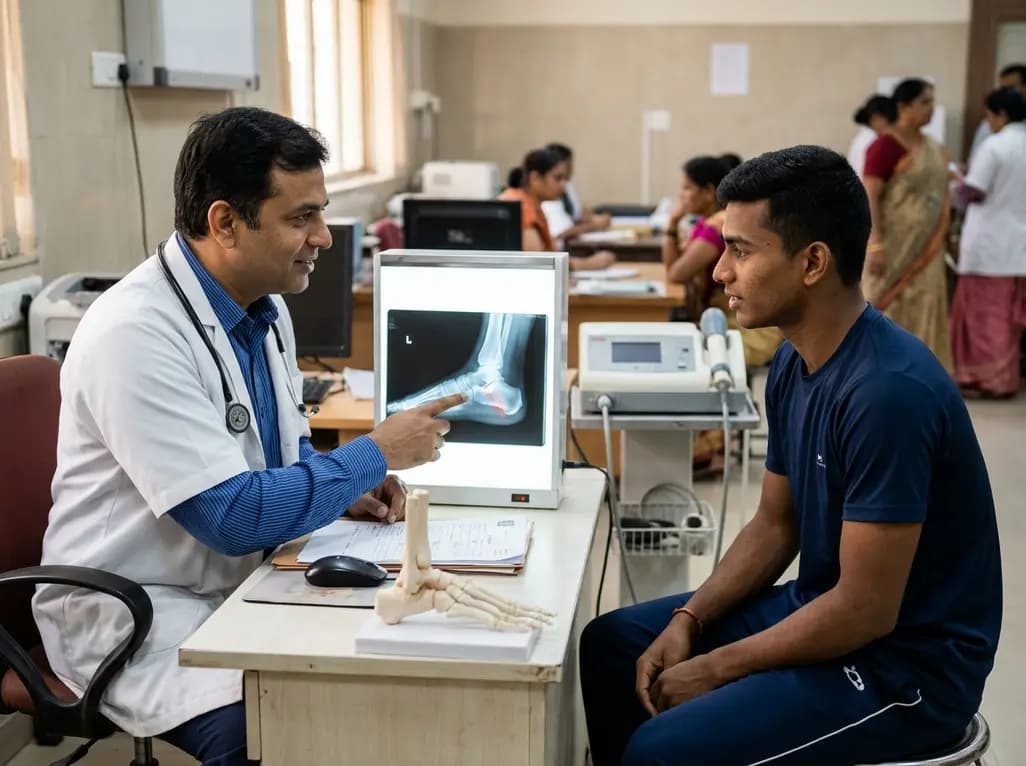
A collegiate hurdler with a 2-year neglected Degan type III anterior process calcaneus fracture achieved complete pain resolution and bony bridging using focused extracorporeal shock wave therapy, returning to competition without invasive surgery.
Today
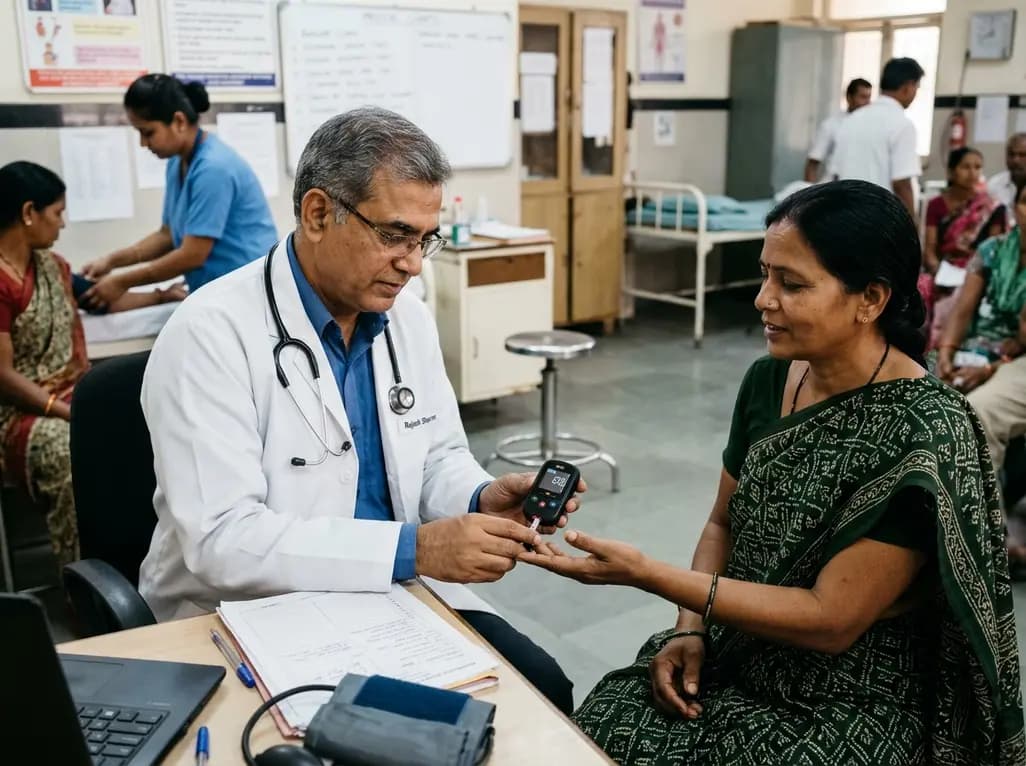
A real-world trial evaluating a near-infrared spectroscopy noninvasive glucose monitoring device in adults with type 2 diabetes demonstrated a combined MAD/MARD of 16.3 across 2,616 paired readings, highlighting its clinical feasibility.
Today
