.webp&w=384&q=75)

Loading, please wait...
Loading, please wait...
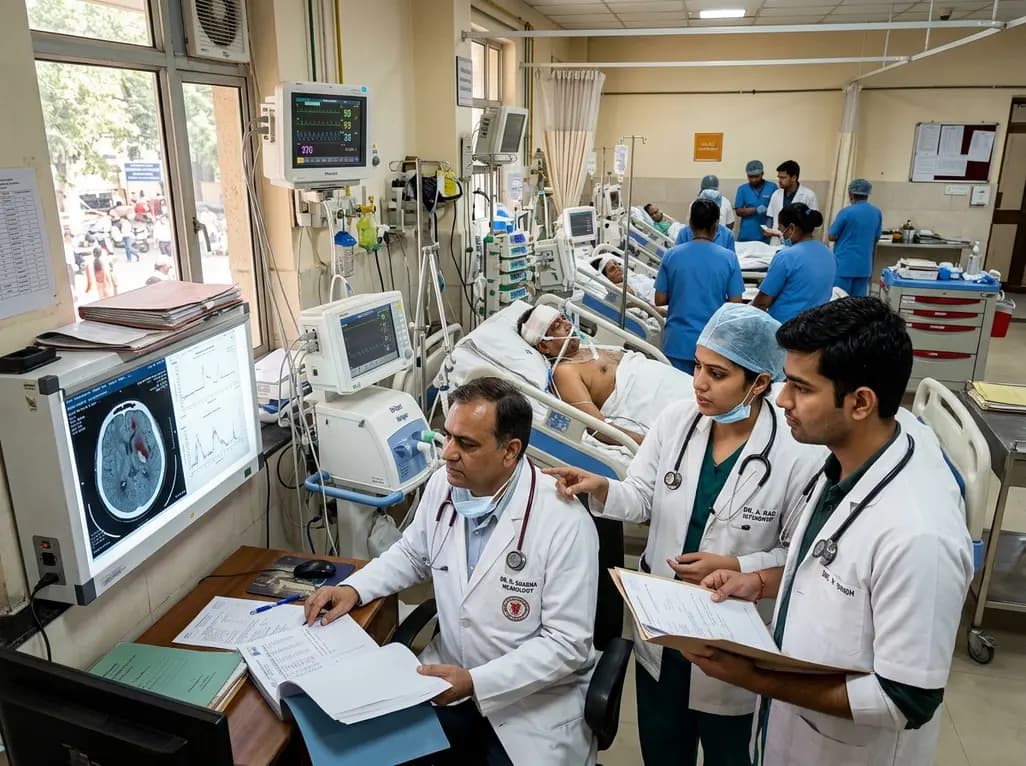
Acute neurological emergencies, such as traumatic brain injury and ischemic stroke, impose a massive clinical burden worldwide. However, healthcare systems in developing nations face immense challenges in delivering specialized acute care. Understanding the current status of neurocritical care in LMICs is vital for clinicians and health administrators who aim to improve patient survival and functional outcomes. A landmark global cross-sectional survey evaluated infrastructure, staffing, and protocol adherence across 42 resource-limited nations. The findings provide critical insights into global disparities and reveal clear priorities for systemic reform.
Acute central nervous system disorders represent a leading contributor to worldwide disability-adjusted life years. Low- and middle-income countries bear a disproportionate burden of this neurological morbidity and mortality due to high trauma rates and expanding vascular risk factors. Despite this immense disease burden, organized acute neurocare remains fragmented across many developing health systems.
The cross-sectional study gathered data from 408 healthcare providers across 42 low- and middle-income countries representing diverse geographic territories. Specifically, investigators analyzed responses across economic strata, comparing low-income countries (LICs), lower middle-income countries (LoMICs), and upper middle-income countries (UMICs).
Furthermore, the data revealed striking disparities between different geographical regions and income brackets. Upper middle-income nations demonstrated higher availability of specialized units and monitoring technologies than lower-income nations. However, widespread deficiencies persisted throughout most surveyed territories. Regional variations were equally pronounced, with significant differences between sub-Saharan Africa, South Asia, Latin America, and the Middle East. Consequently, these findings emphasize that economic status directly shapes the delivery of intensive neurocare. Clinicians and policymakers must therefore recognize these baseline inequities to develop realistic, targeted interventions.
Dedicated neurointensive care units significantly improve clinical outcomes, reduce inpatient mortality, and shorten hospitalization times for acute brain injury patients. Nevertheless, specialized beds remain remarkably scarce across most resource-constrained health systems globally.
Overall, only 36.8% of surveyed healthcare providers reported having access to a dedicated neuro-ICU at their primary hospital. Moreover, geographic and economic inequities were stark. The Middle East and North Africa demonstrated 100% access among respondents, whereas sub-Saharan Africa reported access of only 11.5%. Economic stratification showed a parallel pattern of extreme disparity. Lower middle-income countries reported 42% access, while low-income countries reported dedicated neuro-ICU access of just 13%.
As a result of these shortages, healthcare providers must treat critically ill neurological patients in mixed medical-surgical intensive care units. In these general units, staff often lack advanced training in neurological monitoring and neuroprotective protocols. Additionally, general ICUs frequently experience severe bed shortages, which delays the timely admission of deteriorating neurological patients. Therefore, expanding dedicated neurocritical unit capacity represents a foundational requirement for improving global neurosurgical and stroke survival.
Advanced neurocritical monitoring technologies facilitate early detection of secondary brain injury, enabling timely therapeutic interventions before irreversible damage occurs. Unfortunately, access to both advanced and basic neurocritical technologies is severely restricted across lower-income settings.
The global survey revealed that portable computed tomography (CT) scanners were available to only 9.3% of respondents across LMICs. In upper middle-income countries, 11% had access to portable scanners, whereas low-income countries reported zero access (0%). Consequently, clinicians must transport unstable, intubated neurotrauma patients across hospital facilities for repeat scanning, introducing substantial clinical risks.
Similarly, access to tele-intensive care unit (tele-ICU) services was limited to only 14.9% of surveyed institutions. While 19% of respondents in UMICs utilized tele-ICU systems, only 10% in LICs had similar access. Advanced modalities such as continuous electroencephalography, invasive intracranial pressure monitoring, and brain tissue oxygenation remain virtually nonexistent in lower-tier facilities. Clinicians must frequently rely entirely on serial clinical examinations to detect secondary neurological deterioration. Therefore, investing in rugged, cost-effective diagnostic equipment and expanding digital tele-health infrastructure represent urgent global priorities.
A well-trained, multidisciplinary workforce forms the core foundation of high-quality neurocritical care. However, severe personnel shortages represent one of the most critical barriers facing LMIC health systems.
The survey highlighted critical workforce gaps, with many hospitals operating without fellowship-trained neurointensivists or dedicated neurocritical nurses. Consequently, institutions frequently rely on anesthesia residents, general medical officers, or surgical trainees to provide continuous 24-hour bedside care. While these clinicians demonstrate admirable dedication, they often lack formal subspecialty training in neuroprotective ventilation, multimodal neuromonitoring, and neuropharmacology.
Furthermore, nursing ratios in these settings remain inadequate to support labor-intensive neurological protocols and frequent neurological assessments. The absence of structured neurocritical fellowship programs in many low-income nations perpetuates this workforce shortage. As a result, junior trainees frequently shoulder immense clinical responsibilities without direct on-site specialist supervision. Addressing this gap requires establishing standardized regional training modules, tele-mentorship initiatives, and recognized certification pathways. By empowering local clinicians through continuous medical education, healthcare systems can elevate the standard of acute neurological care.
Standardized, evidence-based clinical protocols are essential for minimizing secondary brain injury in conditions such as traumatic brain injury (TBI) and acute ischemic stroke (AIS). Nevertheless, protocol implementation remains highly uneven across economic and geographical tiers.
Overall, survey respondents reported an adherence rate of 61.7% for acute ischemic stroke protocols and 55.6% for traumatic brain injury protocols. Adherence varied markedly by geographic region, with Latin America and the Caribbean demonstrating the highest compliance at 72% for AIS and 73% for TBI. Similarly, economic development strongly influenced clinical practice. Upper middle-income countries achieved protocol adherence of 66% for AIS and 60% for TBI. In sharp contrast, low-income countries demonstrated adherence rates of only 22% for stroke and 32% for brain injury protocols.
This dramatic disparity stems from multifaceted challenges, including shortages of essential thrombolytics, lack of invasive monitoring consumables, and limited institutional support. Moreover, healthcare teams often lack localized, context-appropriate guidelines tailored to resource-constrained environments. Therefore, international neurocritical societies must collaborate with local clinical leaders to create adaptable, resource-stratified algorithms that healthcare workers can successfully implement in resource-limited settings.
Bridging the global neurocritical care divide demands a coordinated, multipronged strategy combining infrastructure development, educational capacity building, and innovative technological adaptation. Global health stakeholders and national policymakers must prioritize acute neurocare within broader health system strengthening agendas.
First, health systems should establish low-cost intermediate care beds equipped with essential physiological monitoring and standard neuroprotective pathways. Second, academic institutions must establish structured fellowship and training curricula for anesthesiologists, critical care physicians, neurologists, and specialized nursing staff. Third, implementing cost-effective tele-neurocritical care networks can connect tertiary academic centers with peripheral community hospitals, enabling real-time expert guidance for complex acute cases.
Additionally, researchers and biomedical manufacturers must focus on developing affordable, resilient monitoring devices, such as non-invasive intracranial pressure assessment tools and automated pupillometry systems. Policymakers should also establish regional clinical registries to monitor patient outcomes and guide resource allocation. Ultimately, transforming acute neurocritical services across developing nations will reduce preventable deaths, mitigate long-term cognitive disability, and foster equitable healthcare delivery across the globe.
Dedicated neurocritical care dramatically improves survival and functional recovery for acute brain injury patients. Specialized units provide targeted neuroprotection, prompt intracranial pressure management, and continuous clinical monitoring. These specialized interventions prevent secondary neuronal damage, reduce long-term neurological disability, and optimize resource utilization in overburdened healthcare systems.
The primary barriers include shortages of critical medications, limited diagnostic neuroimaging, and inadequate staffing ratios. In addition, many institutions lack formalized staff training on evidence-based guidelines. The absence of adapted, resource-stratified algorithms further hinders healthcare teams from consistently executing complex stroke and neurotrauma protocols at the bedside.
Tele-ICU networks connect remote, understaffed regional hospitals directly with specialized neurointensivists at tertiary medical centers. This digital connection facilitates real-time neuroimaging review, expert consultation, and continuous physiological monitoring. Consequently, tele-neurocritical care standardizes evidence-based clinical practices and improves patient safety without requiring massive capital investments in local subspecialty staffing.
Disclaimer: This content is for informational and educational purposes only and should not be considered medical advice. Healthcare professionals should make clinical decisions based on their independent clinical judgment and individual patient circumstances. Refer to the latest local and national guidelines for clinical practice.
References
Prabhakar H et al. Neurocritical Care Organization in the Low-Income and Middle-Income Countries. Neurocrit Care. 2025 Aug. doi: 10.1007/s12028-025-02210-7. PMID: 39920547.
Shrestha GS, Nepal G, Rubinos C, Gebrewold MA, Prabhakar H. Neurocritical Care in Resource-limited Settings: Challenges and Solutions. Neurocrit Care. 2025. doi: 10.1007/s12028-024-02187-5.
Prabhakar H, Kapoor I, Mahajan C. Neurocritical care in low- and middle-income countries. Curr Opin Anaesthesiol. 2026. doi: 10.1097/ACO.0000000000001686.

Read summarized clinical updates, watch expert medical content, and earn CME certifications right from your smartphone.
Open your smartphone camera to scan and install.





A global cross-sectional study reveals critical gaps in neurocritical care across LMICs, showing that only 36.8% of centers have dedicated neuro-ICUs. The findings emphasize the urgent need for investment in workforce training, basic infrastructure, affordable technologies, and protocol adherence.
last month

Discover how oxidative stress drives inflammatory bowel disease (IBD) pathogenesis. Explore cutting-edge insights on Nrf2 signaling, ferroptosis suppression, microbiome interactions, and emerging targeted redox therapies.
Today

A pharmacometric and machine learning study reveals that specific vaginal bacteria alter cervical antiretroviral exposure, highlighting the need for precision HIV PrEP strategies.
Yesterday
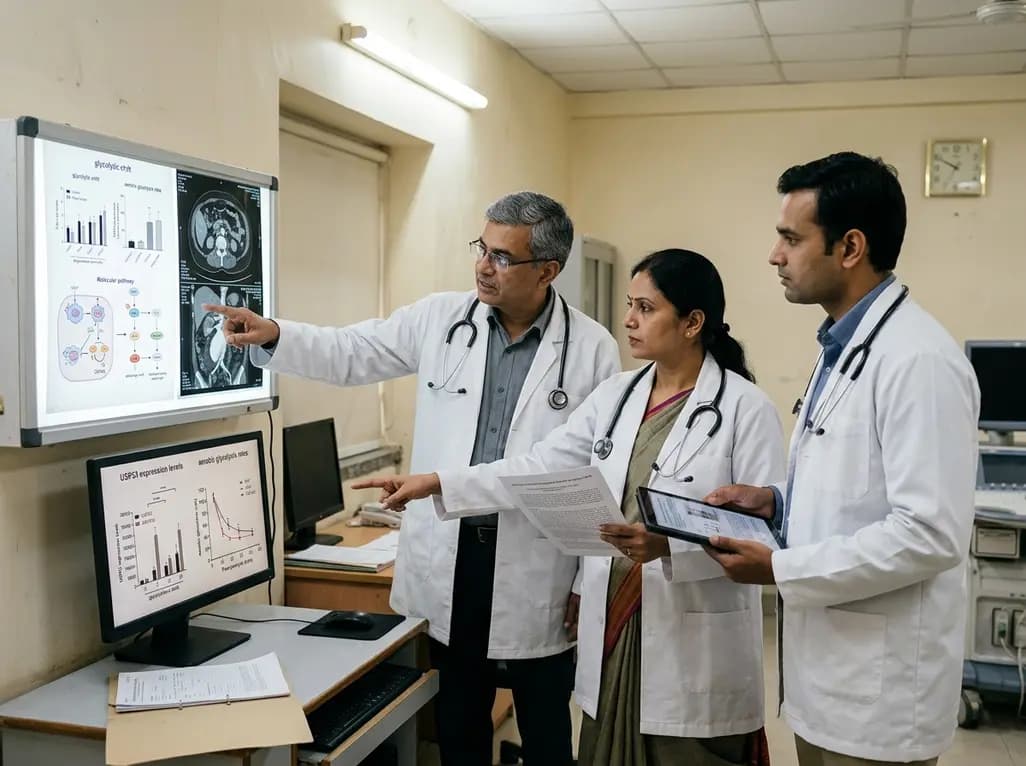
Abdominal aortic aneurysm rupture remains a catastrophic vascular emergency. Groundbreaking research reveals that USP53 accelerates aneurysm progression by reprogramming smooth muscle cell metabolism toward aerobic glycolysis, highlighting a promising target beyond conventional diameter-based surveillance.
Today
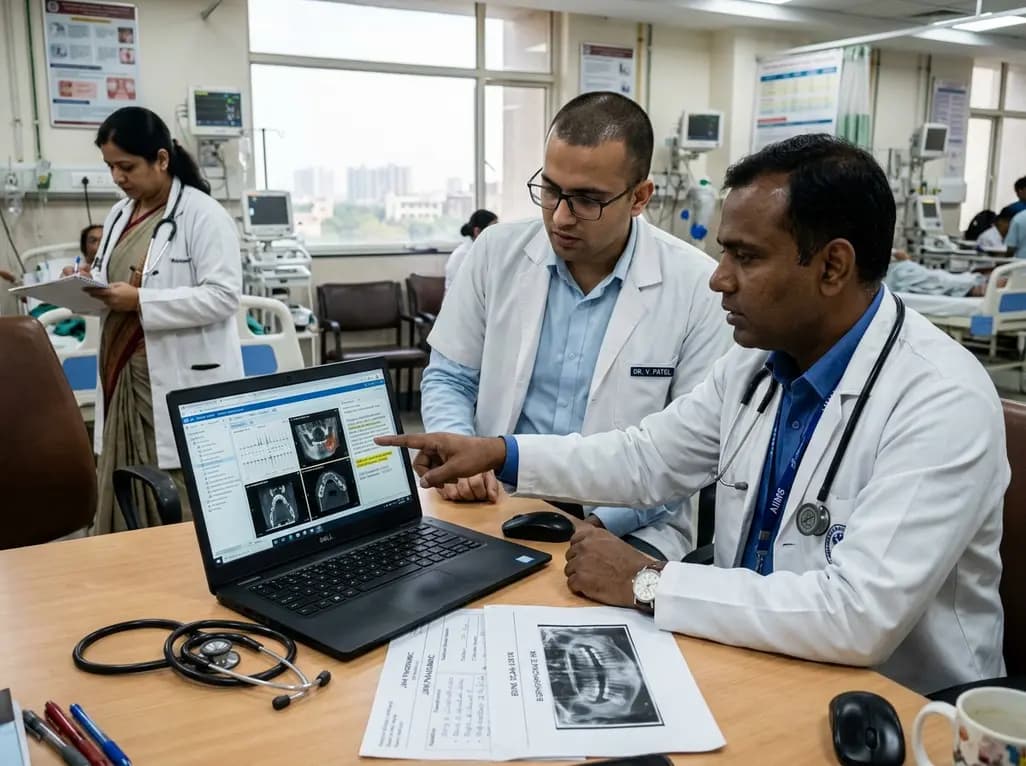
A breakthrough study leverages natural language processing to accurately identify incident medication-related osteonecrosis of the jaw and track antiresorptive drug holidays from clinical narratives in electronic health records, advancing osteoporosis pharmacovigilance and dental safety.
Today
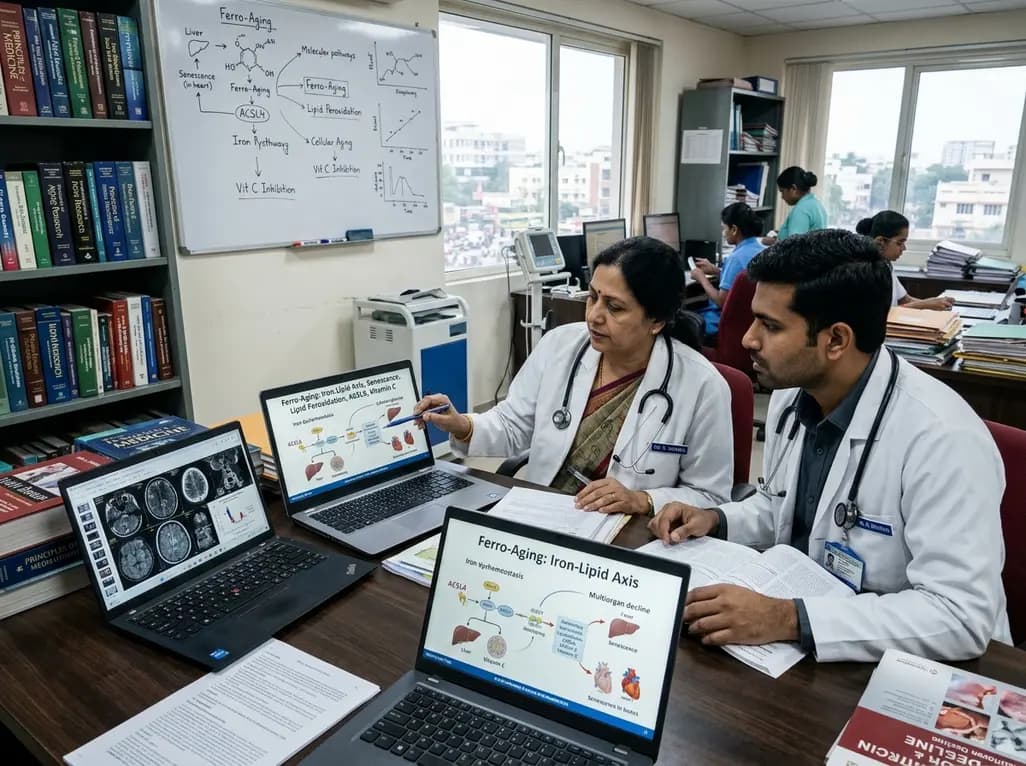
Recent research defines ferro-aging as a conserved iron-lipid axis driving organ decline across primates. Age-related iron dyshomeostasis stimulates ACSL4-mediated lipid peroxidation, promoting cellular senescence. Notably, vitamin C directly inhibits ACSL4, suppressing phospholipid oxidation and multi-organ decay.
Yesterday
