.webp&w=384&q=75)

Loading, please wait...
Loading, please wait...

Inflammatory bowel disease represents a chronic, relapsing disorder that poses a substantial burden on healthcare systems across the globe. Conventional pharmacotherapies primarily aim to suppress acute immune reactions and alleviate debilitating gastrointestinal symptoms. However, these traditional options rarely achieve definitive cures or long-term mucosal healing. Emerging scientific evidence reveals that disrupted redox homeostasis plays a fundamental role in sustained mucosal injury. Consequently, clinicians and researchers increasingly recognize the central role of oxidative stress in IBD pathogenesis and its therapeutic potential.
Intestinal inflammation generates massive quantities of reactive oxygen species and reactive nitrogen species within mucosal tissues. Activated neutrophils and resident macrophages undergo a pronounced respiratory burst during active disease flares. Therefore, unconstrained mucosal infiltration by immune cells rapidly overwhelms baseline endogenous antioxidant defenses. In addition, excessive radical production damages critical cellular components, including structural lipid bilayers, functional proteins, and genomic DNA. This persistent oxidation severely compromises intestinal epithelial tight junctions, which increases mucosal permeability. Consequently, luminal antigens and bacterial endotoxins translocate freely into the underlying lamina propria. This translocation subsequently triggers secondary inflammatory cascades and sustains chronic mucosal damage. Furthermore, damaged intestinal mitochondria release supplementary free radicals, which perpetuates a destructive cycle of tissue breakdown. Thus, oxidative stress acts as a direct instigator of chronicity rather than merely functioning as an innocent bystander.
The nuclear factor erythroid 2-related factor 2 serves as the primary master transcriptional regulator of cellular antioxidant defenses. Under basal physiological conditions, the sensor protein Keap1 continuously binds Nrf2 in the cytoplasm and promotes its proteasomal degradation. However, severe redox stress oxidizes critical cysteine residues within Keap1, facilitating Nrf2 dissociation and nuclear translocation. Once inside the nucleus, Nrf2 binds directly to antioxidant response elements located on designated target genes. Consequently, this transcriptional activation drives the synthesis of cytoprotective enzymes, including heme oxygenase-1, superoxide dismutase, and glutathione peroxidase. Moreover, activated Nrf2 actively suppresses the pro-inflammatory nuclear factor kappa B signaling pathway. In experimental colitis models, pharmacologic activation of this axis effectively preserves mucosal architecture and reduces mucosal cytokine release. Therefore, therapeutic agents capable of stimulating Nrf2 signaling offer promising adjunctive options to conventional immunosuppressive therapies.
Recent investigations identify ferroptosis as an essential driver of epithelial enterocyte demise in ulcerative colitis and Crohn's disease. Ferroptosis is an iron-dependent, non-apoptotic form of regulated cell death characterized by catastrophic lipid peroxidation. Chronically inflamed mucosa frequently exhibits substantial iron accumulation alongside altered systemic iron trafficking. Furthermore, impaired synthesis of glutathione and diminished glutathione peroxidase 4 activity compromise mucosal defense mechanisms. Consequently, toxic polyunsaturated fatty acid hydroperoxides accumulate unchecked within intestinal membrane bilayers. This process directly disrupts membrane integrity, leading to profound epithelial cell loss and extensive crypt architecture distortion. Notably, pharmacological agents that inhibit lipid peroxidation or chelate mucosal labile iron substantially attenuate experimental colitis severity. Modulating the Nrf2 regulatory pathway also suppresses ferroptotic triggers by restoring glutathione synthesis. Suppressing ferroptosis thus provides an attractive strategy for protecting epithelial barrier integrity in patients.
Oxidative stress profoundly alters the delicate ecological balance of the human intestinal microbiome. A healthy colonic lumen maintains an obligate anaerobic environment vital for commensal microbial diversity. However, chronic mucosal inflammation releases abundant oxygen radicals, creating a microaerophilic luminal shift. Consequently, beneficial obligate anaerobes, such as short-chain fatty acid producers, undergo significant population attrition. In contrast, aerotolerant facultative anaerobes like Enterobacteriaceae thrive under these altered redox conditions. This ongoing dysbiosis produces detrimental metabolites that further amplify mucosal immune stimulation and inflammatory tone. Meanwhile, clinicians can quantify several biological markers of oxidative damage in biological fluids. Biomarkers such as malondialdehyde, 8-hydroxy-2-deoxyguanosine, advanced oxidation protein products, and fecal calprotectin reflect tissue damage. Monitoring these molecular indicators can help clinicians assess subclinical disease activity and predict mucosal relapses before endoscopic evaluation.
Translating redox biology into practical therapeutics has inspired innovative delivery platforms and personalized nutritional strategies. For instance, engineered antioxidant nanoparticles specifically home into inflamed colonic lesions, releasing catalytic enzymes precisely at ulcerated sites. Similarly, targeted therapeutics can neutralize excessive neutrophil extracellular traps, thereby preventing extensive collateral mucosal destruction. In addition, dietary interventions rich in natural polyphenols, vitamins, and omega-3 fatty acids reinforce systemic antioxidant capacity. Specific phytonutrients activate endogenous protective signaling networks, modulate mitochondrial metabolism, and temper inflammaging pathways in older patients. Moreover, tailored diets promote short-chain fatty acid synthesis, effectively replenishing fuel sources for damaged colonocytes. Combining modern biologic agents with redox-modulating interventions represents an exciting frontier in gastrointestinal care. Continued clinical validation will determine how these combined regimens optimize long-term remission rates and quality of life for patients.
Both conditions demonstrate substantial reactive oxygen species production and compromised antioxidant defenses within intestinal tissue. However, ulcerative colitis primarily involves superficial mucosal injury driven by heavy neutrophil infiltration in the colon. In contrast, Crohn's disease features transmural inflammation throughout any gastrointestinal segment. Consequently, Crohn's disease often shows deeper tissue lipid peroxidation and pronounced systemic oxidative biomarkers compared to ulcerative colitis.
Current clinical evidence does not support replacing standard medical treatments with antioxidant dietary supplements. While antioxidants like curcumin, vitamin E, and polyphenols show clear anti-inflammatory benefits, they cannot independently induce complete mucosal remission during moderate to severe disease flares. Therefore, clinicians must consider nutritional antioxidants solely as supportive, adjunctive options alongside guideline-directed immunosuppressive or biological agents.
Ferroptosis represents an iron-dependent form of programmed cell death driven by toxic lipid peroxide accumulation. In inflammatory bowel disease, mucosal enterocytes undergo rapid ferroptotic death, which tears down the physical gut barrier. Targeting ferroptosis with iron chelators or Nrf2 activators stops this destruction. Consequently, suppressing ferroptosis preserves mucosal integrity and accelerates healing beyond conventional anti-inflammatory approaches.
Disclaimer: This content is for informational and educational purposes only and should not be considered as medical advice. Always consult a qualified healthcare professional regarding any medical condition or treatment. Refer to the latest local and national guidelines for clinical practice.
References
Merecz K et al. Recent developments in the role of oxidative stress in pathogenesis and treatment of inflammatory bowel diseases. Expert Rev Gastroenterol Hepatol. 2026 Oct 03. doi: 10.1080/17474124.2026.2744666. PMID: 42829336.
Yuan L, Wang Y, Li N, et al. Mechanism of Action and Therapeutic Implications of Nrf2/HO-1 in Inflammatory Bowel Disease. Antioxidants (Basel). 2024;13(8):1012. doi: 10.3390/antiox13081012.
Biasi F, Leonarduzzi G, Oteiza PI, Poli G. Oxidative Stress in Inflammatory Bowel Disease: From Redox Dysregulation to Translational Targeting. Antioxidants. 2026;15(7):894. doi: 10.3390/antiox15070894.

Read summarized clinical updates, watch expert medical content, and earn CME certifications right from your smartphone.
Open your smartphone camera to scan and install.





Discover how oxidative stress drives inflammatory bowel disease (IBD) pathogenesis. Explore cutting-edge insights on Nrf2 signaling, ferroptosis suppression, microbiome interactions, and emerging targeted redox therapies.
Today

A pharmacometric and machine learning study reveals that specific vaginal bacteria alter cervical antiretroviral exposure, highlighting the need for precision HIV PrEP strategies.
Yesterday

Abdominal aortic aneurysm rupture remains a catastrophic vascular emergency. Groundbreaking research reveals that USP53 accelerates aneurysm progression by reprogramming smooth muscle cell metabolism toward aerobic glycolysis, highlighting a promising target beyond conventional diameter-based surveillance.
Today
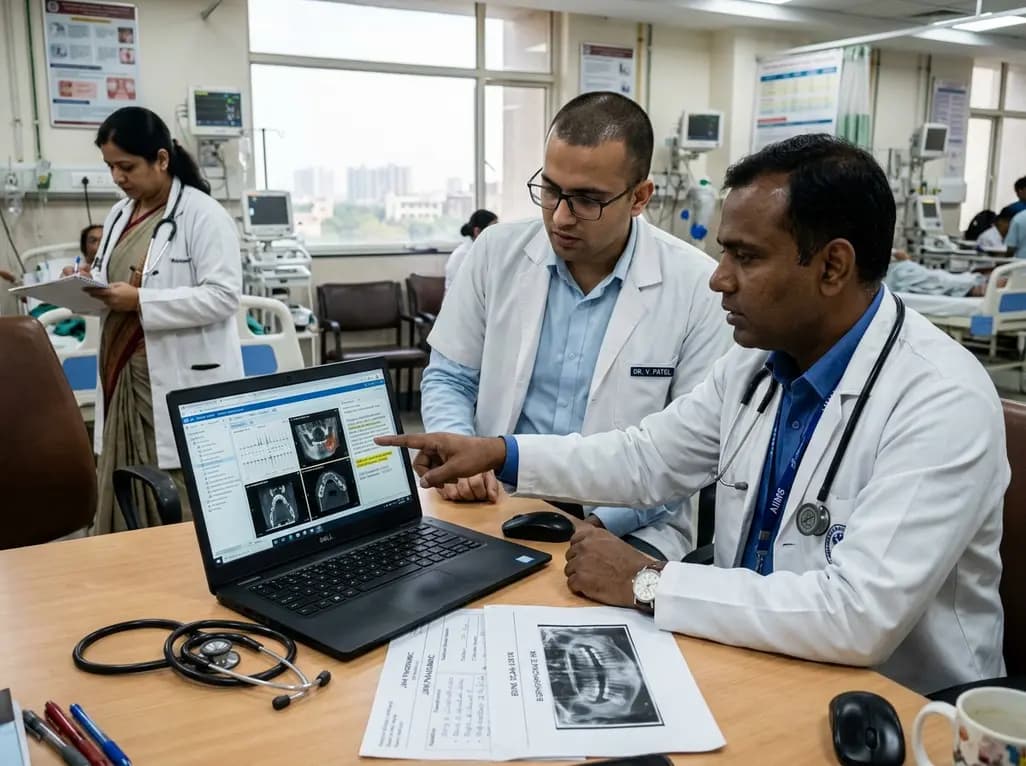
A breakthrough study leverages natural language processing to accurately identify incident medication-related osteonecrosis of the jaw and track antiresorptive drug holidays from clinical narratives in electronic health records, advancing osteoporosis pharmacovigilance and dental safety.
Today

Recent research defines ferro-aging as a conserved iron-lipid axis driving organ decline across primates. Age-related iron dyshomeostasis stimulates ACSL4-mediated lipid peroxidation, promoting cellular senescence. Notably, vitamin C directly inhibits ACSL4, suppressing phospholipid oxidation and multi-organ decay.
Yesterday
