

Loading, please wait...
Loading, please wait...

Advances in pediatric neuro-oncology have markedly improved long-term survival for central nervous system malignancies. However, pediatric brain tumor survivors frequently encounter substantial long-term morbidities that compromise overall functional recovery. Clinicians observe persistent cognitive, behavioral, and emotional challenges that emerge months or years after curative treatment ceases. Recent clinical evidence highlights concerning rates of secondary attention-deficit/hyperactivity disorder and autism spectrum disorder. Because neurological insults disrupt developing neural circuits during sensitive developmental windows, survivors experience lasting executive dysfunction and social impairment. Consequently, oncologists and pediatricians must prioritize comprehensive neurobehavioral survivorship care. Addressing these post-treatment neurodevelopmental challenges is essential for maximizing quality of life.
Recent territorial cohort research illuminates the substantial neurobehavioral burden carried by pediatric brain tumor survivors. Specifically, registry data involving 274 survivors revealed an attention-deficit/hyperactivity disorder prevalence of 10.6% and an autism spectrum disorder prevalence of 6.9%. These figures markedly exceed baseline rates documented in the general pediatric population. In addition, standardized mental well-being assessments demonstrate significant emotional difficulties, internalizing problems, and persistent peer-relationship friction. Affected children frequently struggle with social communication, cognitive flexibility, and impulse control within classroom environments. Furthermore, radiation and surgical resection alter white matter integrity across frontostriatal pathways. As a result, children exhibit symptoms resembling idiopathic attention deficit disorder and autistic traits. These psychological deficits translate directly into diminished health-related quality of life across psychosocial domains. Parents simultaneously report heightened caregiver stress and enduring emotional exhaustion. Consequently, neurodevelopmental screening must become a standard protocol in outpatient oncology clinics. Early identification allows healthcare teams to institute timely behavioral modifications before secondary psychosocial distress compounds. Consequently, multidisciplinary care teams must implement standardized developmental surveillance across long-term follow-up.
Multiple clinical variables modulate the likelihood of adverse psychological outcomes following central nervous system tumor therapy. In particular, younger age at primary diagnosis represents an exceptionally strong predictor of neurobehavioral impairment. Immature neural networks display heightened vulnerability to mechanical disruption, ischemia, and cytotoxic injury during critical growth spurts. Additionally, anatomical tumor location profoundly shapes long-term functional trajectories. Children harboring supratentorial neoplasms experience significantly higher rates of emotional dysregulation and attentional deficits compared to those with infratentorial lesions. Furthermore, a documented clinical history of seizures substantially amplifies the overall risk profile. Recurrent epileptiform activity and chronic anticonvulsant pharmacotherapy impair synaptic plasticity and blunt executive task processing. Consequently, patients with these concurrent risk factors require proactive neurodevelopmental monitoring throughout childhood. Physicians must maintain vigilant surveillance rather than waiting for overt school failure to prompt referral. Early stratification helps multi-professional teams allocate intensive cognitive rehabilitation resources efficiently. Therefore, recognizing these vulnerability markers enables tailored survivorship pathways immediately following treatment completion. Understanding these distinct risk profiles enables clinicians to initiate preemptive psychological support.
Cranial irradiation remains a central component of curative regimens for pediatric central nervous system neoplasms. Nevertheless, radiotherapy imposes an enduring toll on global health-related quality of life. Ionizing radiation causes progressive microvascular endarteritis, demyelination, and persistent neuroinflammation within healthy cerebral tissues. Consequently, survivors exposed to cranial radiation exhibit progressive declines in processing speed, working memory, and emotional resilience over extended survivorship intervals. In addition, radiation-induced endocrinopathies, including growth hormone deficiency and hypothyroidism, exacerbate chronic somatic fatigue and mood disturbances. Therefore, physicians must interpret behavioral regression through an integrated neuroendocrine framework. Fortunately, contemporary protocols increasingly incorporate modern conformal radiation modalities to reduce collateral dose to critical brain structures. However, existing cohorts of survivors who received conventional photon therapy require continued multidisciplinary intervention. Healthcare providers must screen regularly for late radiation injury using serial imaging and neuropsychological batteries. Ultimately, mitigating radiation sequelae demands targeted supportive therapies, academic accommodations, and prompt endocrine hormone replacement. Serial neurocognitive assessments help clinicians detect emerging deficits before academic progress falters.
While anatomical and treatment-related risk factors often prove irreversible, sleep architecture represents a promising, modifiable intervention target. Cohort investigations identify a robust association between healthy sleep hygiene and reduced emotional symptoms. Specifically, survivors with consolidated nocturnal sleep experience significantly fewer ADHD manifestations and lower internalizing distress. In contrast, sleep fragmentation, circadian dysregulation, and daytime somnolence worsen underlying attentional deficits and emotional reactivity. Sleep disruption frequently stems from hypothalamic-pituitary damage, surgical trauma, altered melatonin secretion, or post-treatment hospital anxiety. Furthermore, chronic sleep deficits aggravate parental stress, creating an adverse bidirectional cycle that strains family resilience. Therefore, clinical teams should prioritize formal sleep assessments during every survivorship consultation. Clinicians can screen effectively using validated pediatric sleep questionnaires and actigraphy monitoring. Subsequently, healthcare professionals can implement evidence-based behavioral sleep interventions, strict sleep schedules, and targeted light hygiene routines. Consequently, optimizing sleep health offers a practical, non-invasive therapeutic pathway to enhance overall neurobehavioral outcomes. Screening for sleep disorders represents an actionable clinical intervention that supports holistic healing.
Optimizing outcomes in this complex patient population demands a cohesive, cross-specialty clinical infrastructure. Pediatric oncologists, neurologists, psychiatrists, neuropsychologists, and rehabilitation therapists must collaborate seamlessly within structured survivorship clinics. Routine surveillance should systematically track academic progression, executive functioning, and social communication competencies. Additionally, clinicians must recognize that mental health comorbidities frequently trigger severe parental burnout and family dysfunction. Consequently, psychosocial support services, family counseling, and caregiver respite programs form indispensable components of comprehensive survivorship programs. Healthcare providers should also guide educational systems, helping schools establish individualized education plans and cognitive accommodations. Modified test timing, assistive technology, and structured classroom environments allow children to overcome processing speed deficits. Furthermore, early psychological intervention, including cognitive behavioral therapy and social skills training, equips children with effective emotional coping mechanisms. Therefore, lifelong integrated care models remain essential for safeguarding enduring independence and community participation. Structured survivorship pathways ultimately foster sustained psychosocial adaptation and positive long-term development.
Survivors experience heightened risks because primary tumor localization and neurotoxic treatments disrupt delicate developing neural pathways. Specifically, surgical trauma, cranial irradiation, and chemotherapy impair frontostriatal networks and white matter integrity. Consequently, children develop secondary executive dysfunction, inattention, and social communication impairments that closely mirror idiopathic ADHD and ASD phenotypes.
Clinical evidence demonstrates that younger age at tumor diagnosis, supratentorial tumor location, and a history of seizures strongly predict adverse neurobehavioral outcomes. In addition, exposure to cranial radiotherapy correlates with lower health-related quality of life. These clinical factors exacerbate central nervous system vulnerability and hinder normal cognitive and emotional maturation.
Sleep optimization serves as a key modifiable protective factor that attenuates emotional and behavioral symptoms. Improved nocturnal sleep architecture directly mitigates daytime hyperactivity, inattention, and emotional lability in survivors. Consequently, implementing behavioral sleep hygiene, treating secondary circadian disruptions, and reducing daytime somnolence significantly alleviates parental stress and elevates patient quality of life.
Disclaimer: This content is for informational and educational purposes only... Refer to the latest local and national guidelines for clinical practice.
References

Read summarized clinical updates, watch expert medical content, and earn CME certifications right from your smartphone.
Open your smartphone camera to scan and install.





A territory-wide study demonstrates that pediatric brain tumor survivors experience higher rates of ADHD, ASD, and emotional difficulties. Risk factors include young age, supratentorial location, seizures, and radiotherapy, while healthy sleep serves as a vital protective target.
Today

A validation study evaluates the consumer-grade InBody Dial H30 bioelectrical impedance device against a 3-compartment criterion in recreationally active adults, revealing a slight overestimation in body fat percentage and underestimation in fat-free mass alongside notable individual limits of agreement.
Today

A nationwide survey reveals substantial knowledge gaps among general practitioners regarding fetal pathology and autopsy. Enhanced training and interdisciplinary communication are vital to guide stillbirth evaluation, clarify autopsy consent, and improve preconception counseling for bereaved parents.
Today
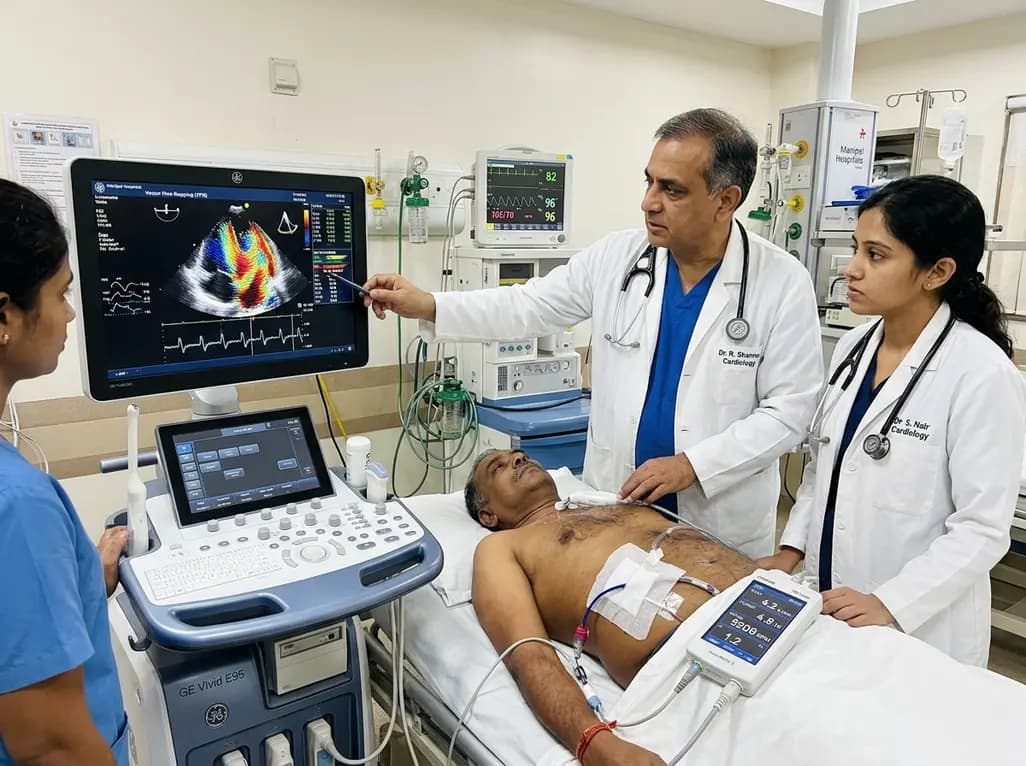
A pilot study shows that transesophageal echocardiography with vector flow mapping measures intraventricular energy loss in HeartMate 3 LVAD recipients. Energy loss significantly correlates with controller-displayed pump flow, offering clinicians deeper insights into ventricular unloading and intracardiac fluid mechanics.
Today

A comparative study demonstrates that simple and complex labral tears achieve comparable functional outcomes and low recurrence rates following arthroscopic stabilization for anterior shoulder instability, despite differing clinical presentations and dislocation histories.
Today

A nationwide analysis shows that inpatient lifestyle counseling for type 2 diabetes remains remarkably underutilized despite modest gains. Clinicians must bridge persistent demographic disparities and integrate structured dietary and exercise counseling into routine hospital discharge workflows.
Today
