.webp&w=384&q=75)

Loading, please wait...
Loading, please wait...

Recent qualitative research has significantly shifted the focus from purely medicalized views of neurodevelopmental conditions toward more holistic, family-centered models. Specifically, the concept of Neuroaffirmative Autism Care has emerged as a vital framework for understanding and supporting families. Instead of viewing autism solely through a lens of deficit, this approach recognizes neurological differences as natural variations of human identity. This shift is particularly crucial given the intensive demands placed on caregivers. Understanding how caregiving interacts with service systems and sociocultural contexts is essential for improving family quality of life. For medical practitioners in India, where the prevalence of autism is rising, adopting a neuroaffirmative stance can help bridge the gap between diagnosis and meaningful long-term support. Consequently, clinicians can move beyond symptom management to foster true resilience within the family unit.
Caregivers of autistic children frequently describe their lives as being governed by a 24/7 care ecology. This term characterizes the relentless, round-the-clock nature of caregiving that leaves little room for personal respite or professional pursuits. Many parents report that their daily routines are entirely dictated by the child’s sensory needs, behavioral patterns, and safety requirements. Moreover, this constant vigilance often leads to profound physical and emotional exhaustion. In many cases, the intensive nature of this care is not merely a choice but a necessity born out of a lack of adequate external support. Specifically, the lack of coordinated respite services means that parents are often the sole providers of complex care. This situation is mirrored in various global contexts, including India, where primary caregivers often face significant lifestyle restrictions. Therefore, recognizing the sheer scale of this care ecology is the first step for any healthcare provider aiming to offer supportive care.
The experience of raising an autistic child is never isolated from the broader sociocultural environment. Notably, culture, religion, and gender often act as contextual amplifiers that shape how caregiving is perceived and performed. In many communities, traditional gender roles place the entire weight of caregiving on mothers, which can lead to increased isolation and stress. Furthermore, religious beliefs can offer both a source of profound strength and a potential barrier if the community views disability through a lens of stigma or karma. For families from diverse backgrounds, navigating these cultural expectations while seeking help from formal systems can be incredibly daunting. In the Indian clinical landscape, understanding these nuances is critical. Clinicians must be sensitive to how family dynamics and community perceptions influence a parent's willingness to engage with services. Ultimately, a culturally competent approach is a prerequisite for effective Neuroaffirmative Autism Care.
A recurring theme among caregivers is the feeling of constantly fighting the system to access basic entitlements. Fragmented service systems, characterized by long waiting lists and poor coordination between departments, create significant barriers to care. Parents often find themselves acting as unofficial case managers, navigating a maze of educational, medical, and social services. This administrative burden adds another layer of stress to an already challenging situation. Additionally, many families report that they must adopt a confrontational stance just to be heard by professionals. This struggle for access highlights a systemic failure to provide coordinated, family-centered support. For practitioners, acknowledging these systemic frustrations can help build a stronger therapeutic alliance with parents. By providing clear guidance and acting as advocates, doctors can alleviate some of the pressure that families face when trying to secure necessary interventions.
Building a robust social support architecture is vital for the long-term well-being of both the child and the caregiver. This architecture includes formal support from healthcare professionals and informal support from friends, family, and peer groups. Interestingly, many parents find that informal networks provide a level of empathy and practical advice that formal systems often lack. Peer support groups, in particular, allow caregivers to share lived experiences and strategies in a non-judgmental space. However, many families still report a significant lack of such social architecture, leading to increased vulnerability. In clinical practice, encouraging parents to connect with support networks can be as important as the clinical intervention itself. Strengthening these connections fosters a sense of belonging and reduces the isolation that so often accompanies an autism diagnosis. Indeed, social support acts as a critical buffer against the stresses of the caregiving journey.
Neuroaffirmation has emerged as a powerful protective factor for many families. By reframing autism as an identity rather than a disorder, parents can move away from deficit-oriented narratives that focus on what the child cannot do. This shift in perspective often leads to adaptive resilience, where families find strength in their child’s unique way of experiencing the world. Specifically, Neuroaffirmative Autism Care encourages parents to celebrate milestones based on the child's own progress rather than standardized norms. This approach not only affirms the child's identity but also helps the parents develop a more positive and sustainable caregiving identity. For doctors, promoting this mindset can significantly improve family outcomes. When practitioners validate the child’s strengths and support the parents' efforts to create a neuro-friendly environment, they contribute to a higher family quality of life. Ultimately, neuroaffirmation provides a path toward hope and empowerment within structurally constrained environments.
For medical professionals in India, integrating these findings into daily practice involves several key steps. First, it is essential to move toward a more coordinated model of care that involves multi-disciplinary collaboration. Second, clinicians should actively screen for caregiver burnout and provide referrals for mental health support. Third, adopting neuroaffirmative language in reports and consultations can help change the narrative for families from the very beginning. Instead of focusing solely on deficits, highlight the child's strengths and the family's resilience. Furthermore, provide families with resources that explain neurodiversity in a culturally sensitive manner. By doing so, you help families navigate the complexities of their journey with greater confidence and less shame. As the clinical understanding of autism evolves, the role of the physician must also expand to include family advocacy and systemic support. Therefore, fostering an environment of empathy and neuroaffirmation is essential for modern pediatric and psychiatric care.
The primary goal is to support autistic individuals by validating their unique neurological identity rather than attempting to fix or cure them. This approach focuses on environmental adaptations, communication support, and fostering a positive self-image, which helps reduce the caregiver's burden of managing unrealistic developmental expectations.
Culture shapes caregiving through gender roles, religious beliefs, and community stigmas. In many cultures, the primary caregiving burden falls on mothers, while stigma can lead to social isolation. Understanding these contextual amplifiers allows clinicians to provide more tailored, empathetic, and culturally competent support to diverse families.
Social support is described as an architecture because it provides the structural framework necessary to sustain family quality of life. It encompasses emotional, practical, and informational resources from both formal healthcare systems and informal peer networks, acting as a crucial buffer against the chronic stress of caregiving.
Disclaimer: This content is for informational and educational purposes only. It does not constitute professional medical advice, diagnosis, or treatment. Always seek the advice of your physician or other qualified healthcare provider with any questions you may have regarding a medical condition. Refer to the latest local and national guidelines for clinical practice.
References
Farooq A et al. Between neuroaffirmation and access: Parents' experiences of autism caregiving in England. PLoS One. 2026. doi: 10.1371/journal.pone.0353994. PMID: 42467636.
Subramanyam AA et al. Clinical practice guidelines for autism spectrum disorders. Indian J Psychiatry. 2019;61(Suppl 2):254-269.
Babalola E et al. Barriers and facilitators of healthcare access for autistic children in the UK: a survey of parents. City Research Online. 2024.
"
Read summarized clinical updates, watch expert medical content, and earn CME certifications right from your smartphone.
Open your smartphone camera to scan and install.





This article explores the lived experiences of autism caregivers, highlighting the impact of systemic barriers and the benefits of neuroaffirmative support on family quality of life and long-term resilience.
3 months ago

A recent study demonstrates that spinal oxygen sensors do not require mitochondrial electron transport to trigger sympathetic excitation during acute hypoxia, revealing new insights into how mitochondrial oxidative stress modulates autonomic tone in cardiovascular and neurological diseases.
Today
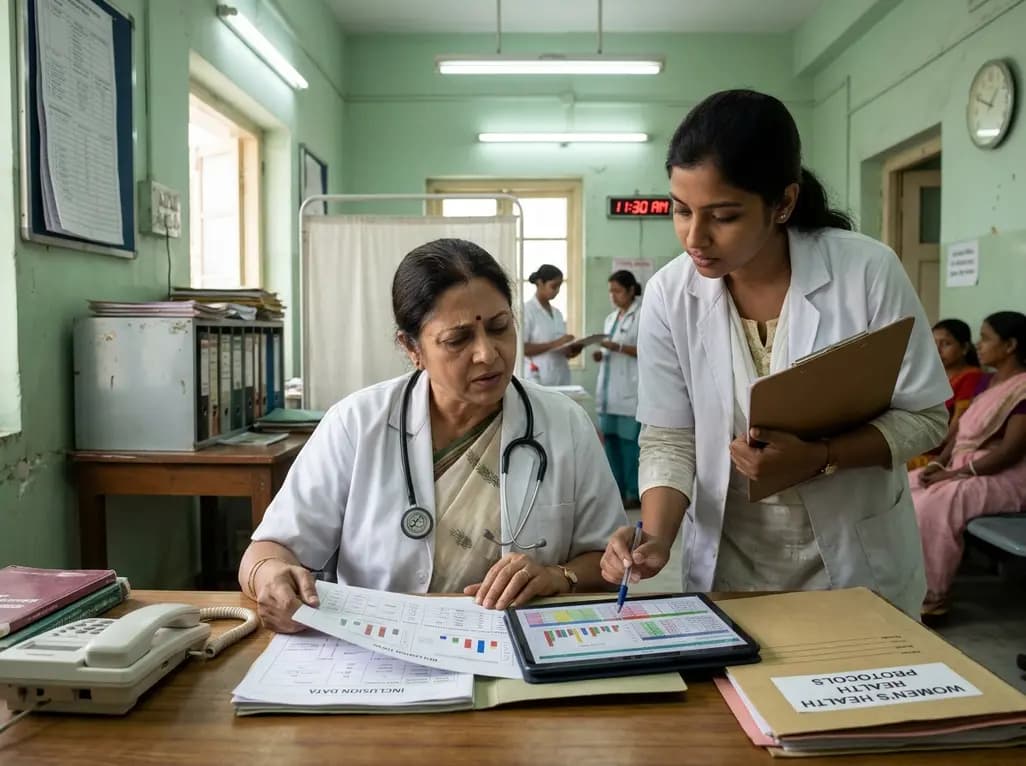
Demanding exhaustive hormonal profiling can inadvertently discourage clinical studies involving females. Methodological standards must align with the specific scientific question to expand, not restrict, equitable evidence for women.
Today

The Directorate General of Health Services directs Indian states to halt the hazardous reuse and reprocessing of single-use medical devices. Discover regulatory implications under the Drugs and Cosmetics Act, critical infection risks, legal liabilities, and operational changes required across clinical specialties.
Today
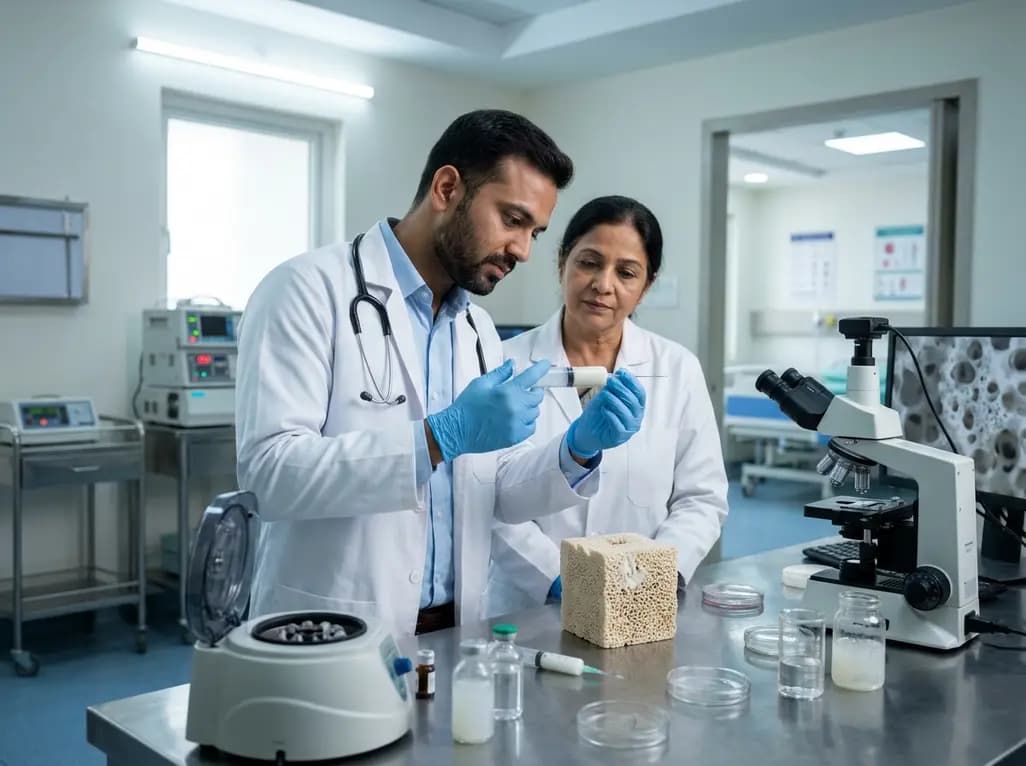
A novel calcium polyphosphate coacervate enables injectable bone implants with in situ hierarchical porosity via phase separation and gas foaming, significantly enhancing cell proliferation, energy metabolism, and osteogenic differentiation for minimally invasive bone defect repair.
Today
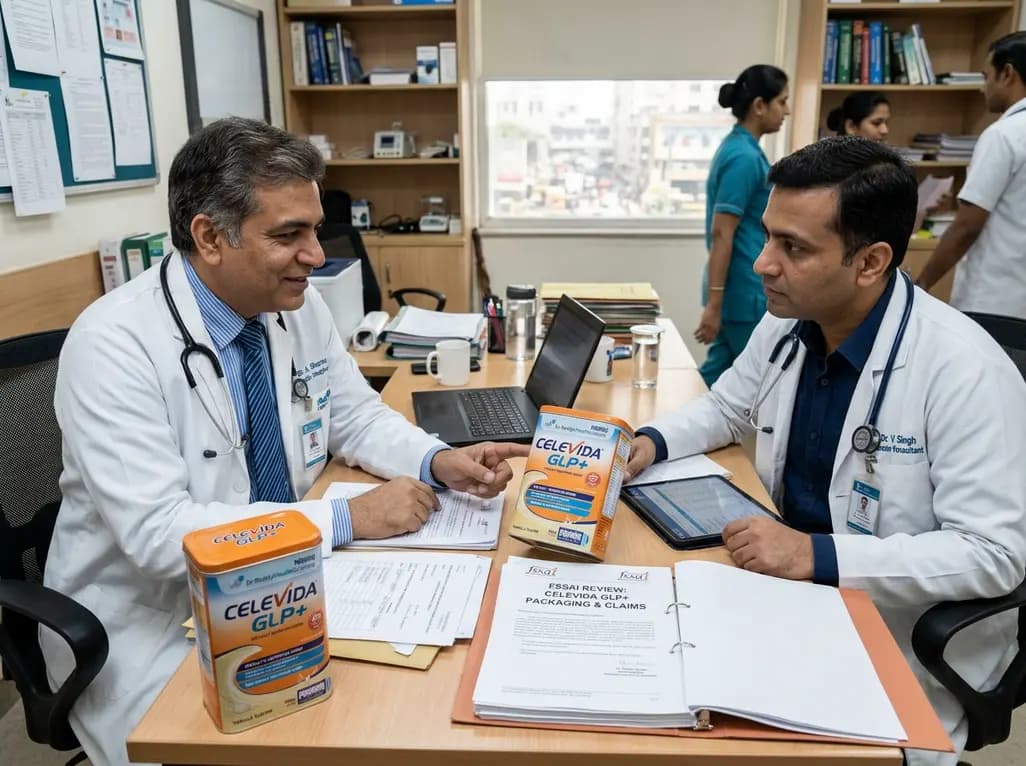
Following regulatory scrutiny from FSSAI regarding promotional representations and lean muscle preservation claims, Dr. Reddy's Laboratories and Nestlé Health Science are currently reviewing the branding and marketing strategy for their joint nutritional supplement Celevida GLP+.
Today
