.webp&w=384&q=75)

Loading, please wait...
Loading, please wait...

Stroke represents a leading cause of long-term disability worldwide. While emergency recanalization therapies salvage ischemic brain tissue, many survivors experience persistent functional impairments. In this critical context, neural repair therapies provide a groundbreaking therapeutic approach. Unlike acute interventions that restore immediate blood flow, restorative modalities stimulate surviving neural tissue to foster adaptive neuroplasticity. Consequently, these novel treatments substantially expand the therapeutic window beyond the hyperacute phase into chronic recovery.
During the subacute window, the central nervous system displays heightened intrinsic capacity for structural reorganization. Specifically, surviving peri-infarct cortex and remote connected regions generate new synapses and initiate axonal sprouting. However, this endogenous regenerative drive eventually plateaus, leaving patients with residual functional deficits. Therefore, contemporary restorative interventions actively prolong this neuroplastic state. Clinicians utilize targeted behavioral, biological, and electrical stimuli to guide productive circuit rewiring. Furthermore, these strategies suppress growth inhibitors that normally restrict axonal remodeling. As a result, surviving neural networks establish functional pathways that bypass damaged cerebral tissue. Ultimately, understanding these biological mechanisms allows clinical teams to deliver tailored restorative interventions that maximize recovery.
Behavioral training serves as the foundational cornerstone of poststroke neurorehabilitation. Specifically, high-intensity motor practice exploits activity-dependent plasticity to rebuild damaged cortical representations. Constraint-induced movement therapy exemplifies this mechanistic strategy. By immobilizing the unaffected limb, clinicians compel patients to engage the paretic arm during functional daily tasks. Consequently, this rigorous behavioral protocol overcomes learned nonuse and enhances motor performance. Moreover, clinical trials consistently confirm that intensive behavioral regimens produce meaningful gains even during chronic poststroke stages.
Despite proven efficacy, traditional clinic-based programs frequently face geographical, financial, and logistical barriers. In response, telerehabilitation platforms offer an innovative solution for continuous poststroke care. These digital technologies deliver structured, supervised rehabilitation regimens directly to patients within their domestic environments. Therefore, individuals achieve high-dose therapy without traveling repeatedly to centralized medical centers. In addition, gamified exercises and biometric sensors promote treatment adherence and sustain motivation. Recent randomized clinical trials indicate that comprehensive home-based telerehabilitation matches the functional outcomes of conventional physical therapy. Furthermore, digital platforms facilitate longitudinal monitoring, allowing therapists to modify exercises dynamically. Accordingly, telerehabilitation strategies expand therapeutic access across diverse patient populations.
Biological therapies represent a sophisticated avenue for accelerating central nervous system repair. Researchers focus extensively on neurotrophic factors, monoclonal antibodies, and cellular transplantation to promote parenchymal regeneration. Specifically, monoclonal antibodies that neutralize myelin-associated inhibitors, such as Nogo-A, facilitate robust axonal sprouting across injured pathways. Concurrently, recombinant growth factors enhance angiogenesis and protect vulnerable penumbral neurons against ongoing oxidative stress. In animal stroke models, these molecular therapies restore synaptic density and improve sensorimotor functioning.
In parallel, stem cell transplantation has garnered substantial clinical interest for chronic stroke recovery. Mesenchymal stem cells and neural progenitor cells do not simply replace destroyed neural tissue. Instead, these cell populations secrete valuable trophic and immunomodulatory factors that transform the hostile peri-infarct microenvironment. Consequently, cell therapies dampen chronic inflammation and stimulate endogenous neurogenesis. However, major translational challenges impede widespread clinical adoption. For example, questions regarding optimal cell source, administration routes, and therapeutic dosing schedules remain unresolved. In addition, poor graft survival within the hypoperfused cavity limits long-term efficacy. Therefore, future translational investigations must standardize manufacturing processes and test biomaterial scaffolds to ensure safe and durable tissue integration.
Pharmacological interventions seek to modulate key neurotransmitter pathways that facilitate motor learning and cortical reorganization. Clinicians have primarily investigated serotonergic, dopaminergic, and noradrenergic agents to augment standard physical rehabilitation. Specifically, researchers evaluated whether neurochemical enhancements could amplify synaptic plasticity. Initially, selective serotonin reuptake inhibitors generated considerable enthusiasm based on promising preliminary trials. Scientists hypothesized that elevated serotonin levels promote neurogenesis and increase motor cortex excitability. Consequently, early pilot studies demonstrated accelerated functional gains when patients took antidepressants during active rehabilitation.
However, subsequent large-scale clinical trials produced mixed and discouraging results regarding functional recovery. Landmark randomized investigations, including the FOCUS trial, revealed that fluoxetine did not improve motor outcomes or overall functional independence. Although antidepressants effectively reduced poststroke depressive symptoms, they caused bone fractures and other adverse events. Similarly, dopaminergic agonists display variable efficacy across clinical trials. Therefore, clinical guidelines do not recommend routine monoaminergic medication as an isolated strategy to promote neural repair. Moreover, individual variations in stroke topography and genetics influence drug responsiveness. Consequently, clinicians require precise molecular biomarkers to identify distinct patient subsets that might benefit from pharmacological augmentation.
Neural stimulation modalities represent an exceptionally promising frontier in stroke rehabilitation. Clinicians utilize noninvasive techniques, including repetitive transcranial magnetic stimulation and transcranial direct current stimulation, to alter cortical excitability. Specifically, these noninvasive protocols suppress maladaptive interhemispheric inhibition from the contralesional cortex or excite ipsilesional motor pathways. When therapists deliver stimulation immediately prior to physical therapy sessions, they successfully prime neural circuits for motor relearning. Consequently, patients demonstrate enhanced motor skill acquisition.
Concurrently, invasive neuromodulation platforms provide unprecedented precision in driving cortical reorganization. The United States Food and Drug Administration recently approved vagus nerve stimulation paired with motor rehabilitation for chronic ischemic stroke. During rehabilitation tasks, an implanted pulse generator delivers electrical bursts to the left vagus nerve. This electrical pulse triggers transient releases of acetylcholine and norepinephrine throughout the cerebral cortex. As a result, paired vagus nerve stimulation consolidates synaptic plasticity and yields durable improvements in upper limb function. Furthermore, researchers are actively testing cerebellar deep brain stimulation and spinal cord epidural stimulation. Early trials indicate that these emerging candidates effectively facilitate movement in severely impaired stroke survivors. Accordingly, neuromodulatory systems offer powerful therapeutic options for persistent neurological deficits.
Acute stroke treatments focus strictly on salvaging threatened ischemic brain tissue during the initial hours after symptom onset through intravenous thrombolysis or endovascular thrombectomy. In contrast, neural repair therapies target surviving neural elements during the subacute and chronic poststroke stages. Rather than restoring immediate cerebral vascular perfusion, restorative therapies promote neuroplasticity, stimulate axonal remodeling, and reorganize surviving cortical pathways. Consequently, these innovative interventions reduce persistent neurological deficits and enhance patient functional autonomy.
Pivotal randomized controlled clinical trials demonstrate that pairing electrical vagus nerve stimulation with task-specific rehabilitation significantly enhances upper extremity motor recovery in chronic stroke survivors. Specifically, the electrical stimulation triggers simultaneous releases of key neuromodulators, including acetylcholine and norepinephrine, which consolidate motor learning within surviving brain circuits. Consequently, treated participants achieve clinically meaningful functional gains that persist long after completing therapy, leading to formal regulatory approval for this therapeutic technology.
Although preliminary investigations suggested that selective serotonin reuptake inhibitors promote motor recovery, large randomized trials like the FOCUS study revealed neutral outcomes. High cohort heterogeneity, variable timing of drug initiation, and inconsistent pairing with intensive physical rehabilitation diluted therapeutic efficacy. Furthermore, systemic monoaminergic modulation fails to induce targeted neuroplasticity across unselected patient populations. Therefore, clinicians require validated biomarkers to identify specific stroke survivors who might benefit from adjunctive pharmacological therapy during rehabilitation.
Disclaimer: This content is for informational and educational purposes only... Refer to the latest local and national guidelines for clinical practice.
References

Read summarized clinical updates, watch expert medical content, and earn CME certifications right from your smartphone.
Open your smartphone camera to scan and install.





Neural repair therapies represent a critical paradigm shift in stroke recovery by targeting surviving brain circuits beyond the acute therapeutic window. This review analyzes behavioral, biological, pharmacological, and neuromodulatory advances shaping modern poststroke rehabilitation.
Today

New evidence from Karolinska Institutet shows women vaccinated against HPV prior to conception have significantly lower rates of preterm birth and major perinatal complications. Clinicians in India can leverage these findings to strengthen adolescent immunisation and reproductive health advocacy.
Today
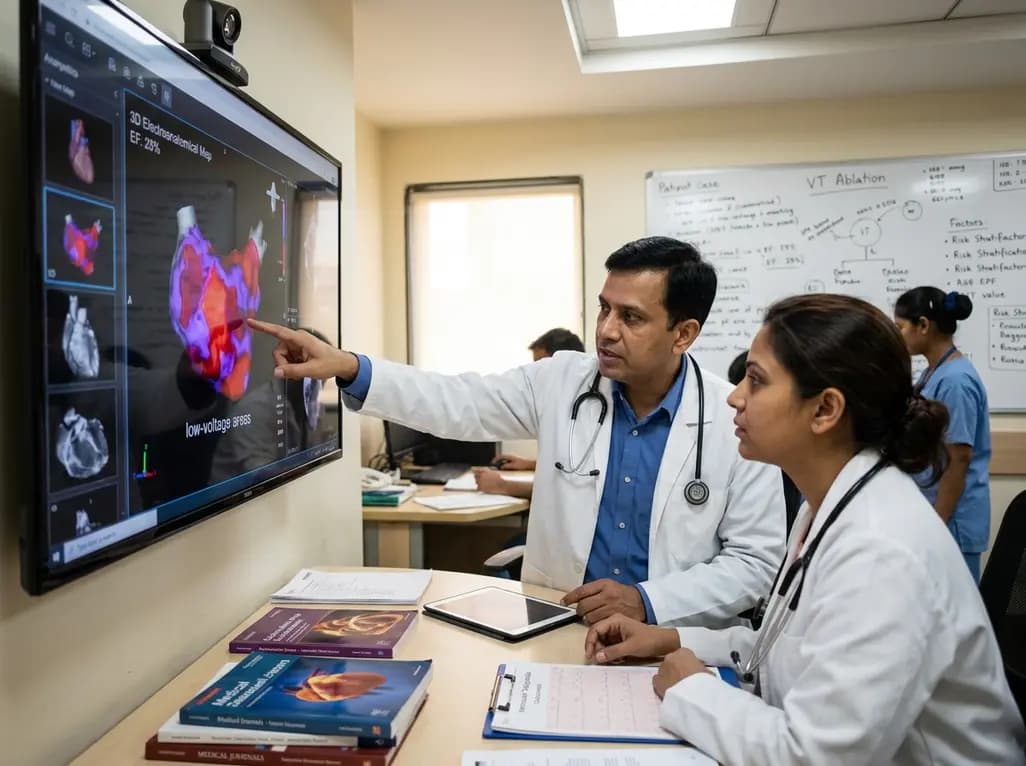
Combining left ventricular low-voltage area with ejection fraction significantly improves risk stratification for end-stage heart failure following ventricular tachycardia ablation in non-ischemic cardiomyopathy, guiding timely multidisciplinary intervention.
Today
A novel theoretical framework reframes hands-on musculoskeletal assessment as a clinician-reported outcome measurement instrument using COSMIN principles. This approach emphasizes construct clarity, examiner calibration, and structured validation over historical technique debates.
Today
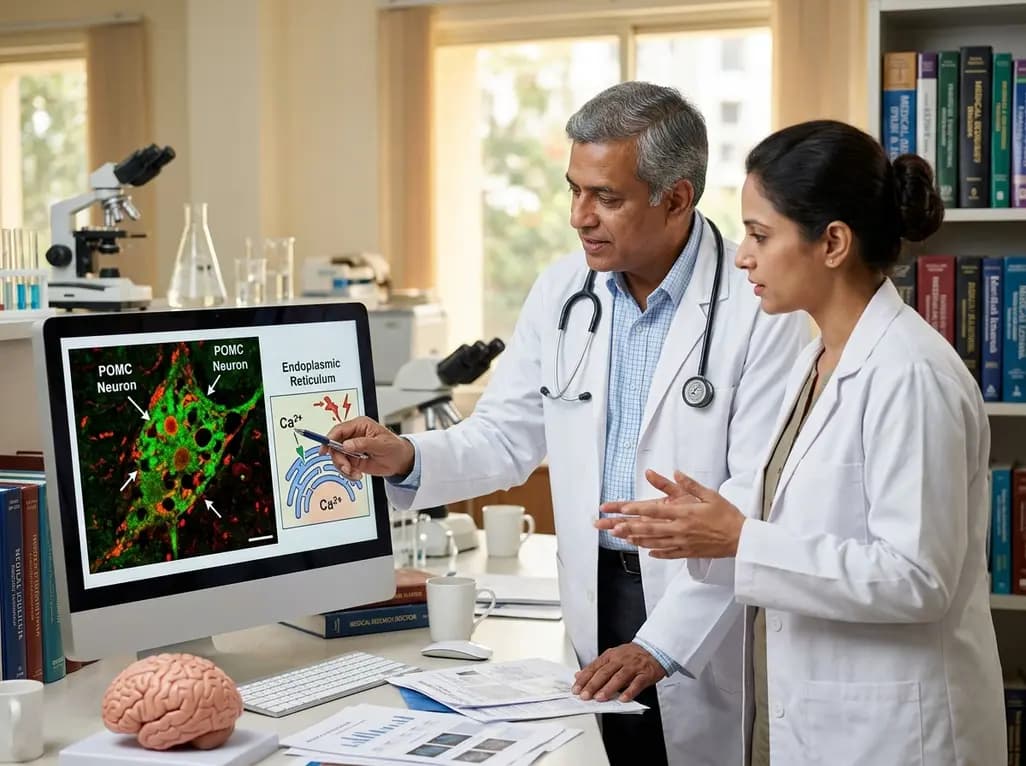
A breakthrough study reveals that loss of SELENOT in hypothalamic POMC neurons triggers premature cellular senescence, ATF6α stress activation, and ER calcium depletion, linking neuroendocrine decay to metabolic disease.
Today
