

Loading, please wait...
Loading, please wait...

Neonatal encephalopathy due to birth asphyxia and trauma remains a catastrophic intrapartum complication that challenges healthcare systems worldwide. Although global perinatal care has advanced significantly over recent decades, this condition continues to drive high rates of newborn mortality. Furthermore, survivors often suffer from devastating long-term neurodevelopmental sequelae, including cerebral palsy, intellectual disability, and epilepsy. The Global Burden of Disease Study 2021 provides an essential epidemiological assessment of these trends across 204 countries. Clinicians must understand these shifting global and regional metrics to guide proactive interventions.
Between 1990 and 2021, the absolute number of global cases of neonatal encephalopathy increased from 446,841 to 508,909. Consequently, the crude prevalence rate rose from 445.1 per 100,000 population to 522.2 per 100,000 population. However, total global deaths fell by 31.0%, dropping from 823,812 deaths in 1990 down to 568,255 deaths in 2021. Similarly, the crude mortality rate decreased markedly from 8,205.7 per 100,000 population to 5,831.1 per 100,000 population.
These contrasting trends indicate substantial progress in immediate neonatal resuscitation and acute survival. Nevertheless, the expanding pool of surviving infants creates new clinical responsibilities for pediatricians and rehabilitative specialists. Because more fragile neonates survive the initial asphyxial insult, the absolute burden of long-term neurologic morbidity continues to expand. Therefore, healthcare systems must not measure success solely through survival rates. Clinicians must simultaneously evaluate long-term cognitive and motor outcomes in these vulnerable infants. In addition, epidemiological data emphasize that acute survival without functional rehabilitation creates severe family and societal challenges. Modern perinatal protocols must therefore prioritize neuroprotective strategies alongside basic resuscitative support.
The burden of neonatal encephalopathy demonstrates stark inequality across different socio-demographic index quintiles. Low socio-demographic index regions experienced a dramatic 112.9% surge in cases between 1990 and 2021. In contrast, high-middle socio-demographic index regions achieved an encouraging 34.8% reduction in total case counts. Although mortality rates declined across all socio-demographic index strata, low-resource settings documented the smallest overall decline.
Regional disparities appear equally pronounced when examining specific geographic sectors. For instance, Western sub-Saharan Africa suffered a striking 151.7% increase in total cases over the thirty-year study interval. Furthermore, individual countries like Ethiopia documented substantial increases in both prevalence and mortality rates. Conversely, well-resourced nations maintained low and stable disease rates through comprehensive perinatal management. Lower socio-demographic index ratings correlate consistently with steeper trajectories of disease prevalence and mortality. Consequently, low- and middle-income countries continue to bear the greatest global burden. In India and neighboring South Asian nations, high birth volumes and uneven rural healthcare infrastructure create persistent clinical hurdles. Therefore, targeted investments in maternal and neonatal transport networks remain urgently necessary to bridge these glaring geographical survival gaps.
Identifying the leading risk factors for birth asphyxia and trauma is vital for developing effective preventive measures. According to the study, low birth weight and short gestation represent the primary global risk factors for fatal encephalopathy. Over the past three decades, the attributable fractions for prematurity and fetal growth restriction have steadily risen. When neonates are born prematurely, their underdeveloped cerebral vasculature demonstrates heightened vulnerability to hypoxic-ischemic insults during delivery.
Moreover, environmental risk factors have shifted noticeably across different geographic areas. Specifically, the proportion of deaths attributable to household air pollution from solid cooking fuels has declined globally. However, mortality attributable to ambient particulate matter pollution has escalated significantly during the same period. Maternal exposure to ambient fine particulate matter induces systemic inflammation, placental dysfunction, and fetal growth compromise. Consequently, prenatal environmental exposures directly amplify vulnerability to intrapartum hypoxia. Clinicians must therefore recognize that perinatal brain injury stems from both intrinsic fetal vulnerabilities and broader extrinsic environmental determinants. Addressing these combined hazards requires multidisciplinary interventions that integrate clinical obstetrics with public health policies.
Preventing neonatal encephalopathy requires meticulous clinical care during the intrapartum window. Because birth asphyxia develops rapidly during prolonged or obstructed labor, skilled birth attendance remains indispensable. Obstetric teams must vigilantly monitor fetal heart rate patterns to detect early signs of fetal compromise. Furthermore, timely access to operative interventions, such as emergency cesarean sections, prevents irreversible hypoxic injury.
Once delivery occurs, immediate and structured neonatal resuscitation saves lives. Skilled teams must adhere strictly to established neonatal resuscitation protocols, emphasizing effective positive pressure ventilation. Because hypothermia management provides proven neuroprotection, clinicians must evaluate candidates for therapeutic hypothermia within six hours of birth. However, in low-resource community settings, implementing standard therapeutic cooling presents significant logistic challenges. Therapeutic hypothermia requires precise temperature control and continuous electroencephalographic monitoring to prevent secondary physiological harm. Therefore, providers must maintain normoglycemia, avoid severe hyperthermia, and manage subclinical seizures meticulously. Additionally, healthcare facilities must establish seamless referral algorithms between primary birthing centers and tertiary neonatal intensive care units. Ensuring rapid, safe transport under controlled thermal conditions directly preserves neurological function in severely affected infants.
Addressing the heavy burden of neonatal encephalopathy requires robust health system reform, especially in underserved regions. First, maternal healthcare services must improve prenatal screening to detect intrauterine growth restriction and maternal comorbidities early. When clinicians identify high-risk pregnancies promptly, they can coordinate deliveries at facilities equipped with comprehensive obstetric and neonatal care.
Furthermore, regional health systems must invest heavily in workforce training and equipment procurement. Primary birthing centers frequently lack functional suction apparatus, self-inflating bags, and trained personnel capable of performing neonatal resuscitation. By providing structured simulation training, healthcare networks can substantially enhance provider competency during unexpected delivery emergencies. In addition, health authorities must establish dedicated follow-up clinics for asphyxiated neonates who survive the acute perinatal period. Because neurodevelopmental deficits manifest gradually during infancy, early neurodevelopmental screening and physical therapy optimize functional outcomes. Ultimately, eliminating preventable birth trauma demands continuous collaboration among obstetricians, neonatologists, nurses, and community health workers. Through coordinated clinical networks, healthcare systems can reduce preventable brain injuries and ensure every newborn achieves healthy neurological development.
The Global Burden of Disease study defines neonatal encephalopathy due to birth asphyxia and trauma as a severe neurological syndrome presenting shortly after birth. Affected infants exhibit impaired consciousness, altered tone, or neonatal seizures. This condition typically results from intrapartum hypoxia, systemic ischemia, or mechanical birth injuries during labor and delivery.
Low socio-demographic index regions have seen rapid population growth and expanding birth cohorts over the past three decades. In addition, improved acute neonatal resuscitation has enabled more asphyxiated newborns to survive the immediate delivery period. Consequently, while crude mortality has decreased, the overall absolute prevalence of survivors living with impairments has increased.
Low birth weight and short gestation represent the primary global risk factors driving mortality. Furthermore, maternal malnutrition, limited intrapartum fetal monitoring, and suboptimal emergency obstetric interventions exacerbate these outcomes. Addressing maternal environmental exposures, such as household and ambient particulate matter pollution, also provides critical avenues for long-term clinical and community prevention.
Disclaimer: This content is for informational and educational purposes only. It is not intended to be a substitute for professional medical advice, diagnosis, or treatment. Refer to the latest local and national guidelines for clinical practice.
References

Read summarized clinical updates, watch expert medical content, and earn CME certifications right from your smartphone.
Open your smartphone camera to scan and install.





A comprehensive Global Burden of Disease 2021 analysis reveals shifting trends in neonatal encephalopathy due to birth asphyxia and trauma, highlighting persistent disparities in low-SDI regions and key attributable risks like prematurity and low birth weight.
Today

A qualitative study investigates whether traditional bedside clinical examinations still mirror contemporary physician practice. Findings support retaining long cases while reforming short cases toward hypothesis-driven assessments.
Today
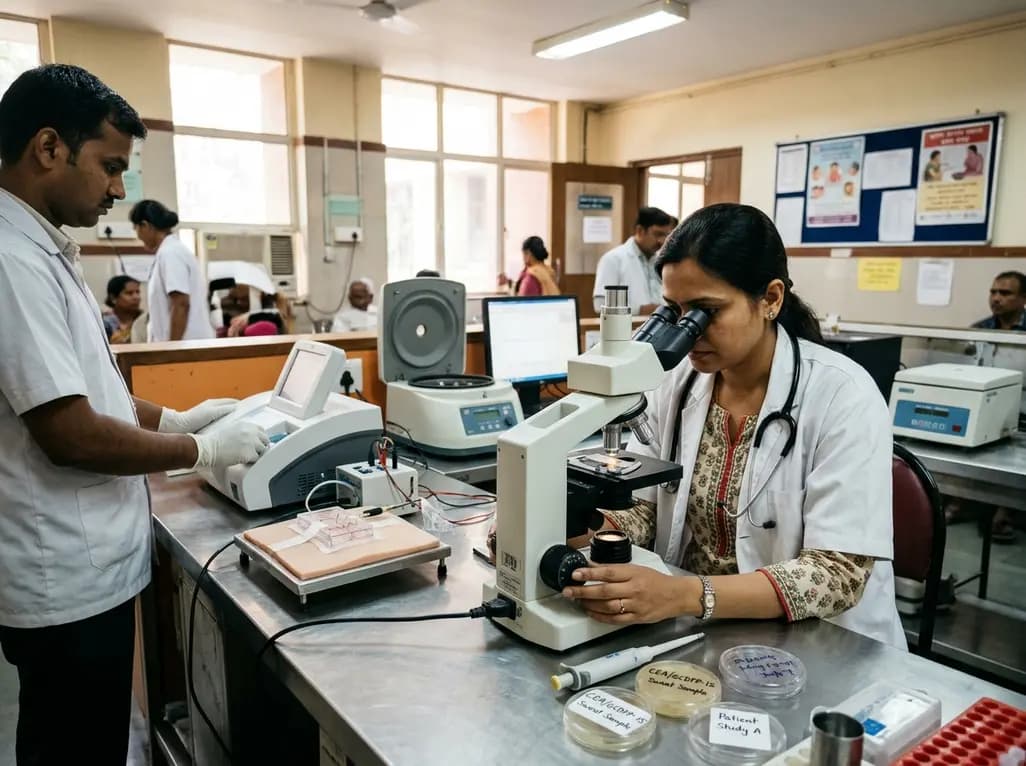
A pilot study evaluated WearDOXXN, a capillary microfluidic sweat patch, for noninvasive breast cancer monitoring by comparing sweat and serum CEA and PIP/GCDFP-15 levels.
Yesterday

India faces a massive diabetes burden with over 89 million adults affected. Managing blood sugar in isolation fails to prevent severe cardiorenal complications. Clinicians must adopt an integrated metabolic ecosystem that prioritizes early detection, multifactorial risk assessment, and personalized therapies.
Yesterday
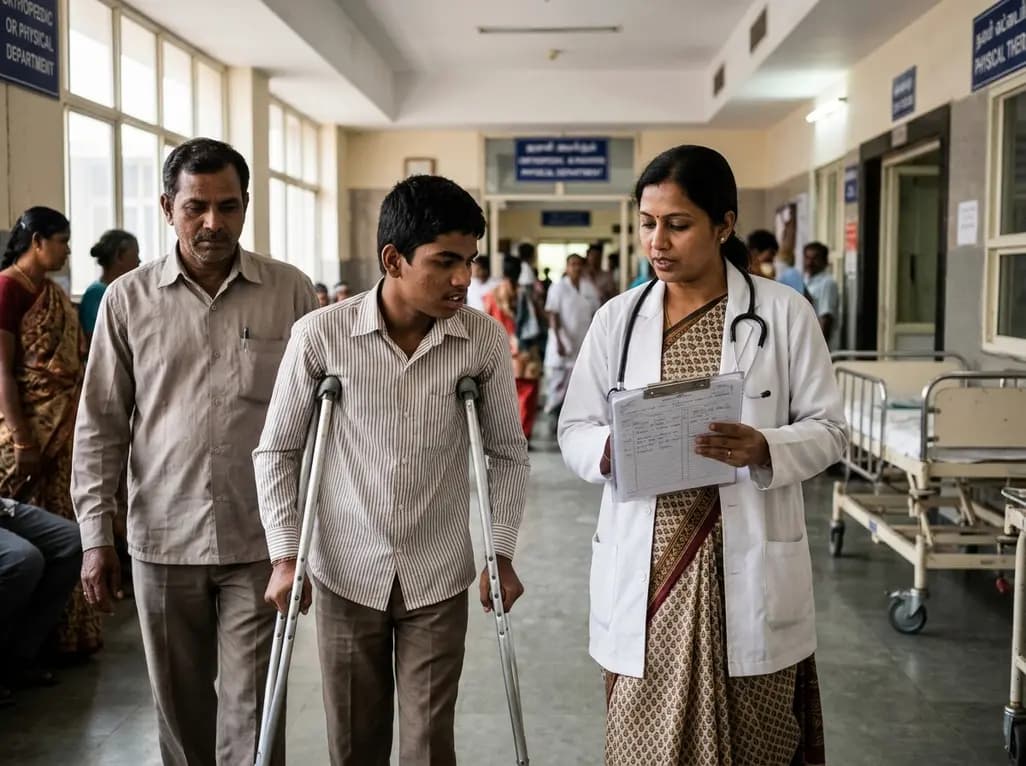
The Gross Motor Function Classification System (GMFCS) stops its validated age bands at 18. Recent evidence emphasizes that evaluating adult cerebral palsy requires purpose-sensitive documentation combining adolescent ratings with dynamic profiles of mobility, fatigue, pain, and community participation.
Yesterday

A breakthrough 3D-printed piezoelectric collagen hydrogel activated by ultrasound accelerates diabetic wound repair, demonstrating 98.5% wound closure, robust antibacterial action, and enhanced vascularization without toxic chemical crosslinkers.
Today
