.webp&w=384&q=75)

Loading, please wait...
Loading, please wait...

A recent high-quality retrospective study has identified a significant association between neonatal AKI after contrast media exposure and renal function in the intensive care unit. Researchers analyzed over 1,700 neonates to determine the impact of iodinated contrast media (ICM) during CT scans. Their findings suggest that critically ill neonates face a heightened susceptibility to contrast-associated renal complications because of their immature kidney function.
The study utilized propensity-score matching and overlap-weighted analyses to minimize confounding variables. In the original patient group, the incidence of acute kidney injury (AKI) reached 13.9% for neonates receiving contrast-enhanced CT. In contrast, the control group, which underwent non-contrast imaging, showed only an 8.2% incidence. These results indicate that ICM exposure significantly increases the odds of developing renal injury in this vulnerable population. Moreover, the propensity-score matched cohort confirmed these findings with a significant odds ratio of 1.86. Therefore, medical teams must prioritize renal monitoring in neonates following any contrast-enhanced diagnostic procedures.
While the overall risk of AKI increased, the severity of the injury was typically limited. The data showed no significant difference in the incidence of Stage 2 or 3 AKI between the groups. This suggests that while neonatal AKI after contrast occurs frequently, it often manifests as a mild, transient increase in serum creatinine. However, neonatal kidneys are still developing, and even minor injuries may have long-term implications for kidney health. Consequently, clinicians should remain vigilant when ordering contrast-enhanced imaging for newborns in the ICU. Furthermore, the robust evidence provided by the overlap-weighted analysis strengthens the association between ICM and acute renal changes.
Monitoring serum creatinine levels is essential for early detection of kidney dysfunction. The study defined AKI as an increase in serum creatinine of at least 0.3 mg/dL within 48 hours or an increase of 50% or more within seven days. When imaging is necessary, medical teams should consider lower-dose contrast protocols. Additionally, alternative modalities like ultrasound or MRI can sometimes replace CT scans to avoid chemical exposure. Nevertheless, maintaining optimal hydration before and after the procedure remains a cornerstone of renal protection in the neonatal intensive care setting. Physicians should also evaluate the risk-to-benefit ratio of each scan carefully.
The study primarily observed Stage 1 AKI, which is often reversible. There was no significant increase in severe Stage 2 or 3 AKI cases. However, since neonatal kidneys are immature, any injury warrants careful follow-up to monitor for long-term renal outcomes.
Physicians can mitigate neonatal AKI after contrast by using the lowest effective volume of contrast media. Additionally, maintaining euvolemia through intravenous fluids and avoiding other nephrotoxic drugs during the periprocedural period is highly recommended to protect developing kidneys.
Disclaimer: This content is for informational and educational purposes only. It does not constitute professional medical advice, diagnosis, or treatment. Always seek the advice of your physician or other qualified health provider with any questions you may have regarding a medical condition. Refer to the latest local and national guidelines for clinical practice.
References

Read summarized clinical updates, watch expert medical content, and earn CME certifications right from your smartphone.
Open your smartphone camera to scan and install.





A retrospective study indicates that ICU neonates receiving iodinated contrast media for CT have a significantly higher risk of developing stage 1 AKI....
5 months ago
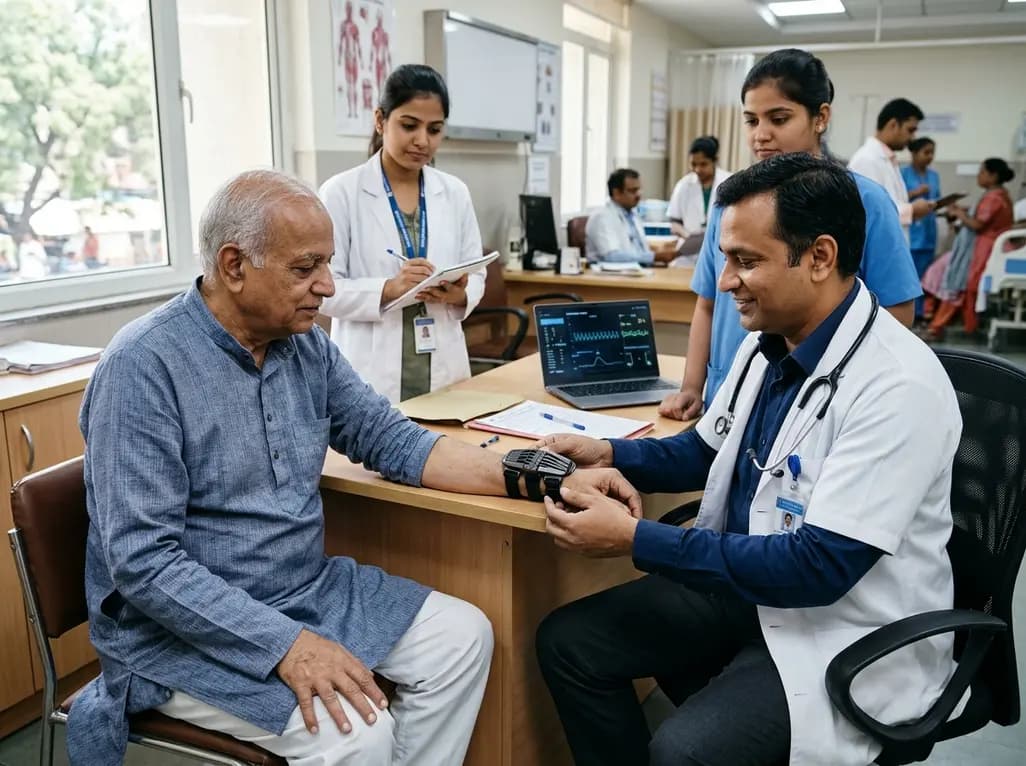
The TREM-AB open-label pilot study evaluated a wearable passive nonlinear vibration absorber for essential tremor. The Nonlinear Energy Sink bracelet reduced clinical Fahn-Tolosa-Marin tremor scores by 32.1% and electrophysiological tremor power by 49.2% with no adverse effects reported.
Today

A study in JAMIA Open shows lightweight open-source reasoning LLMs achieve up to 95% sensitivity and accelerate evidence synthesis screening by nearly twentyfold, presenting a cost-effective, scalable AI solution for biomedical research and systematic reviews.
Today
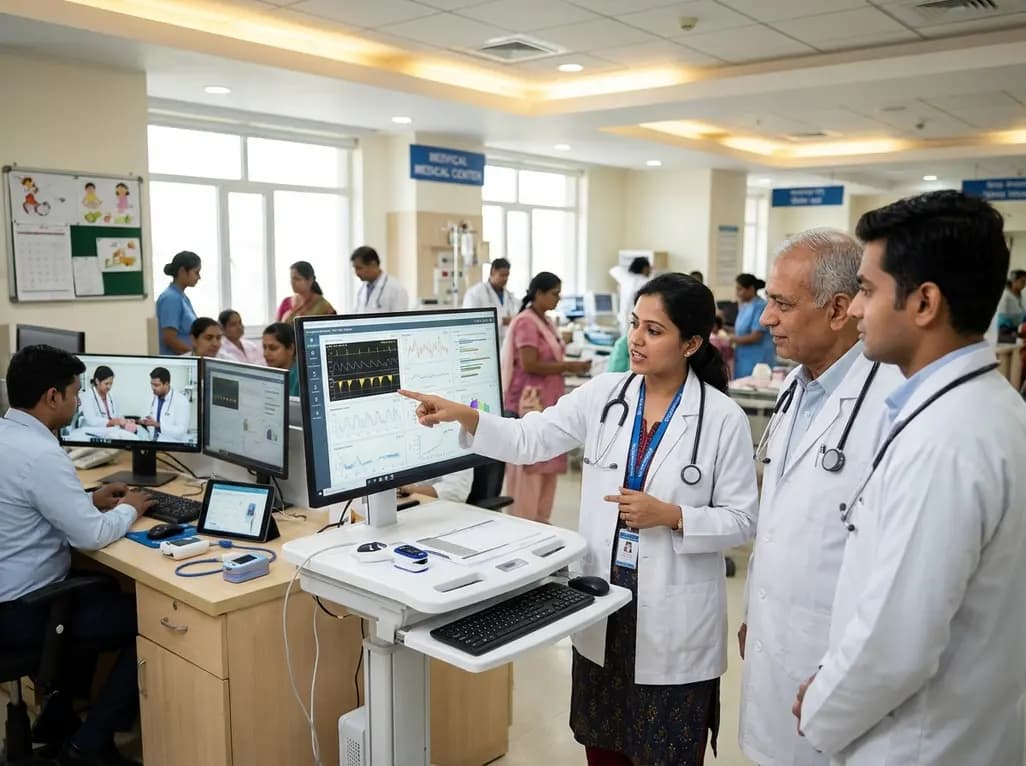
A landmark study details how an enterprise pediatric remote patient management model expanded from a single cardiology pilot to 16 diverse specialty programs by combining centralized digital operations with specialty clinical leadership.
Today
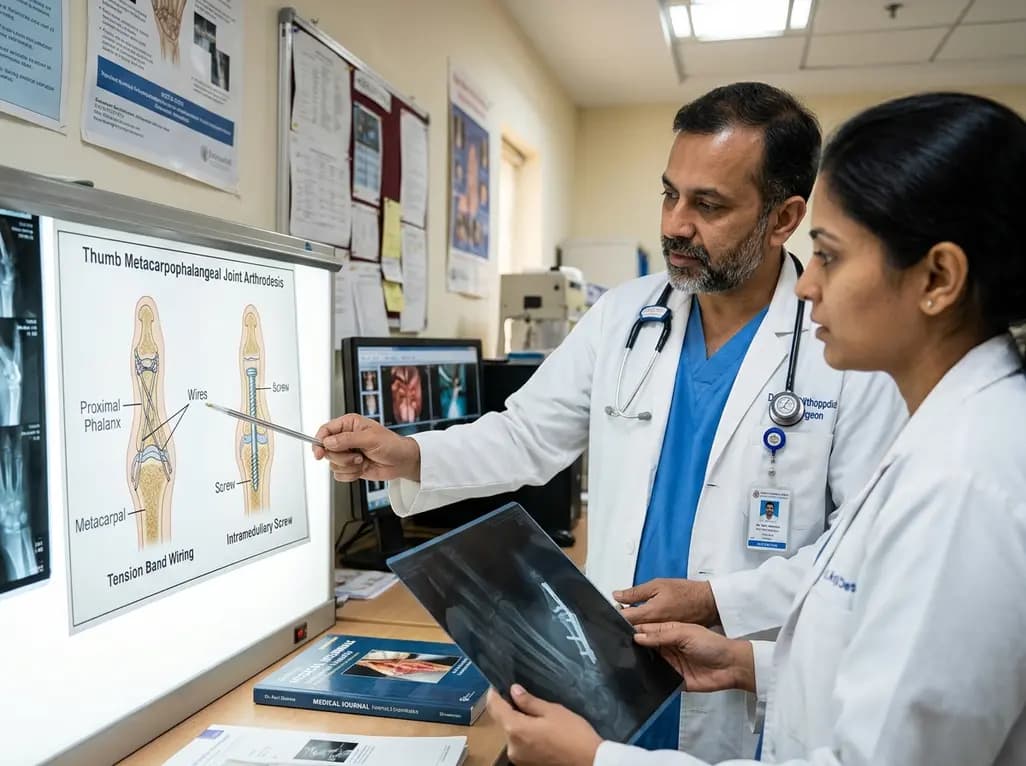
A comparative review of tension band wiring and intramedullary screw fixation in thumb metacarpophalangeal arthrodesis, evaluating union rates, hardware complications, and clinical outcomes.
Today
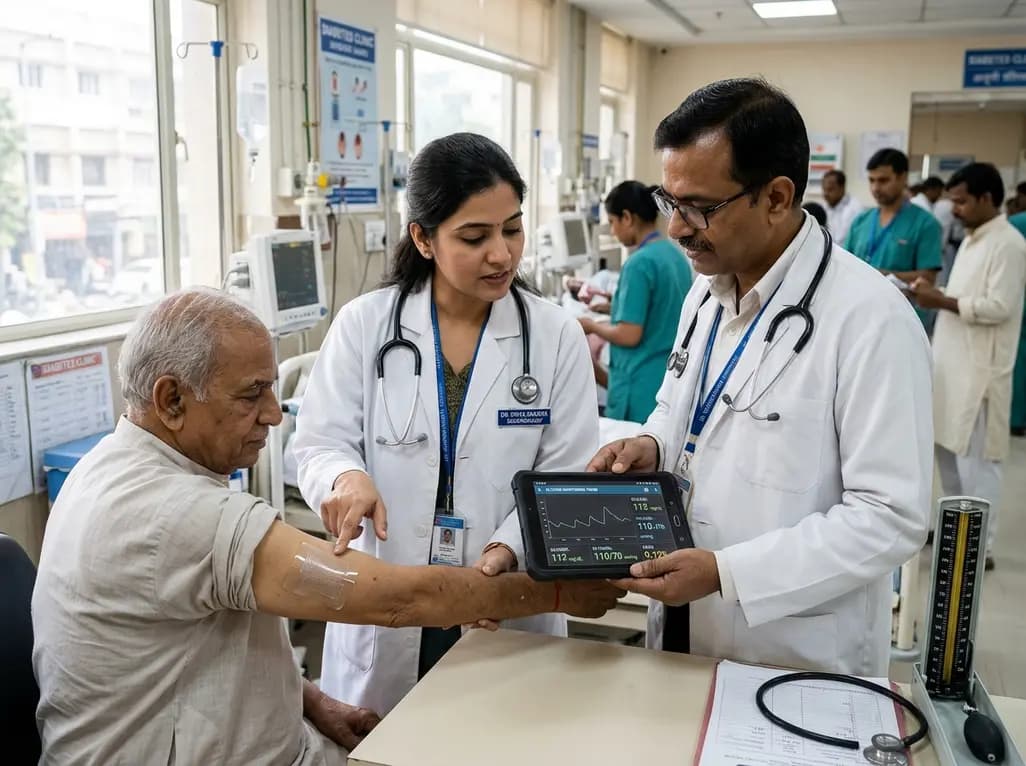
A breakthrough ultrathin multimodal sensor decouples physical hemodynamic monitoring from disposable electrochemical calibration, achieving long-term wearable glucose prediction with 81.36% accuracy and a 9.12% MARD. This offers a robust, drift-free solution for outpatient metabolic surveillance.
Today
