.webp&w=384&q=75)

Loading, please wait...
Loading, please wait...

Locally advanced esophageal squamous cell carcinoma presents demanding management challenges for thoracic surgeons and clinical oncologists worldwide. Historically, standard practice established neoadjuvant chemoradiotherapy followed by planned esophagectomy as the primary curative pathway. Recently, neoadjuvant chemoimmunotherapy has emerged as a groundbreaking alternative for resectable squamous tumors. Adding programmed cell death protein 1 inhibitors to traditional doublet chemotherapy stimulates robust systemic immune responses. Consequently, surgeons frequently observe impressive pathological downstaging and complete responses during surgical specimen evaluations. However, clinicians must critically evaluate whether immune-directed strategies alter early recurrence kinetics compared to radiation-based regimens. A major multicenter cohort study recently evaluated 1,428 patients with stage IIB to IVA esophageal squamous cell carcinoma. The researchers applied propensity score matching to balance patient demographics, tumor stages, and baseline performance scores. Furthermore, the investigators tracked overall survival, recurrence-free survival, and post-recurrence trajectories across surgical centers. Because recurrence within the initial postoperative phase drives mortality, examining failure distribution remains indispensable. Understanding these nuances helps multidisciplinary teams design balanced, risk-adapted treatment plans. Ultimately, this emerging evidence equips oncologists with vital perspectives on preoperative selection and postoperative monitoring.
Tracking the precise recurrence timeline allows oncologists to intervene before systemic deterioration compromises clinical rescue efforts. In this multicenter comparative trial, investigators analyzed relapse timing across matched cohorts over prolonged follow-up intervals. Patients receiving preoperative treatments exhibited distinctive recurrence velocity during the initial two years following radical resection. Specifically, early recurrence within the first twelve to twenty-four months represents the predominant determinant of cancer-specific mortality. Preoperative chemoradiotherapy delivers potent ionizing energy that sterilizes regional tissues rapidly before operative resection. In contrast, chemoimmunotherapy stimulates enduring host T-cell activation, targeting occult micrometastases across distant vascular channels. Therefore, both modalities demonstrate divergent recurrence dynamics despite yielding broadly comparable overall survival durations in matched analyses. The data confirmed that patients receiving chemoimmunotherapy achieved competitive disease-free survival rates when tumors responded favorably. In addition, the incorporation of immune checkpoint blockers did not elevate surgical complication rates or delay resection. Nevertheless, treating teams noticed differences in the velocity of local versus systemic tumor recurrence. Consequently, clinicians must maintain rigorous surveillance schedules throughout the critical early postoperative window. These temporal insights enable surgical teams to identify relapses promptly and initiate timely salvage interventions.
The anatomical distribution of cancer recurrence carries profound implications for secondary treatment options and disease control. Neoadjuvant chemoradiotherapy provides remarkable local sterilization across the esophageal bed and contiguous lymphatic stations. As a direct result, radiation-treated patients typically demonstrate significantly lower locoregional recurrence rates during surveillance. Conversely, neoadjuvant chemoimmunotherapy operates primarily as a systemic modality designed to mobilize systemic antitumor immunity. Because disseminated microscopic tumor deposits cause distant metastatic failure, checkpoint inhibition confers substantial systemic protection. In this multicenter cohort, chemoimmunotherapy recipients experienced fewer distant metastases. These distant failures commonly involve organs like the liver, bones, and lungs. However, these same individuals exhibited a moderately higher risk of locoregional nodal failure compared to irradiated patients. This clear divergence illustrates the biological trade-offs characterizing each preoperative regimen. Radiation excels at eradicating local tumor bulk, whereas immunotherapy restrains systemic hematogenous spread. Therefore, multidisciplinary tumor boards must carefully assess individual tumor anatomy before finalizing preoperative therapy. Specifically, bulky regional nodal metastases may warrant radiation inclusion, whereas aggressive biological features favor systemic chemoimmunotherapy. In addition, personalized risk stratification ensures that surgical oncologists select the optimal protocol for every patient.
When esophageal cancer recurs following curative-intent esophagectomy, post-recurrence survival dictates subsequent clinical longevity. Interestingly, the multicenter trial highlighted meaningful differences in survival outcomes after disease recurrence between the two therapeutic cohorts. Patients experiencing recurrence following neoadjuvant chemoimmunotherapy frequently retained favorable responses to subsequent systemic and localized salvage therapies. Furthermore, earlier exposure to immune checkpoint inhibition may reprogram cellular immune microenvironments without exhausting future responsiveness. Because prior therapies influence tumor resistance, oncologists must select second-line options with meticulous precision. In addition, patients developing isolated locoregional recurrence after chemoimmunotherapy often remain fully eligible for salvage radiation therapy. This therapeutic window represents a vital advantage, because radiation-naive tissues tolerate curative-intent radiotherapy safely. Conversely, patients who experience recurrence after comprehensive preoperative chemoradiotherapy face severe limitations regarding repeat radiation. This clinical limitation arises largely from cumulative healthy tissue toxicity. Therefore, salvage strategies for previously irradiated patients remain confined largely to palliative systemic regimens. Consequently, patients with salvageable locoregional failure after chemoimmunotherapy frequently achieve extended post-recurrence survival. Ultimately, sequencing modalities thoughtfully across the entire treatment continuum optimizes long-term survival beyond initial curative surgery. Thoughtful planning preserves meaningful salvage options.
Esophageal squamous cell carcinoma represents a formidable health challenge across India, showing high prevalence in northern and northeastern regions. Patients across these geographical areas frequently present at advanced stages, necessitating aggressive multimodality management. Historically, infrastructure bottlenecks and substantial radiation therapy waiting lists create significant treatment delays in government medical colleges. In this demanding scenario, neoadjuvant chemoimmunotherapy provides an effective systemic-first paradigm that avoids radiation-related scheduling delays. Furthermore, medical oncologists throughout India have developed extensive clinical familiarity with checkpoint inhibitors across several solid tumor indications. However, clinicians must tailor therapy carefully based on nutritional status, performance score, financial considerations, and tumor location. Multidisciplinary tumor boards must determine whether regional nodal bulk demands preoperative radiotherapy or whether chemoimmunotherapy alone suffices. In addition, rigorous postoperative surveillance protocols remain critical across Indian tertiary centers to identify early, treatable relapses. Routine cross-sectional imaging and timely endoscopic examinations detect locoregional recurrences before symptoms become unmanageable. As Indian centers increasingly perform minimally invasive and robotic-assisted esophagectomies, integrating tailored neoadjuvant therapies will optimize curative outcomes. Consequently, personalized multimodality selection directly enhances patient quality of life and long-term survival in Indian oncology settings.
Neoadjuvant chemoimmunotherapy predominantly influences recurrence kinetics by promoting sustained systemic antitumor immunity. Patients achieving significant pathological responses experience prolonged recurrence-free intervals compared to non-responders. However, early relapses still tend to cluster within the first two years following radical surgical resection. By eradicating micrometastases early, chemoimmunotherapy shifts recurrence patterns away from widespread distant dissemination toward isolated regional sites, which significantly alters overall disease progression dynamics.
Locoregional recurrence rates differ primarily because radiotherapy delivers high-dose targeted ionizing energy directly to the primary tumor bed and regional lymphatic drainage basins. This localized sterilization reduces regional field failure effectively. Conversely, chemoimmunotherapy acts as a systemic treatment that empowers immune cells to clear distant circulating cancer cells. Consequently, chemoimmunotherapy provides superior systemic protection but occasionally demonstrates slightly higher regional recurrence rates than radiation-based preoperative protocols.
Surveillance protocols must focus intensively on the first twenty-four months, when over seventy percent of recurrences occur. Clinicians should conduct contrast-enhanced computed tomography of the chest, neck, and abdomen every three to six months. Furthermore, regular endoscopic examinations evaluate the anastomotic site for mucosal recurrence. In addition, oncologists should offer prompt cross-sectional imaging whenever patients report dysphagia, unexplained weight loss, or persistent bone pain to detect treatable recurrences early.
Disclaimer: This content is for informational and educational purposes only... Refer to the latest local and national guidelines for clinical practice.
References

Read summarized clinical updates, watch expert medical content, and earn CME certifications right from your smartphone.
Open your smartphone camera to scan and install.





A multicenter study of 1,428 patients compares early recurrence patterns between neoadjuvant chemoimmunotherapy and chemoradiotherapy in locally advanced esophageal squamous cell carcinoma, highlighting locoregional control, distant metastasis, and survival implications.
last month
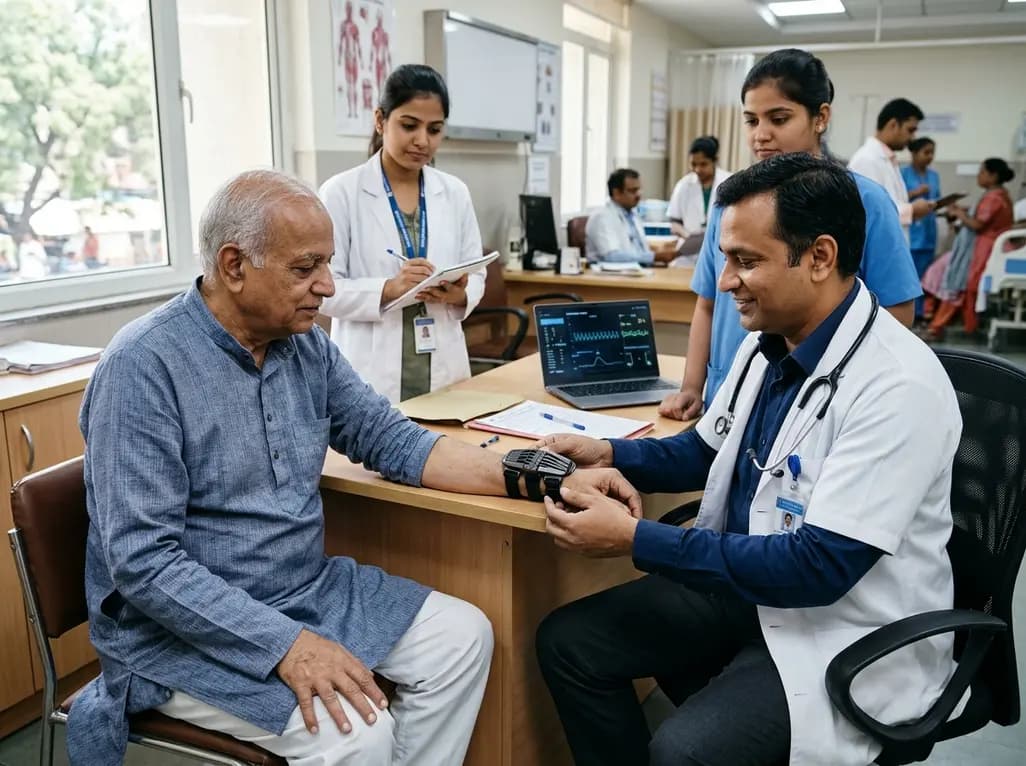
The TREM-AB open-label pilot study evaluated a wearable passive nonlinear vibration absorber for essential tremor. The Nonlinear Energy Sink bracelet reduced clinical Fahn-Tolosa-Marin tremor scores by 32.1% and electrophysiological tremor power by 49.2% with no adverse effects reported.
Today
A population-based study of 20,928 children reveals that small vulnerable newborns face sex-divergent mental capital outcomes at ages 6-7: term SGA girls show higher behavioral difficulties and lower resilience, while preterm non-SGA boys experience increased behavioral problems.
Today
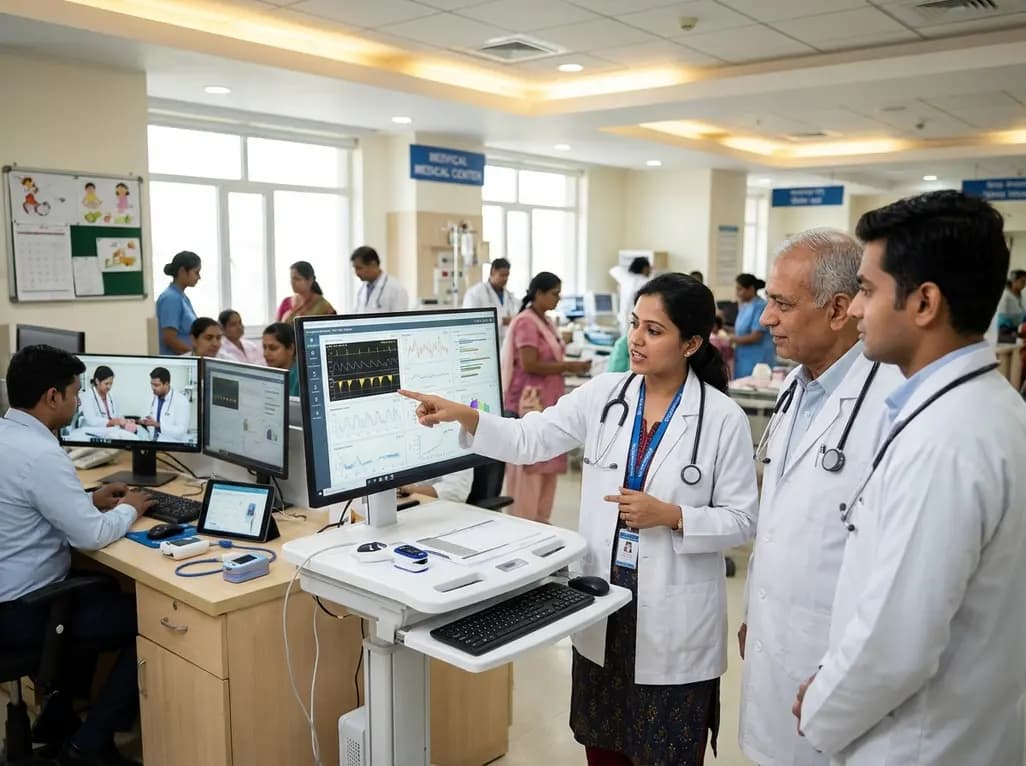
A landmark study details how an enterprise pediatric remote patient management model expanded from a single cardiology pilot to 16 diverse specialty programs by combining centralized digital operations with specialty clinical leadership.
Today
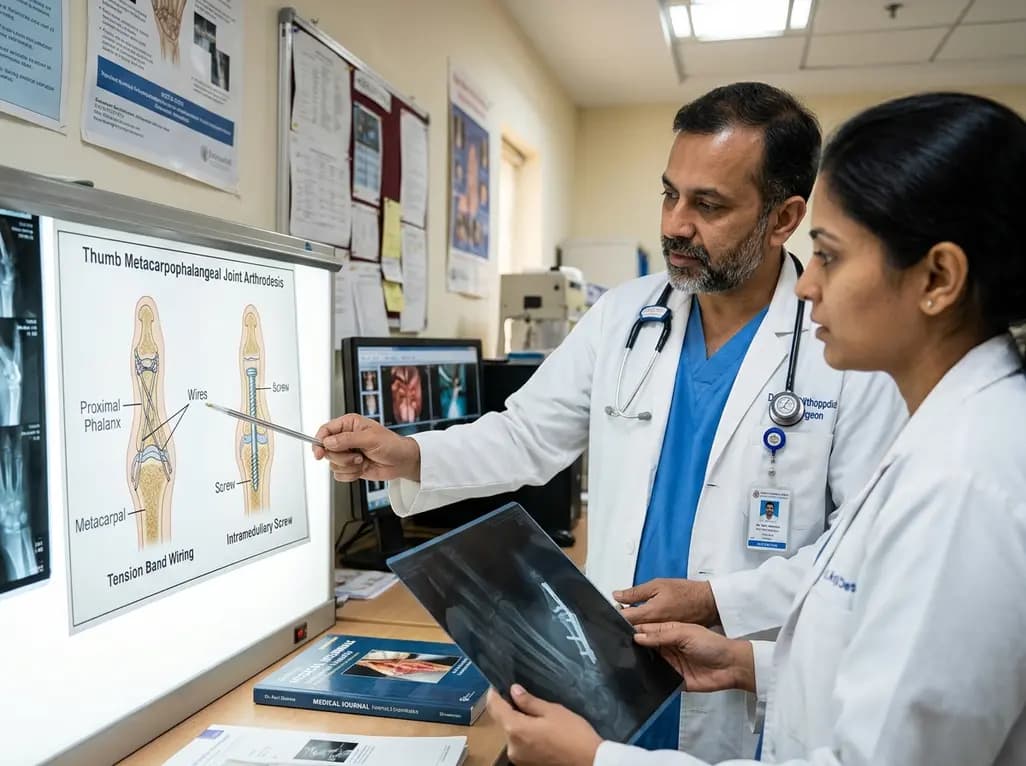
A comparative review of tension band wiring and intramedullary screw fixation in thumb metacarpophalangeal arthrodesis, evaluating union rates, hardware complications, and clinical outcomes.
Today
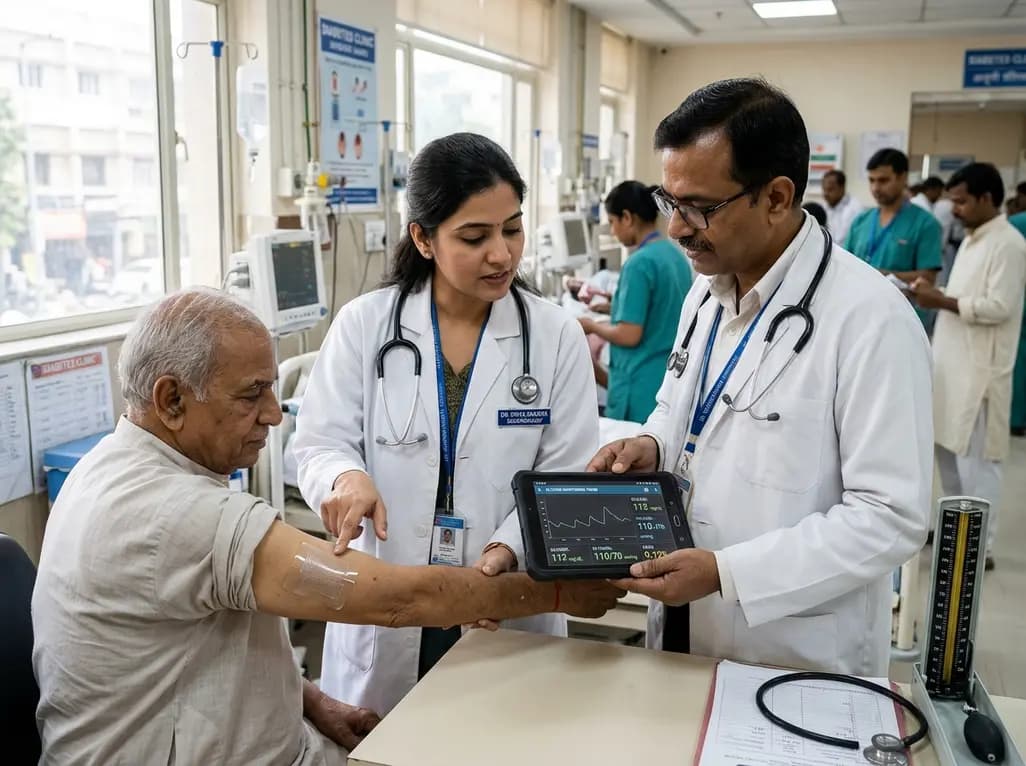
A breakthrough ultrathin multimodal sensor decouples physical hemodynamic monitoring from disposable electrochemical calibration, achieving long-term wearable glucose prediction with 81.36% accuracy and a 9.12% MARD. This offers a robust, drift-free solution for outpatient metabolic surveillance.
Today
