.webp&w=384&q=75)

Loading, please wait...
Loading, please wait...

The Union Ministry of Health and Family Welfare recently announced extensive NEET UG counselling reforms ahead of the upcoming medical admissions cycle. Union Health Minister J.P. Nadda conducted a comprehensive review of the preparedness for the counselling process. This evaluation covered seats under the All India Quota (AIQ) as well as institutional quotas under the purview of the Medical Counselling Committee (MCC) and the Directorate General of Health Services (DGHS). Subsequently, official directives were issued to ensure that medical admissions remain entirely transparent, merit-based, and student-centric. The government aims to reduce procedural delays while removing administrative hurdles for medical aspirants nationwide.
Furthermore, these updated guidelines introduce modern digital infrastructure to optimize seat allocation for undergraduate medical courses. Consequently, candidates will experience a significantly simplified journey from initial registration to final institute joining. Furthermore, key stakeholders including the National Testing Agency (NTA) and the National Medical Commission (NMC) have aligned their verification protocols. Therefore, the revised system integrates automated data checks, enhanced cybersecurity measures, and robust grievance redressal mechanisms. Additionally, officials received instructions to maintain continuous technical monitoring throughout all counselling rounds. Ultimately, these structural changes signify a transformative shift toward equitable, accessible, and efficient medical education administration in India.
A pivotal reform in the counselling architecture is the introduction of a one-time physical reporting framework. Previously, candidates who sought seat upgrades across multiple counselling rounds were forced to travel repeatedly to allocated institutes for physical document submission. However, under the newly instituted procedure, candidates opting to float their allotted seats can complete provisional admission formalities entirely online. Consequently, candidates need to report physically to an institution only once to finalize their admission.
Specifically, candidates who choose the Freeze option after seat allotment will report to their allocated institute within the specified timeline. They will undergo physical document verification and submit original certificates alongside their admission fees. Conversely, candidates selecting the Float option to pursue higher choices in subsequent rounds can complete document verification through the online portal. Furthermore, their provisional seat allotment remains completely valid while they participate in subsequent upgrade rounds up to the third round. However, once a final seat is confirmed after the third round, physical attendance becomes mandatory for completing final institutional enrolment. Overall, this simplified mechanism saves considerable financial resources and eliminates travel burdens for families across the country.
To enhance operational efficiency, the Health Ministry has integrated automated digital checks throughout the admission portal. For instance, candidate registration details provided by the National Testing Agency (NTA) will now pre-populate directly into the Medical Counselling Committee (MCC) portal. Additionally, the National Medical Commission (NMC) will validate the seat matrix prior to candidate choice filling, ensuring total accuracy in available institutional capacity. Participating medical colleges will subsequently conduct online verification of candidate credentials before finalizing seat allotments.
In addition to pre-populated candidate data, the Medical Counselling Committee (MCC) has established an online seat resignation facility. Previously, resigning from an allotted seat required a candidate to travel directly to the designated institute. However, candidates can now relinquish an allotted seat through the official MCC web portal within prescribed timelines without in-person visits. Furthermore, this digital exit route ensures that vacated seats return swiftly into the active seat matrix for subsequent allotment rounds. Consequently, seat blocking is minimized, and deserving merit candidates gain faster access to vacant undergraduate medical seats across participating colleges.
Special emphasis has been placed on improving accessibility for Persons with Benchmark Disabilities (PwBD) aspiring to pursue medical education. To achieve this objective, the Health Ministry expanded the number of designated disability assessment centres from 16 to 61 across India. Consequently, candidates with benchmark disabilities no longer need to travel long distances to obtain mandatory functional assessment certificates. This decentralization dramatically improves geographic accessibility and reduces hardship for disabled candidates and their families.
Furthermore, these assessment centres operate in strict alignment with updated guidelines published by the National Medical Commission (NMC). Under these revised regulations, certificates issued by designated medical boards are formally designated as Eligibility Certificates. These certificates reflect functional evaluations determining a candidate's specific suitability for MBBS course requirements. Additionally, specialized training programs have been organized for Disability Assessment Boards to maintain uniform, evidence-based, and competency-oriented evaluations. Therefore, every eligible candidate receives fair assessment based on objective standards rather than administrative ambiguity. Ultimately, these inclusive steps reinforce equal opportunity principles in medical entrance processes nationwide.
To handle heavy user traffic and protect sensitive candidate data, the Health Ministry conducted thorough technical preparedness evaluations. Specifically, officials reviewed cybersecurity arrangements in direct coordination with the National Informatics Centre (NIC). Consequently, multi-layered security protocols, server redundancies, and data encryption standards have been implemented to prevent system downtime and cyber threats. Moreover, dedicated technical support teams will monitor portal activity around the clock during peak registration and choice-filling windows.
Additionally, extensive capacity-building initiatives have been conducted for institutional stakeholders across the nation. For example, comprehensive training sessions were provided to college nodal officers, Document Verification Officers, and administrative personnel. These training programs ensure that participating medical colleges adhere strictly to standardized verification guidelines and portal workflows. Furthermore, Union Health Minister J.P. Nadda instructed officials to establish a prompt, responsive grievance redressal system. Aspirants facing technical difficulties or documentation queries will receive rapid assistance through dedicated helpdesks and online ticket systems. Through these proactive measures, the government guarantees a seamless, stress-free counselling experience for every participant.
Q1: What is the main benefit of the one-time physical reporting framework in NEET UG counselling?
The one-time physical reporting framework eliminates the requirement for candidates to visit allotted institutes repeatedly during seat upgradation rounds. Candidates who choose the Float option can verify documents and maintain provisional seat allotments online up to the third round. Consequently, candidates report physically only once to complete final admission formalities, significantly reducing travel costs, time burdens, and administrative paperwork for medical aspirants and their families.
Q2: How does the new online seat resignation facility benefit medical seat aspirants?
The online resignation facility allows candidates to give up an allotted seat directly through the official Medical Counselling Committee (MCC) portal within specified timelines. Aspirants no longer need to travel physically to the allotted college to submit resignation paperwork. Furthermore, this streamlined digital exit mechanism ensures that surrendered seats immediately re-enter the active pool for subsequent allotment rounds, preventing seat blocking and facilitating fair merit-based distribution.
Q3: How have assessment facilities for Persons with Benchmark Disabilities (PwBD) been expanded?
To improve accessibility, the Health Ministry increased the number of designated disability assessment centres from 16 to 61 across India. Candidates with benchmark disabilities can now undergo functional evaluations closer to their home locations. Additionally, these assessment centres issue standardized Eligibility Certificates based on revised National Medical Commission (NMC) guidelines, ensuring uniform, evidence-based, and transparent evaluation criteria for undergraduate medical course admissions nationwide.
Disclaimer: This content is for informational and educational purposes only. It does not constitute medical advice or replace professional judgment. Refer to the latest local and national guidelines for clinical practice.
References

Read summarized clinical updates, watch expert medical content, and earn CME certifications right from your smartphone.
Open your smartphone camera to scan and install.





Union Health Minister J.P. Nadda reviewed NEET UG counselling preparedness, introducing student-centric reforms like one-time physical reporting, online resignation, digital document verification, and expanding PwBD assessment centres from 16 to 61 to ensure transparent medical admissions.
Today
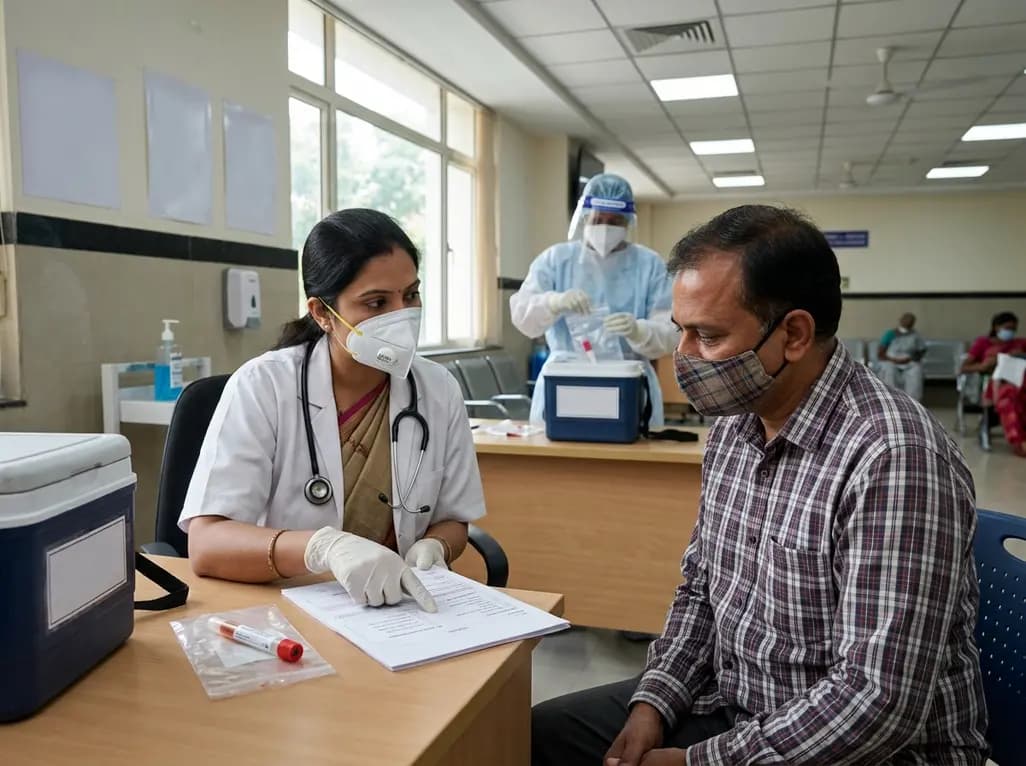
With rising COVID-19 test enquiries in Hyderabad following cases in neighboring regions, health authorities emphasize targeted, clinical-advice-driven testing over routine screening. This article outlines clinical indications, inter-hospital referral protocols, and public advisories for practicing physicians.
Today
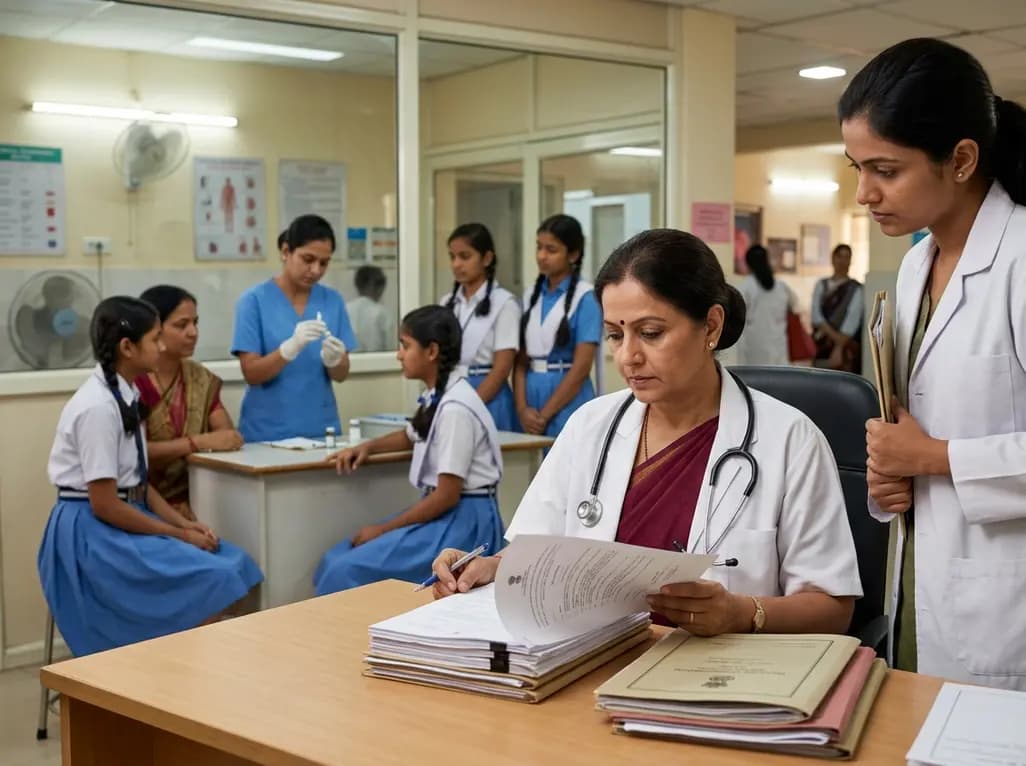
The Delhi High Court declined to halt the central government's nationwide HPV immunisation drive for 14-year-old girls, citing data showing no immediate harm. However, the bench cautioned against administering untested vaccines and directed health bodies to address safety protocols and consent concerns within four weeks.
Today
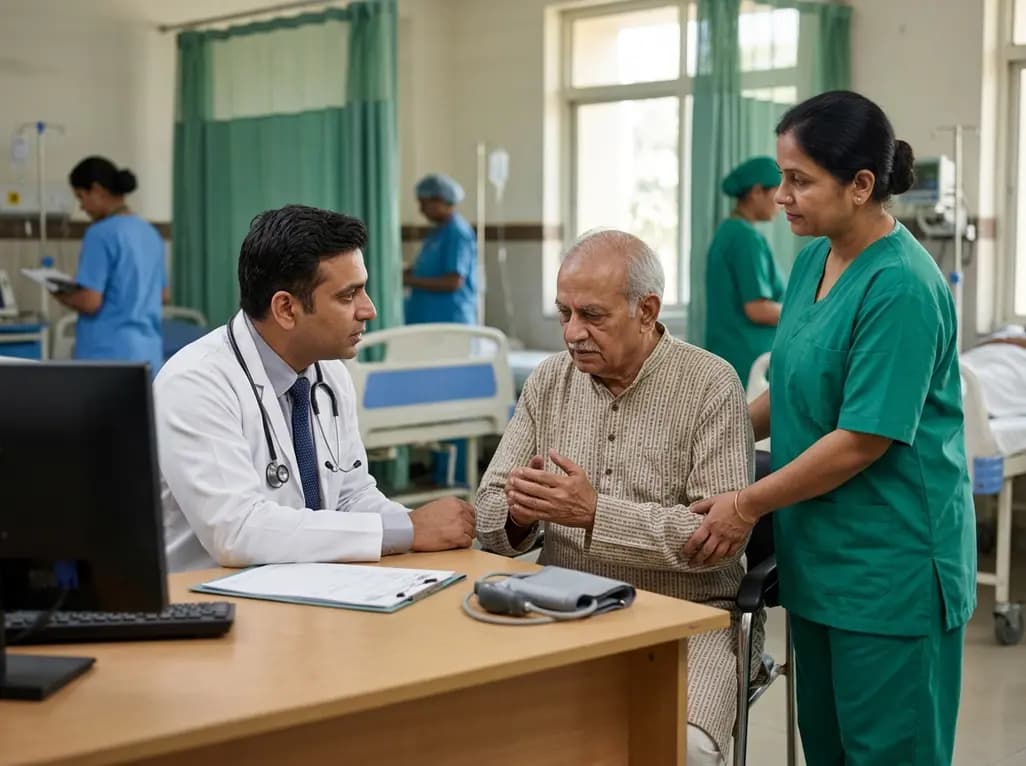
A cross-sectional study evaluates post-intensive care syndrome in cardiac patients 2-4 weeks post-ICU discharge, highlighting cognitive, psychological, and functional impairments and the need for structured multidisciplinary rehabilitation.
6 days back
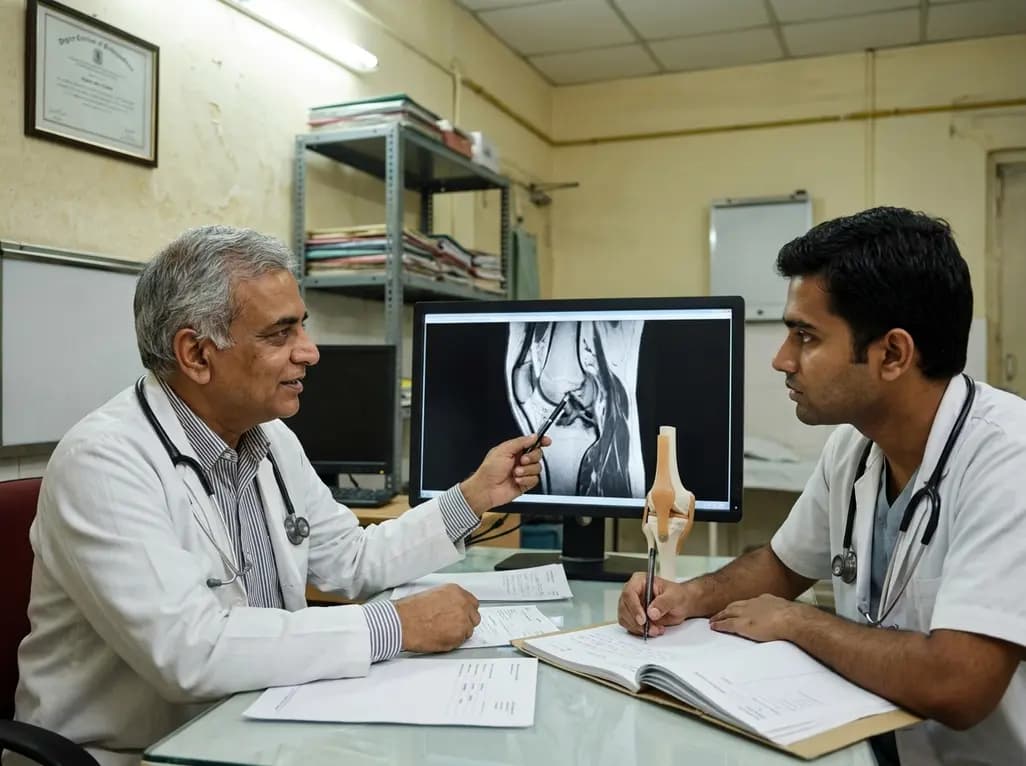
Anterior cruciate ligament reconstruction failure lacks uniform definition. A narrative review proposes an integrative framework incorporating objective and subjective instability, persistent pain, restricted motion, graft rupture, and secondary meniscal injury to standardize clinical reporting.
6 days back

Maharashtra FDA has banned HFSS food sales, advertising, and distribution within a 50-metre radius of schools statewide. Mandating FSSAI licensing and wellness officers, the directive aims to combat childhood obesity and enforce strict nutritional standards across two crore students in over 1.8 lakh schools.
Today
