.webp&w=384&q=75)

Loading, please wait...
Loading, please wait...

The recent NEET-UG 2026 retest plea filed by FAIMA has ignited significant discussion within the medical community. This legal action specifically addresses the growing concerns regarding the transparency of national medical entrance exams. Consequently, the petition urges the Supreme Court to intervene directly in the current testing framework. Therefore, stakeholders are closely watching the court's response to these serious allegations.
FAIMA filed the petition to demand a court-supervised reconduct of the examination. Furthermore, they seek a fundamental restructuring of the National Testing Agency. The association wants a more robust and autonomous body to conduct these tests. Additionally, the plea proposes a high-powered committee to oversee the process. This panel would ideally include cybersecurity experts and forensic scientists. Finally, a retired Supreme Court judge should lead this oversight committee.
The petitioner emphasizes the need for a National Examination Integrity Commission (NEIC). This body would provide interim oversight pending a permanent solution. Moreover, the goal is to create a technologically advanced system for future exams. Consequently, this change would protect the interests of thousands of aspiring doctors. Medical professionals believe that such reforms are long overdue in the current landscape.
Q1: Why is FAIMA seeking a NEET-UG 2026 retest?
FAIMA filed the plea due to concerns over systemic failures and the need to restore public confidence in the examination process.
Q2: Who would lead the proposed oversight committee for the retest?
The association suggests that the committee should be chaired by a retired Supreme Court judge, alongside cybersecurity and forensic experts.
Q3: What long-term reform is suggested in the petition?
The petition proposes the constitution of a National Examination Integrity Commission (NEIC) to ensure future exams remain secure and transparent.
Disclaimer: This content is for informational and educational purposes only. It does not constitute medical advice or replace professional judgment. Refer to the latest local and national guidelines for clinical practice.
References

Read summarized clinical updates, watch expert medical content, and earn CME certifications right from your smartphone.
Open your smartphone camera to scan and install.





FAIMA moves the Supreme Court for a court-supervised NEET-UG 2026 retest and seeks a major restructuring of the National Testing Agency for better integrity...
5 months ago
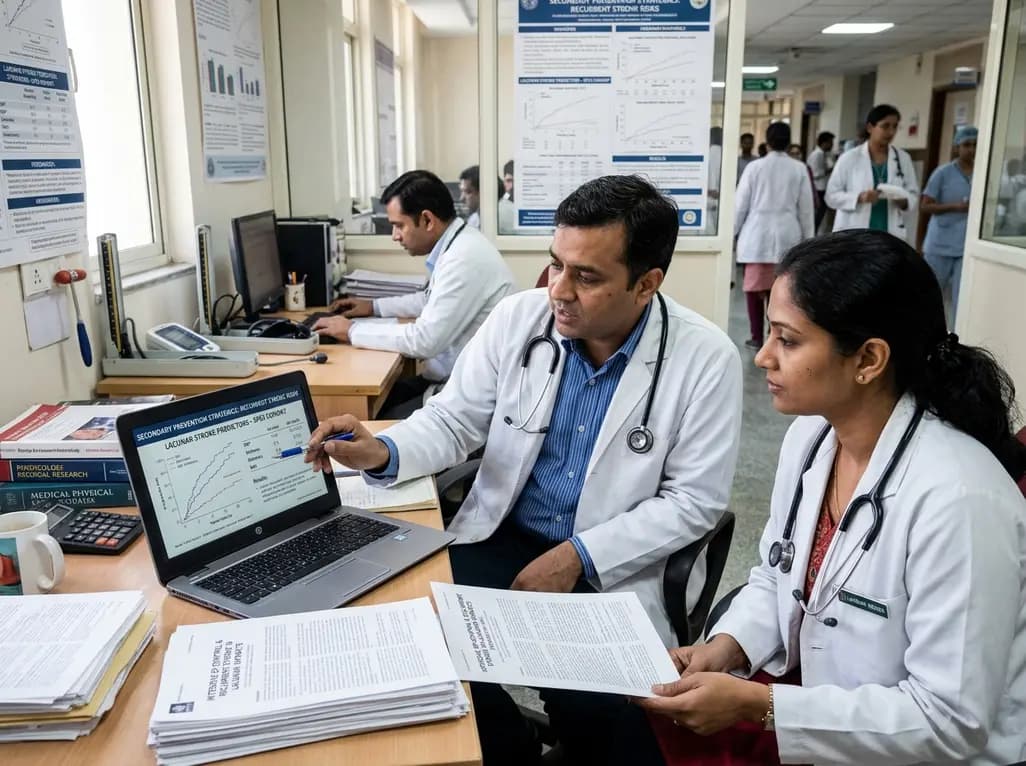
Explore vital recurrent stroke predictors in lacunar stroke patients managed with intensive blood pressure lowering. This analysis examines trial findings from SPS3 to uncover residual vascular risks, metabolic factors, and targeted secondary prevention strategies for high-risk neurological patients.
Today
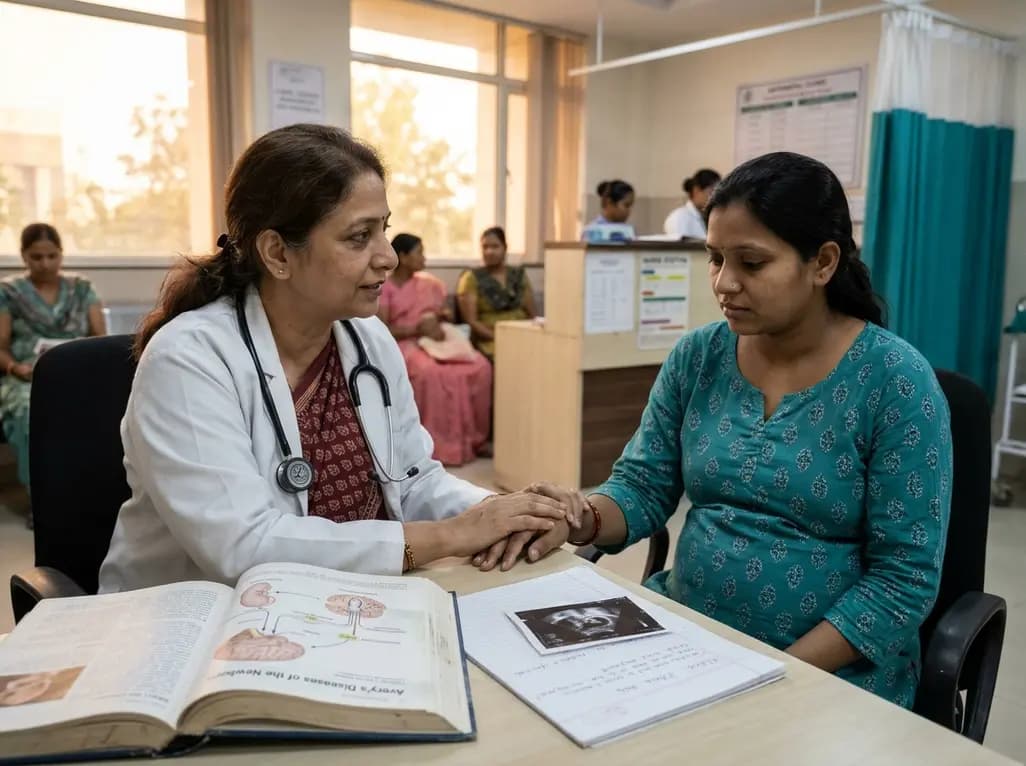
A comprehensive scoping review synthesises evidence linking prenatal maternal mental health to long-term offspring neurodevelopment, evaluating neuroendocrine, inflammatory, and epigenetic pathways while highlighting clinical screening and future research priorities.
Today

The Directorate General of Health Services directs Indian states to halt the hazardous reuse and reprocessing of single-use medical devices. Discover regulatory implications under the Drugs and Cosmetics Act, critical infection risks, legal liabilities, and operational changes required across clinical specialties.
Today
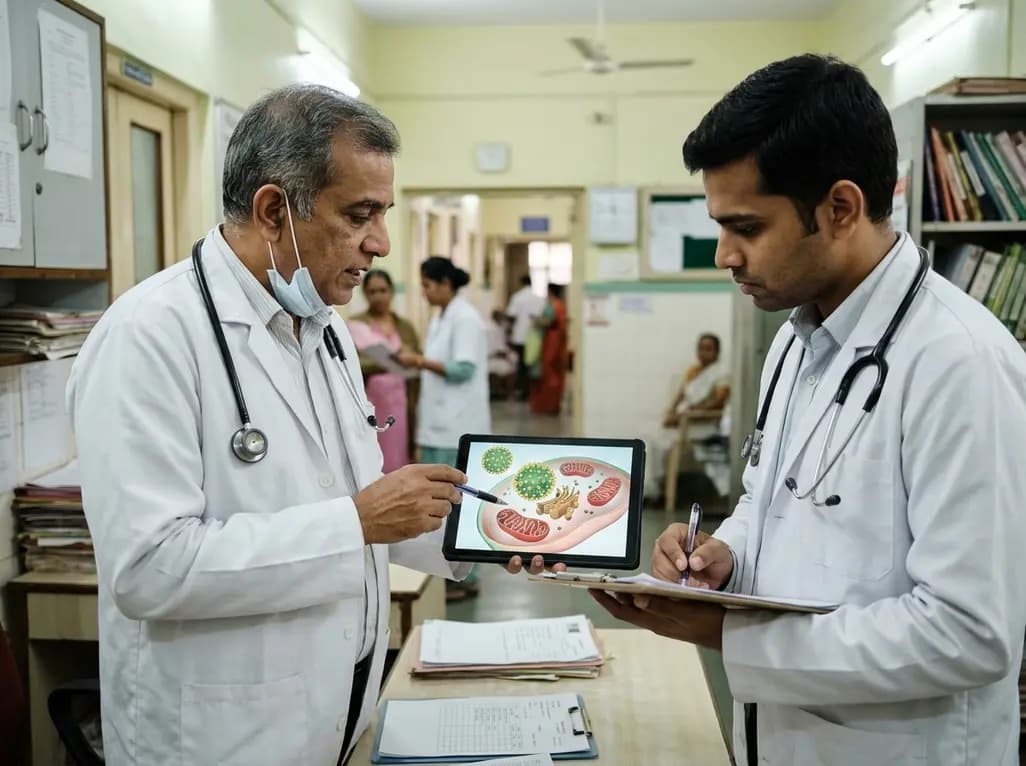
Mitochondria-targeted nanoparticles self-assembled from EGCG and L-glutamic acid effectively restore mitochondrial homeostasis, suppress synovial inflammation, and attenuate chondrocyte senescence in osteoarthritis, offering a promising disease-modifying nanotherapy.
Today

India is advancing preventive healthcare by integrating genomics, artificial intelligence, and quantum technologies. With the SANGAM programme sequencing one million Indian genomes, clinicians can unlock personalized therapies, detect cardiometabolic risks early, and curb the burden of diabetes and heart disease.
Today
