

Loading, please wait...
Loading, please wait...
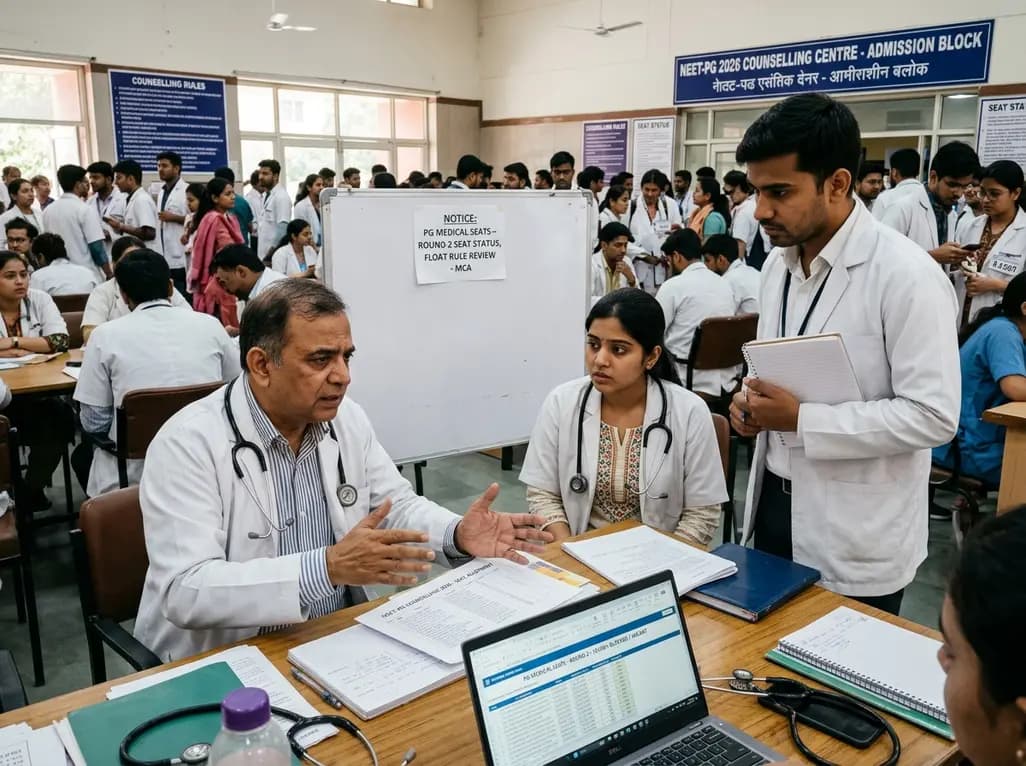
The national medical admissions cycle faces an administrative bottleneck following Round 2. More than 10,000 postgraduate medical seats remain tied up due to NEET-PG seat blocking across portals. Consequently, health authorities are reviewing the newly launched seat retention guidelines. This reassessment aims to preserve transparency and ensure fair access for qualifying doctors.
Recent analytics from digital counselling trackers reveal that 10,105 postgraduate medical seats occupy the blocked category. Specifically, the data highlights that candidates hold two distinct admissions simultaneously through central and state quotas. Social media disclosures by prominent physician advocates quickly brought this issue into public view.
MD General Medicine recorded the highest number of restricted positions, accounting for 1,026 blocked seats nationwide. In addition, MS Obstetrics and Gynaecology showed 861 blocked entries, while MS General Surgery registered 786 seats. These three clinical disciplines represent the most competitive branches in Indian postgraduate medical education. Therefore, severe stagnation in these core fields prevents lower-ranked candidates from securing timely seat upgrades.
Furthermore, medical aspirants expressed growing anxiety as second-round allotment results showed surprisingly limited merit rank movement. Many teaching hospitals reported closing ranks nearly identical to the previous counselling phase. As a result, deserving candidates who anticipated standard seat progression found themselves entirely frozen out of clinical vacancies. Medico-legal activists and resident associations have raised urgent alarms regarding this widespread administrative distortion. Consequently, physician representatives demand an immediate audit of second-round seat allocations across all participating government colleges.
The primary trigger behind this widespread NEET-PG seat blocking stems from the newly introduced float mechanism. Historically, candidates had to report physically to claim an allotment before requesting an upgrade. However, the revised 2026 guidelines permit online document verification for candidates selecting the float choice. Aspirants can now retain an allotted position while waiting for higher options without visiting institutions.
Consequently, many applicants participate in both the Medical Counselling Committee portal and their respective state admission channels. Because the two systems operate independently, a student can easily opt for float in both processes. The applicant effectively blocks two postgraduate clinical seats while risking only a modest security deposit. Candidates often view this financial penalty as an acceptable insurance premium.
Meanwhile, this operational loophole deprives other deserving applicants of genuine opportunities. A candidate holding dual allotments can delay a definitive choice until the third counselling stage. In contrast, sincere aspirants awaiting entry into clinical training experience immense academic uncertainty. The absence of synchronized data validation between central and state authorities inadvertently facilitates this systemic exploitation. Therefore, regulatory bodies must act swiftly to seal these structural admission gaps.
The consequences of seat holding extend far beyond simple administrative statistics. Most importantly, it paralyses high-demand clinical departments in premier tertiary healthcare centres. Fields like General Medicine, General Surgery, and Obstetrics require intensive hands-on resident engagement. When seats remain artificially vacant, existing resident doctors absorb an unsustainable clinical workload.
Furthermore, patient care suffers directly when teaching hospitals operate below their allocated resident strength. Senior residents must cover extra emergency shifts to compensate for missing first-year postgraduate trainees. In addition, aspiring specialists endure severe emotional and financial distress while waiting for merit ranks to move. Many young doctors postpone career planning and relocate repeatedly during prolonged counselling delays.
Moreover, delayed seat allocation forces hundreds of viable seats into unpredictable mop-up rounds. Consequently, top-tier clinical seats often land in stray vacancy phases where transparency becomes difficult to preserve. Resident doctors who achieved outstanding entrance scores miss opportunities in their dream specialties. Simultaneously, lower-ranked candidates sometimes capture leftover clinical seats due to sheer scheduling luck. Such imbalances disrupt the core principle of medical meritocracy. Thus, swift structural correction remains essential to maintain hospital productivity and doctor morale.
The root cause of multi-portal seat holding lies in fragmented admissions governance across India. Currently, the Medical Counselling Committee administers 50% All India Quota seats through its centralized portal. Conversely, individual state counselling authorities oversee the remaining 50% institutional seats through separate provincial portals. These isolated software systems do not communicate candidate status in real time.
Therefore, an applicant holding an allotment in a state college remains entirely invisible to national algorithms. Although regulatory officials recognize the advantages of a common technical infrastructure, several practical hurdles impede integration. Specifically, states express valid apprehensions regarding local autonomy and state-specific reservation rosters. Regional criteria include diverse in-service quotas, institutional preferences, and regional domicile reservations.
Additionally, technical harmonization requires continuous coordination among dozens of independent state counselling boards. Because previous attempts at complete portal integration faced legal pushback, authorities maintained dual systems. However, this administrative partition inadvertently encourages candidates to exploit timing gaps between various state schedules. Until authorities construct a shared electronic registry, dual seat holding will continue to recur each academic season. Consequently, establishing digital data bridges between state and national databases represents an urgent necessity.
In light of mounting criticism, central health authorities are actively reviewing counselling guidelines. Senior officials indicate that the government will evaluate the overall admission dynamics following Round 3. Moving forward, authorities may restrict the float facility exclusively to Round 1. Under this proposed adjustment, physical college reporting and document submission would become mandatory starting in Round 2.
Meanwhile, professional bodies such as the Federation of All India Medical Association have proposed immediate corrective actions. Specifically, FAIMA requested a temporary deferment of Round 2 results to safeguard genuine aspirants. The association suggested opening a dedicated twenty-four-hour surrender window. This window would permit candidates to surrender either their central or state allotment without harsh penalties.
Furthermore, medical organizations urge counselling authorities to enforce real-time data reconciliation prior to Round 3 seat processing. Requiring candidates to submit non-retention declarations before entering third-round upgrades could immediately release thousands of blocked seats. In addition, strengthening forfeiture penalties would deter tactical seat holding. These proactive structural measures will restore equity, ensure clinical seat utilization, and protect aspiring postgraduate residents from unnecessary career disruption. Consequently, institutional leaders expect policy revisions before the subsequent intake cycle commences.
Q1: What exactly causes dual seat blocking during NEET-PG counselling?
Dual seat blocking happens when candidates secure admission offers simultaneously across All India Quota and state counselling portals. Because both admission bodies operate on separate technical servers, neither platform communicates real-time candidate data. Consequently, aspirants select the float option in both streams to maximize upgrade chances. This lack of centralized tracking permits single applicants to lock multiple valuable specialty seats, thereby depriving deserving merit candidates of timely seat progression.
Q2: How does the new float option differ from the traditional freeze rule?
The freeze mechanism requires candidates to accept their allotted seat, submit original paperwork, and physically join the medical institution. In contrast, the float facility allows doctors to hold their preliminary seat while actively participating in subsequent rounds for higher branch preferences. However, because current guidelines waive mandatory physical joining until the third round, applicants retain provisional allotments without financial or physical commitment, worsening seat stagnation across top clinical specialties.
Q3: What regulatory steps are authorities considering to resolve seat hoarding?
Health authorities plan to evaluate the counselling structure right after Round 3 concludes. First, the ministry may restrict the float facility strictly to the initial round. Additionally, administrators could enforce mandatory physical reporting and document deposition from Round 2 onward. Ultimately, stakeholders advocate establishing a single, integrated counselling portal across national and state panels. Such technical reconciliation would automatically cancel secondary allotments once an applicant accepts any postgraduate seat.
Disclaimer: This content is for informational and educational purposes only. It does not constitute medical advice or replace professional judgment. Refer to the latest local and national guidelines for clinical practice.
References

Read summarized clinical updates, watch expert medical content, and earn CME certifications right from your smartphone.
Open your smartphone camera to scan and install.





Following Round 2 of NEET-PG 2026 counselling, more than 10,000 clinical seats remain locked as candidates retain allotments across both national and state portals. Medical bodies now demand immediate intervention while health authorities review the newly launched float mechanism to curb seat hoarding.
Today
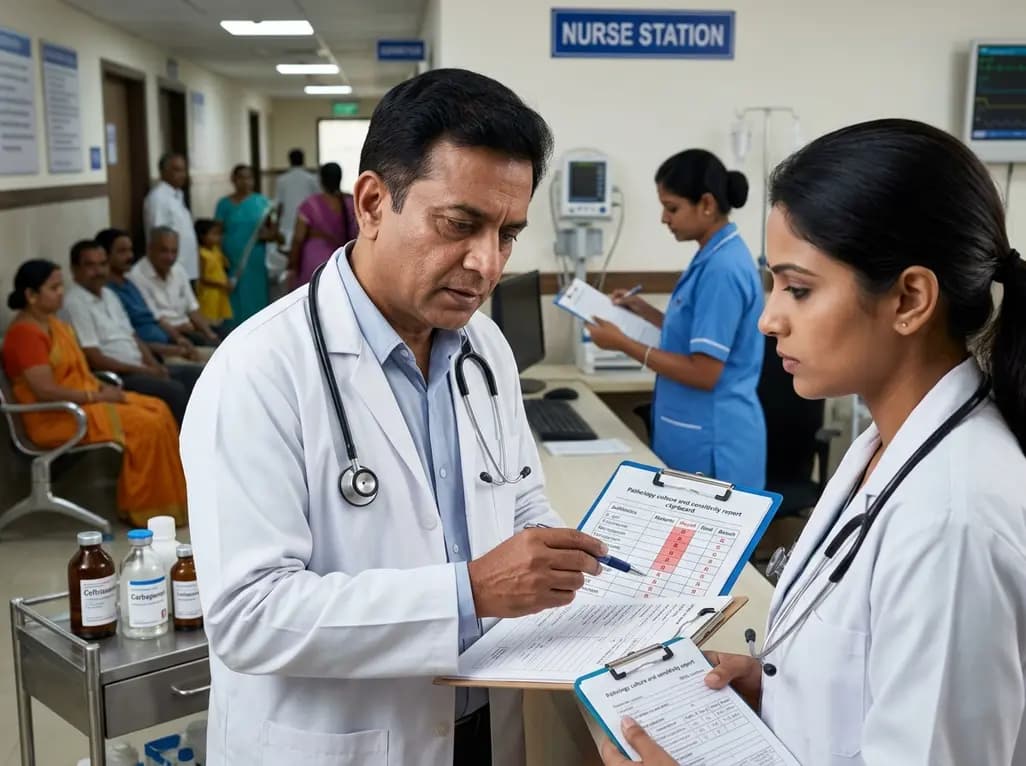
The latest surveillance report from the Indian Council of Medical Research exposes a steep nationwide decline in bacterial susceptibility. Common pathogens like E. coli and Klebsiella pneumoniae demonstrate critical resistance to cephalosporins and carbapenems, urging clinicians to rethink empirical antimicrobial therapy.
Today
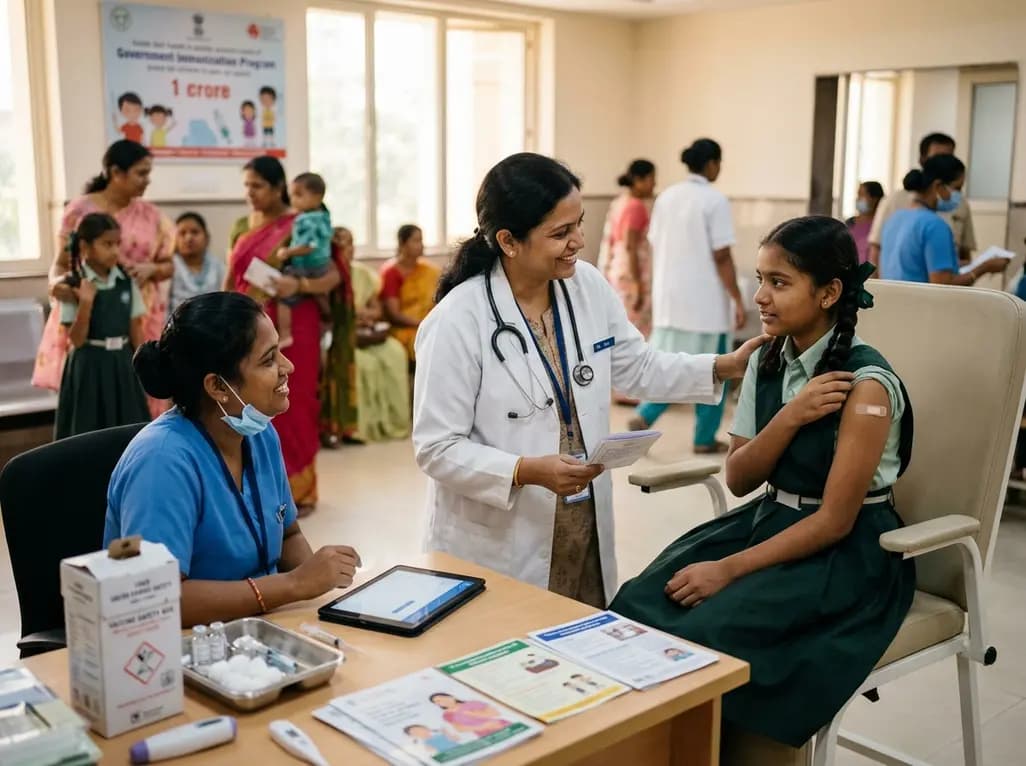
Under India's nationwide immunization drive, healthcare teams have vaccinated more than one crore 14-year-old girls within nine months. This comprehensive analysis evaluates state achievements, digital tracking via the U-WIN platform, clinical safety monitoring, and practical counselling strategies for practitioners.
Today

A large network analysis of middle-aged and older adults reveals distinct sex-specific dependency pathways between lifestyle factors and cardiometabolic diseases. Physical activity, smoking, and alcohol exhibit divergent bridging roles in men and women, underscoring the need for tailored clinical prevention.
Today
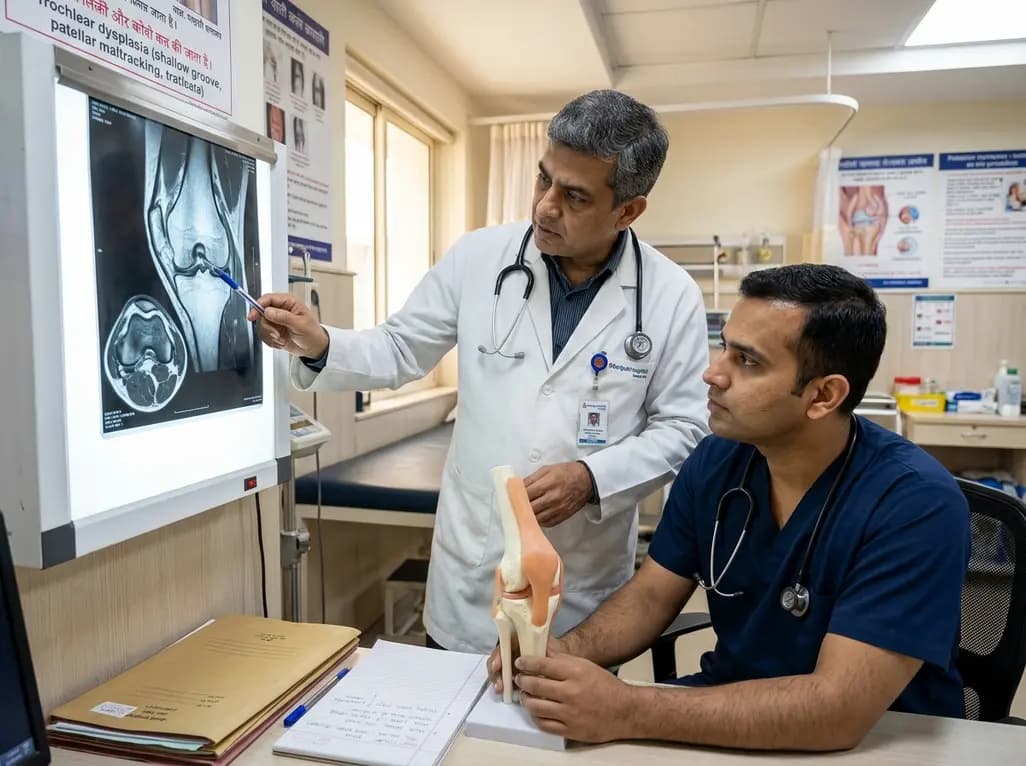
A landmark study reveals that patellofemoral cartilage defects in patients with trochlear dysplasia are primarily driven by patellar maltracking and spur height rather than dislocation frequency or shape mismatch, offering crucial insights for preoperative imaging and surgical stabilization.
Today
Single-cell transcriptomics reveals that STAP2 promotes retinal endothelial dysfunction in diabetic retinopathy through CXCR4 signaling. In vivo and in vitro studies show STAP2 knockdown reduces capillary drop-out and vascular leakage, uncovering a novel therapeutic target beyond anti-VEGF therapies.
Today
