

Loading, please wait...
Loading, please wait...
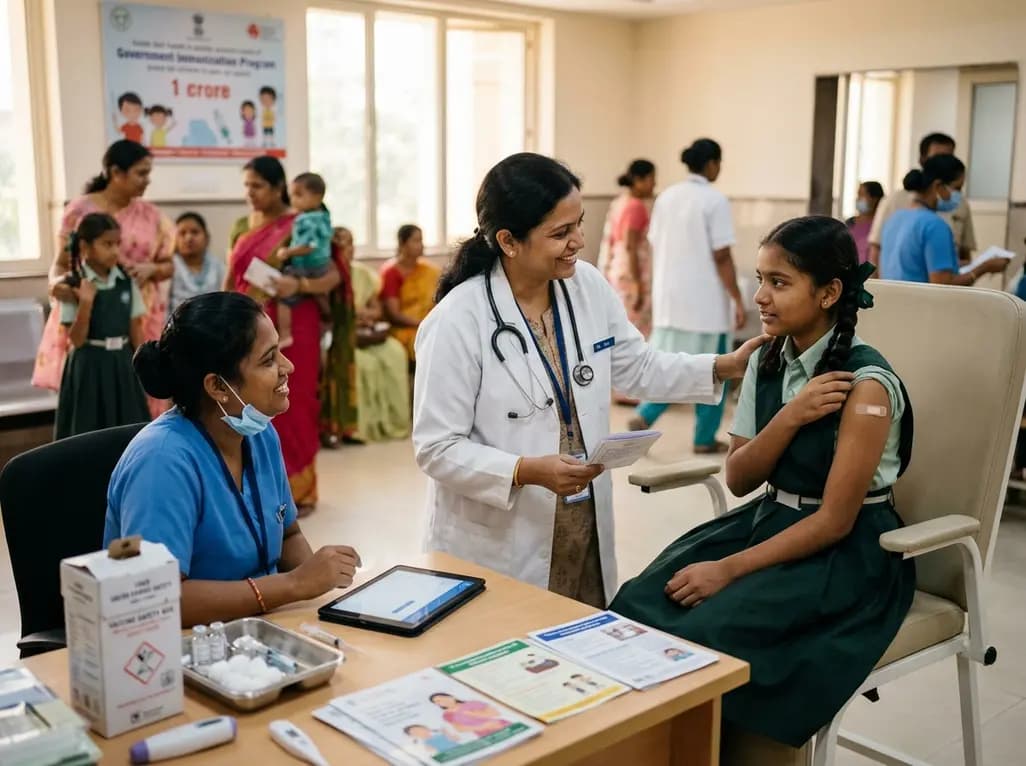
India has achieved an extraordinary public health milestone through its nationwide HPV vaccination campaign. The Union Health Ministry confirmed that healthcare personnel have administered over one crore vaccine doses to 14-year-old girls within nine months. This remarkable feat covers approximately 87 percent of the national target cohort, providing vital protection against oncogenic viral strains.
The national initiative commenced in February under the leadership of Prime Minister Narendra Modi. Under this programmatic framework, government health centres deliver free, voluntary, and single-dose immunisations with verified parental consent. The target demographic comprises nearly 1.2 crore adolescent girls across the country, based on population estimates from the Registrar General of India. Consequently, health authorities established designated vaccination booths within primary health centres, community hospitals, and district facilities to optimize accessibility.
Moreover, coordinated operational planning between central authorities and state administrations facilitated rapid grassroots mobilization. Frontline healthcare teams worked alongside school administrators and local leaders to educate households regarding cervical cancer prevention. Because persistent human papillomavirus infections cause the overwhelming majority of cervical malignancies, delivering protection prior to exposure represents an urgent epidemiological priority. Furthermore, the programme ensures that every vaccination session operates under direct supervision of trained medical officers. These clinical teams maintain dedicated observation protocols to evaluate each recipient carefully. As a result, the structured rollout minimized operational hesitancy and accelerated initial uptake across urban and rural communities alike.
Immunisation achievements display remarkable geographic momentum alongside notable regional variations. Six distinct states have already accomplished 100 percent coverage of their identified target cohorts. Specifically, Gujarat, Uttar Pradesh, Andhra Pradesh, Mizoram, Madhya Pradesh, and Bihar fully reached their initial target populations. In absolute clinical figures, Uttar Pradesh leads the country with more than 29.33 lakh vaccinated adolescents. Similarly, Bihar successfully administered over 13.70 lakh doses, while Gujarat immunised more than 7.75 lakh girls.
Additionally, secondary tiers of performance demonstrate encouraging progress across diverse terrains. Assam achieved 95.63 percent coverage, closely followed by Telangana at 95.28 percent and Karnataka at 93.16 percent. Uttarakhand also crossed the 90 percent threshold, recording 90.17 percent coverage. Meanwhile, Chhattisgarh and Rajasthan achieved 86.21 percent and 85.23 percent, respectively. However, certain regions report comparatively lower immunisation percentages. Kerala recorded 77.02 percent coverage, whereas Tamil Nadu achieved 76.12 percent and Odisha reached 74.90 percent. Therefore, public health directors must investigate regional operational challenges, logistical friction, and sociocultural factors that influence local participation. Targeted catch-up drives will ensure equitable access for girls residing in underperforming districts.
Digital tracking tools have fundamentally transformed programmatic efficiency throughout this national immunisation drive. Authorities deployed the dedicated U-WIN platform to coordinate real-time tracking, beneficiary verification, and electronic record generation. Parents and legal guardians can easily navigate the digital interface to register candidates, book clinic appointments, and secure verified immunisation certificates. Furthermore, programme supervisors utilise centralized analytics dashboards to identify local coverage gaps and evaluate facility-level performance metrics.
Importantly, this digital integration prevents duplicate immunisations and simplifies clinical workflows for frontline nurses and doctors. Healthcare workers record each administered vial against beneficiary demographic data, generating an auditable administrative trail. Additionally, the U-WIN platform facilitates active surveillance of adverse events following immunisation by linking local health posts to secondary care centres. Programmatic planners can immediately reallocate vaccine inventories toward high-demand sectors facing temporary stock depletion. Consequently, digital health infrastructure resolves traditional documentation bottlenecks that historically complicated large-scale school and community health initiatives. This transparent system empowers clinicians to maintain seamless patient follow-up while ensuring robust epidemiological record keeping for national cancer control registries.
Human papillomavirus accounts for more than ninety-five percent of cervical cancer cases globally, establishing early prophylactic immunization as an essential medical intervention. Over 800 million HPV vaccine doses have been administered worldwide, providing two decades of extensive safety and immunogenicity data. Although multi-dose schedules historically served as the clinical standard, international health authorities now endorse single-dose regimens for adolescent cohorts. Extensive longitudinal investigations confirm that a single dose stimulates sustained circulating neutralizing antibodies against high-risk oncogenic types, notably types 16 and 18.
Moreover, these antibody levels persist for years, conferring durable protection against persistent cervical infections and dysplastic epithelial transformations. In addition, simplified single-dose administration dramatically alleviates administrative burdens on primary health centres and eliminates recipient drop-out between visits. Clinical trials conducted in India and abroad show no significant difference in protective efficacy between single-dose and multi-dose schedules among young girls. Therefore, adopting this streamlined strategy enables clinicians to protect broader populations while optimizing existing healthcare finances. Clinicians should confidently explain these robust immunological mechanisms to families, reinforcing that a single exposure produces profound, enduring biological defences against malignant transformations.
Safety monitoring remains paramount to sustaining community confidence throughout any widespread prophylactic campaign. All vaccination sessions take place exclusively at certified government facilities under direct medical supervision. Furthermore, health centres maintain comprehensive 24x7 protocols to assess, manage, and report rare adverse events following immunisation. Clinical evidence demonstrates that common post-vaccination reactions remain predominantly mild and self-limiting, including transient localized soreness, low-grade pyrexia, and minor dizziness. Serious anaphylactic events occur exceptionally rarely and respond promptly to standard resuscitation protocols.
Nevertheless, misinformation regarding adolescent reproductive health can trigger localized vaccine hesitancy among cautious parents. To counteract unfounded concerns, pediatricians, gynecologists, and specialists from apex institutions like AIIMS actively engage local communities through science-based seminars. Furthermore, clinicians must proactively address parental questions during everyday outpatient consultations. Medical practitioners should emphasize that HPV immunisation strictly provides cancer prevention rather than influencing future hormonal or reproductive function. Consequently, clear physician-led advocacy dispels cultural taboos and builds unshakeable societal trust. By combining rigorous safety monitoring with transparent scientific communication, healthcare teams ensure that eligible girls safely receive this life-saving intervention.
Q1: Why does India target 14-year-old girls for the single-dose HPV vaccine?
Health authorities target 14-year-old adolescents because vaccinating individuals prior to initial exposure to human papillomavirus yields the highest protective efficacy. Furthermore, extensive global evidence demonstrates that adolescent immune systems generate robust, durable antibody responses at this age. Administering a single dose during this specific developmental window simplifies logistical delivery across schools and community clinics. Consequently, this strategic focus accelerates population-level immunity and significantly lowers future cervical cancer incidence nationwide.
Q2: How does the U-WIN portal support clinical workflow and safety monitoring?
The U-WIN platform functions as a centralized digital backbone for real-time beneficiary registration, tracking, and certification. Clinicians can immediately verify vaccination history, schedule catch-up visits, and identify geographic coverage gaps. Additionally, the system integrates seamlessly with adverse event monitoring networks to record any immediate or delayed immunisation reactions. Therefore, healthcare providers gain instant access to verified records, ensuring accountability, streamlining inventory, and enhancing clinical safety protocols across all facilities.
Q3: What clinical evidence validates transitioning to a single-dose HPV schedule?
Rigorous clinical trials conducted globally demonstrate that a single dose provides comparable efficacy to multi-dose regimens against persistent high-risk infections. Specifically, the World Health Organization confirmed that one dose generates enduring neutralising antibodies in adolescent girls. Moreover, real-world cohort evaluations show substantial reductions in vaccine-targeted human papillomavirus genotypes and associated pre-cancerous lesions. Consequently, this evidence-based strategy removes supply bottlenecks, reduces out-of-pocket healthcare expenses, and drastically improves overall immunization compliance.
Disclaimer: This content is for informational and educational purposes only. It does not constitute medical advice or replace professional judgment. Refer to the latest local and national guidelines for clinical practice.
References

Read summarized clinical updates, watch expert medical content, and earn CME certifications right from your smartphone.
Open your smartphone camera to scan and install.





Under India's nationwide immunization drive, healthcare teams have vaccinated more than one crore 14-year-old girls within nine months. This comprehensive analysis evaluates state achievements, digital tracking via the U-WIN platform, clinical safety monitoring, and practical counselling strategies for practitioners.
Today

A large network analysis of middle-aged and older adults reveals distinct sex-specific dependency pathways between lifestyle factors and cardiometabolic diseases. Physical activity, smoking, and alcohol exhibit divergent bridging roles in men and women, underscoring the need for tailored clinical prevention.
Today
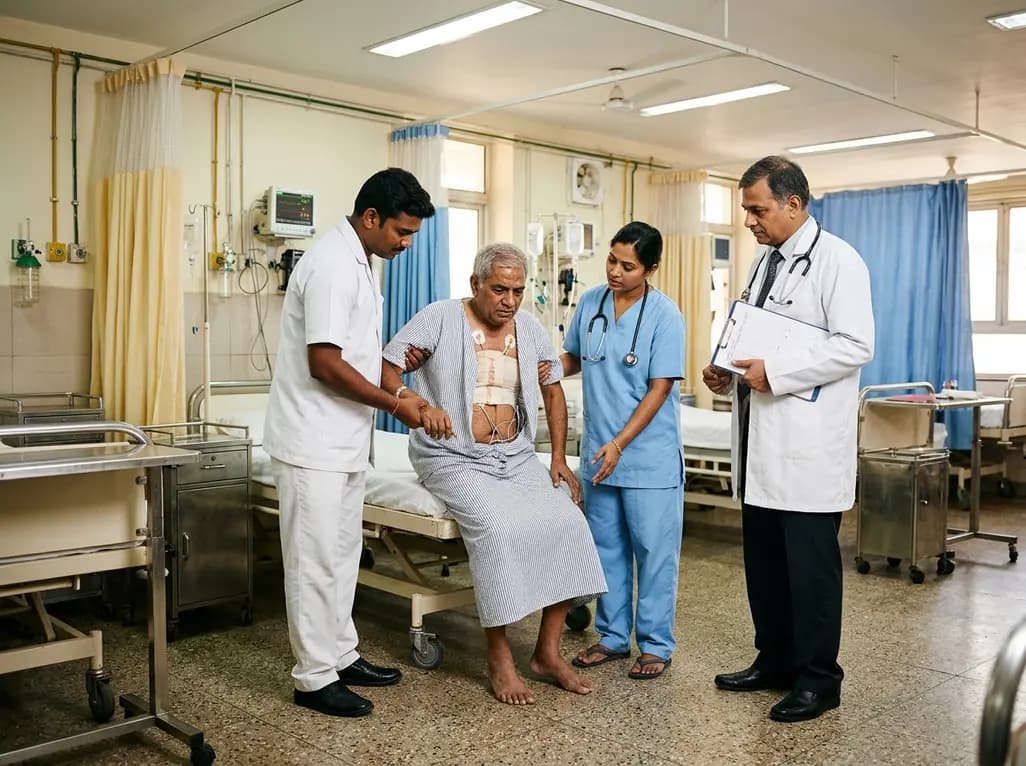
A cross-sectional study evaluates the critical intersection between acute surgical pain, kinesiophobia, and fall risks during initial mobilization after cardiac surgery, emphasizing targeted nursing strategies.
Today

A landmark study reveals that patellofemoral cartilage defects in patients with trochlear dysplasia are primarily driven by patellar maltracking and spur height rather than dislocation frequency or shape mismatch, offering crucial insights for preoperative imaging and surgical stabilization.
Today
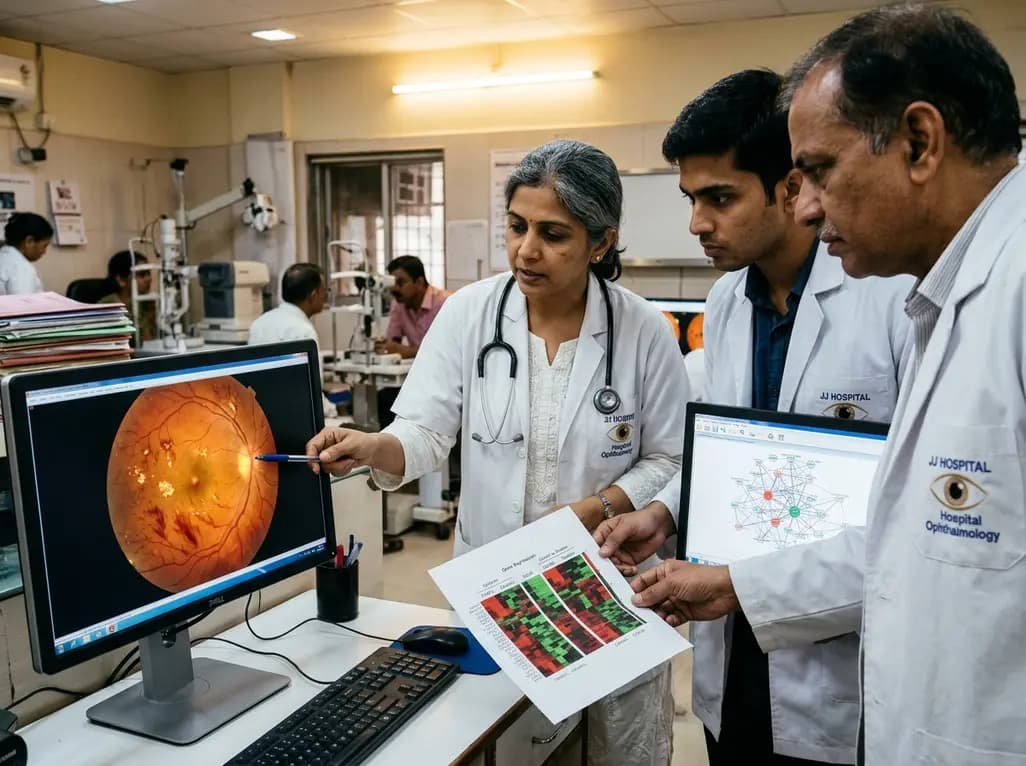
Single-cell transcriptomics reveals that STAP2 promotes retinal endothelial dysfunction in diabetic retinopathy through CXCR4 signaling. In vivo and in vitro studies show STAP2 knockdown reduces capillary drop-out and vascular leakage, uncovering a novel therapeutic target beyond anti-VEGF therapies.
Today
