.webp&w=384&q=75)

Loading, please wait...
Loading, please wait...
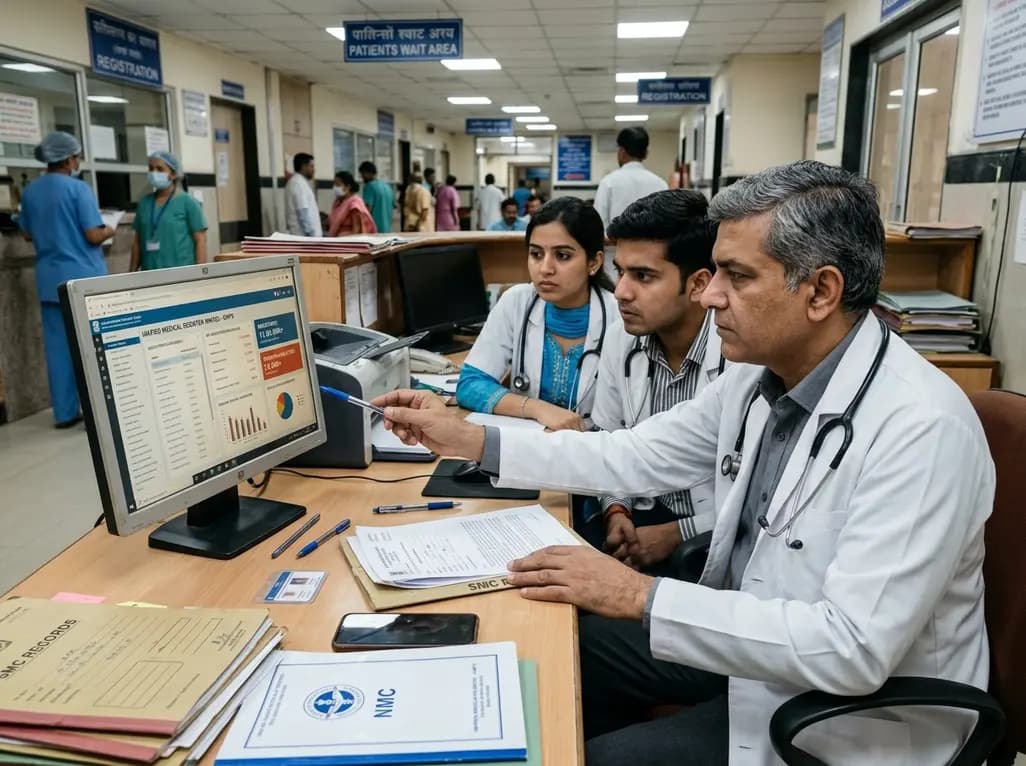
The National Medical Commission is currently updating practitioner data across India, but serious systemic gaps remain. The implementation of the updated National Medical Register has created significant debate among healthcare practitioners. Regulators are asking nearly eleven lakh practicing doctors to update their digital profiles. However, thousands of newly graduated clinicians are surprisingly missing from the central records. Consequently, medical professionals are questioning the efficiency of the national synchronization process.
The National Medical Commission Act of 2019 mandated the creation of an electronic national medical registry. Under Section 31 of the legislation, the Ethics and Medical Registration Board maintains this comprehensive repository. The overarching objective was establishing a transparent, unified database for all modern medicine practitioners in India. Furthermore, regulators designed the system to grant a Unique Identification number to each certified physician. This credential allows seamless practice rights across different states without requiring redundant regional permits.
Recently, the regulatory body notified draft regulations requiring all registered physicians to complete re-registration. The authorities intend to verify active medical practitioners and purge outdated records. In addition, the central database tracks disciplinary actions and active licensure statuses across state boundaries. However, many clinicians express strong reservations regarding the execution of this nationwide exercise. An earlier attempt to enroll doctors faced major technical hurdles and low compliance. Therefore, the Ministry of Health temporarily characterized the process as voluntary during parliamentary discussions. Nevertheless, the revised draft reintroduces mandatory enrollment for established physicians across the country.
While regulators concentrate on re-registering senior clinicians, fresh entrants face glaring data omissions. For example, over ninety-one thousand MBBS seats were available across Indian medical colleges during 2020-21. Even with an estimated pass rate between seventy-five and ninety percent, at least sixty-eight thousand graduates qualified. Consequently, these new doctors should have appeared in the central register during the year 2025.
However, official records from the Indian Medical Register present a very different reality. The national database records barely over forty-four thousand new physician entries for that annual cycle. This substantial gap indicates that at least twenty-four thousand domestic MBBS graduates are unaccounted for. Furthermore, these young professionals completed their rigorous training and secured licenses through local state councils. Unfortunately, their information has failed to transition into the central registry database. As a result, the national directory remains incomplete, creating significant statistical confusion regarding actual doctor availability. This data deficit undermines public health workforce planning and misrepresents the growth of India’s medical fraternity.
The discrepancy becomes even wider when examining the integration of foreign medical graduates. Annually, thousands of Indian students return from overseas universities after completing medical coursework. In 2023 alone, more than ten thousand candidates successfully cleared the mandatory screening examination. Subsequently, these international medical graduates finished their mandatory twelve-month clinical internship in recognized hospitals.
Therefore, the vast majority of these qualified candidates sought permanent medical licenses during 2025. When combining domestic MBBS qualifiers with foreign medical graduates, approximately eighty thousand physicians became eligible for practice. Yet, the national registry captured only fifty-five percent of this expected total. As a consequence, thousands of fully certified foreign graduates remain absent from national digital records. This administrative failure occurs despite these doctors fulfilling all rigorous statutory and clinical requirements. In addition, delayed central recognition complicates interstate mobility and higher education applications for affected individuals. The persistent data backlog raises valid questions regarding the commission's capacity to process legitimate medical credentials efficiently.
The root cause of these missing records lies in poor technological synchronization. Most newly licensed doctors promptly register with their respective State Medical Councils upon completing training. However, new entries in regional records do not automatically transfer to the central national registry. The National Medical Commission Act of 2019 legally required real-time digital synchronization between state and central bodies. Unfortunately, this automated exchange has not materialized nearly six years after the commission's establishment.
State-level data clearly demonstrates this severe administrative breakdown across different territories. For instance, the Assam Medical Council shows twenty-five thousand seven hundred total historical registrations. Yet, the central register displays only one entry for 2025 and zero entries for previous recent years. Similarly, Kerala added thousands of MBBS seats, but central records list only seven new entries for 2025. State medical council representatives confirm that they regularly transmit updated member data to central authorities. Nevertheless, the apex commission has failed to integrate these regional submissions into the active registry.
Rather than demanding individual re-registration from eleven lakh doctors, experts recommend smarter technical integration. If the commission simply imported and verified new registrations from the last five years, over 3.5 lakh verified clinicians would populate the portal immediately. This group represents roughly thirty-two percent of all active doctors practicing throughout the country today.
Furthermore, central authorities could deploy advanced deduplication software across existing State Medical Council databases. This technological strategy would identify duplicate entries and deceased practitioners without burdening practicing healthcare workers. In contrast, forcing millions of busy doctors through a manual web portal risks administrative gridlock. Doctors already face immense clinical workloads and documentation responsibilities in their daily hospital routines. Therefore, automating regional data integration offers a much more practical pathway forward. The commission must establish functional technical support, responsive helpdesks, and realistic regulatory timelines. By prioritizing seamless electronic synchronization, the medical regulatory ecosystem can achieve transparency while preserving practitioner goodwill and operational efficiency.
Q1: Why is the National Medical Commission asking doctors to re-register?
The National Medical Commission wants to create an updated, dynamic database of active physicians across India. This initiative aims to remove deceased or retired practitioners, track disciplinary actions across states, and assign a Unique Identification number. Consequently, the assigned identification number will enable doctors to practice medicine nationwide without applying for multiple state licenses.
Q2: Why are thousands of newly graduated MBBS doctors missing from the registry?
Fresh MBBS and foreign medical graduates register locally with their respective State Medical Councils. However, the National Medical Commission has not yet established an automated, real-time data synchronization system between state registers and the central database. Because regional councils and the central commission operate separate databases without seamless integration, thousands of newly approved records fail to appear in national registries.
Q3: What alternative approaches do medical experts propose for updating doctor records?
Medical experts recommend that the regulatory commission automatically synchronize existing state council databases using digital deduplication software. By integrating records from the last five years, authorities could instantly verify over 3.5 lakh active clinicians without requiring manual re-registration. This automated method would minimize administrative burdens on busy doctors while building a dependable, transparent national registry.
Disclaimer: This content is for informational and educational purposes only. It does not constitute medical advice or replace professional judgment. Refer to the latest local and national guidelines for clinical practice.
References

Read summarized clinical updates, watch expert medical content, and earn CME certifications right from your smartphone.
Open your smartphone camera to scan and install.





The National Medical Commission is requiring 11 lakh doctors to re-register on the unified portal, yet over 24,000 recent MBBS and foreign medical graduates remain unlisted in the central registry due to persistent data synchronization gaps between state medical councils and the apex regulatory body.
last month
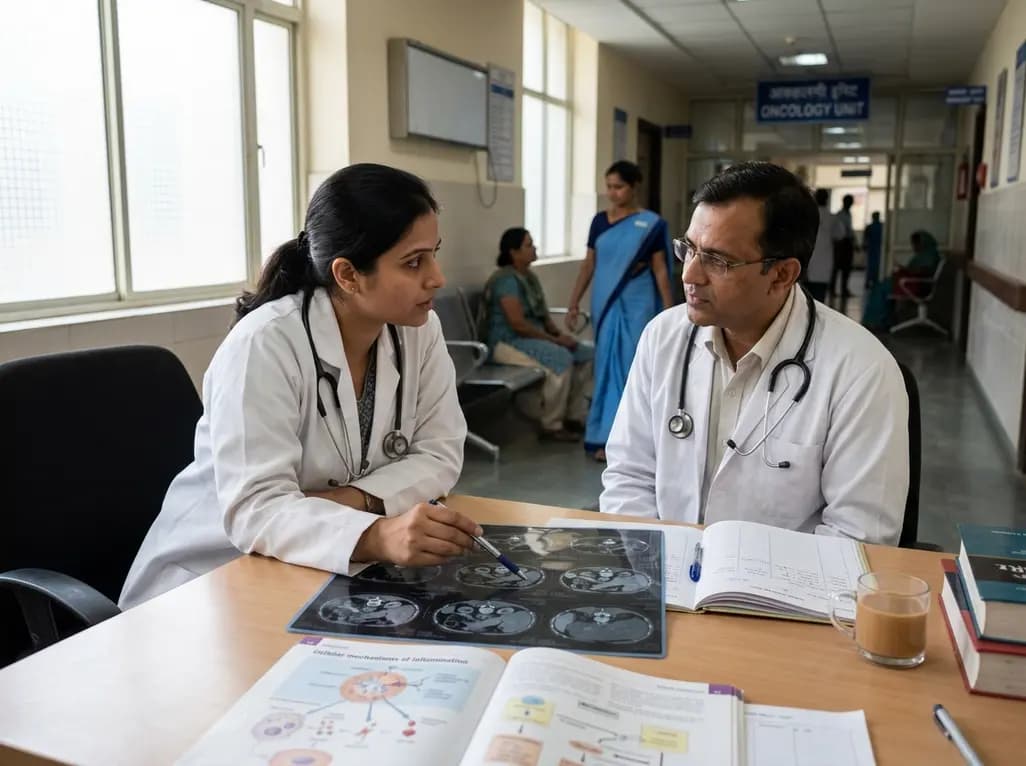
Pancreatic cancer cachexia affects over 80% of patients, driving severe muscle wasting, systemic inflammation, and treatment intolerance. This review highlights key pathophysiological drivers, exocrine insufficiency, objective CT imaging, and emerging therapies like GDF-15 inhibitors to improve clinical outcomes.
Today
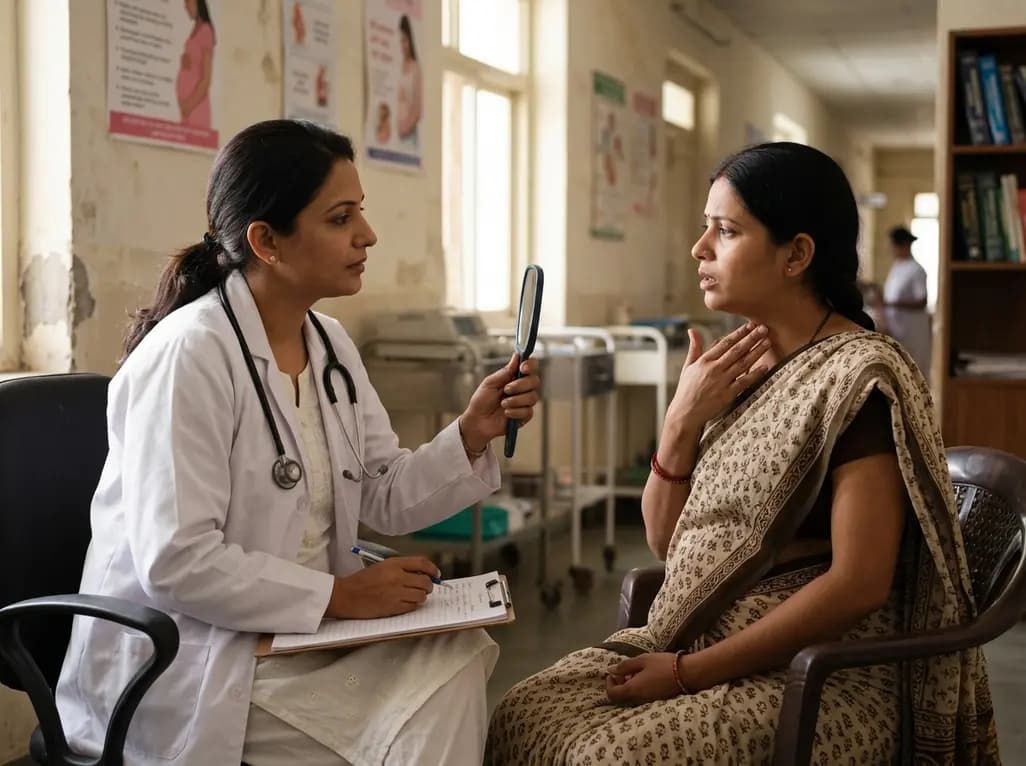
A scoping review reveals how pregnancy affects phonation through laryngeal edema and reduced phonation time rather than major acoustic pitch alterations. Learn how to identify, evaluate, and manage vocal symptoms in expectant mothers.
Today
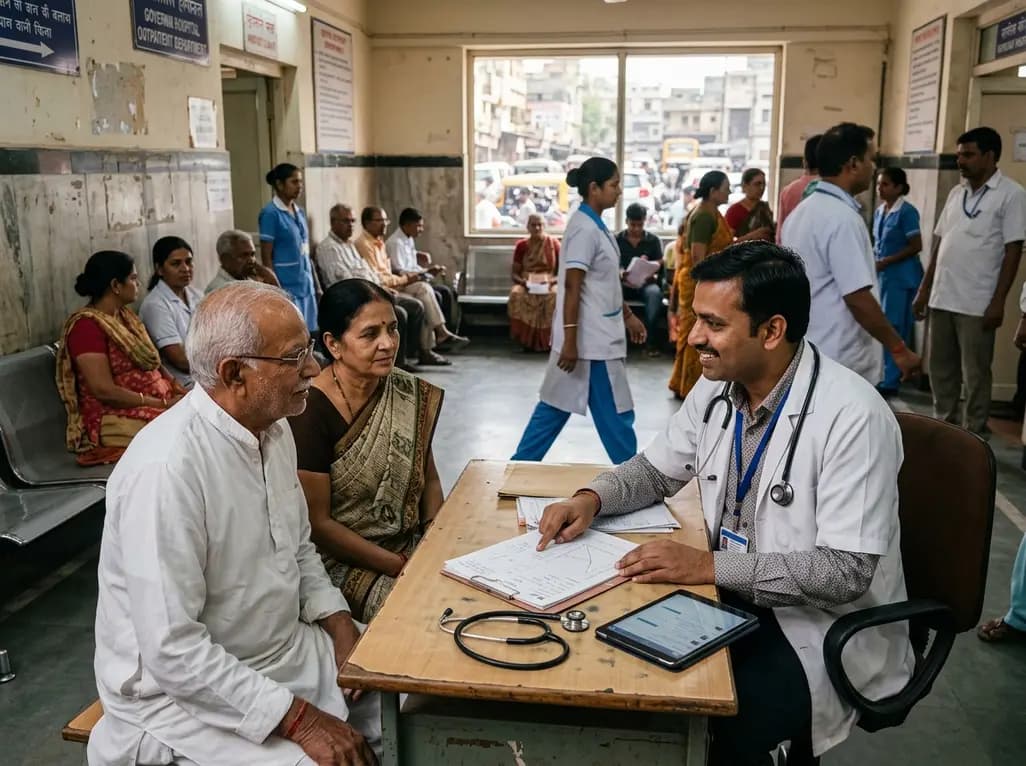
According to WHO data, average lifespan reached 73.3 years in 2023, recovering from pandemic lows. However, healthy life expectancy lags at 62.8 years due to surging noncommunicable conditions like cardiovascular disease and dementia, demanding proactive primary screening and sustained chronic care.
Today
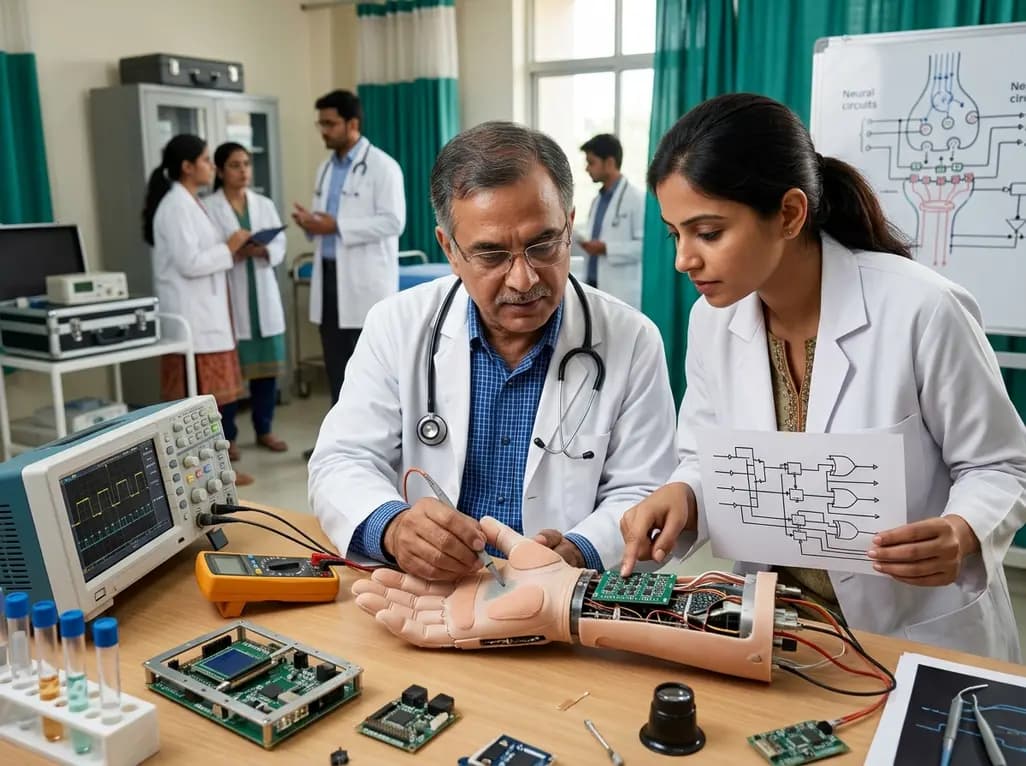
Researchers have engineered an artificial sensory-pain integrated receptor using a multi-threshold organic synaptic transistor. The system distinguishes benign touch from noxious stimuli, enabling safer, more responsive prosthetic limbs with built-in memory and simplified hardware architecture.
Today
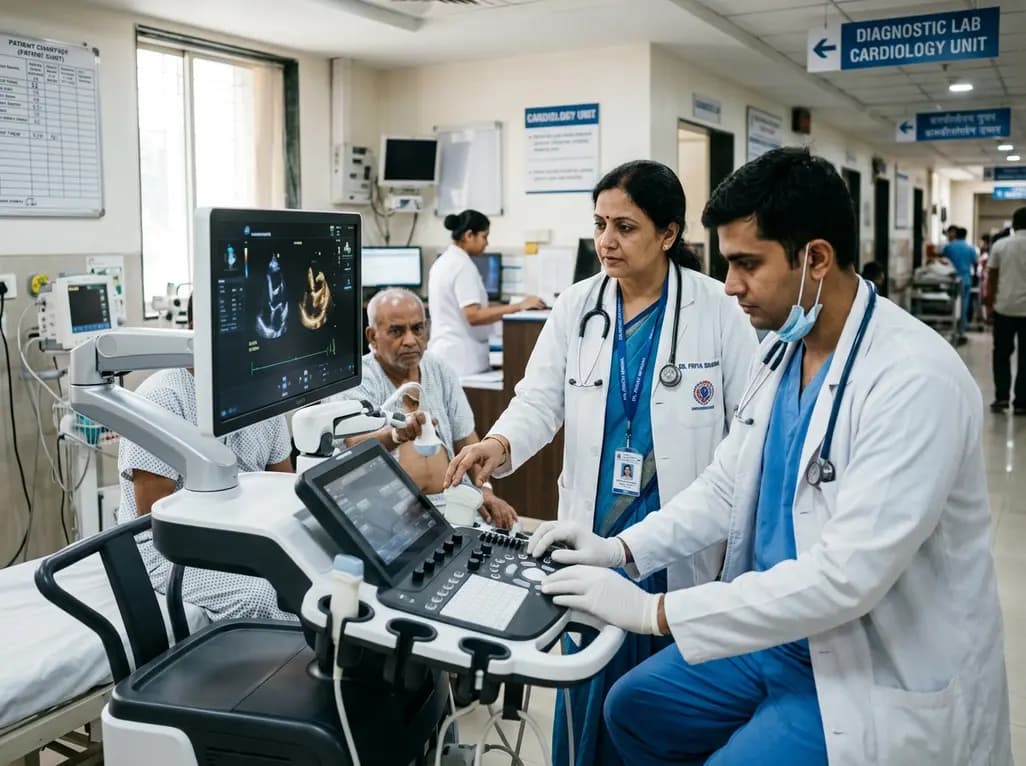
Medical robotics is transitioning beyond operative suites into diagnostics, cardiology, and endocrinology. Explore how innovations in tele-robotics, AI integration, and nanomedicine are overcoming geographical barriers and transforming precision healthcare delivery across India's evolving disease landscape.
Today
