

Loading, please wait...
Loading, please wait...
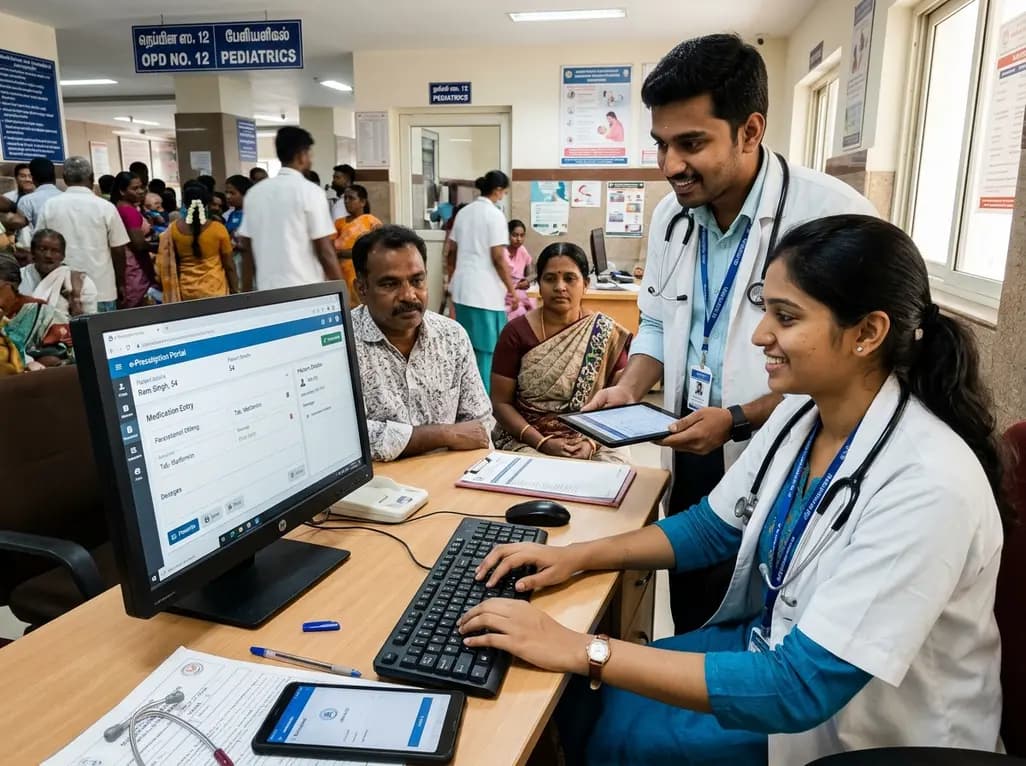
During the 15th convocation ceremony of the Jawaharlal Institute of Postgraduate Medical Education and Research (JIPMER), Union Minister of Health and Family Welfare J. P. Nadda highlighted the urgent need to modernize clinical workflows. Addressing an audience of 816 graduating medical practitioners, the Union Minister strongly urged young doctors to adopt e-prescriptions and actively integrate with the Ayushman Bharat Digital Mission. He emphasized that digital transformation forms the backbone of an accessible, efficient, and transparent healthcare delivery ecosystem across India.
Modern healthcare delivery requires physicians to abandon error-prone handwritten notes in outpatient departments. Consequently, the Ministry of Health and Family Welfare has placed significant focus on electronic clinical tools. Minister Nadda specifically called upon young physicians to embrace e-prescriptions during their daily patient encounters. Handwritten prescriptions frequently cause medication errors, dispensing delays, and miscommunication between pharmacists and clinicians. In contrast, standardized digital prescriptions ensure clinical clarity, structured drug dosing, and legible documentation. Furthermore, electronic prescribing connects directly to patient health records, which safeguards treatment continuity across primary and tertiary healthcare settings. The government has already provided the foundational digital architecture to facilitate this transition smoothly. Therefore, healthcare providers can readily implement digital registration protocols in busy outpatient facilities. In addition, digital platforms simplify patient scheduling, reduce administrative burdens, and minimize crowded waiting areas. Young doctors represent the vanguard of clinical modernization in India. Thus, their enthusiastic adoption of electronic prescribing will accelerate the nationwide transition to paperless medicine. By generating clear digital prescriptions, clinicians not only elevate diagnostic precision but also protect patient safety during complex medical therapies.
During his convocation address, Minister Nadda shared reflections from his earlier career as a student leader. He recalled asserting that education constitutes an undeniable fundamental right. However, he carefully distinguished between primary schooling and advanced medical training. He firmly explained that while basic schooling remains a birthright, professional medical education represents a valuable privilege bestowed by society. Consequently, medical graduates carry a profound ethical and social responsibility toward the communities that support them. The Minister noted that public resources and societal goodwill establish the foundational ecosystem enabling aspiring clinicians to practice medicine. To illustrate this ongoing public investment, he highlighted that the Union Cabinet sanctioned fifteen thousand crore rupees last year to generate ten thousand undergraduate and postgraduate medical seats. Furthermore, each individual medical seat requires an expenditure of approximately one and a half crore rupees over four academic years. Therefore, public funds heavily subsidize medical training to serve the common good. Doctors must acknowledge this substantial societal contribution throughout their careers. As a result, graduating practitioners should actively return value to society by delivering compassionate, equitable, and dedicated clinical care to underserved populations across the nation.
A core objective of contemporary healthcare policy involves unifying health records under the Ayushman Bharat Digital Mission. Therefore, the Health Minister urged new practitioners to align their routine practice with national digital platforms. Through this mission, healthcare providers can link patient records with secure Ayushman Bharat Health Account numbers. Consequently, clinicians gain authorized access to comprehensive medical histories, diagnostic imaging reports, and previous pharmacotherapies. This seamless data exchange reduces redundant laboratory testing and prevents harmful drug-drug interactions. Moreover, widespread digitisation directly supports national financial protection initiatives. Minister Nadda reported that out-of-pocket healthcare expenditure in India has dropped from sixty-four percent to forty-two percent. In addition, the central government has expanded the Ayushman Bharat PM-JAY scheme to cover all senior citizens aged seventy and above. Under this initiative, older adults receive five lakh rupees of annual health insurance coverage regardless of economic background. More than thirteen crore hospital admissions have occurred under this program, delivering treatments valued at over two lakh crore rupees. Accordingly, seamless digital documentation ensures that eligible patients navigate these life-saving health insurance benefits without administrative bottlenecks or unnecessary financial distress.
The central government has systematically expanded healthcare infrastructure to match the clinical requirements of a rapidly growing population. Specifically, Minister Nadda dedicated seven major healthcare initiatives worth over one hundred and seventy-two crore rupees at JIPMER. These state-of-the-art facilities advance precision cancer treatment, interventional cardiac care, automated diagnostics, and biomedical research. Furthermore, the Union Minister outlined the national trajectory of medical education infrastructure over the past decade. The total number of medical colleges in India has expanded from 387 to 863 institutions. Meanwhile, undergraduate MBBS seats increased dramatically from 51,000 to nearly 1.43 lakh positions. Postgraduate medical opportunities have also seen substantial expansion to support specialized care delivery. Furthermore, the central government aims to add another 75,000 undergraduate and postgraduate medical seats by 2029. This aggressive infrastructure growth ensures a balanced ratio of primary care practitioners and tertiary specialists across tier-two and tier-three cities. Consequently, modern facilities and well-trained medical professionals will reach underserved rural communities. As JIPMER continues its pioneer legacy as an Institute of National Importance, these investments establish a robust environment for scientific research and patient-centered clinical innovation.
In addition to expanding tertiary facilities, the Ministry emphasizes preventive medicine and comprehensive primary healthcare delivery. Historically, fragmented primary care delayed diagnoses until diseases reached advanced, incurable stages. However, the nationwide network of Ayushman Arogya Mandir centers has completely transformed community screening protocols. Under this operational model, comprehensive disease screening begins at thirty years of age for all community members. Since 2018, healthcare workers have successfully screened more than forty-two crore citizens for non-communicable diseases. Specifically, these targeted screenings identify hypertension, diabetes mellitus, oral malignancies, breast cancer, and cervical lesions at early stages. Timely therapeutic intervention significantly lowers morbidity and mitigates the risk of catastrophic cardiovascular and oncological events. Furthermore, digital integration allows peripheral health workers to upload vital diagnostic data directly into centralized electronic registries. When primary health centers link seamlessly with referral hospitals, physicians can track longitudinal outcomes effectively. Therefore, outpatient digitisation acts as a vital bridge connecting frontline screening with advanced curative interventions. As young physicians champion these interconnected public health initiatives, they reinforce a resilient continuum of care spanning preventive, curative, and palliative medical services.
Q1: Why are e-prescriptions essential for modern medical practice in India?
Digital prescriptions eliminate legibility issues, reduce adverse dispensing errors, and optimize clinical communication between physicians and pharmacists. Furthermore, e-prescriptions integrate seamlessly into electronic health record platforms under the Ayushman Bharat Digital Mission. This integration allows clinicians to track longitudinal treatment histories, check drug interactions, and maintain standardized diagnostic records across multiple care encounters. Consequently, digital prescribing elevates patient safety and significantly streamlines daily outpatient administrative workflows across healthcare facilities.
Q2: How does the Ayushman Bharat Digital Mission benefit practicing doctors?
The Ayushman Bharat Digital Mission provides a verified digital infrastructure through the Healthcare Professionals Registry and Health Facility Registry. By linking clinical encounters with a patient's unique ABHA number, doctors gain authorized, real-time access to prior medical summaries, diagnostic test results, and surgical records. Moreover, this interoperable system eliminates redundant diagnostic investigations, facilitates rapid clinical decision-making during emergencies, and ensures seamless referrals between primary care clinics and specialized tertiary hospitals.
Q3: What recent expansions have occurred in Indian medical education seats?
India has expanded its medical education infrastructure substantially, increasing the number of accredited medical colleges from 387 to 863 institutions. Consequently, undergraduate MBBS seats expanded from 51,000 to over 1.43 lakh, alongside major additions to postgraduate clinical training programs. In addition, the central government has committed to creating another 75,000 medical seats by 2029. This strategic expansion aims to improve physician-to-patient ratios and resolve geographical disparities in specialized healthcare access nationwide.
Disclaimer: This content is for informational and educational purposes only. It does not constitute medical advice or replace professional judgment. Refer to the latest local and national guidelines for clinical practice.
References

Read summarized clinical updates, watch expert medical content, and earn CME certifications right from your smartphone.
Open your smartphone camera to scan and install.





At JIPMER's 15th convocation, Union Minister J.P. Nadda highlighted medical education as a social privilege, calling on graduates to adopt digital workflows, electronic prescriptions, and ABHA integration while outlining national health sector expansions.
Today
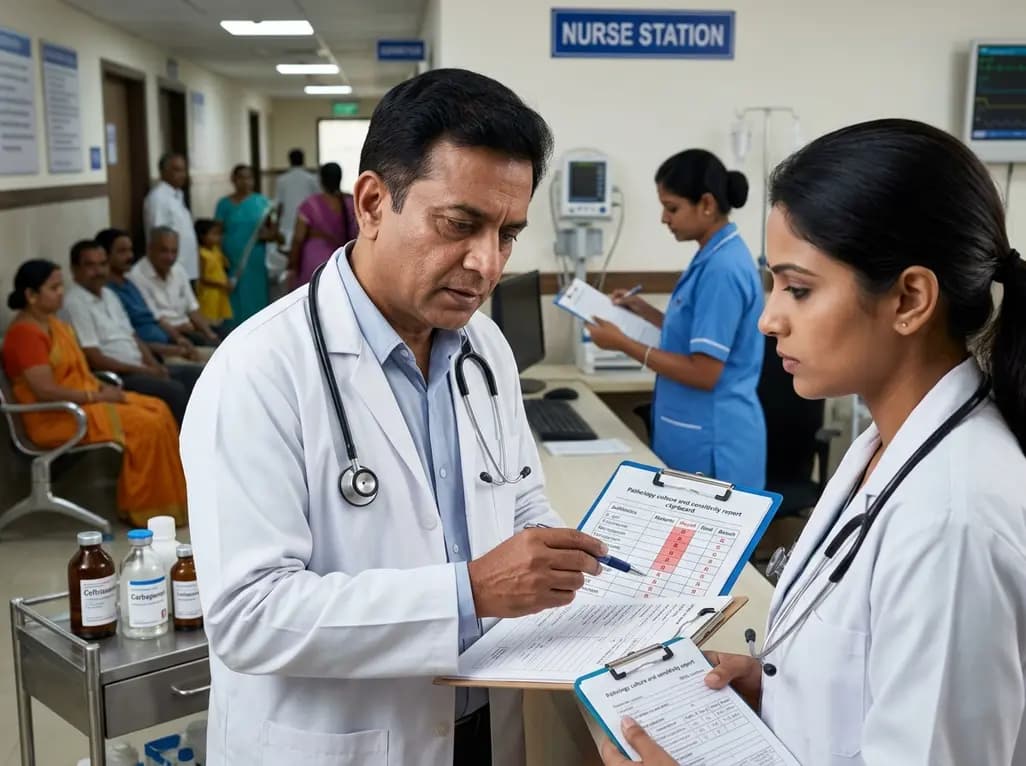
The latest surveillance report from the Indian Council of Medical Research exposes a steep nationwide decline in bacterial susceptibility. Common pathogens like E. coli and Klebsiella pneumoniae demonstrate critical resistance to cephalosporins and carbapenems, urging clinicians to rethink empirical antimicrobial therapy.
Today
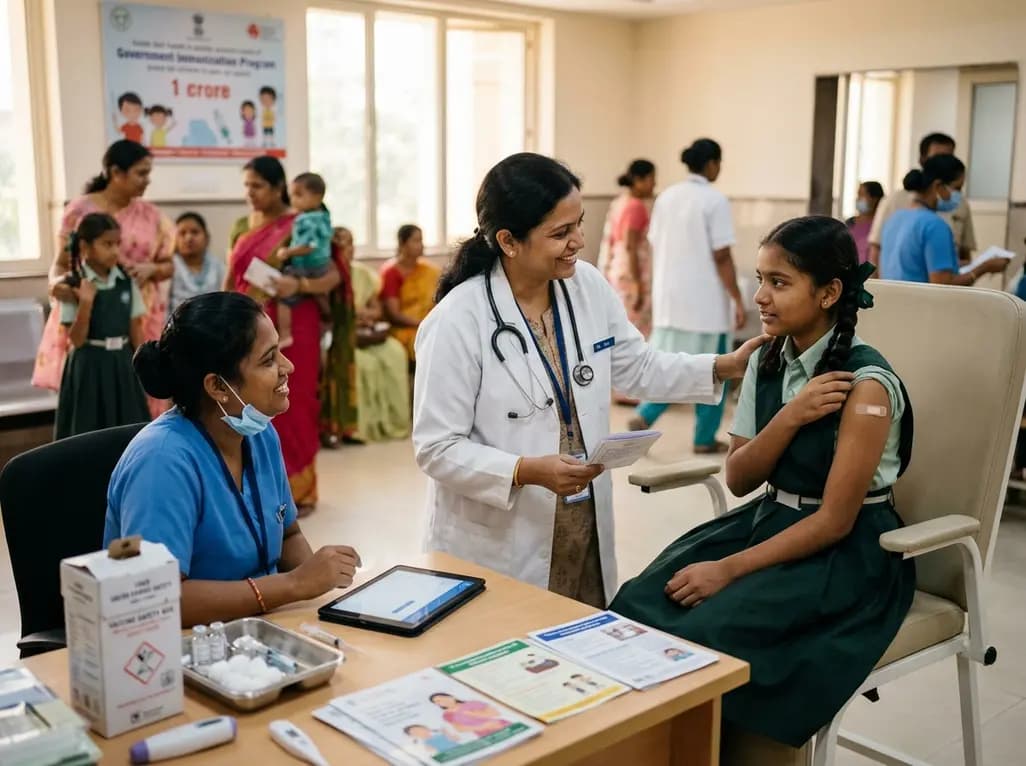
Under India's nationwide immunization drive, healthcare teams have vaccinated more than one crore 14-year-old girls within nine months. This comprehensive analysis evaluates state achievements, digital tracking via the U-WIN platform, clinical safety monitoring, and practical counselling strategies for practitioners.
Today

A large network analysis of middle-aged and older adults reveals distinct sex-specific dependency pathways between lifestyle factors and cardiometabolic diseases. Physical activity, smoking, and alcohol exhibit divergent bridging roles in men and women, underscoring the need for tailored clinical prevention.
Today
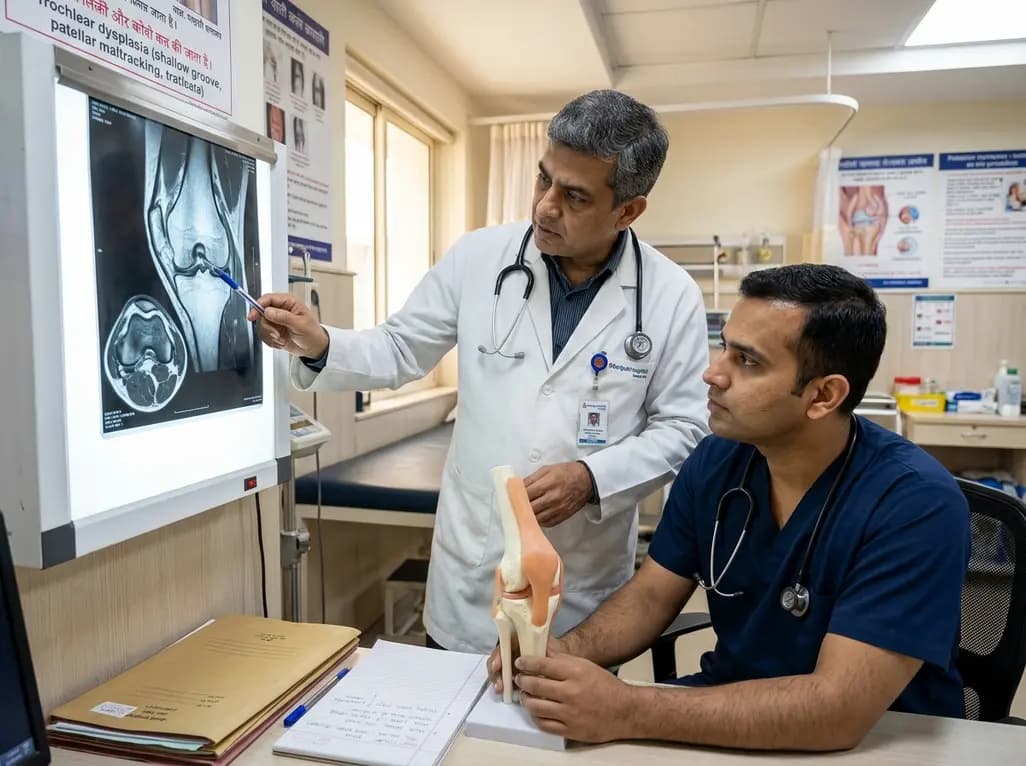
A landmark study reveals that patellofemoral cartilage defects in patients with trochlear dysplasia are primarily driven by patellar maltracking and spur height rather than dislocation frequency or shape mismatch, offering crucial insights for preoperative imaging and surgical stabilization.
Today
Single-cell transcriptomics reveals that STAP2 promotes retinal endothelial dysfunction in diabetic retinopathy through CXCR4 signaling. In vivo and in vitro studies show STAP2 knockdown reduces capillary drop-out and vascular leakage, uncovering a novel therapeutic target beyond anti-VEGF therapies.
Today
