

Loading, please wait...
Loading, please wait...

Trauma clinicians frequently manage devastating systemic sequelae following acute neurotrauma. In particular, acute cervical spinal cord injury disrupts descending sympathetics and triggers profound systemic instability. Consequently, cardiovascular disease represents a leading cause of acute morbidity and inpatient mortality in this vulnerable trauma cohort. High cervical spine trauma abolishes normal supraspinal sympathetic outflow while leaving parasympathetic vagal tone intact. Therefore, patients experience neurogenic shock characterized by persistent bradycardia, severe peripheral vasodilation, and marked hypotension. In addition, acute myocardial infarction can develop silently during this critical post-injury window. Because patients lose somatic sensation below the injury level, classic anginal chest pain rarely presents. Instead, myocardial ischemia typically manifests as worsening arrhythmias, refractory hypotension, or unexplained ventilatory failure. Historically, trauma teams have focused predominantly on skeletal alignment and emergency spinal cord decompression. However, secondary cardiac insults can silently compromise spinal cord perfusion and derail recovery. Clinicians therefore must maintain heightened vigilance for early ischemic cardiac events. Routine electrocardiograms and serial troponin surveillance provide vital detection opportunities during acute hospitalization. Specifically, when severe spinal cord trauma impairs autonomic homeostasis, cardiovascular instability compounds secondary central nervous system damage. Ultimately, early recognition of acute myocardial necrosis prevents catastrophic systemic deterioration.
A landmark retrospective cohort study analyzed 39,030 adult patients hospitalized with traumatic cervical spinal injuries using the American College of Surgeons Trauma Quality Improvement Program. Within this extensive multi-center cohort, researchers identified 161 individuals (0.4%) who suffered documented acute myocardial infarction. While this incidence appears numerically small, the clinical fallout proved exceptionally severe. Furthermore, patient characteristics differed substantially between affected individuals and unaffected cohorts. Specifically, patients who sustained myocardial infarction were significantly older, presenting with a mean age of 67 years compared to 53 years in unaffected patients. In addition, older trauma victims demonstrated a notably higher prevalence of preexisting systemic comorbidities. For example, hypertension, diabetes mellitus, chronic kidney disease, and chronic obstructive pulmonary disease occurred far more frequently among patients with infarction. Similarly, congestive heart failure rates were markedly elevated in this cohort. Consequently, preexisting cardiovascular vulnerability drastically amplifies physiological stress during acute trauma resuscitations. Trauma services therefore must recognize these high-risk baseline traits upon hospital arrival. Moreover, advanced chronological age combined with multiple chronic illnesses reduces cardiovascular physiological reserve and impairs patient recovery after trauma. Proactive risk stratification allows intensivists to initiate early cardiac telemetry and tailored hemodynamic optimization.
Severe trauma places extraordinary circulatory demands on patients with underlying coronary atherosclerosis. Following cervical cord trauma, sudden loss of sympathetic vasomotor tone induces marked vasodilation. Consequently, mean arterial pressure and diastolic coronary filling pressures fall precipitously. Simultaneously, unopposed cardiac vagal activity triggers severe bradycardia, decreasing global cardiac output. To counteract neurogenic shock, clinicians routinely infuse high doses of alpha-adrenergic vasopressors. However, intense vasoconstriction markedly increases cardiac afterload and drives myocardial oxygen consumption upward. In patients with preexisting coronary stenosis, this severe supply-demand mismatch easily induces acute subendocardial ischemia. Furthermore, traumatic tissue destruction releases substantial systemic inflammatory cytokines. This severe inflammatory cascade impairs vascular endothelial integrity and destabilizes subclinical coronary plaques. In addition, trauma-induced hypercoagulability increases acute coronary thrombosis risks. Later in the hospital course, episodes of autonomic dysreflexia can trigger severe hypertensive surges and coronary spasms. Therefore, acute neurotrauma exposes the myocardium to a dangerous combination of hypoperfusion, catecholamine stress, and vascular inflammation. Consequently, when microvascular perfusion deteriorates, ischemic myocardium suffers irreversible damage, directly reducing left ventricular ejection fraction. Intensivists must understand these mechanistic links to balance spinal cord perfusion against cardiac ischemia risks.
The development of myocardial infarction during acute hospitalization drastically escalates adverse clinical outcomes. Specifically, multivariate logistic regression demonstrated that myocardial infarction increased the odds of acute kidney injury more than sevenfold. Consequently, secondary renal impairment compounds metabolic instability and prolongs intensive care stays. Furthermore, patients with myocardial infarction faced a nearly fourfold increased risk of developing acute respiratory distress syndrome. Cardiac arrest occurred more than five times more frequently among patients with acute myocardial necrosis. In addition, pulmonary infections escalated significantly, with ventilator-associated pneumonia occurring nearly four times as often. Similarly, the risk of cerebrovascular accidents increased more than threefold, highlighting widespread vascular instability. Sepsis rates also surged nearly fivefold in patients experiencing myocardial injury. Moreover, immobility-related complications amplified significantly alongside acute organ failure. For instance, the odds of developing severe hospital-acquired pressure injuries increased nearly threefold in affected patients. Thus, acute myocardial infarction transforms localized trauma into a widespread multiorgan crisis. Furthermore, protracted periods of circulatory collapse and hypoxemia prevent adequate tissue perfusion, perpetuating secondary neurological deterioration. These compelling data illustrate why acute myocardial damage correlates with dramatic surges in patient morbidity and in-hospital mortality.
Beyond elevating patient morbidity, acute myocardial infarction dramatically increases hospital resource utilization. Specifically, affected patients experience a twofold increase in unplanned intensive care unit admissions. Furthermore, acute myocardial ischemia substantially prolongs the required duration of invasive mechanical ventilation. Because ventricular dysfunction precipitates pulmonary edema, weaning patients from mechanical ventilators becomes exceptionally challenging. Consequently, persistent respiratory failure extends intensive care unit length of stay and prolongs overall hospitalization. Moreover, managing concurrent spine trauma and acute coronary syndromes creates profound therapeutic dilemmas. Neurosurgeons frequently require blood pressure elevation to maintain cord perfusion, whereas cardiologists prioritize reducing myocardial afterload. In addition, antiplatelet therapy and systemic anticoagulation increase perioperative spinal hemorrhage risks. Therefore, clinical care teams must implement clear multidisciplinary protocols upon admission. Routine baseline troponin assays and 12-lead electrocardiograms help identify silent ischemia early. Clinicians should also use focused bedside echocardiography to guide vasopressor titration and fluid balance. Additionally, dedicated physical therapy and aggressive respiratory protocols must commence promptly to prevent devastating secondary complications. Ultimately, coordinated collaboration between neurotrauma surgeons, cardiologists, and intensive care physicians optimizes patient safety while reducing hospital resource strain.
Cervical spinal cord injury interrupts sympathetic outflow while preserving parasympathetic tone, inducing severe neurogenic shock and systemic hypotension. Consequently, coronary perfusion pressure falls significantly while high-dose vasopressor therapy simultaneously escalates myocardial oxygen demand. This severe supply-demand mismatch, combined with trauma-induced systemic inflammation and preexisting atherosclerosis, rapidly precipitates acute myocardial infarction.
Diagnosis proves exceptionally challenging because cervical cord trauma impairs sensory transmission below the injury level, eliminating typical ischemic symptoms like retrosternal chest pain. Furthermore, neurogenic shock produces baseline bradycardia and fluctuating blood pressure that obscure acute ischemic shock. Consequently, clinical teams must rely vigilantly on routine electrocardiograms, serial troponin surveillance, and bedside echocardiography.
Clinicians must maintain spinal cord perfusion without overburdening compromised coronary vessels. Rather than indiscriminately escalating alpha-adrenergic vasopressors to achieve high arterial pressures, intensivists should utilize functional hemodynamic monitoring and focused echocardiography. In addition, judicious inotropic support and tailored fluid management optimize organ delivery while minimizing excess myocardial strain and oxygen consumption.
Disclaimer: This content is for informational and educational purposes only... Refer to the latest local and national guidelines for clinical practice.
References
1. Karthikeyan V et al. Association Between Myocardial Infarction and In-Hospital Complications in Cervical Spinal Cord Injury: A Retrospective Cohort Study. J Neurotrauma. 2026 Nov. doi: 10.1177/08977151251367384. PMID: 42670891.
2. Hagen EM, Rekand T, Gilhus NE, Gronning M. Cardiovascular complications of spinal cord injury. Tidsskr Nor Laegeforen. 2012;132(9):1115-1120. doi: 10.4045/tidsskr.11.0551.
3. DeVivo MJ. Epidemiology of traumatic spinal cord injury: trends and future implications. Spinal Cord. 2012;50(5):365-372. doi: 10.1038/sc.2011.178.

Read summarized clinical updates, watch expert medical content, and earn CME certifications right from your smartphone.
Open your smartphone camera to scan and install.





A large cohort study reveals that myocardial infarction during acute cervical spinal cord injury significantly escalates catastrophic in-hospital complications, including sepsis, acute kidney injury, respiratory distress, and prolonged intensive care stays, highlighting the need for prompt cardiac surveillance.
Today

A retrospective CAHAL study comparing Amplatzer and Occlutech devices in 413 patients found no significant difference in moderate-to-large residual shunt rates at 6 months follow-up after percutaneous PFO closure, supporting clinical equivalence between both platforms.
Today

AIIMS researchers suggest yoga may alleviate gut dysbiosis in Polyendocrine Metabolic Ovarian Syndrome (PMOS) by modulating the gut-brain axis, lowering chronic inflammation, and enhancing parasympathetic tone to support metabolic and hormonal equilibrium.
Today
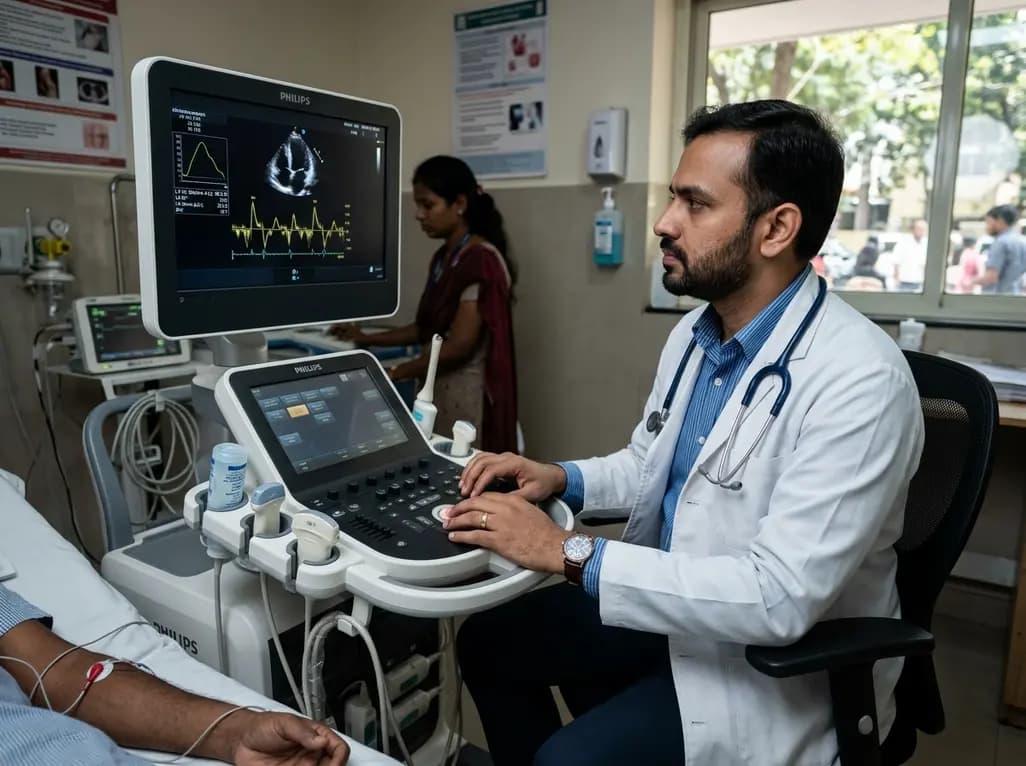
A structured practical guide to left atrial echocardiographic assessment covering biplane volumetry, phasic physiology, speckle-tracking strain, and hemodynamic filling pressure estimation for routine cardiovascular practice.
Today

Age-related spinal kyphosis is driven by vertebral fragility, disc degeneration, and paraspinal muscle dysfunction. Coexisting with locomotive syndrome and frailty, its management requires combined anti-osteoporotic therapy, spinal extensor rehabilitation, and comprehensive nutritional optimization.
Today

A longitudinal feasibility pilot study highlights that combining polygenic risk score disclosure with in-person lifestyle counseling significantly enhances genomic literacy in individuals at risk for type 2 diabetes, overcoming educational disparities and reinforcing patient motivation.
Today
