.webp&w=384&q=75)

Loading, please wait...
Loading, please wait...

Trigeminal neuralgia (TN) is often described as one of the most agonizing conditions in clinical neurology. It presents as sudden, electric-shock-like facial pain that can be triggered by simple daily activities. While initial management usually involves medications like carbamazepine, many patients eventually develop resistance or suffer from intolerable side effects. Consequently, surgical intervention becomes necessary to restore a patient's quality of life. Among the various surgical modalities, microvascular decompression (MVD) and Gamma Knife surgery (GKS) are the most prominent options available today. However, clinicians often face a difficult dilemma when choosing between these two approaches for their patients. MVD is an invasive procedure that directly addresses the neurovascular conflict, whereas GKS is a non-invasive radiosurgical technique. Determining the MVD vs GKS efficacy in achieving long-term pain control is essential for optimal patient counseling. A recent updated meta-analysis by Fonseca et al. provides critical insights into this comparison, evaluating data from over 8,000 patients. This study clarifies which procedure offers better pain relief and lower recurrence rates. Furthermore, it examines the safety profiles of both techniques. For neurosurgeons and neurologists in India, understanding these outcomes is vital for tailoring treatments. Therefore, this article synthesizes the latest evidence to guide clinical decision-making.
The primary goal of any intervention for trigeminal neuralgia is achieving complete, long-lasting pain relief. The recent meta-analysis compared these outcomes between patients undergoing MVD and those receiving GKS. Results indicated that MVD is significantly more effective at providing immediate and sustained pain relief. Specifically, the pooled analysis showed a relative risk of 1.87 in favor of MVD. This suggests that patients who undergo the invasive decompression procedure are nearly twice as likely to achieve a pain-free state. Moreover, MVD addresses the physiological root cause by physically separating the offending vessel from the trigeminal nerve. In contrast, Gamma Knife surgery relies on ionizing radiation to create a focal lesion on the nerve, which often results in a delayed therapeutic effect. Consequently, the time to achieve pain relief is typically longer with GKS. Furthermore, the intensity of relief achieved via MVD is often superior. This is particularly relevant for younger patients who desire a permanent solution without the need for lifelong medication. However, clinicians must weigh this high efficacy against the inherent risks of open cranial surgery. Nevertheless, the statistical superiority of MVD regarding pain control remains a cornerstone of surgical planning in modern neurosurgery.
Recurrence of pain is a significant concern for both patients and clinicians managing trigeminal neuralgia. The meta-analysis provides compelling evidence that MVD offers greater durability in its clinical results. Specifically, the recurrence rate was substantially lower in the MVD group, with a relative risk of 0.36. This indicates that patients treated with Gamma Knife surgery are significantly more prone to experiencing a return of their symptoms over time. Furthermore, the study assessed success using the Barrow Neurological Institute (BNI) scale. Scores of IV and V on this scale represent poor outcomes or treatment failure. The analysis revealed that GKS was associated with a higher likelihood of these unfavorable scores. Consequently, while GKS may provide initial relief, the sustainability of its effect is often inferior to MVD. Therefore, for patients who prioritize long-term stability and want to avoid repeat procedures, MVD stands out as the preferred choice. However, it is important to note that even MVD is not entirely immune to recurrence. This may happen due to Teflon displacement or new vascular conflicts. In addition, the choice of interposition material during MVD can influence these long-term results. Regardless of these nuances, the meta-analysis underscores that MVD provides a more stable pain-free period for most patients.
When comparing surgical procedures, safety and complication rates are as critical as efficacy. The meta-analysis performed a detailed review of overall complications and found no statistically significant difference between MVD and GKS. This finding is somewhat surprising given that MVD is a major open surgery. However, GKS is not without its specific risks. The study highlighted that postoperative facial numbness is more prevalent following Gamma Knife surgery. This numbness occurs because the radiation dose targeted at the trigeminal nerve root can cause varying degrees of sensory loss. Specifically, the incidence of new or worsening numbness was higher in the GKS cohort. In contrast, MVD carries risks typical of suboccipital craniotomies, such as cerebrospinal fluid leaks, infection, or transient hearing loss. Nevertheless, the low overall complication rate reported suggests that both procedures are relatively safe when performed in specialized centers. Furthermore, the risk-benefit ratio must be individualized for every case. For instance, a patient with significant cardiac comorbidities might be a poor candidate for the general anesthesia required for MVD. Consequently, GKS remains a vital alternative despite the risk of numbness. Therefore, the decision should be based on the specific side-effect profile that the patient finds more acceptable.
In India, the choice between MVD and GKS is often influenced by factors beyond clinical efficacy, including resource availability and patient preference. Large tertiary centers have conducted comparative studies reflecting the local experience. These studies often mirror the global findings that MVD provides superior pain-free periods. However, India faces a unique challenge regarding the availability of Gamma Knife technology, which is concentrated in major metropolitan hospitals. Consequently, many patients may only have access to MVD or percutaneous techniques. Furthermore, the cost-effectiveness of a single MVD procedure versus potentially repeated radiosurgical sessions must be considered. In addition, Indian patients often present at a later stage of the disease after multiple failed medical trials. For these refractory cases, the meta-analysis confirms that MVD should be the first-line surgical consideration if the patient is medically fit. Therefore, neurosurgeons should emphasize MVD for healthy individuals while reserving GKS for those who are older or have significant surgical contraindications. Moreover, patient education regarding the trade-off between the invasiveness of MVD and the delayed response of GKS is essential. This collaborative approach ensures that the treatment aligns with the patient's lifestyle and health goals. Ultimately, balancing these factors leads to improved patient satisfaction.
The management of trigeminal neuralgia is evolving, but the core debate between microvascular decompression and radiosurgery remains central to neurosurgical discourse. This updated meta-analysis reinforces MVD's status as the gold standard for durable pain relief. However, the study also validates GKS as a viable and safe secondary option, particularly when patient safety is the primary concern. In the future, better imaging techniques may allow for even more precise patient selection. Specifically, identifying clear neurovascular conflict pre-operatively can increase the success rate of MVD. Furthermore, advancements in Gamma Knife technology may eventually reduce the incidence of post-treatment numbness. In addition, the integration of patient-reported outcome measures will provide a more holistic view of success beyond just pain scores. Consequently, the goal of modern neurosurgery is to provide a personalized treatment plan that maximizes therapeutic efficacy while minimizing morbidity. Therefore, clinicians should stay updated with high-quality meta-analyses to provide evidence-based care. In conclusion, while MVD offers the highest chance of a cure, GKS provides a critical non-invasive pathway. Ultimately, the choice must be a shared decision between a well-informed surgeon and an empowered patient. By balancing statistical evidence with clinical judgment, we can significantly improve the lives of those suffering from this agonizing condition.
The meta-analysis indicates that Microvascular Decompression (MVD) provides significantly superior long-term pain relief compared to Gamma Knife Surgery (GKS). Patients undergoing MVD were nearly twice as likely to remain pain-free. This procedure directly addresses the underlying neurovascular conflict, leading to more durable outcomes and a lower likelihood of recurrence over time.
While overall complication rates are comparable, specific risks differ between the two procedures. Gamma Knife Surgery is associated with a higher incidence of postoperative facial numbness due to radiation exposure to the nerve. In contrast, Microvascular Decompression, being an invasive surgery, carries risks such as CSF leaks, infection, or transient hearing loss.
Yes, Gamma Knife Surgery is often preferred for elderly patients or those with significant medical comorbidities. Because GKS is non-invasive and does not require general anesthesia, it presents a lower immediate physiological risk. However, clinicians must counsel these patients on the higher risk of pain recurrence compared to the MVD approach.
Disclaimer: This content is for informational and educational purposes only and does not constitute medical advice, diagnosis, or treatment. Always seek the advice of a qualified healthcare provider with any questions regarding a medical condition. Refer to the latest local and national guidelines for clinical practice.
References
Fonseca PEO et al. Efficacy and safety of microvascular decompression versus gamma knife surgery in patients with trigeminal neuralgia: an updated meta-analysis. Neurosurg Rev. 2026 Jul 08. doi: 10.1007/s10143-026-04373-z. PMID: 42414789.
Sudevan KJ et al. Medically Refractory Trigeminal Neuralgia: A Comparative Study of Outcomes of Microvascular Decompression versus Gamma Knife Radiosurgery and Percutaneous Radiofrequency Ablation. J Neurol Surg B Skull Base. 2025 Jun 27;87(3):268-275. doi: 10.1055/a-2639-5914.
Tuleasca C et al. Gamma Knife surgery for trigeminal neuralgia: an updated review. Stereotact Funct Neurosurg. 2018;96(3):141-151. doi: 10.1159/000489182.
"
Read summarized clinical updates, watch expert medical content, and earn CME certifications right from your smartphone.
Open your smartphone camera to scan and install.





An updated meta-analysis of over 8,000 patients reveals that Microvascular Decompression (MVD) offers superior pain relief and lower recurrence rates compared to Gamma Knife Surgery (GKS) for trigeminal neuralgia, though GKS remains a vital non-invasive alternative.
2 weeks back
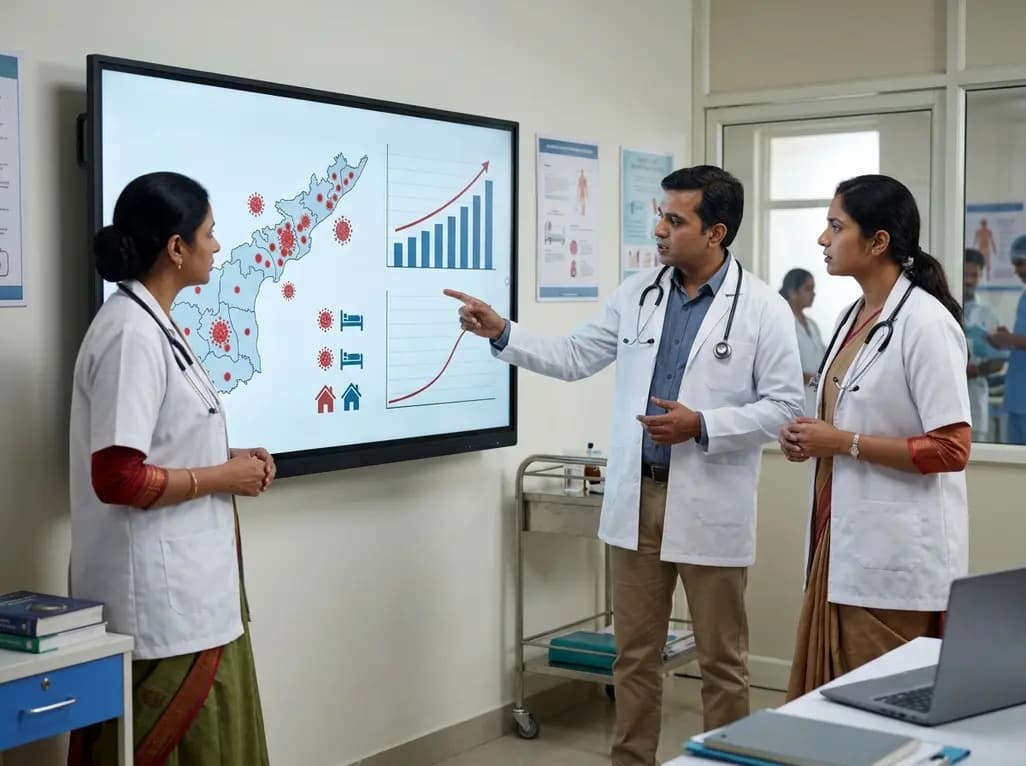
Andhra Pradesh reported 10 new Covid-19 cases, taking the state tally to 49 while deaths remain at four. With 24 patients hospitalized and 16 under home isolation, the Health Department has intensified monitoring. Medical professionals should review regional distribution, diagnostic protocols, and management plans.
Today

An 11-year Swedish registry study of 618 uterine sarcoma patients found that minimally invasive surgery yielded survival comparable to open surgery in early stages. However, adjuvant chemotherapy conferred no survival benefit in localized or advanced disease, highlighting stage and histology as key outcomes.
3 days back

A cross-sectional study evaluates post-intensive care syndrome in cardiac patients 2-4 weeks post-ICU discharge, highlighting cognitive, psychological, and functional impairments and the need for structured multidisciplinary rehabilitation.
3 days back
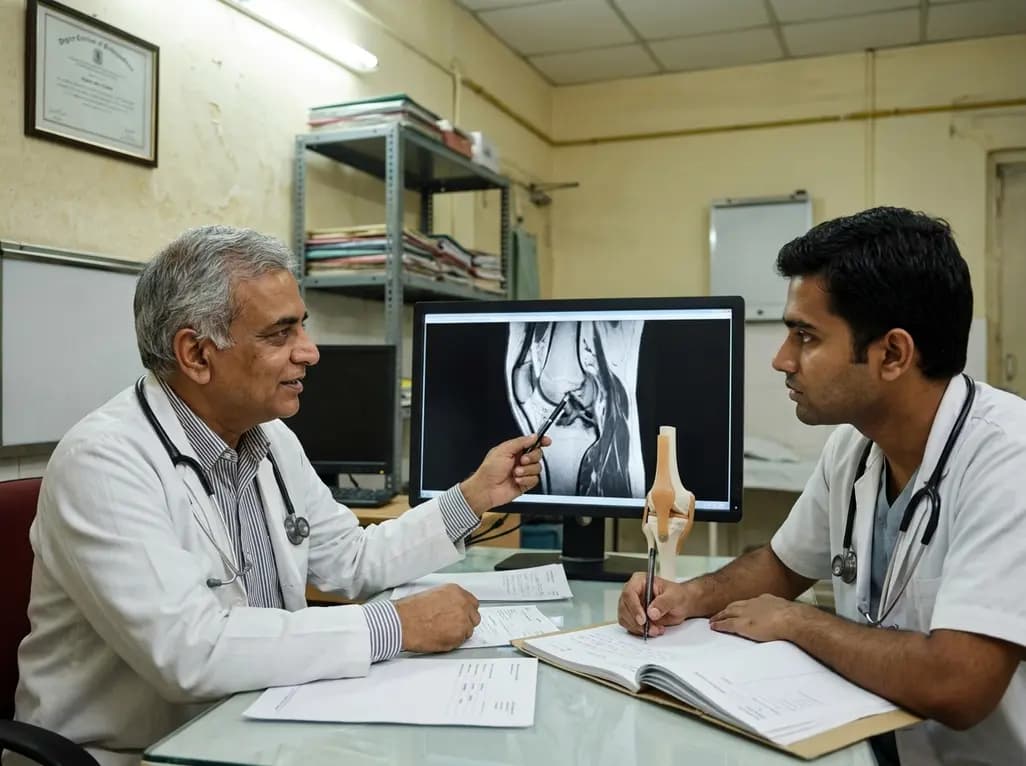
Anterior cruciate ligament reconstruction failure lacks uniform definition. A narrative review proposes an integrative framework incorporating objective and subjective instability, persistent pain, restricted motion, graft rupture, and secondary meniscal injury to standardize clinical reporting.
3 days back

With World Obesity Atlas data warning that over 41 million Indian children are overweight or obese, ICMR and NIN have unveiled a 10-point policy roadmap. The initiative calls for mandatory front-of-pack labeling, HFSS taxes, strict marketing bans, and healthier school environments to curb non-communicable diseases.
Today
