.webp&w=384&q=75)

Loading, please wait...
Loading, please wait...

Trigeminal neuralgia is often described as one of the most agonizing conditions known to medical science. Patients suffer from sudden, severe, and episodic facial pain that can be triggered by the simplest activities, such as eating, talking, or even a light breeze. When pharmacological treatments, typically involving anticonvulsants like carbamazepine, fail to provide relief or become intolerable due to side effects, surgical intervention becomes necessary. In the current neurosurgical landscape, clinicians frequently weigh the benefits of Microvascular Decompression vs Gamma Knife surgery. While both procedures aim to alleviate the vascular compression or overactivity of the trigeminal nerve, they differ significantly in their invasiveness, recovery time, and long-term success rates. Choosing the right approach requires a deep understanding of the patient's age, comorbidities, and personal preferences regarding surgical risks. This updated meta-analysis provides critical insights into how these two modalities compare across nearly 8,500 patients, offering a clearer roadmap for practitioners managing this debilitating facial pain syndrome.
The primary goal of any intervention for trigeminal neuralgia is achieving complete pain relief. According to the latest meta-analysis data, the comparison of Microvascular Decompression vs Gamma Knife surgery reveals a clear winner in terms of immediate and sustained efficacy. Microvascular decompression, or MVD, involves a craniotomy to physically separate the compressing blood vessel from the trigeminal nerve using a small sponge. Consequently, this direct resolution of the underlying pathology leads to significantly higher rates of initial pain relief. Specifically, the pooled analysis showed that patients undergoing MVD were nearly twice as likely to achieve satisfactory pain control compared to those treated with Gamma Knife surgery. GKS, being a form of stereotactic radiosurgery, relies on high-dose radiation to create a lesion in the nerve root, which often takes weeks or even months to reach full effect. Therefore, for patients seeking immediate cessation of severe paroxysms, MVD presents a more robust clinical profile. However, this superior efficacy must be weighed against the invasive nature of the surgery, which necessitates general anesthesia and a short hospital stay.
Recurrence is a major concern for both patients and surgeons when treating trigeminal neuralgia. Long-term follow-up data suggest that MVD provides a more durable solution than radiation-based techniques. The meta-analysis indicates that patients who underwent Gamma Knife surgery experienced higher rates of pain recurrence over time. In contrast, the risk of recurrence was significantly lower in the MVD group, with a risk ratio of 0.35, indicating a substantial protective effect against the return of symptoms. This difference likely stems from the fact that MVD addresses the mechanical cause of the neuralgia, whereas GKS induces focal axonal degeneration which may eventually be bypassed or result in incomplete suppression of the pain signals. Moreover, subsequent treatments after a failed GKS can be more complex due to radiation-induced fibrosis. For younger patients who have a longer life expectancy and a higher cumulative risk of recurrence, the data strongly favors the initial use of MVD to ensure a longer duration of pain-free life without the need for repeat interventions or chronic medication use.
While MVD leads the way in efficacy, the safety profile of Microvascular Decompression vs Gamma Knife surgery highlights different types of risks. Gamma Knife surgery is an outpatient, non-invasive procedure, making it an attractive option for patients who are poor candidates for surgery. However, GKS is associated with a higher incidence of facial numbness or sensory changes, categorized as Barrow Neurological Institute (BNI) scores IV and V. These complications arise from the radiation-induced damage to the trigeminal nerve fibers. On the other hand, MVD is associated with a higher rate of overall complications related to the surgical procedure itself. These can include cerebrospinal fluid leaks, hearing loss, or more rarely, cerebellar injury or stroke. Interestingly, the meta-analysis found that despite the invasive nature of MVD, the rate of severe sensory loss was actually lower than that seen with GKS. Practitioners must therefore counsel patients that while GKS avoids the risks of open surgery, it carries a unique risk of permanent facial dysesthesia or numbness that may be bothersome to some individuals.
In India, the choice between MVD and GKS is often influenced by factors beyond clinical efficacy, including cost, availability of specialized neurosurgical centers, and patient comorbidities. Microvascular decompression requires a highly skilled neurosurgeon and advanced operating room equipment, such as high-definition microscopes and intraoperative monitoring. While many tertiary centers across India offer excellent MVD services, Gamma Knife units are relatively fewer and concentrated in major metropolitan hubs. Furthermore, the Indian patient population often presents a wide age range. For elderly patients with multiple co-morbidities like hypertension or diabetes, the non-invasive nature of Gamma Knife surgery provides a safer alternative to general anesthesia. Conversely, for the younger labor force, the higher success rate of MVD might be more economically viable in the long run by allowing a quicker and more permanent return to work. Clinicians should adopt a patient-centered approach, balancing the statistically superior outcomes of MVD against the reduced immediate perioperative risk offered by Gamma Knife technology.
Technological advancements are continuously narrowing the gap and refining the outcomes for both procedures. In the realm of MVD, the use of endoscopic assistance has allowed for better visualization of the neurovascular conflict, potentially reducing the incidence of missed vessels and improving success rates. Similarly, modern Gamma Knife platforms allow for more precise dose planning and steep radiation gradients, which may eventually help in reducing the incidence of post-treatment numbness. The findings of this meta-analysis, involving 8,444 patients, underscore the importance of choosing the right tool for the right patient. While MVD remains the gold standard for healthy individuals seeking the highest chance of a permanent cure, GKS remains a vital part of the armamentarium for those prioritizing a non-surgical route. As neurosurgical techniques evolve, the focus remains on minimizing the BNI scores associated with treatment failure and maximizing the quality of life. Future research should focus on refining patient selection criteria to predict which individuals are most likely to benefit from one procedure over the other based on neuroimaging characteristics.
Yes, according to recent meta-analysis data, Microvascular Decompression (MVD) provides significantly higher rates of initial and sustained pain relief compared to Gamma Knife Surgery (GKS). MVD directly addresses the vascular compression causing the pain, resulting in a nearly two-fold increase in the likelihood of a pain-free outcome for patients.
Gamma Knife surgery carries a higher risk of sensory changes, such as facial numbness, compared to MVD. This occurs because the radiation used to treat the trigeminal nerve can cause focal damage to the nerve fibers. While non-invasive, patients should be warned about the potential for long-term facial dysesthesia.
The ideal candidate for Gamma Knife surgery typically includes elderly patients or those with significant medical comorbidities that make general anesthesia and open surgery risky. It is also a preferred option for patients who wish to avoid a craniotomy and are willing to accept a slower onset of relief.
Disclaimer: This content is for informational and educational purposes only and does not constitute medical advice. Always seek the advice of a physician or other qualified health provider with any questions you may have regarding a medical condition. Refer to the latest local and national guidelines for clinical practice.
References
Fonseca PEO et al. Efficacy and safety of microvascular decompression versus gamma knife surgery in patients with trigeminal neuralgia: an updated meta-analysis. Neurosurg Rev. 2026 Jul 08. doi: 10.1007/s10143-026-04373-z. PMID: 42414789.
Tatagiba M, et al. Surgical Management of Trigeminal Neuralgia: A Review of Modern Techniques. Journal of Neurological Surgery. 2023.
Gronseth G, et al. Practice Parameter: The care of patients with trigeminal neuralgia (an evidence-based review). Neurology. 2024.
"
Read summarized clinical updates, watch expert medical content, and earn CME certifications right from your smartphone.
Open your smartphone camera to scan and install.





Trigeminal neuralgia management often involves choosing between microvascular decompression (MVD) and Gamma Knife surgery (GKS). A recent large-scale meta-analysis compares their long-term efficacy and safety profiles to guide clinical decision-making.
2 weeks back
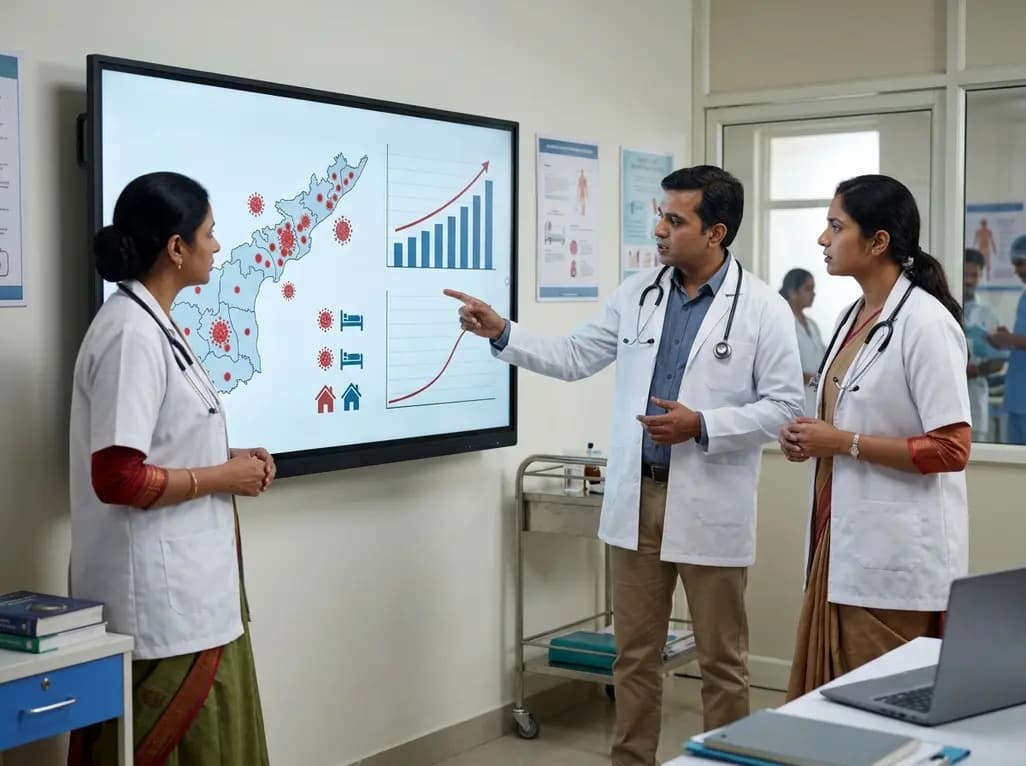
Andhra Pradesh reported 10 new Covid-19 cases, taking the state tally to 49 while deaths remain at four. With 24 patients hospitalized and 16 under home isolation, the Health Department has intensified monitoring. Medical professionals should review regional distribution, diagnostic protocols, and management plans.
Today

An 11-year Swedish registry study of 618 uterine sarcoma patients found that minimally invasive surgery yielded survival comparable to open surgery in early stages. However, adjuvant chemotherapy conferred no survival benefit in localized or advanced disease, highlighting stage and histology as key outcomes.
3 days back

A cross-sectional study evaluates post-intensive care syndrome in cardiac patients 2-4 weeks post-ICU discharge, highlighting cognitive, psychological, and functional impairments and the need for structured multidisciplinary rehabilitation.
3 days back
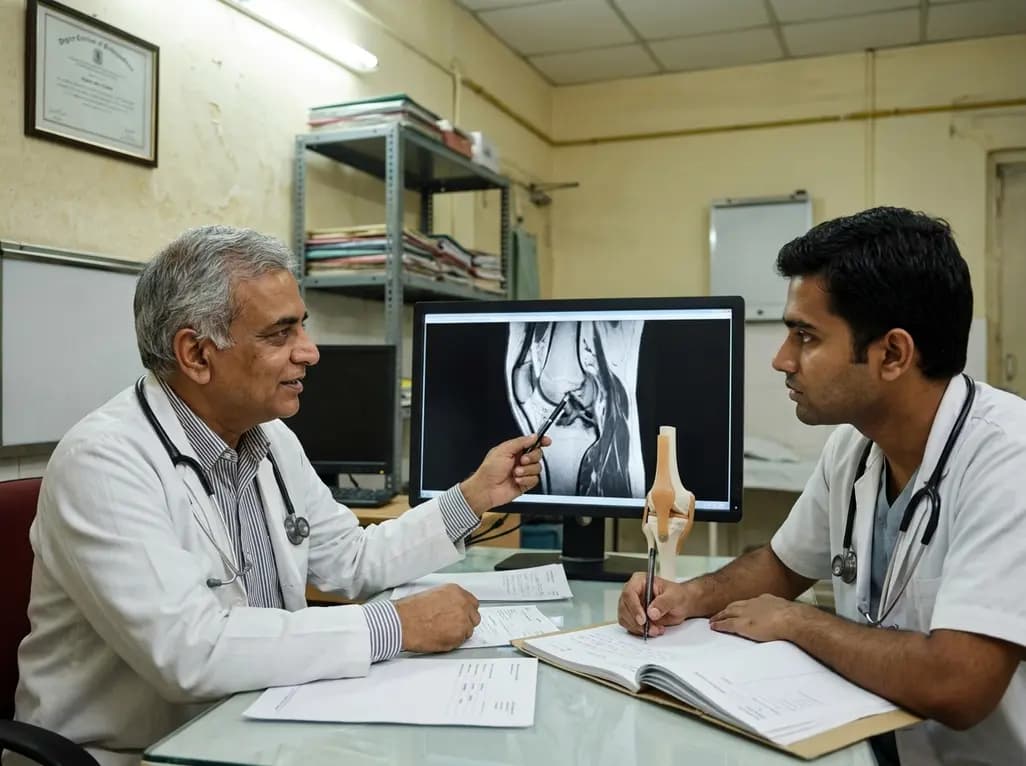
Anterior cruciate ligament reconstruction failure lacks uniform definition. A narrative review proposes an integrative framework incorporating objective and subjective instability, persistent pain, restricted motion, graft rupture, and secondary meniscal injury to standardize clinical reporting.
3 days back

With World Obesity Atlas data warning that over 41 million Indian children are overweight or obese, ICMR and NIN have unveiled a 10-point policy roadmap. The initiative calls for mandatory front-of-pack labeling, HFSS taxes, strict marketing bans, and healthier school environments to curb non-communicable diseases.
Today
