.webp&w=384&q=75)

Loading, please wait...
Loading, please wait...

Trigeminal neuralgia (TN) is often described by patients as an agonizing, electric shock-like sensation that disrupts basic activities like eating or speaking. While pharmacotherapy, primarily involving carbamazepine or oxcarbazepine, serves as the initial line of defense, many patients eventually face medication refractory symptoms. Consequently, understanding the various trigeminal neuralgia surgical options becomes essential for clinicians seeking to restore their patients' quality of life. Traditionally, the choice between invasive and non-invasive interventions has been a subject of significant debate within the neurosurgical community. Specifically, surgeons must decide between the high efficacy of microvascular decompression and the lower morbidity associated with stereotactic radiosurgery. A recent, large-scale meta-analysis published in 2026 provides much-needed clarity on this comparison. By evaluating pooled data from over 8,000 patients, researchers have identified distinct trends in pain relief, recurrence, and safety. These findings are particularly relevant for specialists in India, where the burden of neuropathic pain is high and treatment selection must be both precise and cost-effective. Ultimately, this evidence-based approach helps bridge the gap between clinical observation and standardized surgical practice.
Microvascular decompression (MVD) remains a cornerstone in the surgical management of classic trigeminal neuralgia. This procedure involves a retrosigmoid craniotomy to identify and separate the offending blood vessel from the trigeminal nerve root entry zone. By placing a small sponge or Teflon pad between the vessel and the nerve, the mechanical compression is permanently relieved. Notably, MVD is considered a physiologic treatment because it addresses the root cause of the pain without damaging the nerve itself. Furthermore, clinical experience shows that the relief provided by MVD is often immediate and robust. However, this procedure is significantly more invasive than its alternatives, requiring general anesthesia and a short hospital stay. Despite the surgical nature, it is frequently recommended for younger, healthy patients who seek a definitive long-term solution. The success of MVD depends heavily on the surgeon's ability to identify neurovascular conflict during the operation. Consequently, preoperative high-resolution MRI remains a vital tool for predicting outcomes. While the risks of surgery are not negligible, the potential for a medication-free life makes MVD a highly attractive option for those suffering from refractory neuralgia.
Gamma Knife Surgery (GKS) represents a major shift toward non-invasive stereotactic radiosurgery for facial pain disorders. Instead of a surgical incision, GKS utilizes focused beams of radiation to target the trigeminal nerve root entry zone, inducing a focal lesion that disrupts pain transmission. Therefore, this approach is often the preferred choice for elderly patients or individuals with significant medical comorbidities that preclude general anesthesia. One of the primary advantages of GKS is the absence of immediate surgical complications like cerebrospinal fluid leaks or infections. However, the analgesic effect of radiation is not instantaneous; most patients experience a delay of weeks or even months before realizing full pain relief. Additionally, while GKS is safer in the short term, it is associated with a higher risk of late-onset facial numbness compared to microvascular decompression. Practitioners must carefully counsel patients on these trade-offs, emphasizing that GKS is a palliative rather than a restorative procedure. Nevertheless, its role in the multidisciplinary management of trigeminal neuralgia continues to expand, providing a safe alternative for those who cannot undergo major surgery.
When analyzing the efficacy of trigeminal neuralgia surgical options, the 2026 meta-analysis by Fonseca and colleagues provides definitive statistical evidence. The study pooled data from 8,444 patients across eight major trials, finding that MVD was associated with significantly higher rates of pain relief. Specifically, the risk ratio (RR) for achieving a pain-free state was 1.87 in favor of MVD when compared directly with GKS. This suggests that patients undergoing microvascular decompression are nearly twice as likely to achieve complete analgesia. Moreover, the study highlighted a stark difference in recurrence rates. Patients who received GKS were more likely to suffer from pain recurrence, with MVD showing a reduced risk of recurrence (RR 0.32). Furthermore, MVD demonstrated superior outcomes regarding Barrow Neurological Institute (BNI) scores IV and V, which represent persistent or severe pain. Specifically, MVD reduced the risk of these poor outcomes by 35%. These results underscore the superiority of MVD in providing durable, high-quality relief. While both procedures are effective, the magnitude of benefit provided by the direct decompression of the nerve cannot be overlooked in clinical decision-making.
While MVD leads the way in efficacy, the safety profile presents a more complex picture for the treating clinician. According to the updated meta-analysis, MVD is associated with a higher risk of overall complications, including transient neurological deficits, wound issues, and anesthesia-related risks (RR 3.37). In contrast, Gamma Knife Surgery offers a more favorable overall profile regarding major surgical morbidity. However, a specific complication—postoperative numbness—was significantly more common in the GKS group. The data indicates that MVD was linked to a lower risk of persistent facial numbness (RR 0.50) compared to the radiation-based approach. This finding is critical because facial numbness or paresthesia can significantly impact a patient's quality of life, sometimes replacing sharp pain with a bothersome sensory deficit. Therefore, clinicians must balance the risk of acute surgical complications with the long-term risk of sensory disturbances. Notably, the heterogeneity in safety reporting across studies suggests that individual center expertise plays a major role in outcomes. Ultimately, selecting the appropriate treatment involves a careful weighting of these risks against the desired duration and quality of pain relief.
In India, the management of trigeminal neuralgia requires an individualized approach that considers patient demographics and resource availability. Both MVD and GKS are widely available in major neurological centers across the country, with MVD often being more cost-effective for patients in public healthcare settings. Furthermore, Indian neurosurgeons have extensive experience with microvascular decompression, often achieving outcomes that mirror global standards. However, the rise of stereotactic radiosurgery facilities has made GKS a viable option for a larger segment of the aging population. Consequently, the choice between these trigeminal neuralgia surgical options should be guided by a thorough discussion of the patient's long-term goals. For instance, a younger patient might prioritize the high success rate and low recurrence of MVD, while an older patient with cardiac issues might opt for the safety of GKS. Practitioners should also consider the economic impact of repeat procedures, as the higher recurrence rate of GKS might lead to additional future costs. By integrating the findings of the latest meta-analysis into local practice, Indian doctors can offer evidence-based recommendations that optimize both clinical success and patient satisfaction.
Recovery after MVD typically requires a hospital stay of three to five days due to the nature of the craniotomy. Patients usually return to full activity within four weeks. Conversely, Gamma Knife Surgery is an outpatient procedure with virtually no downtime, allowing patients to resume normal life immediately.
According to the 2026 meta-analysis, Gamma Knife Surgery (GKS) is twice as likely to cause persistent postoperative numbness compared to MVD. While GKS avoids immediate surgical risks, the radiation-induced nerve damage often leads to delayed sensory disturbances, which clinicians must discuss during the pre-treatment counseling phase.
Age alone is not a contraindication for MVD; however, overall fitness for general anesthesia is crucial. While MVD offers superior relief, many clinicians prefer Gamma Knife Surgery for elderly patients with significant comorbidities to minimize the risk of surgical complications, despite the higher potential for pain recurrence later on.
Disclaimer: This content is for informational and educational purposes only. It is not intended as a substitute for professional medical advice, diagnosis, or treatment. Always seek the advice of your physician or other qualified health provider with any questions you may have regarding a medical condition. Refer to the latest local and national guidelines for clinical practice.
References
Fonseca PEO et al. Efficacy and safety of microvascular decompression versus gamma knife surgery in patients with trigeminal neuralgia: an updated meta-analysis. Neurosurg Rev. 2026 Jul 08. doi: 10.1007/s10143-026-04373-z. PMID: 42414789.
Zakrzewska JM, Akram H. Neurosurgical interventions for the treatment of trigeminal neuralgia. Cochrane Database Syst Rev. 2021;7(7):CD011466.
Tuleasca C, et al. Gamma knife radiosurgery for trigeminal neuralgia: an international multicenter study. J Neurosurg. 2018;130(2):433-441.

Read summarized clinical updates, watch expert medical content, and earn CME certifications right from your smartphone.
Open your smartphone camera to scan and install.





An updated meta-analysis of 8,444 patients confirms that Microvascular Decompression (MVD) provides significantly higher pain relief and lower recurrence rates compared to Gamma Knife Surgery (GKS) for trigeminal neuralgia, though GKS offers a lower overall complication rate.
Last week
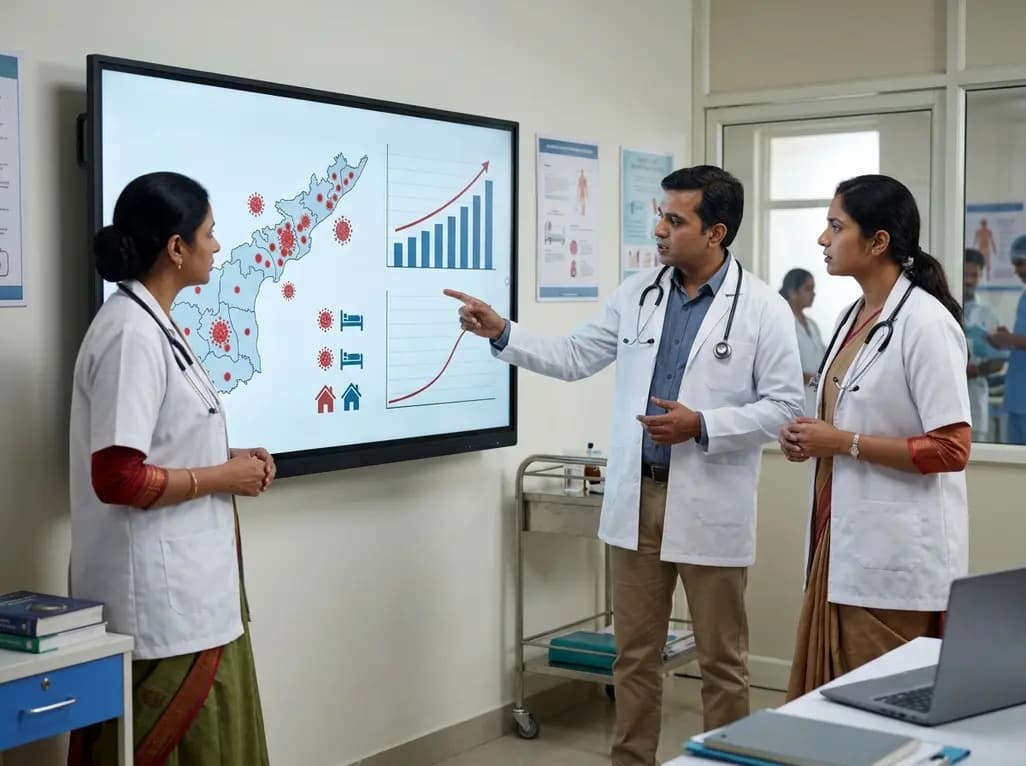
Andhra Pradesh reported 10 new Covid-19 cases, taking the state tally to 49 while deaths remain at four. With 24 patients hospitalized and 16 under home isolation, the Health Department has intensified monitoring. Medical professionals should review regional distribution, diagnostic protocols, and management plans.
Today

An 11-year Swedish registry study of 618 uterine sarcoma patients found that minimally invasive surgery yielded survival comparable to open surgery in early stages. However, adjuvant chemotherapy conferred no survival benefit in localized or advanced disease, highlighting stage and histology as key outcomes.
3 days back

A cross-sectional study evaluates post-intensive care syndrome in cardiac patients 2-4 weeks post-ICU discharge, highlighting cognitive, psychological, and functional impairments and the need for structured multidisciplinary rehabilitation.
3 days back
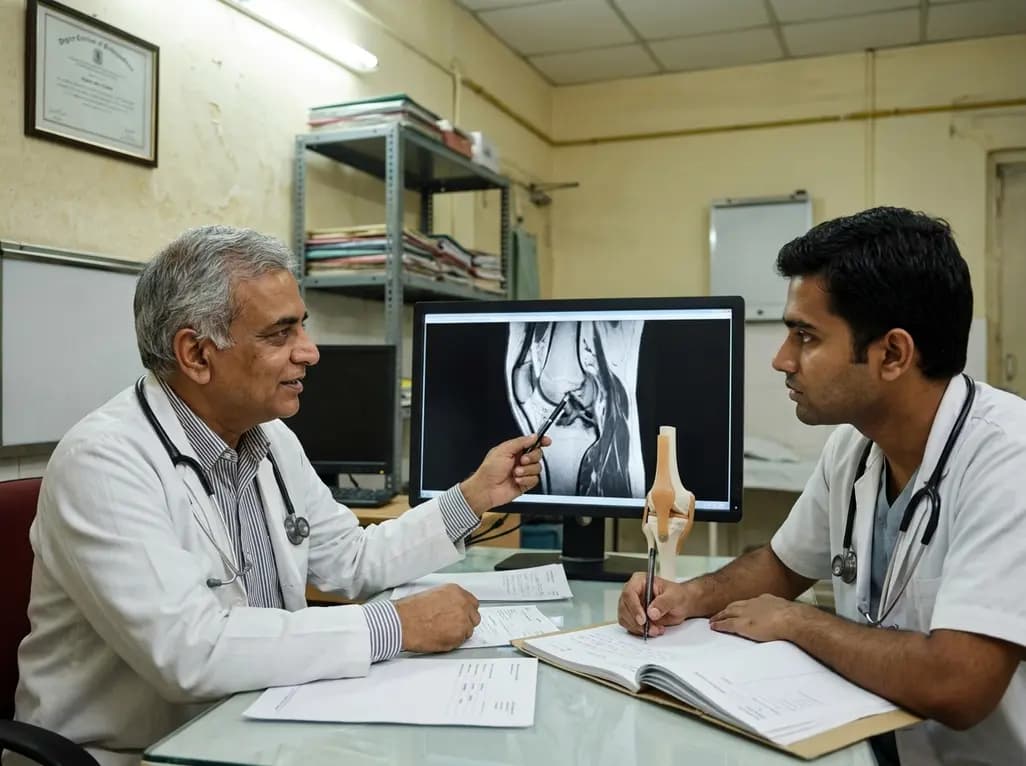
Anterior cruciate ligament reconstruction failure lacks uniform definition. A narrative review proposes an integrative framework incorporating objective and subjective instability, persistent pain, restricted motion, graft rupture, and secondary meniscal injury to standardize clinical reporting.
3 days back
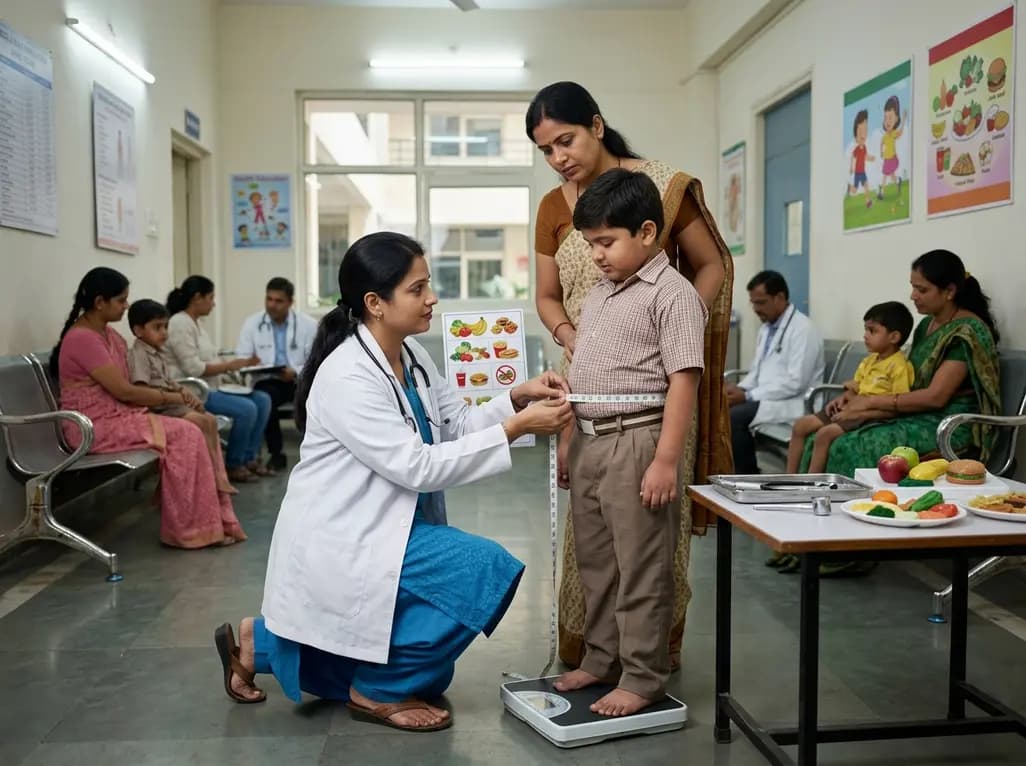
With World Obesity Atlas data warning that over 41 million Indian children are overweight or obese, ICMR and NIN have unveiled a 10-point policy roadmap. The initiative calls for mandatory front-of-pack labeling, HFSS taxes, strict marketing bans, and healthier school environments to curb non-communicable diseases.
Today
