.webp&w=384&q=75)

Loading, please wait...
Loading, please wait...

Muscle-specific kinase myasthenia gravis (MuSK-MG) remains a complex and often severe neuromuscular disorder. Historically, clinicians have viewed this condition primarily as an IgG4-mediated disease. However, recent advancements in diagnostic technology have allowed for a much deeper investigation into the nuances of the immune response. A landmark study conducted on a Greek cohort has significantly broadened our understanding by detailing complex MuSK-MG antibody profiles. This research utilized live cell-based assays to analyze the serological landscape of 140 patients. The findings reveal that the immune response in MuSK-MG is far more heterogeneous than previously recognized, involving a wide array of immunoglobulin classes and subclasses. Consequently, these insights are shifting the diagnostic paradigm from a single-isotype focus to a multi-isotype perspective. Understanding this diversity is essential for neurologists as they manage patients who may present with atypical clinical features or remain seronegative on traditional assays. By characterizing these expanded profiles, we can better appreciate the pathogenic mechanisms that drive neuromuscular junction dysfunction in this patient population.
In the hierarchy of antibodies involved in MuSK-MG, the IgG4 subclass unquestionably remains the most prevalent. The study identified IgG4 in approximately 86% of the Greek cohort, reaffirming its status as the primary driver of the disease. Unlike other IgG subclasses, IgG4 is uniquely characterized by its ability to undergo Fab-arm exchange. This process results in functionally monovalent antibodies that do not cross-link antigens. Instead, these antibodies bind directly to the Ig-like 1 domain of the MuSK protein. This binding effectively blocks the interaction between MuSK and its ligand, the low-density lipoprotein receptor-related protein 4 (LRP4). Because this interaction is vital for agrin-induced acetylcholine receptor (AChR) clustering, its inhibition leads to a failure in neuromuscular transmission. Furthermore, IgG4 is generally non-inflammatory as it does not activate the classical complement pathway. However, its high affinity and persistence at the neuromuscular junction ensure a potent pathogenic effect. Clinicians must recognize that while IgG4 is central, its presence often overlaps with other isotypes, creating a multifaceted immunological environment that influences disease severity and treatment response.
While IgG4 takes center stage, the Greek study highlighted the significant presence of other IgG subclasses. Specifically, IgG1 was detected in 56% of patients, followed by IgG3 in 42% and IgG2 in 30%. These subclasses are divalent and possess the capability to activate the complement system, unlike IgG4. The researchers identified fifteen distinct immunoglobulin combinations within the cohort, suggesting that MuSK-MG is not a monolithic entity. The presence of these divalent antibodies may introduce alternative pathogenic mechanisms, such as antigenic modulation through MuSK internalization or complement-mediated membrane damage. Although these mechanisms are more common in AChR-MG, their role in MuSK-MG is increasingly being explored. Additionally, the co-occurrence of multiple subclasses suggests a polyclonal B-cell response that may evolve over time. This diversity in MuSK-MG antibody profiles could explain the clinical heterogeneity observed among patients, including variations in bulbar involvement and respiratory muscle weakness. Therefore, a comprehensive subclass analysis provides a more detailed biological map of the patient's condition, potentially guiding more tailored immunosuppressive strategies.
One of the most striking findings from the recent Greek cohort analysis is the high prevalence of IgA autoantibodies. Anti-MuSK IgA was detected in nearly 39% of the patients, frequently co-existing with various IgG subclasses. Most notably, four patients at the time of disease onset exhibited only IgA positivity. This discovery is pivotal because traditional radioimmunoprecipitation assays (RIPA) primarily detect IgG, meaning these patients might have been erroneously classified as seronegative. The detection of IgA near disease onset suggests that the mucosal immune system might play a role in the initial triggering of the autoimmune response. Furthermore, IgA reactivity persisted over long periods, even in patients who had undergone extensive treatments. The identification of IgA as a standalone or synergistic isotype expands our diagnostic reach significantly. In clinical practice, if a patient presents with classic MuSK-MG symptoms but tests negative for IgG, testing for IgA could prevent diagnostic delays. This shift emphasizes that the serology of MuSK-MG extends beyond the traditional IgG-centric model, incorporating mucosal immunity into the broader pathological framework.
Achieving an accurate diagnosis in MuSK-MG requires highly sensitive and specific testing modalities. The Greek study compared several techniques and found that the live cell-based assay (L-CBA) outperformed flow cytometry, particularly in detecting IgA. L-CBA utilizes cells that express the MuSK protein in its native, three-dimensional conformation on the cell surface. This approach ensures that the antibodies can bind to the same epitopes they would encounter in the human body. In contrast, fixed assays or flow cytometry might alter the protein structure, potentially leading to false-negative results. The study demonstrated that L-CBA could identify low-intensity signals that were clinically relevant but missed by other methods. Consequently, the adoption of L-CBA in specialized laboratories is becoming the gold standard for investigating complex MuSK-MG antibody profiles. For neurologists in India, where access to advanced diagnostics is growing, utilizing L-CBA can be the difference between a definitive diagnosis and an uncertain clinical path. High sensitivity is especially crucial for patients with low antibody titers or those in the early stages of the disease who may not yet show high levels of IgG4.
Monitoring antibody profiles over time provides valuable insights into the longitudinal course of MuSK-MG and the effectiveness of therapies. The Greek study tracked patients over multiple years and noted that while total IgG levels might fluctuate with treatment, certain components like IgA remained remarkably stable. For instance, in patients treated with rituximab, a B-cell depleting therapy, IgA autoantibodies were found to persist even when B-cell counts were low. This persistence suggests that long-lived plasma cells, which may be less sensitive to rituximab, continue to produce these antibodies. Clinically, this could be a factor in disease relapses or the persistence of symptoms despite apparent biochemical improvement in other metrics. Furthermore, the diverse antibody combinations found in the cohort did not always correlate directly with clinical severity, indicating that the mere presence of an antibody is just one piece of the puzzle. Factors like antibody affinity and epitope specificity also contribute significantly to the disease phenotype. Therefore, clinicians should consider the entire serological profile rather than a single titer when making long-term management decisions and assessing the potential for treatment resistance.
Detecting IgA autoantibodies is crucial because it identifies patients who may otherwise appear seronegative on traditional IgG-focused tests. IgA can occur alone or alongside IgG, potentially contributing to the disease through unique pathogenic pathways. Its persistence even after B-cell depletion therapy suggests that IgA-producing cells might be more resistant to standard treatments, which could influence long-term management strategies and explain lingering symptoms in some patients.
The L-CBA uses live cells to present the MuSK protein in its natural conformation, which preserves the epitopes that antibodies recognize in a living patient. This method is significantly more sensitive than fixed assays or flow cytometry, especially for detecting IgA and low-titer IgG. By providing a more accurate reflection of the patient's immune status, L-CBA reduces the risk of false negatives in clinically suspected cases.
Yes, while IgG4 is the most common subclass, patients can present with other antibody profiles. The Greek study identified several patients who were positive only for IgA at the onset of their disease. Others may have combinations of IgG1, IgG2, or IgG3 without a dominant IgG4 presence. This diversity demonstrates that the disease can be driven by various immunoglobulin isotypes, necessitating a broad serological approach to ensure an accurate diagnosis.
Disclaimer: This content is for informational and educational purposes only and does not constitute medical advice or a professional relationship between the reader and the author. Always seek the advice of a qualified healthcare provider regarding any medical condition. Refer to the latest local and national guidelines for clinical practice.
References
Gkotzamani SN et al. IgG Subclass (IgG1-4) and IgA Autoantibody Profiles Against Muscle-Specific Kinase in a Greek Cohort. Muscle Nerve. 2026 Jun 30. doi: 10.1002/mus.70284. PMID: 42378014.
Huda S et al. IgA autoantibodies demonstrate a novel mechanism of MuSK myasthenia gravis pathology. Brain. 2024;147(6):2145-2158. doi: 10.1093/brain/awae110.
Koneczny I et al. Pathogenic IgG4 subclass autoantibodies in MuSK myasthenia gravis. Ann N Y Acad Sci. 2012;1275:114-122. doi: 10.1111/j.1749-6632.2012.06813.x.

Read summarized clinical updates, watch expert medical content, and earn CME certifications right from your smartphone.
Open your smartphone camera to scan and install.





A comprehensive study of a Greek cohort has revealed that MuSK-MG serology is far more complex than previously thought. Beyond the traditional IgG4 dominance, researchers identified multiple IgG subclasses and a high prevalence of IgA autoantibodies, offering new avenues for diagnosis and treatment monitoring.
3 months ago

An observational study from the NIH All of Us Research Program reveals that adding a multi-ancestry polygenic risk score to machine learning models provides only modest improvements in predicting adult weight gain, underscoring the enduring significance of routine clinical and lifestyle factors.
Today

A study in JAMIA Open shows lightweight open-source reasoning LLMs achieve up to 95% sensitivity and accelerate evidence synthesis screening by nearly twentyfold, presenting a cost-effective, scalable AI solution for biomedical research and systematic reviews.
Today
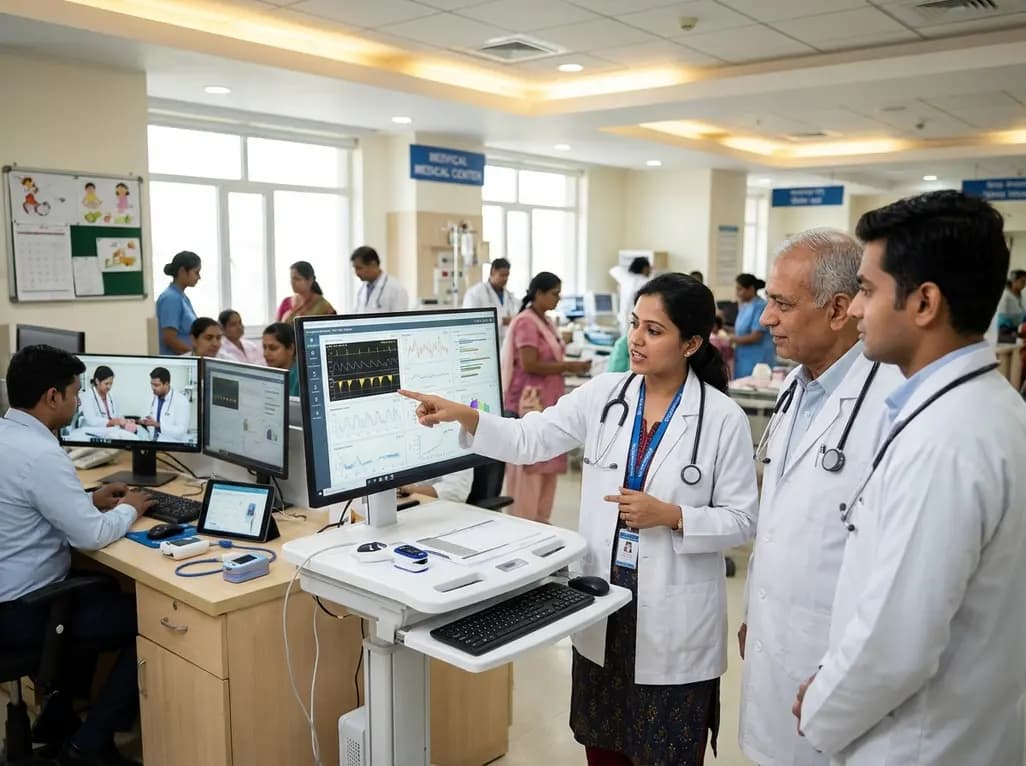
A landmark study details how an enterprise pediatric remote patient management model expanded from a single cardiology pilot to 16 diverse specialty programs by combining centralized digital operations with specialty clinical leadership.
Today
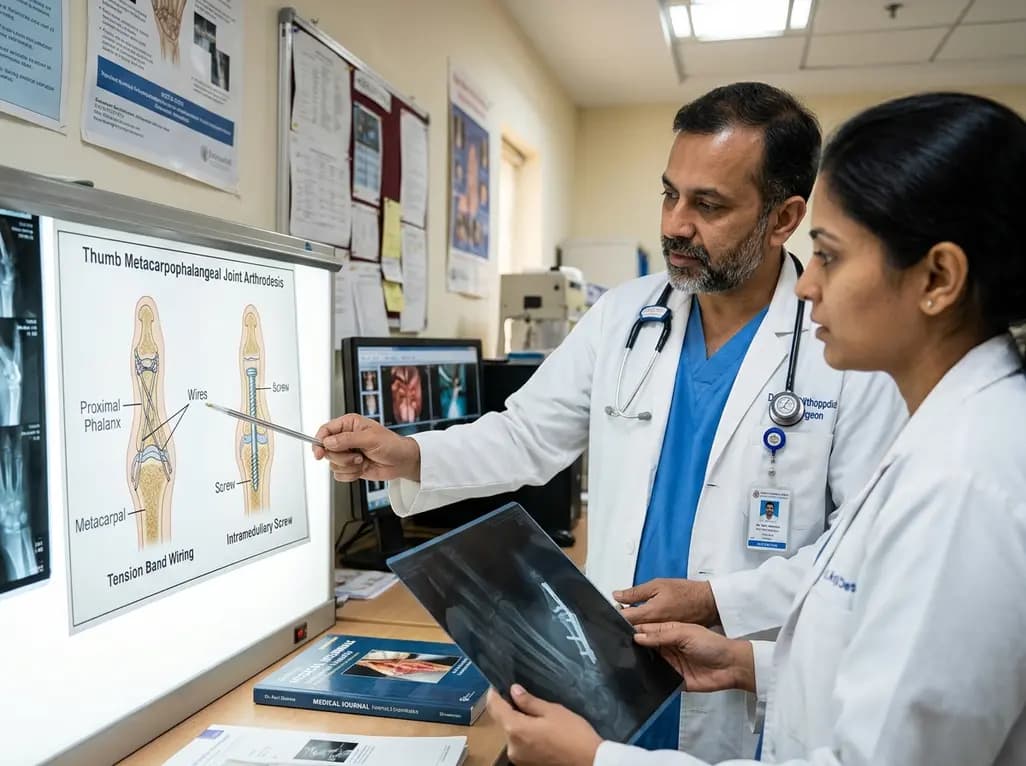
A comparative review of tension band wiring and intramedullary screw fixation in thumb metacarpophalangeal arthrodesis, evaluating union rates, hardware complications, and clinical outcomes.
Yesterday
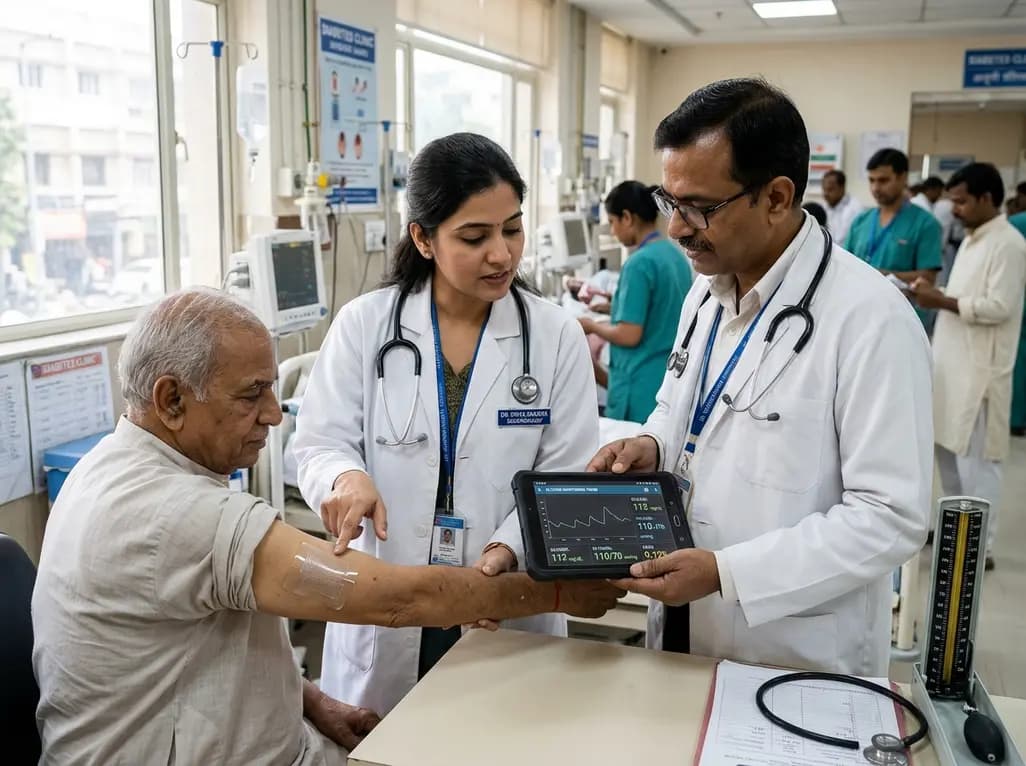
A breakthrough ultrathin multimodal sensor decouples physical hemodynamic monitoring from disposable electrochemical calibration, achieving long-term wearable glucose prediction with 81.36% accuracy and a 9.12% MARD. This offers a robust, drift-free solution for outpatient metabolic surveillance.
Yesterday
