.webp&w=384&q=75)

Loading, please wait...
Loading, please wait...

Multiple sclerosis represents a progressive autoimmune disease of the central nervous system that predominantly impacts young and middle-aged adults during their most productive professional years. Consequently, assessing long-term vocational outcomes and multiple sclerosis income growth provides critical insight into societal and personal disease burden. While physical disability scales capture motor impairments, financial trajectories reflect invisible hurdles like fatigue, cognitive dysfunction, and mood disturbances. Therefore, clinicians must appreciate how neurological decline translates directly into occupational setbacks. A landmark Norwegian cohort study examined decades of registry data to delineate these socioeconomic patterns. The investigators compared people living with multiple sclerosis against matched general population controls. Interestingly, the researchers observed that earning divergence begins earlier and progresses more aggressively than previously realized. Furthermore, distinct sex disparities govern these employment losses. Because sustained employment underpins mental health, quality of life, and treatment adherence, these findings provide actionable perspectives for contemporary neurorehabilitation.
The Norwegian cohort demonstrated clear sex differences regarding when and how multiple sclerosis income growth falls behind control baselines. Specifically, men with multiple sclerosis experienced an initial departure in earning trajectory at an average age of 49 years. In contrast, women with multiple sclerosis did not demonstrate a measurable divergence from control peers until age 55. Moreover, the subsequent trajectory revealed contrasting lifetime dynamics between the sexes. For male patients, the income deficit widened relentlessly throughout their working careers. Conversely, female patients demonstrated a compensatory pattern, partially narrowing the gap with controls near traditional retirement age. Although absolute income shortfalls remained higher for men starting at age 50, the sex gap reached statistical significance only after age 60. Accordingly, male patients endure prolonged, cumulative financial disadvantages during prime earning decades. Recognizing these specific vulnerabilities allows occupational therapists and healthcare teams to tailor socioeconomic guidance before irreversible career abandonment occurs.
Evaluating financial trajectories from the exact time of diagnosis exposes immediate occupational disruptions. Following clinical confirmation, the rate of multiple sclerosis income growth decelerated markedly across both sexes relative to controls. However, the temporal latency differed between men and women. Male patients demonstrated a statistically significant wage deficit merely two years after diagnosis. Meanwhile, female patients maintained parity for five years before recording noticeable income erosion. By six years post-diagnosis, the average financial penalty suffered by men doubled the losses experienced by women. Although this sex ratio did not reach formal statistical significance, the clinical trend suggests acute occupational vulnerability among males. Men frequently occupy physically demanding roles that tolerate less neurological compromise. Alternatively, gendered workplace expectations may discourage male workers from requesting necessary job modifications. Consequently, early disease management protocols should incorporate vocational assessments immediately following diagnosis rather than waiting for obvious physical deterioration.
Several underlying pathophysiological and clinical mechanisms drive the decline in multiple sclerosis income growth. Multiple sclerosis causes episodic relapses along with gradual, insidious progression independent of relapse activity. As a result, subtle symptoms frequently erode workplace efficiency years before ambulatory impairment manifests. For example, severe central fatigue affects up to eighty percent of patients, significantly diminishing sustained executive stamina. Furthermore, cognitive deficits involving processing speed, working memory, and multi-tasking impede complex professional duties. In addition, secondary symptoms including chronic neuropathic pain, spasticity, bladder urgency, and depression compound functional limitations. Because men generally exhibit higher rates of primary progressive disease and faster neurodegenerative accrual, their functional capacity often declines more precipitously. Unfortunately, traditional clinical visits frequently prioritize physical milestones on disability scales while overlooking subtle workplace difficulties. Clinicians must actively monitor these hidden burdens to prevent premature withdrawal from the workforce.
Mitigating the long-term penalties on multiple sclerosis income growth requires comprehensive, multidisciplinary intervention. First, early initiation of high-efficacy disease-modifying therapies effectively curtails relapse frequency and slows brain volume atrophy. Consequently, modern therapeutic regimens safeguard cognitive reserves and preserve vocational performance. Second, structured neurorehabilitation should integrate occupational therapy focusing on ergonomic modifications, task restructuring, and cognitive pacing. Moreover, employers must provide reasonable accommodations, including flexible working hours, remote options, and shaded rest periods. Health systems should also facilitate timely psychological support to address depression and burnout before employment termination occurs. Additionally, social workers can guide patients through workplace protection laws, disability insurance benefits, and vocational retraining programs. Thus, preventing economic deterioration requires collaborative action uniting neurologists, rehabilitation therapists, mental health specialists, and occupational policymakers.
While the Norwegian study reflects a well-resourced Scandinavian welfare framework, the implications carry urgent resonance across diverse international healthcare systems. In regions lacking robust disability pensions and universal sick leave, the loss of multiple sclerosis income growth can precipitate catastrophic household poverty. Furthermore, patients in emerging economies frequently face substantial out-of-pocket expenses for disease-modifying drugs, symptomatic treatments, and routine neuroimaging. When breadwinners experience premature career termination, families face simultaneous financial shocks of vanishing wages and mounting healthcare expenditures. Therefore, healthcare providers in these resource-constrained settings must champion early disease control to safeguard earning potential. Simultaneously, public health authorities must recognize multiple sclerosis as an urgent socioeconomic priority, not merely a medical challenge. Ultimately, investing in early diagnosis, accessible therapies, and proactive workplace protections yields substantial socioeconomic returns by maintaining productivity and reducing lifetime dependency.
Multiple sclerosis markedly reduces lifetime income growth compared to healthy peers. Progressive neurological disability, profound fatigue, and cognitive impairments diminish working capacity. Consequently, individuals frequently reduce working hours, shift toward lower-paying roles, or experience premature workforce exit, leading to cumulative earnings losses across their careers.
Men often present with more aggressive disease phenotypes, including higher frequencies of progressive multiple sclerosis and faster neurodegeneration. Additionally, men disproportionately occupy manual or rigid occupations that accommodate physical limitations poorly. These combined biological and workplace factors accelerate early income divergence following diagnosis.
Preserving vocational longevity requires prompt initiation of high-efficacy disease-modifying therapies to halt disability accrual. Furthermore, teams should implement early occupational therapy, cognitive rehabilitation, and workplace adjustments. Addressing hidden symptoms such as fatigue, depression, and heat sensitivity ensures sustained professional productivity and financial stability.
Disclaimer: This content is for informational and educational purposes only... Refer to the latest local and national guidelines for clinical practice.
References
Høgset A et al. Differences in Income Growth Between People With Multiple Sclerosis and Controls: A Norwegian Cohort Study. Eur J Neurol. 2026 Jun. doi: 10.1111/ene.70638. PMID: 42206857.
Murley C, Tinghög P, Karampampa K, Hillert J, Alexanderson K, Friberg E. Earnings among people with multiple sclerosis compared to references, in total and by educational level and type of occupation: a population-based cohort study at different points in time. BMJ Open. 2019;9(7):e028849.
Bebo B, Cintina I, LaRocca N, Ritter L, Talente B, Hartung D, et al. The economic burden of multiple sclerosis in the United States. Neurology. 2022;98(18):e1810-e1817.
Leray E, Casey R, Husson M, et al. Impact of multiple sclerosis on employment and income: Insights from a random sample representative of private sector employees in France using longitudinal administrative data. Rev Neurol (Paris). 2024;180(4):302-311.

Read summarized clinical updates, watch expert medical content, and earn CME certifications right from your smartphone.
Open your smartphone camera to scan and install.





A nationwide Norwegian cohort study reveals distinct disparities in multiple sclerosis income growth between men and women. Men experience earlier income divergence and accelerated wage stagnation post-diagnosis compared to women, underscoring critical targets for early clinical and occupational interventions.
Today

Bacteroides thetaiotaomicron utilizes an intricate multiprotein extracellular relay and outer membrane vesicles for cobamide scavenging in the human gut. This review examines its transport mechanics, riboswitch regulation, and potential clinical implications for host-microbe vitamin competition and nutrient absorption.
Today

Novel preclinical research demonstrates that antisense oligonucleotides targeting essential genes such as DARS1, DYNC1I2, and EIF2S3 selectively induce apoptosis in ovarian and lung cancer cells. Conditional biomarker activation provides a viable strategy to spare normal tissue while overcoming therapy resistance.
Today
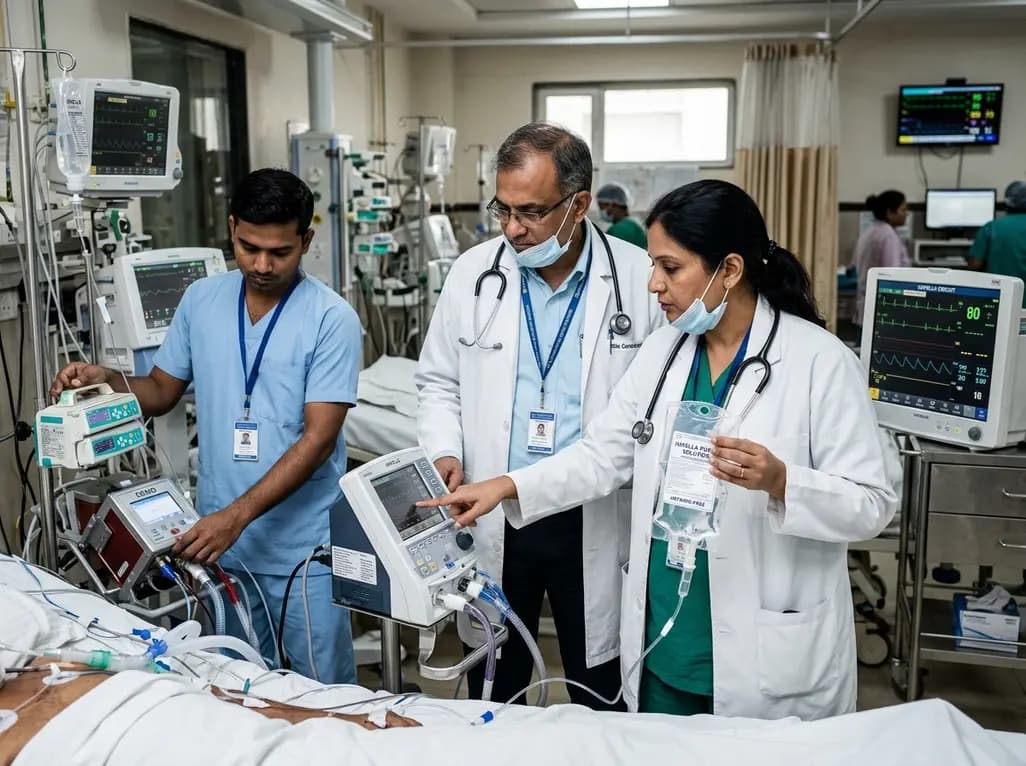
This clinical analysis examines heparin-free versus heparin-containing Impella purge solutions in patients receiving concomitant ECMO support (ECPELLA). Evidence suggests anticoagulant-free purges maintain device patency while reducing bleeding risks, offering a viable strategy alongside systemic anticoagulation.
Today

A 10-year Markov state-transition model shows minimally invasive tubular decompression dominates open laminectomy for pure lumbar spinal stenosis, yielding 5.95 vs 5.91 QALYs and saving $4,167 per patient through reduced complications and lower index costs.
Today

A preclinical study demonstrates that naringin-loaded phytosomes significantly enhance oral bioavailability and provide neuroprotective efficacy in diabetic neuropathy by dampening inflammation, reducing oxidative stress, and relieving neuropathic pain.
Today
