.webp&w=384&q=75)

Loading, please wait...
Loading, please wait...

Recent epidemiological research reveals an alarming connection between multimorbidity and suicidal ideation across complex patient populations. Multimorbidity, defined as the coexistence of two or more chronic medical or neuropsychiatric conditions, places immense strain on functional independence. Consequently, affected individuals frequently report worsening despair, diminished quality of life, and progressive psychological fatigue. While clinicians routinely assess individual diagnoses, cumulative disease burdens often trigger profound suicidal thoughts. For instance, concurrent somatic disorders and psychiatric illnesses synergistically amplify emotional distress. However, traditional biomedical models frequently fail to explain why some multimorbid patients develop severe suicidality whereas others remain resilient. Therefore, researchers have sought to clarify intermediate pathways that bridge chronic pathology and self-harm vulnerability. A landmark study evaluating 8,063 post-9/11 veterans investigated this relationship rigorously through advanced epidemiological methods. The findings confirmed that chronic disease clusters substantially elevate suicidal tendencies. Furthermore, the analysis highlighted functional engagement as an essential explanatory factor. Clinicians must therefore look beyond isolated diagnostic codes to understand holistic lifestyle disruptions. By identifying intermediate psychosocial vulnerabilities, multidisciplinary teams can deliver timely targeted interventions. This proactive perspective transforms how primary physicians and psychiatrists safeguard vulnerable individuals enduring multifaceted illnesses.
To characterize heterogeneous patient profiles, the investigators applied latent class analysis to identify distinct disease configurations. The analytical model isolated one healthy reference class and three distinct multimorbidity clusters. Specifically, these problematic clusters included a Mental and Behavioral Health group, a Traumatic Brain Injury and Musculoskeletal Disorder group, and a Polytrauma Clinical Triad with Depression group. Each symptomatic cluster demonstrated significant associations with heightened suicidal ideation compared to healthy peers. Moreover, individuals suffering from combined traumatic brain injuries, persistent pain, and depressive episodes showed exceptionally elevated vulnerability. Chronic physical pain depletes neurochemical reserves, while cognitive deficits impair emotional coping mechanisms. Consequently, patients caught within these symptom clusters experience relentless physiological stress and functional decline. Furthermore, sleep disruption and neuroinflammation compound psychiatric vulnerability, accelerating the spiral toward suicidal crisis. Thus, clinical evaluations must transcend single-disease frameworks when treating patients with overlapping somatic and cognitive deficits. Recognizing these specific syndromic clusters enables physicians to identify high-risk patients before acute crises emerge. In addition, early stratification allows multidisciplinary teams to design tailored therapeutic pathways. Ultimately, structured cluster identification provides an indispensable blueprint for effective clinical triage across complex outpatient cohorts.
The pivotal breakthrough of this investigation centers on the mediating mechanism connecting disease burden to suicidal thoughts. Using path analysis, researchers demonstrated that reduced participation in personally meaningful activities significantly mediated this dangerous association. When individuals develop multiple chronic illnesses, physical disability and psychological distress steadily restrict their daily routines. Consequently, patients discontinue social gatherings, creative pursuits, productive employment, and recreational hobbies. This withdrawal strips individuals of their fundamental identity, personal agency, and social connectedness. Furthermore, the loss of valued daily occupations fosters feelings of perceived burdensomeness and profound thwarted belongingness. Psychological theories confirm that these specific negative cognitive states directly accelerate suicidal ideation. Importantly, regular participation in self-selected, value-congruent activities restores purpose, self-worth, and behavioral vitality. Meaningful engagement stimulates positive neurobiological rewards and counteracts chronic depressive rumination. Therefore, the erosion of personal engagement represents a critical therapeutic target rather than a secondary cosmetic symptom. Clinicians should view occupational disengagement as an urgent warning sign of escalating psychological despair. In addition, addressing lifestyle withdrawal directly can effectively disrupt the harmful trajectory from multimorbidity to suicidality across diverse clinical populations.
Translating these empirical insights into clinical workflows requires deliberate interdisciplinary coordination across medical specialties. Clinicians must integrate structured occupational assessments and behavioral activation frameworks into routine chronic disease reviews. For example, therapists can evaluate daily routines using standardized tools like the Meaningful Activity Participation Assessment. Rather than prescribing generic exercise programs, healthcare providers should collaboratively identify activities that reflect each patient's core values and personal history. Subsequently, rehabilitation specialists can adapt physical tasks to accommodate chronic pain, cognitive limitations, or motor impairments. Gradual engagement in modest, enjoyable activities builds self-efficacy and dampens persistent depressive symptoms. In addition, peer-supported group pursuits enhance social integration and alleviate pervasive feelings of isolation. Moreover, primary care teams must maintain close communication with psychiatric professionals and physical therapists during follow-up visits. When medical teams jointly prioritize purposeful living, patients experience tangible psychological rejuvenation despite enduring somatic conditions. Therefore, incorporating structured occupational goals directly strengthens conventional psychopharmacological and somatic therapies. By systematically rebuilding meaningful daily habits, clinicians empower patients to reclaim self-identity and emotional resilience throughout ongoing care.
These findings offer vital practical implications for medical practice and public health strategies across India. India faces an escalating dual burden of chronic physical non-communicable diseases and common mental disorders. Furthermore, widespread urbanization and shifting familial structures frequently isolate older adults and individuals living with chronic physical disabilities. Primary care doctors and community health workers frequently encounter multimorbid individuals presenting with unexplained somatic complaints. However, busy outpatient consultations often overlook subtle social withdrawal and the cessation of valued daily roles. Consequently, vulnerable individuals slip into severe depression and undetected suicidal ideation without timely therapeutic interventions. Integrating brief screening questions about daily activity participation into primary clinics can bridge this critical diagnostic gap effectively. Moreover, local community organizations, senior day-care centers, and AYUSH-integrated wellness initiatives can provide accessible venues for social re-engagement. Primary care physicians should collaborate actively with psychiatrists, occupational therapists, and family caregivers. This coordinated community-based approach restores meaningful participation while respecting local cultural traditions and family dynamics. Thus, prioritizing purposeful occupational recovery can significantly alleviate suicide risk across diverse Indian clinical populations facing heavy disease burdens.
Multimorbidity causes persistent physical discomfort, cognitive fatigue, and functional limitations that overwhelm normal psychological coping reserves. Additionally, managing concurrent chronic illnesses creates substantial treatment burdens and disrupts social roles. Consequently, patients often experience perceived burdensomeness and hopelessness, which directly escalate the risk of developing active suicidal ideation.
Participating in personally meaningful activities reinforces individual identity, agency, and social connectedness beyond physical illness. Furthermore, goal-directed daily pursuits stimulate positive psychological reward circuits and interrupt negative depressive rumination. By re-establishing self-worth and purpose, regular occupational participation effectively mitigates psychological distress and buffers patients against suicidal thoughts.
Clinicians can use validated screening instruments such as the Meaningful Activity Participation Assessment during standard clinical reviews. Additionally, physicians should ask open-ended questions regarding social participation, hobbies, and personal goals. Identifying functional disengagement allows healthcare teams to collaborate with occupational therapists and prescribe tailored behavioral activation strategies.
Disclaimer: This content is for informational and educational purposes only... Refer to the latest local and national guidelines for clinical practice.
References
Kinney AR et al. Participation in personally meaningful activities mediates the relationship between multimorbidity and suicidal ideation among post-9/11 veterans. J Affect Disord. 2025 Jun 15. doi: 10.1016/j.jad.2025.02.094. PMID: 40024306.
Stickley A, et al. Physical multimorbidity, suicidal ideation, and suicide attempts among adults aged ≥50 years from low- and middle-income countries. J Affect Disord. 2023;327:268-275.
Zhao F, et al. The relationship between multimorbidity and suicidal ideation: A meta-analysis. J Affect Disord. 2020;277:402-409.

Read summarized clinical updates, watch expert medical content, and earn CME certifications right from your smartphone.
Open your smartphone camera to scan and install.





A large-scale national cohort study demonstrates that participation in personally meaningful activities mediates the association between chronic multimorbidity clusters and suicidal ideation, highlighting critical clinical targets for proactive occupational engagement and multidisciplinary mental health care.
Today
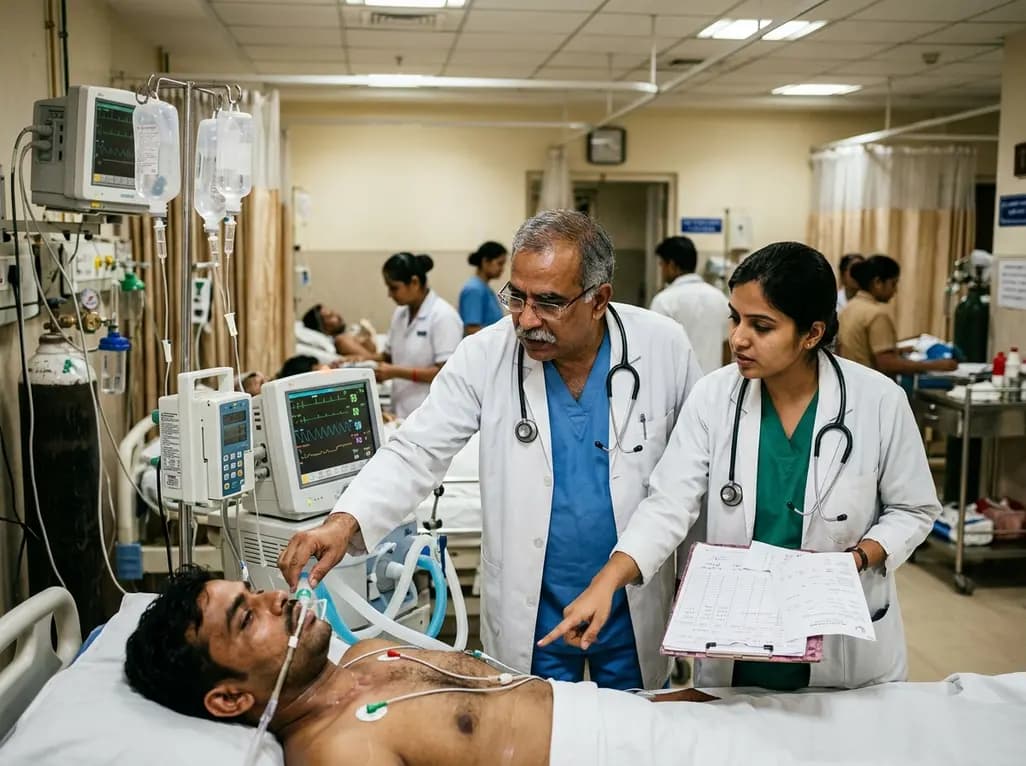
Hantaviruses are emerging zoonotic pathogens causing hemorrhagic fever with renal syndrome and hantavirus pulmonary syndrome. Characterized by severe capillary leakage and thrombocytopenia, these infections require prompt diagnosis, vigilant hemodynamic monitoring, and specialized critical care support.
Today
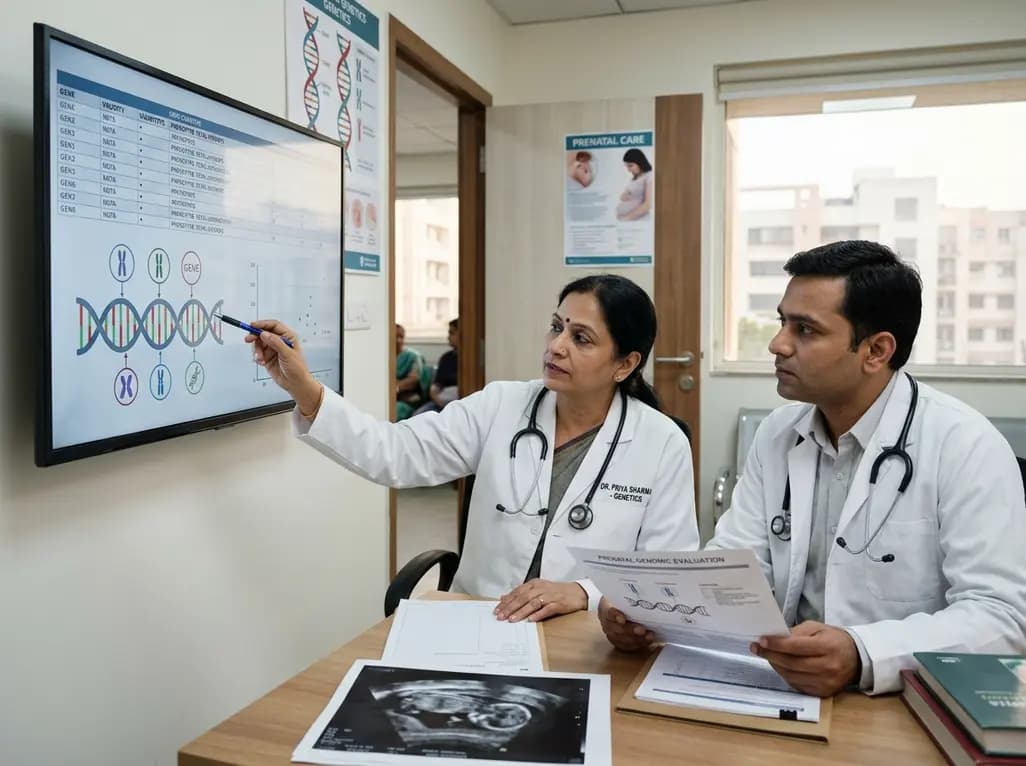
The ClinGen Prenatal Gene Curation Expert Panel evaluated 63 disease relationships across 61 genes, establishing clinical validity for severe fetal phenotypes like hydrops and stillbirth to enhance prenatal genomic interpretation and clinical care.
Yesterday

Managing refractory hypoxemia after cardiothoracic surgery becomes perilous when prolonged air leak limits positive-pressure ventilation. This case-based review details how high-flow nasal cannula, paired with awake rehabilitation, enabled successful extubation and avoided invasive re-intubation.
Today
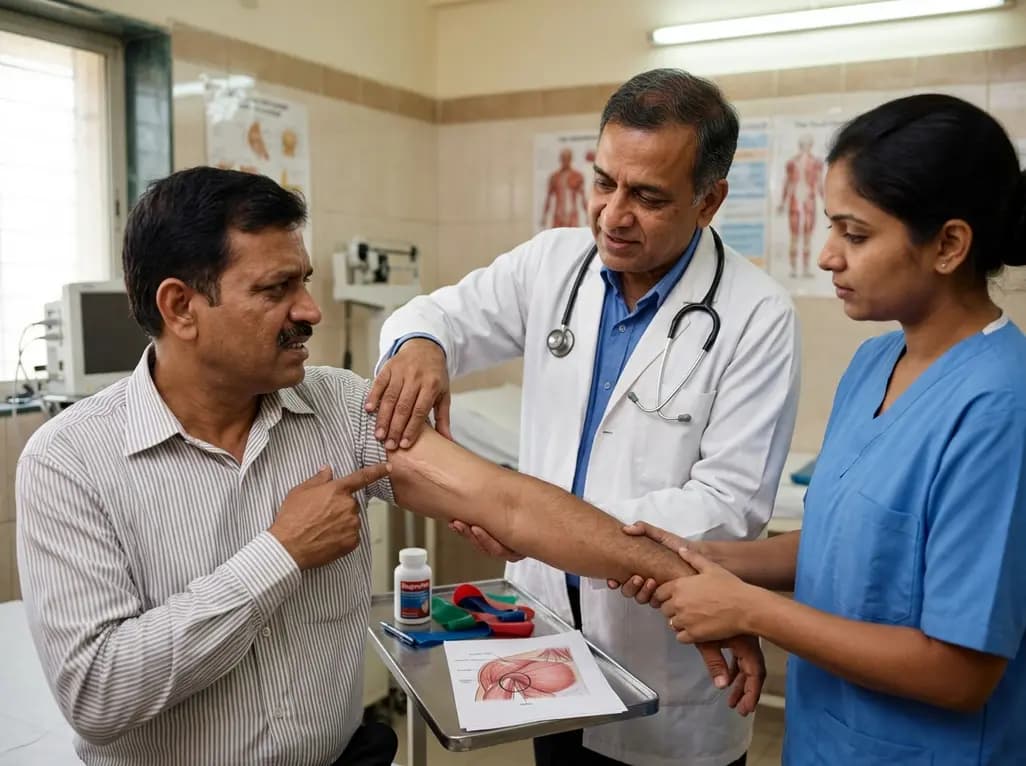
Idiopathic axillary web syndrome (IAWS) is a rare cause of shoulder pain and mobility restriction characterized by palpable axillary cording without prior surgery or trauma. Early diagnosis, nonsteroidal anti-inflammatory therapy, and physical rehabilitation lead to complete resolution of symptoms.
Today

SWEDEPAD-1 trial insights show paclitaxel-coated devices do not improve long-term limb salvage in patients with chronic limb-threatening ischemia and tissue loss. While one-year reinterventions decreased, the devices were linked to a higher risk of major amputation at three months.
Today
