.webp&w=384&q=75)

Loading, please wait...
Loading, please wait...

The ongoing MRI helium shortage is currently creating significant hurdles for diagnostic centers across India. Geopolitical tensions in West Asia have restricted the availability of this essential gas. This disruption directly influences the efficiency and cost of medical imaging services. Consequently, healthcare providers must now navigate rising operational expenses and potential diagnostic delays. Furthermore, facility managers are exploring alternative procurement strategies.
India remains heavily dependent on imports from Qatar for helium. This non-renewable gas is vital for cooling the superconducting magnets within MRI machines. Since helium is a byproduct of natural gas processing, any instability in the Liquefied Natural Gas (LNG) market affects its production. Unfortunately, the current global logistics volatility has made inventories thin. Therefore, hospitals are bracing for tighter supplies as procurement costs rise sharply.
Moreover, the ripple effects extend beyond just imaging. Manufacturers have warned of potential shortages in other medical consumables. These include IV bags, cannula, and syringes. Because most facilities hold only 15 to 20 days of inventory, the risk of a supply gap is high. As a result, the medical technology sector in India is facing a multifaceted crisis that demands proactive management.
To combat the MRI helium shortage, several medtech companies are pivoting toward innovative equipment. Traditional MRI scanners require approximately 1,500 liters of liquid helium. In contrast, new helium-free or \"dry-cool\" technologies use significantly less. For instance, some modern systems are fully sealed and require only a few liters of the gas. This approach minimizes dependency on external supply chains and reduces the risk of service interruptions.
Furthermore, local Indian startups are also entering the fray with domestic imaging solutions. By manufacturing systems that do not rely on large helium volumes, these companies remain insulated from global price spikes. Adopting such technology not only ensures clinical continuity but also aligns with long-term sustainability goals. However, the transition for existing facilities will take time and capital investment.
Q1: Why is helium essential for MRI machines?
Helium is used in its liquid form to cool superconducting magnets to extremely low temperatures. This cooling process is necessary for the magnets to generate the high-intensity magnetic fields required for clear imaging.
Q2: How does the current shortage affect patient care?
The shortage can lead to increased costs for diagnostic scans and potential delays if machines cannot be refilled. In some cases, it may limit the availability of imaging services in smaller centers.
Q3: What are helium-free MRI machines?
These are advanced imaging systems that use sealed magnet technology or alternative cooling methods. They require significantly less helium than traditional machines, making them more resilient to supply chain disruptions.
Disclaimer: This content is for informational and educational purposes only. It does not constitute medical advice or replace professional judgment. Refer to the latest local and national guidelines for clinical practice.
References

Read summarized clinical updates, watch expert medical content, and earn CME certifications right from your smartphone.
Open your smartphone camera to scan and install.





The global helium shortage is disrupting MRI supply chains in India, leading to higher costs. Learn how helium-free MRI technology offers a sustainable path...
7 months ago

A multicenter study from Southeastern Türkiye identified rare alpha-1 antitrypsin deficiency variants, including the homozygous Malton genotype, among COPD patients. Half were never-smokers, highlighting the critical need for comprehensive genetic screening beyond common S and Z alleles.
Today
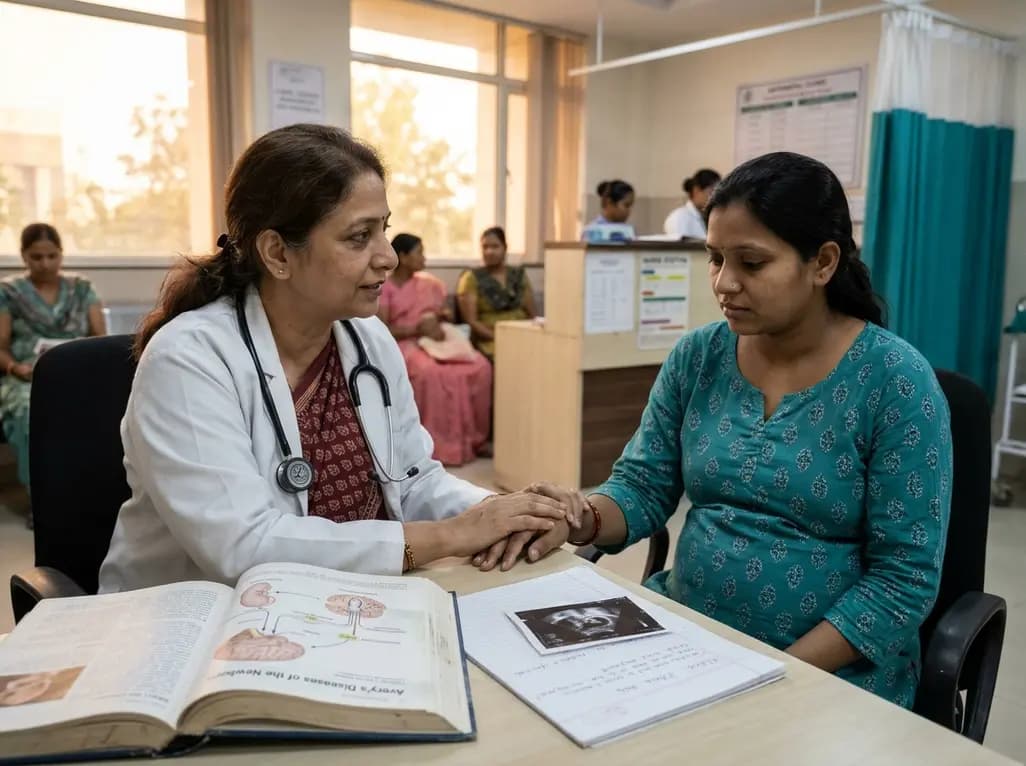
A comprehensive scoping review synthesises evidence linking prenatal maternal mental health to long-term offspring neurodevelopment, evaluating neuroendocrine, inflammatory, and epigenetic pathways while highlighting clinical screening and future research priorities.
Today

The Directorate General of Health Services directs Indian states to halt the hazardous reuse and reprocessing of single-use medical devices. Discover regulatory implications under the Drugs and Cosmetics Act, critical infection risks, legal liabilities, and operational changes required across clinical specialties.
Today
A 25-year multi-institutional cohort reveals high recurrence rates in pediatric giant cell tumor of bone, particularly in patients with open physes and bone marrow edema on preoperative MRI. Early surveillance and careful balance between growth plate preservation and tumor clearance are essential.
Today

India is advancing preventive healthcare by integrating genomics, artificial intelligence, and quantum technologies. With the SANGAM programme sequencing one million Indian genomes, clinicians can unlock personalized therapies, detect cardiometabolic risks early, and curb the burden of diabetes and heart disease.
Today
