.webp&w=384&q=75)

Loading, please wait...
Loading, please wait...

The MP medical education expansion is a critical initiative by the state government to tackle the persistent shortage of healthcare professionals. Deputy Chief Minister Jagdish Devda recently emphasized that strengthening infrastructure remains a top priority. Consequently, the government aims to establish a medical college in every district. This strategy ensures that local students can pursue education within the state. Furthermore, these graduates will contribute directly to the local healthcare workforce after completing their studies.
This initiative significantly improves the availability of doctors in rural and semi-urban areas. Currently, Madhya Pradesh operates approximately 21 government medical colleges, including AIIMS Bhopal. However, new institutions in Sheopur and Singrauli represent the latest additions to this growing network. Additionally, the government plans to use the Public-Private Partnership (PPP) model for further growth. For instance, districts like Dhar, Betul, Panna, and Katni will see new colleges through hospital upgrades. Therefore, residents will benefit from timely treatment and specialized care closer to home.
Specific developments at the Indira Gandhi District Hospital highlight the government's commitment. For example, a new 100-bed ward and a Maternal and Child Health building are now operational. These facilities cost over Rs 24 crore combined. Public Works Department Minister Rakesh Singh noted that these additions will specifically benefit mothers and newborns. Moreover, these upgrades reduce the pressure on higher-level tertiary hospitals. Such local improvements are essential for a robust statewide healthcare system.
Q1: Which districts are proposed for new medical colleges under the PPP model?
The state government has proposed new medical colleges in Dhar, Betul, Panna, and Katni by upgrading existing district hospitals through public-private partnerships.
Q2: How will the expansion impact rural healthcare in Madhya Pradesh?
By establishing colleges in every district, the government ensures that doctors are trained and retained locally, directly addressing the shortage in rural and semi-urban health centers.
Disclaimer: This content is for informational and educational purposes only. It does not constitute medical advice or replace professional judgment. Refer to the latest local and national guidelines for clinical practice.
References

Read summarized clinical updates, watch expert medical content, and earn CME certifications right from your smartphone.
Open your smartphone camera to scan and install.





Madhya Pradesh government expands medical colleges and healthcare infrastructure to resolve doctor shortages and improve rural access to quality treatment....
5 months ago
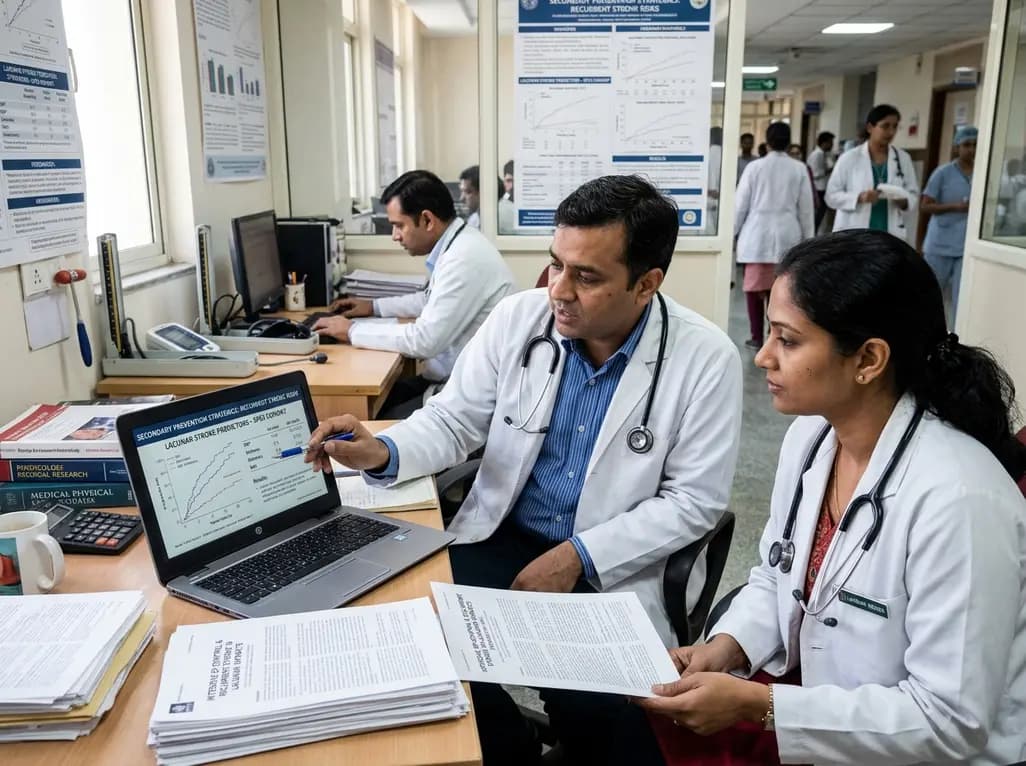
Explore vital recurrent stroke predictors in lacunar stroke patients managed with intensive blood pressure lowering. This analysis examines trial findings from SPS3 to uncover residual vascular risks, metabolic factors, and targeted secondary prevention strategies for high-risk neurological patients.
Today
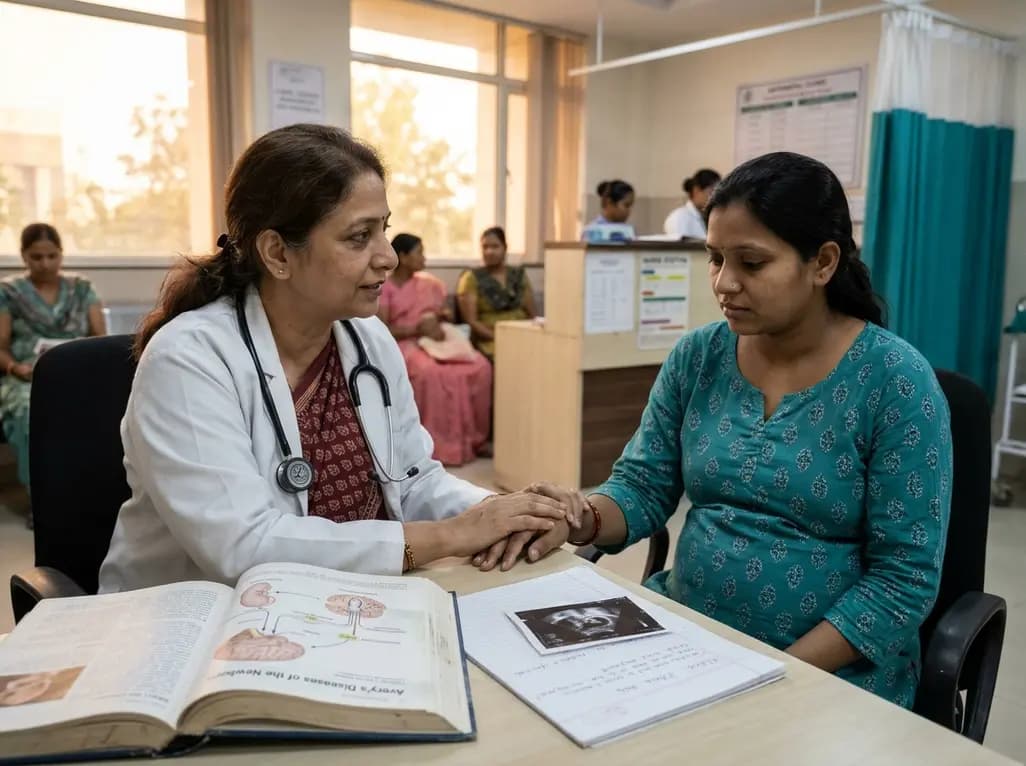
A comprehensive scoping review synthesises evidence linking prenatal maternal mental health to long-term offspring neurodevelopment, evaluating neuroendocrine, inflammatory, and epigenetic pathways while highlighting clinical screening and future research priorities.
Today

The Directorate General of Health Services directs Indian states to halt the hazardous reuse and reprocessing of single-use medical devices. Discover regulatory implications under the Drugs and Cosmetics Act, critical infection risks, legal liabilities, and operational changes required across clinical specialties.
Today
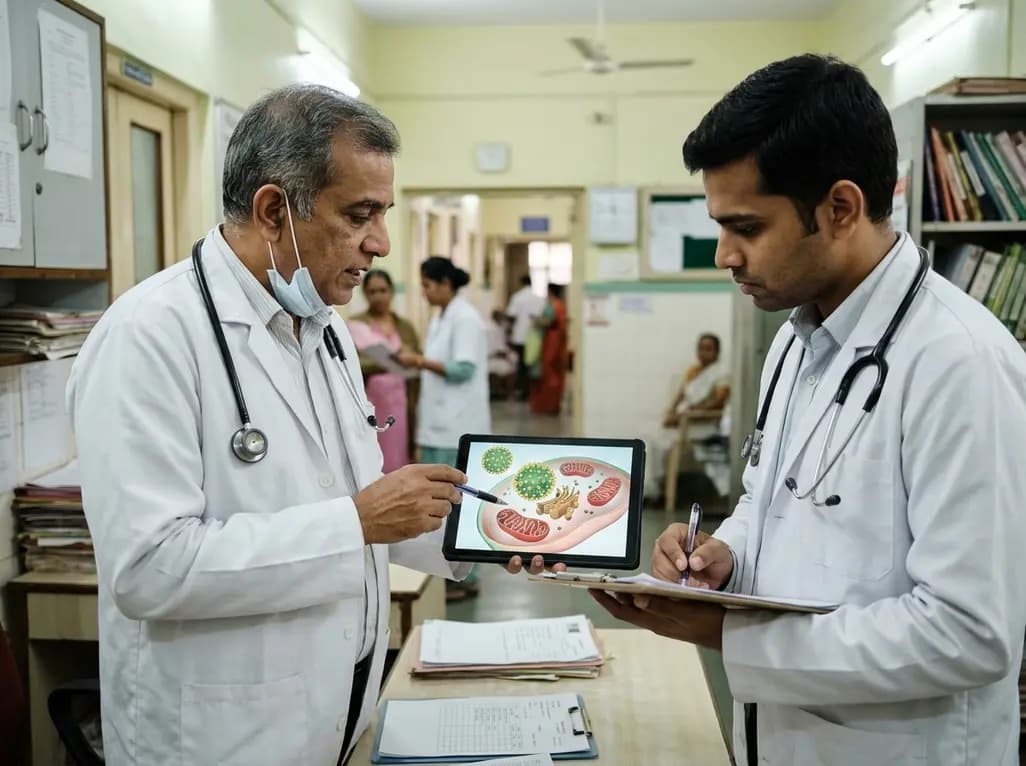
Mitochondria-targeted nanoparticles self-assembled from EGCG and L-glutamic acid effectively restore mitochondrial homeostasis, suppress synovial inflammation, and attenuate chondrocyte senescence in osteoarthritis, offering a promising disease-modifying nanotherapy.
Today

India is advancing preventive healthcare by integrating genomics, artificial intelligence, and quantum technologies. With the SANGAM programme sequencing one million Indian genomes, clinicians can unlock personalized therapies, detect cardiometabolic risks early, and curb the burden of diabetes and heart disease.
Today
