.webp&w=384&q=75)

Loading, please wait...
Loading, please wait...
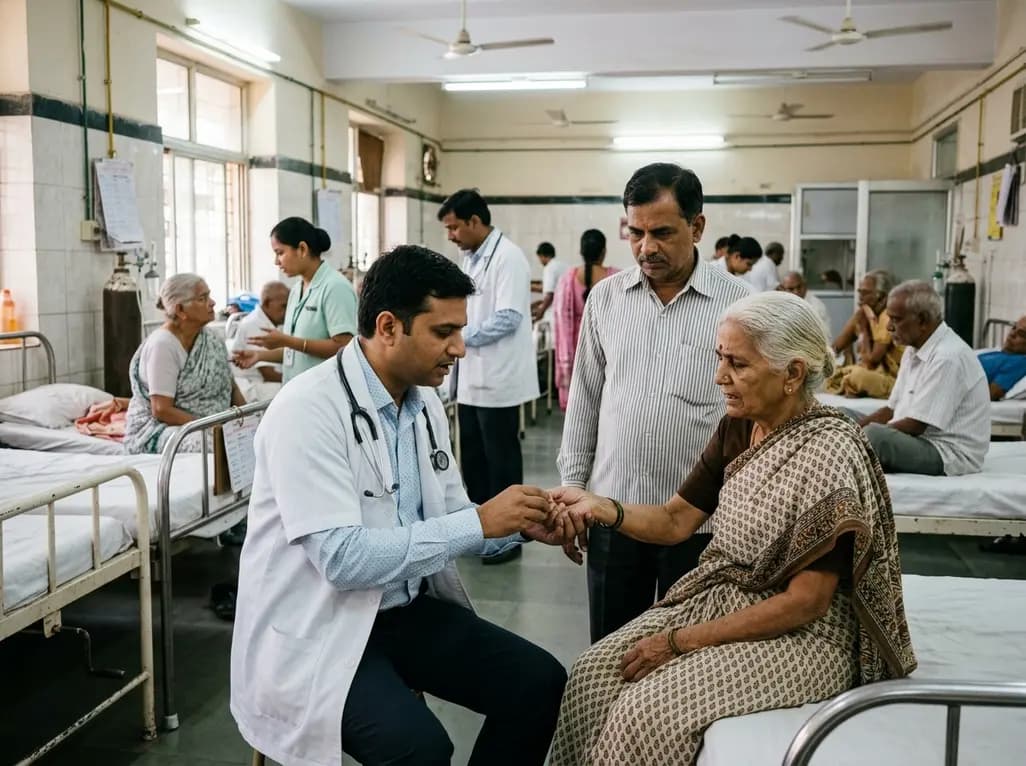
The Motor Neuron Disease Burden represents a multifaceted challenge for modern neurological care. Recent data from the Global Burden of Disease (GBD) Study 2021 highlights a perplexing trend in many regions. Specifically, in China, the age-standardised rates of motor neuron disease (MND) have shown a steady decline over the last three decades. However, the absolute number of cases and disability-adjusted life years (DALYs) continues to rise significantly. This divergence suggests that while individual disease risk might be decreasing, the total societal impact is expanding. This paradox occurs because the population is ageing much faster than the age-specific risk is falling. Consequently, clinicians must prepare for a significant increase in the total volume of patients requiring specialized care. Public health officials often prioritize age-standardised rates to compare different populations. Nevertheless, absolute numbers dictate the actual demand for clinical services and hospital resources. Understanding this distinction is vital for long-term healthcare planning. If we only monitor declining rates, we risk underestimating the infrastructure needed for future neurodegenerative care. Therefore, healthcare policies must adapt to these shifting demographic realities to ensure adequate patient support.
Demographic shifts play a monumental role in the current epidemiological landscape. The GBD 2021 analysis reveals that population ageing accounted for 46% of the increase in the total DALYs associated with MND in China. Additionally, general population growth contributed another 35% to this rising burden. Interestingly, changes in age-specific rates actually mitigated some of this growth, but they could not offset the massive impact of an ageing society. As more individuals reach the age groups most susceptible to neurodegeneration, the total number of MND cases naturally escalates. This trend is particularly evident in middle-to-high-income countries where life expectancy has improved dramatically. Furthermore, the study indicates that age-specific incidence rates in China remain lower than global averages. However, the rapid pace of ageing in the Chinese population creates a unique pressure on the healthcare system. Healthcare providers must recognize that a growing elderly population will inevitably lead to more complex neurological cases. Consequently, there is an urgent need to expand geriatric neurology services to address this demographic tide. By focusing on the absolute burden, we can better align medical resources with the actual needs of the community.
While the absolute Motor Neuron Disease Burden is rising, the decline in age-standardised rates offers a glimmer of hope. This trend suggests that environmental or lifestyle improvements may be reducing the baseline risk of developing MND. For instance, better nutritional standards and reduced exposure to certain toxins might contribute to these falling rates. Nevertheless, these improvements are currently overshadowed by the sheer volume of the elderly population. The analysis showed that the age-standardised prevalence and DALY rates in China have fallen despite the overall increase in total cases. This finding highlights a potential trap for health policy experts who might misinterpret declining rates as a sign of success. In reality, the declining rates are failing to keep up with the demographic shift toward older ages. Moreover, external validation against national epidemiological studies in China confirmed these trends, proving the robustness of the GBD data. It is essential to communicate these findings clearly to clinical stakeholders. If neurologists focus only on the risk per person, they may overlook the increasing workload in their clinics. Therefore, we must balance our understanding of disease risk with the reality of population growth and ageing.
The rising burden of MND necessitates a proactive approach to clinical resource allocation. As the absolute number of patients increases, the demand for multidisciplinary care teams will likely surge. MND requires a comprehensive management plan involving neurologists, respiratory therapists, and specialized nurses. Furthermore, the geographical distribution of these patients might shift as urban populations age more rapidly. Consequently, health systems must ensure that specialized MND centers are accessible to those in need. In addition to clinical care, there is a growing demand for long-term rehabilitation and palliative services. The GBD 2021 study underscores that declining age-standardised rates can mask these growing demands. Therefore, we need to implement better screening and early diagnostic tools to manage the influx of patients efficiently. Significantly, the lower incidence rates in China compared to global estimates suggest that regional factors still play a significant role. These factors might include genetic predispositions or specific environmental exposures. Identifying these regional differences can help in tailoring management strategies to specific populations. Ultimately, the goal is to provide high-quality care that keeps pace with the increasing number of individuals affected by this devastating disease.
Looking ahead, the trends identified in the GBD 2021 analysis suggest that the total Motor Neuron Disease Burden will continue to escalate globally. As demographic ageing accelerates in both developed and developing nations, the pressure on neurology departments will become more intense. Notably, countries like India are also experiencing similar demographic transitions, making these findings highly relevant beyond China. We must prioritize research into the risk factors that are driving age-specific rates down, as this knowledge could lead to better prevention strategies. Moreover, the integration of digital health tools and telemedicine could help manage the increasing patient volume. These technologies allow for more frequent monitoring and support, which is crucial for MND patients. Additionally, international collaboration is necessary to share best practices in MND management and resource optimization. The study serves as a critical warning that healthcare systems must not become complacent due to falling risk rates. Instead, they must prepare for the demographic-driven surge in neurodegenerative diseases. By taking action now, we can develop the necessary infrastructure and workforce to meet the needs of future generations. Consequently, the focus must remain on improving quality of life and ensuring equitable access to advanced neurological therapies.
In summary, the divergence in MND trends highlights a critical era in public health. While we are making progress in reducing individual risk, the challenge of an ageing population remains formidable. We must move beyond simple rate comparisons and focus on the absolute numbers that define our clinical reality. This shift in perspective is essential for building resilient healthcare systems capable of managing the growing neurodegenerative burden. Therefore, we must continue to advocate for increased funding, research, and specialized training in the field of motor neuron diseases.
Population ageing is the most significant factor driving the rise in the total motor neuron disease burden. As more individuals survive into their 70s and 80s, the number of people in the peak age range for MND increases. Even if the individual risk of developing the disease remains stable or declines slightly, the sheer volume of elderly individuals leads to a much higher absolute number of cases and associated disability.
Age-standardised rates may decline due to several factors, including improved environmental health, reduced exposure to neurotoxins, and better general healthcare. These rates adjust for the age structure of the population, providing a look at the underlying risk. However, the study notes that these declines are often not enough to compensate for the rapid increase in the number of elderly citizens, leading to an overall increase in total disease impact.
Neurologists must prepare for a significant increase in the total volume of MND patients, even if they perceive the disease as being no more common than before on a per-person basis. This requires expanding clinical capacity, developing more multidisciplinary care teams, and focusing on geriatric neurology. Clinicians should also be aware that declining age-standardised rates might lead to a lack of administrative awareness regarding the actual growing need for specialized resources.
Disclaimer: This content is for informational and educational purposes only and does not constitute medical advice, diagnosis, or treatment. Always seek the advice of a physician or other qualified health provider with any questions regarding a medical condition. Refer to the latest local and national guidelines for clinical practice.
References
Ji D et al. Diverging trends in motor neuron disease burden in China: an ageing-driven increase despite declining age-standardised rates - a GBD 2021 analysis. Neurol Sci. 2026 Jul 03. doi: undefined. PMID: 42393482.
GBD 2016 Motor Neuron Disease Collaborators. Global, regional, and national burden of motor neuron diseases 1990–2016: a systematic analysis for the Global Burden of Disease Study 2016. Lancet Neurol. 2018;17(12):1083-1097.
Kiernan MC, Vucic S, Cheah BC, et al. Amyotrophic lateral sclerosis. Lancet. 2011;377(9769):942-955.
"
Read summarized clinical updates, watch expert medical content, and earn CME certifications right from your smartphone.
Open your smartphone camera to scan and install.





A recent GBD 2021 analysis reveals a significant rise in the absolute motor neuron disease burden in China, primarily driven by demographic ageing. Despite declining age-standardised rates, the total number of cases and DALYs continues to climb, highlighting growing healthcare demands.
3 months ago

Explore vital recurrent stroke predictors in lacunar stroke patients managed with intensive blood pressure lowering. This analysis examines trial findings from SPS3 to uncover residual vascular risks, metabolic factors, and targeted secondary prevention strategies for high-risk neurological patients.
Today
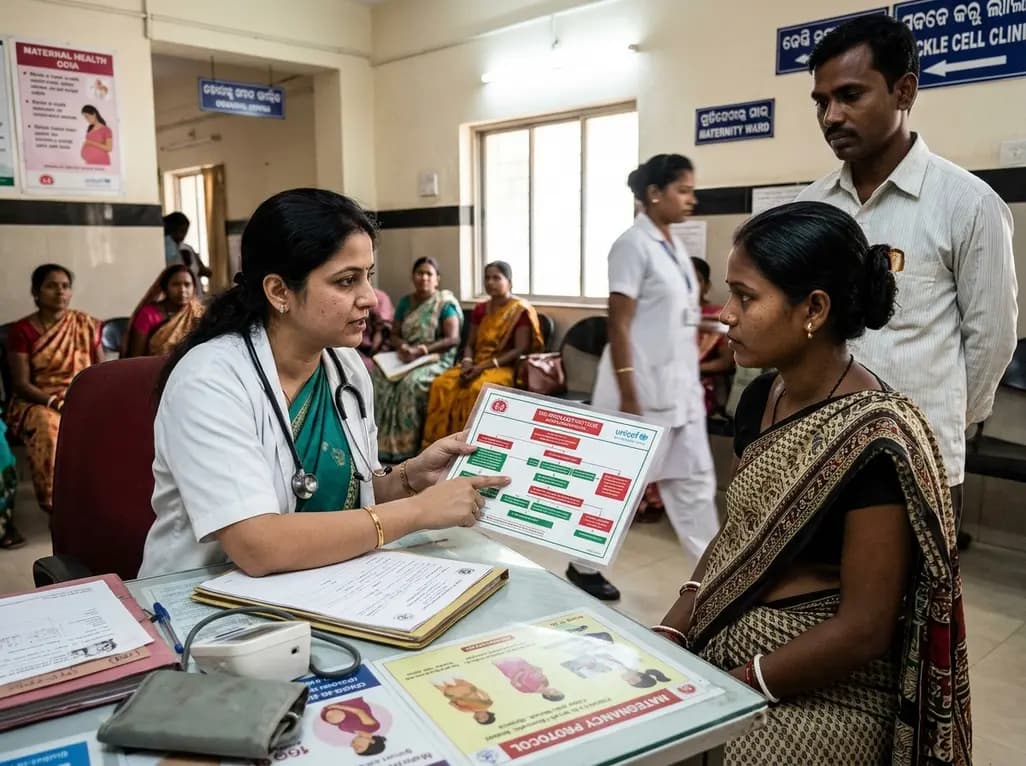
Odisha has established India's first state-level clinical protocol specifically tailored for pregnant women with sickle cell disease. Developed with NHM and UNICEF, the framework provides structured antenatal screening, crisis mitigation, standardized referral pathways, and specialized interdisciplinary care.
Today

India is advancing preventive healthcare by integrating genomics, artificial intelligence, and quantum technologies. With the SANGAM programme sequencing one million Indian genomes, clinicians can unlock personalized therapies, detect cardiometabolic risks early, and curb the burden of diabetes and heart disease.
Today
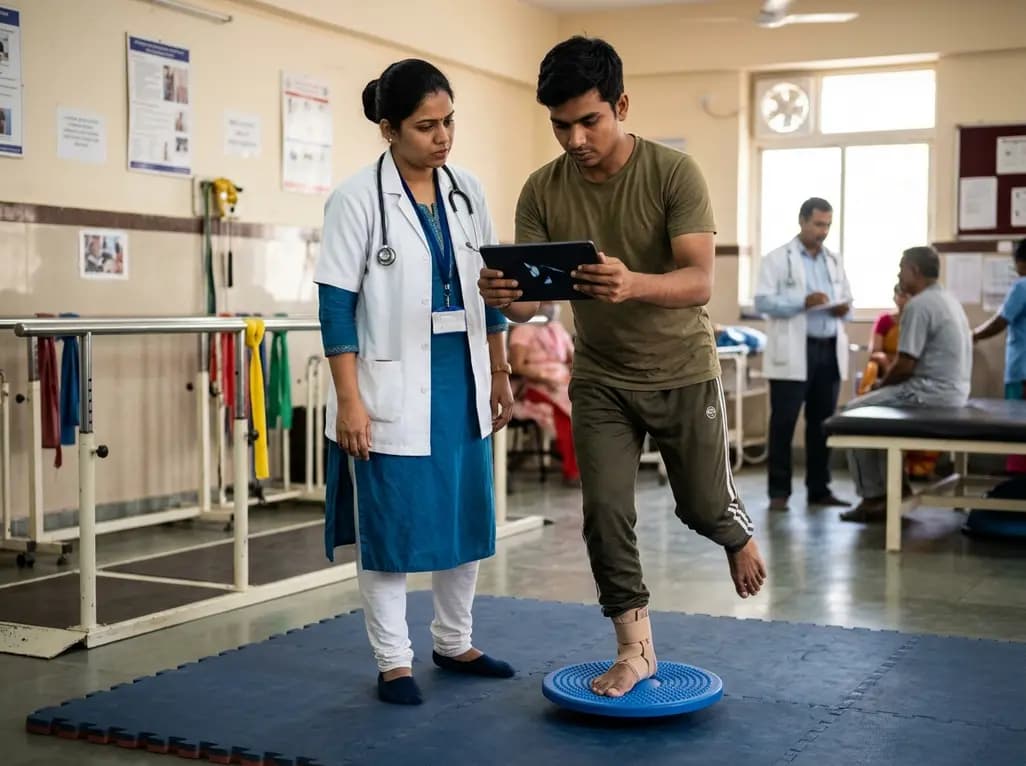
A randomized controlled trial demonstrates that an eight-week dual-task training intervention significantly improves static and dynamic postural control over standard balance exercises in individuals with chronic ankle instability, addressing critical neurocognitive deficits during athletic and daily activities.
Today

A retrospective cohort study of 7,716 ICU patients from the MIMIC-IV database demonstrates that Gradient Boosting Decision Trees significantly outperform traditional SOFA scores in predicting in-hospital mortality among patients with sepsis and diabetes, with SHAP analysis providing clinical interpretability.
Today
