.webp&w=384&q=75)

Loading, please wait...
Loading, please wait...
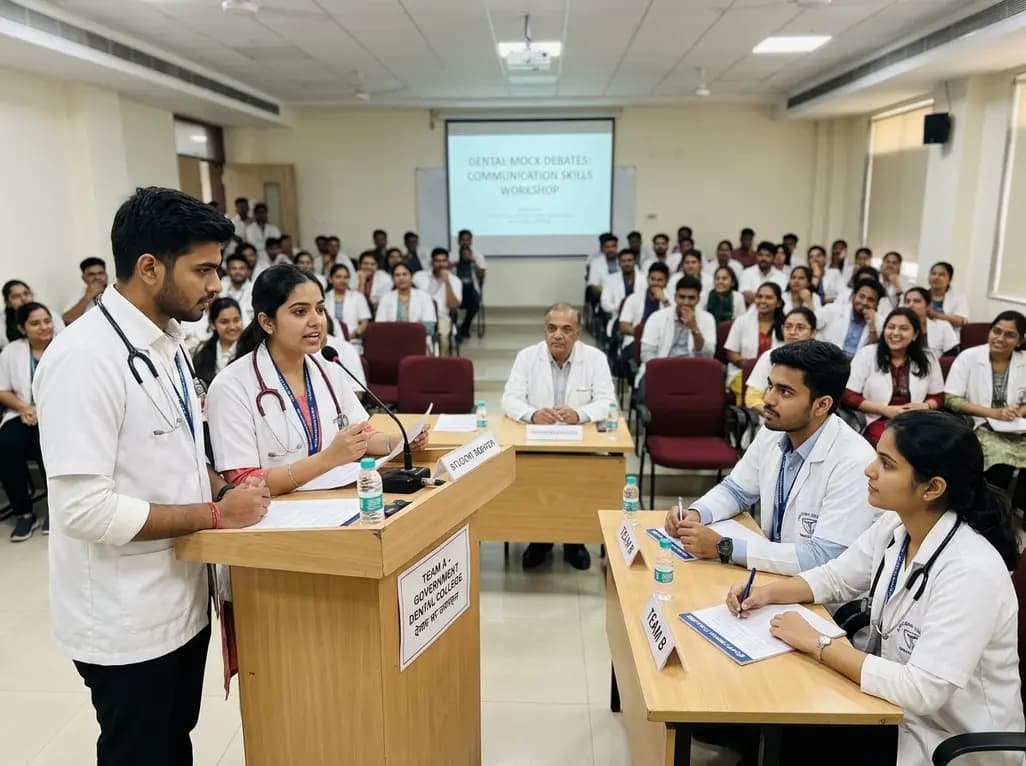
Effective patient-doctor interaction forms the cornerstone of dental practice, directly influencing treatment adherence, diagnostic precision, and overall patient satisfaction. However, modern educational settings increasingly face challenges stemming from heavy digital reliance, which frequently impedes interpersonal dialogue. Consequently, strengthening oral communication skills has become an urgent pedagogical priority across global dental institutions. Traditional didactic lectures often fall short of cultivating spontaneous interpersonal skills, active listening, and persuasive clinical reasoning. To bridge this critical educational gap, innovative experiential learning methods are necessary. Structured classroom debates have emerged as a dynamic approach to foster expressive dialogue, verbal agility, and professional empathy in dental trainees.
Structured academic debates introduce an interactive platform where dental students actively engage with complex clinical and ethical scenarios. By stepping away from passive learning, participants must rapidly synthesize scientific evidence, formulate coherent arguments, and articulate technical concepts clearly. This pedagogical model directly targets oral communication skills by requiring students to adapt their tone, pace, and language to persuasive discourse. Furthermore, regular practice in debating helps students overcome performance anxiety and public speaking hesitation. As future clinicians, dental trainees must regularly explain invasive procedures, negotiate treatment options, and calm apprehensive patients. Therefore, developing verbal clarity and composure under structured conversational pressure prepares them effectively for chairside clinical encounters and interprofessional healthcare collaboration.
Recent qualitative investigations into dental students' experiences reveal four comprehensive themes: interpersonal communication competence, holistic personal growth, comparative educational effectiveness, and implementation challenges. Trainees consistently report significant gains in both verbal delivery and nonverbal communication, including assertive eye contact and responsive body language. Additionally, participants highlight notable improvements in rapid critical thinking, self-confidence, and cooperative teamwork. Rather than replacing established educational strategies, mock debates serve as a synergistic complement to problem-based learning and small-group discussions. Moreover, students note that debating sharpens their ability to listen actively to opposing viewpoints, a vital skill when addressing patient hesitations or managing conflicting clinical opinions in multidisciplinary hospital environments.
Integrating mock debates into dental curricula aligns seamlessly with competency-based medical and dental education frameworks. Contemporary regulatory standards require dental graduates to demonstrate robust communication, professional ethics, and collaborative decision-making alongside technical hand skills. Consequently, embedding structured debates within subjects like community dentistry, oral medicine, and dental jurisprudence provides an ideal vehicle for holistic training. Furthermore, mock debates encourage students to delve deeply into controversial topics, such as artificial intelligence in diagnostics, aesthetic versus functional interventions, and public healthcare equity. As a result, learners not only expand their scientific knowledge base but also cultivate reflective communication styles essential for lifelong clinical practice.
Despite their clear pedagogical advantages, implementing mock debates requires careful operational planning to address common student-reported obstacles. First, overly complex parliamentary debate rules can overwhelm novice participants, shifting focus away from communication training toward procedural compliance. Second, noisy classroom environments and large batch sizes frequently create logistical distractions that impair auditory concentration. Finally, inadequate preparation time can induce unnecessary stress and reduce the substantive quality of arguments. Dental educators can resolve these hurdles by introducing simplified debate formats, establishing quiet simulation rooms, and allocating adequate preparation intervals. Furthermore, providing structured rubrics and peer-evaluation sheets ensures that students focus on clarity, evidence-based reasoning, and respectful discourse throughout the exercise.
To maximize the educational impact of mock debates, faculty members must incorporate iterative practice and timely, constructive feedback. Single, isolated debate sessions provide limited benefit; therefore, repeated longitudinal exposure across different academic years ensures sustained behavioral refinement. Additionally, mentors should deliver balanced evaluations focusing on voice modulation, nonverbal cues, clinical reasoning, and respectful rebuttals. Implementing peer-led feedback sessions also reinforces active listening and evaluative skills among audience members. By fostering a psychologically safe, encouraging environment, dental institutions can empower students to take intellectual risks, refine their expressive abilities, and graduate as articulate, empathetic clinicians ready to lead modern healthcare teams.
Mock debates require active listening, quick synthesis of scientific evidence, and spontaneous verbal articulation under structured time limits. This interactive process strengthens clinical reasoning, reduces public speaking anxiety, and enhances chairside communication, preparing dental students to converse confidently with patients and colleagues.
While problem-based learning focuses primarily on analytical problem-solving and diagnostic discovery, mock debates emphasize persuasive communication, counter-argumentation, and active rebuttal. Combining both methodologies allows dental trainees to master technical knowledge while simultaneously refining their interpersonal expressive abilities.
Common challenges include complex debating rules, noisy environments, large student cohorts, and insufficient preparation time. Faculty can mitigate these issues by adopting streamlined debate guidelines, dividing classes into smaller breakout groups, and offering dedicated research periods.
Disclaimer: This content is for informational and educational purposes only. It is not intended to substitute for professional medical advice, diagnosis, or treatment. Always seek the advice of your physician, dentist, or other qualified health provider with any questions you may have regarding a medical condition. Refer to the latest local and national guidelines for clinical practice.
References
1. Iqbal S et al. Perceptions of Dental Students on the Use of Mock Debates to Enhance Their Oral Communication Skills: An Exploratory Qualitative Study. J Dent Educ. 2026 Aug 24. doi: 10.1002/jdd.70354. PMID: 42635615.
2. Kurtz S, Silverman J, Draper J. Teaching and Learning Communication Skills in Medicine. 2nd ed. CRC Press; 2005.
3. Brown J. How clinical communication skills can foster better patient-dentist relationships. Br Dent J. 2017;223(4):247-251.
4. Hall K. The role of debate in developing critical thinking and communication skills among healthcare trainees. Med Teach. 2021;43(8):912-918.

Read summarized clinical updates, watch expert medical content, and earn CME certifications right from your smartphone.
Open your smartphone camera to scan and install.





Oral communication directly impacts dental care quality. An exploratory study demonstrates that structured mock debates enhance dental students' interpersonal communication, critical reasoning, and teamwork, offering an engaging pedagogical tool to complement modern dental education curricula.
last month
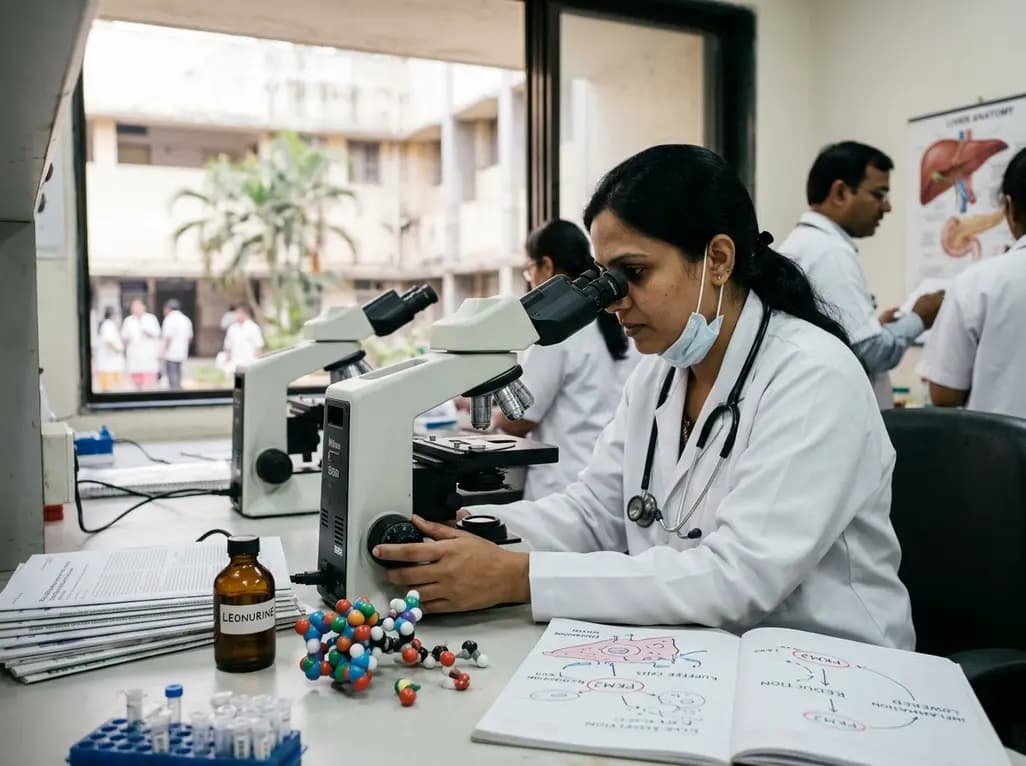
A recent experimental study demonstrates that leonurine attenuates alcoholic hepatitis by suppressing PKM2 and reversing glycolytic reprogramming in hepatic Kupffer cells. This targeted modulation reduces hepatic inflammation and lipid accumulation, offering novel therapeutic avenues for chronic liver injury.
Today
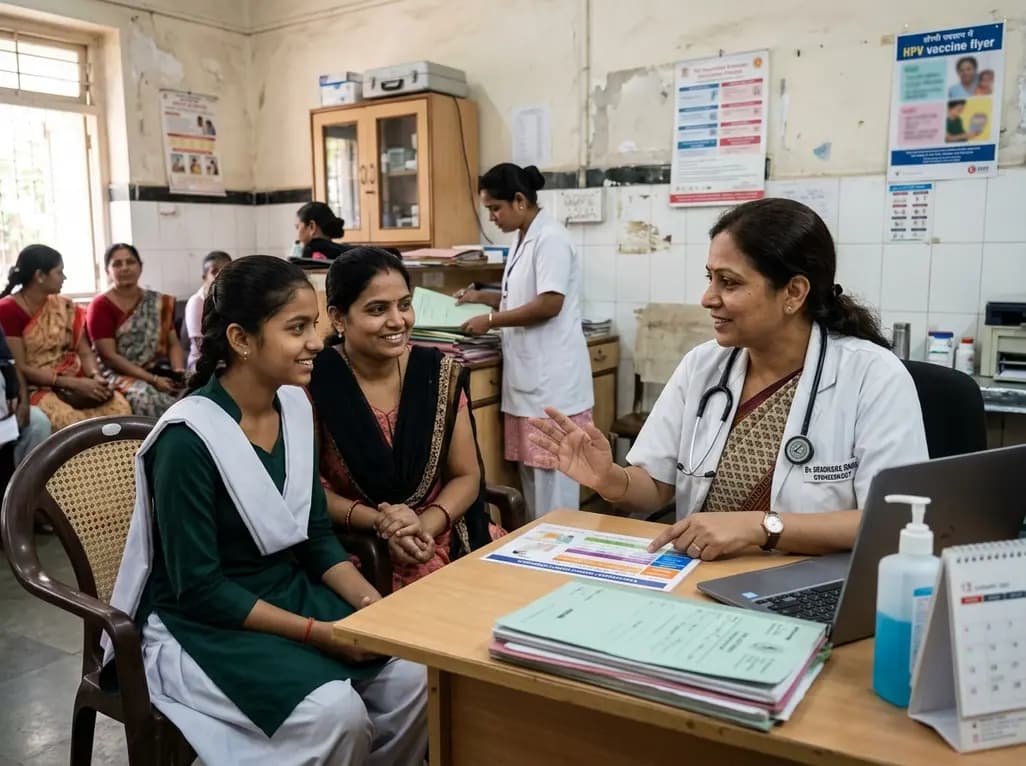
New evidence from Karolinska Institutet shows women vaccinated against HPV prior to conception have significantly lower rates of preterm birth and major perinatal complications. Clinicians in India can leverage these findings to strengthen adolescent immunisation and reproductive health advocacy.
Today
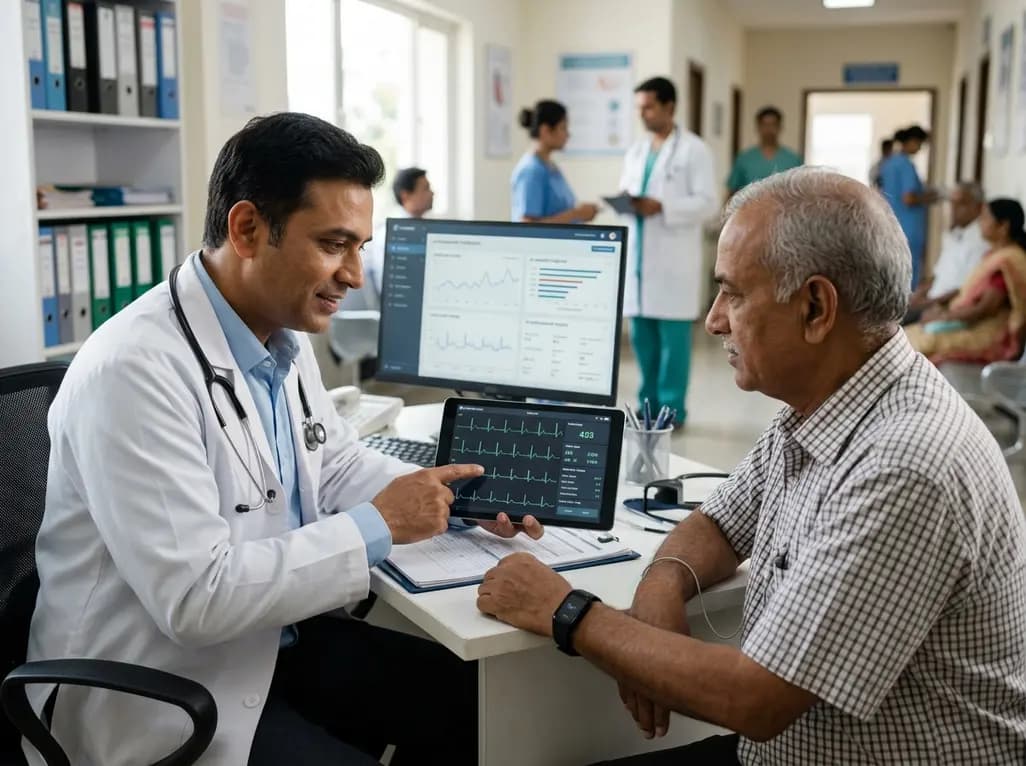
Wearable sensors and remote patient monitoring are shifting cardiovascular care from intermittent clinic visits to continuous physiological surveillance. Artificial intelligence and multimodal biosensors now empower earlier diagnosis and targeted interventions for heart disease.
Today
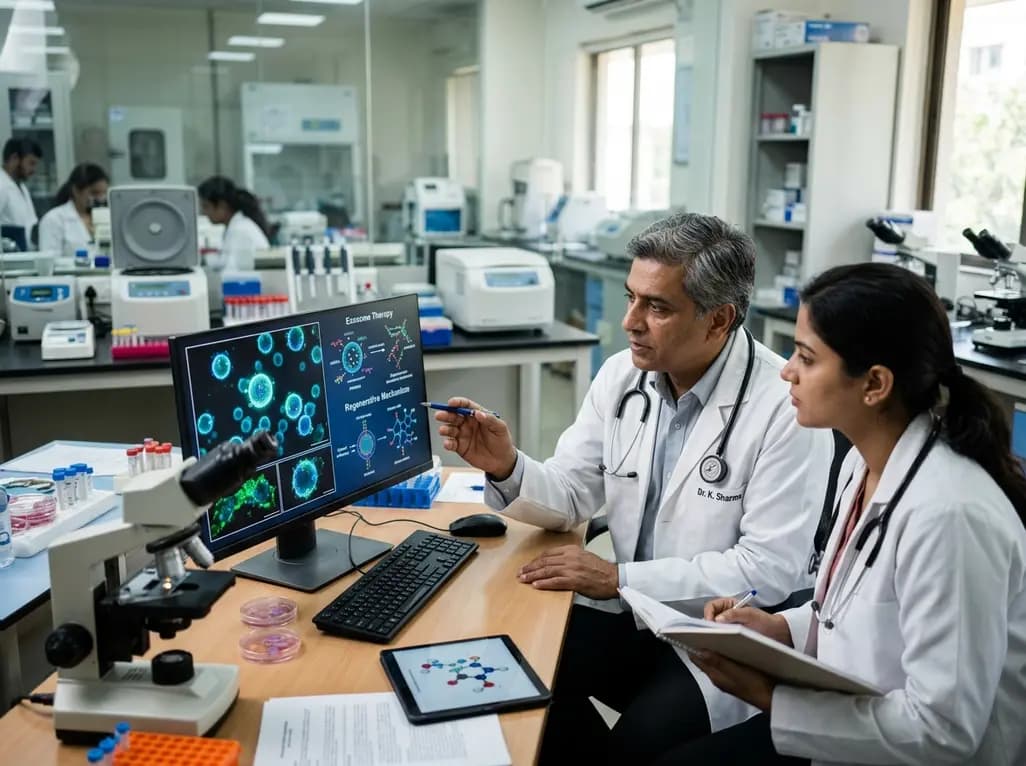
Stem cell-derived exosomes offer a cell-free therapeutic paradigm in regenerative medicine, providing potent immunomodulatory and trophic benefits with minimal immunological risk. Discover their biological cargo, translational hurdles, and clinical implications across disciplines.
Today
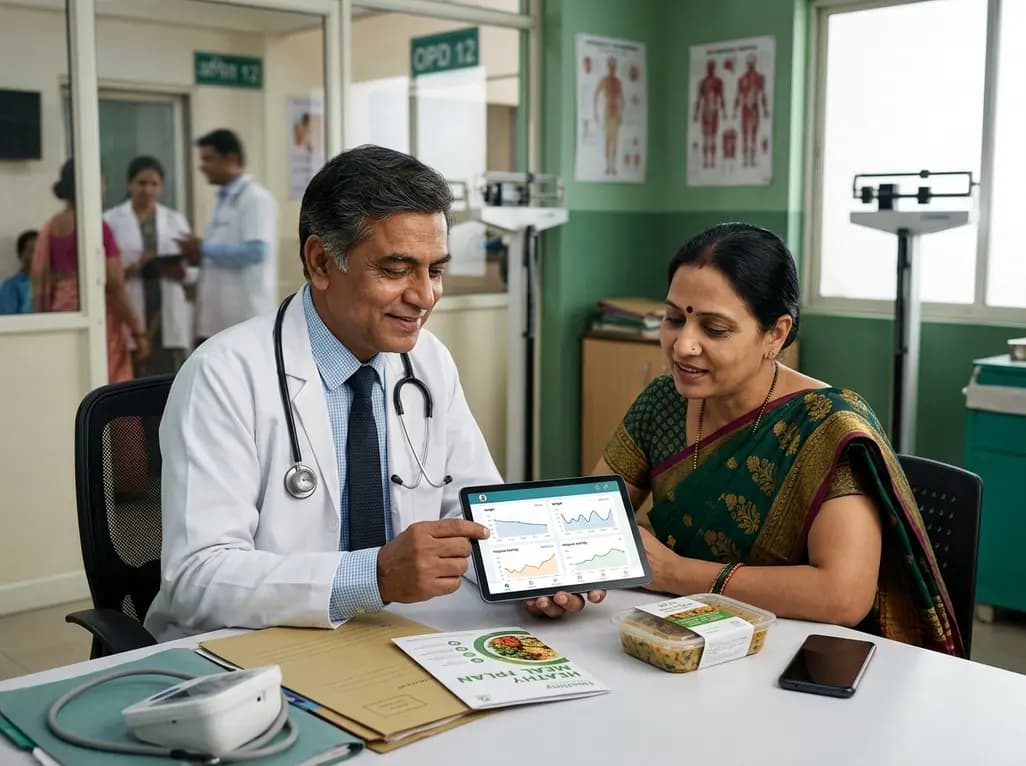
A pilot randomized trial demonstrates that digital wellness applications and medically tailored meals significantly attenuate rapid weight regain following GLP-1 receptor agonist discontinuation, providing valuable transitional support for long-term obesity management.
Today
