

Loading, please wait...
Loading, please wait...

Thoracic malignancies, predominantly advanced non-small cell lung cancer and esophageal carcinoma, impose an extraordinary physical and psychological burden on individuals receiving treatment. While definitive thoracic radiotherapy frequently leads to cumulative fatigue, acute radiation pneumonitis, and severe esophagitis, family caregivers also experience substantial emotional strain and distress. Integrating an evidence-based mobile yoga app into routine supportive oncology offers a scalable pathway to mitigate these debilitating symptoms. Digital mind-body solutions empower patients and caregivers together within their home environments.
Historically, supportive oncology trials have delivered yoga interventions via in-person, supervised clinical encounters. Although supervised classes improve six-minute walk distances and enhance health-related quality of life, real-world adherence often falters. Patients experience substantial transport barriers, post-radiation exhaustion, and acute scheduling conflicts. Consequently, investigators explored translating an established in-person regimen into a structured digital format. Importantly, thoracic cancer demands a dyadic paradigm because family caregivers shoulder extensive caregiving burdens while enduring significant emotional isolation. Designing a dedicated digital platform addresses this shared distress directly. Through user-centric methodologies, clinicians can develop software that caters directly to physical restrictions, such as dyspnea and thoracic tightness, without compromising patient safety. Additionally, digital interventions facilitate equitable access across diverse geographical regions. Rural or underserved communities frequently lack access to certified oncology yoga therapists. A digital intervention bridges this persistent clinical divide effectively.
Researchers collected qualitative and quantitative feedback from patients with stage III lung or esophageal cancer and their caregivers to refine the mobile prototype. Participants evaluated functional mock-ups, interactive wireframes, and prerecorded instructional videos. Most participants enthusiastically affirmed the utility and clinical necessity of an oncology-focused digital platform. Furthermore, the feedback highlighted indispensable software features required for daily engagement. Nearly all users demanded integrated scheduling calendars and automated practice reminders to maintain routine compliance amid demanding radiation regimens. In addition, participants prioritized symptom-monitoring modules and educational content that clearly explains the therapeutic physiology of yoga. Furthermore, participants requested diverse video lengths, ranging from brief five-minute breathing practices to extended thirty-minute physical sequences. This flexibility allows patients to adapt their practice to fluctuations in daily cancer-related fatigue. Caregivers also emphasized that daily motivational notifications foster emotional resilience.
Although automated digital therapeutics offer unprecedented convenience, the study revealed a critical insight regarding participant trust and clinical safety. Nearly all participants underscored that an initial live orientation with a certified yoga therapist was vital before starting independent app practice. Patients who face severe respiratory vulnerability often fear exercise-induced dyspnea or muscular strain. Therefore, a synchronous onboarding session reassures patients regarding posture modifications and breath pacing. Moreover, ninety percent of patient-caregiver dyads requested access to periodic clinical check-ins, with a majority preferring weekly touchpoints. These scheduled check-ins allow instructors to assess technique, adjust pose difficulty, and address emerging treatment-related toxicities. Thus, digital health interventions should avoid entirely autonomous delivery architectures. Instead, oncology practices must adopt hybrid models that blend smartphone-based guidance with scheduled clinician contact. This hybrid structure reinforces therapeutic accountability and preserves the therapeutic alliance.
Mind-body interventions for thoracic cancer require meticulous biomechanical and physiological adjustments. Because patients undergoing chest radiation frequently present with compromised pulmonary reserves, traditional asanas must give way to gentle joint-loosening movements and supported thoracic expansion. Specifically, gentle pranayama techniques, such as synchronized diaphragmatic breathing and gentle humming exhalations, improve ventilatory efficiency without precipitating cough paroxysms. Furthermore, practicing these movements alongside a family caregiver cultivates dyadic coping mechanisms. Caregivers often report feeling helpless during intensive oncological treatments. Engaging in shared, restorative practices equips caregivers with active self-care tools while reducing autonomic nervous system arousal. Consequently, both members of the dyad report lower depressive scores and improved subjective sleep quality. Incorporating guided relaxation and mindful visualization helps both individuals manage existential fears associated with cancer restaging and survivorship.
The findings from this digital prototype carry immense relevance for oncology practice across India. In India, lung and esophageal cancers constitute a significant portion of the adult cancer burden, frequently presenting at locally advanced stages. Simultaneously, AYUSH systems of medicine, particularly therapeutic yoga, maintain deep cultural acceptance among Indian patients and families. However, oncology departments in tertiary cancer centers frequently operate at maximum patient capacity, creating substantial hurdles for personalized, one-on-one integrative care. Deploying a structured, culturally adapted digital application allows radiation oncologists and pulmonologists to prescribe safe yoga practices at scale. By embedding regional language voiceovers and simplified home-based protocols, clinics can overcome regional health literacy barriers. Furthermore, engaging the family unit aligns naturally with Indian family caregiving dynamics. Therefore, institutional adoption of hybrid digital mind-body platforms can markedly improve clinical adherence, relieve caregiver distress, and optimize survivorship trajectories nationwide.
A digital mind-body program delivers safe, low-impact movements, specialized breathwork, and deep relaxation directly to patients at home. Consequently, it alleviates cancer-related fatigue, enhances thoracic mobility, and mitigates treatment-related anxiety. By offering customizable session lengths, the software adapts to daily changes in patient stamina throughout radiation cycles.
Family caregivers often endure severe chronic stress, sleep disturbance, and emotional burnout while supporting loved ones through cancer treatment. Dyadic participation encourages mutual psychological support, reinforces healthy lifestyle routines, and equips caregivers with practical stress-reduction techniques. As a result, dyadic engagement strengthens overall relationship satisfaction and patient adherence.
Thoracic cancer patients often experience acute physical vulnerabilities, such as radiation esophagitis, sudden fatigue, and dyspnea. Initial orientations and recurring check-ins ensure that patients execute postures safely and modify movements appropriately. Furthermore, regular human contact sustains motivation, enhances clinical rapport, and prevents study discontinuation.
Disclaimer: This content is for informational and educational purposes only and should not be considered as medical advice. Always consult a qualified healthcare provider for diagnosis and treatment. Refer to the latest local and national guidelines for clinical practice.
References

Read summarized clinical updates, watch expert medical content, and earn CME certifications right from your smartphone.
Open your smartphone camera to scan and install.





A user-centric study demonstrates that an interactive mobile yoga app provides critical supportive care for thoracic cancer patients and their family caregivers during radiation therapy.
Today
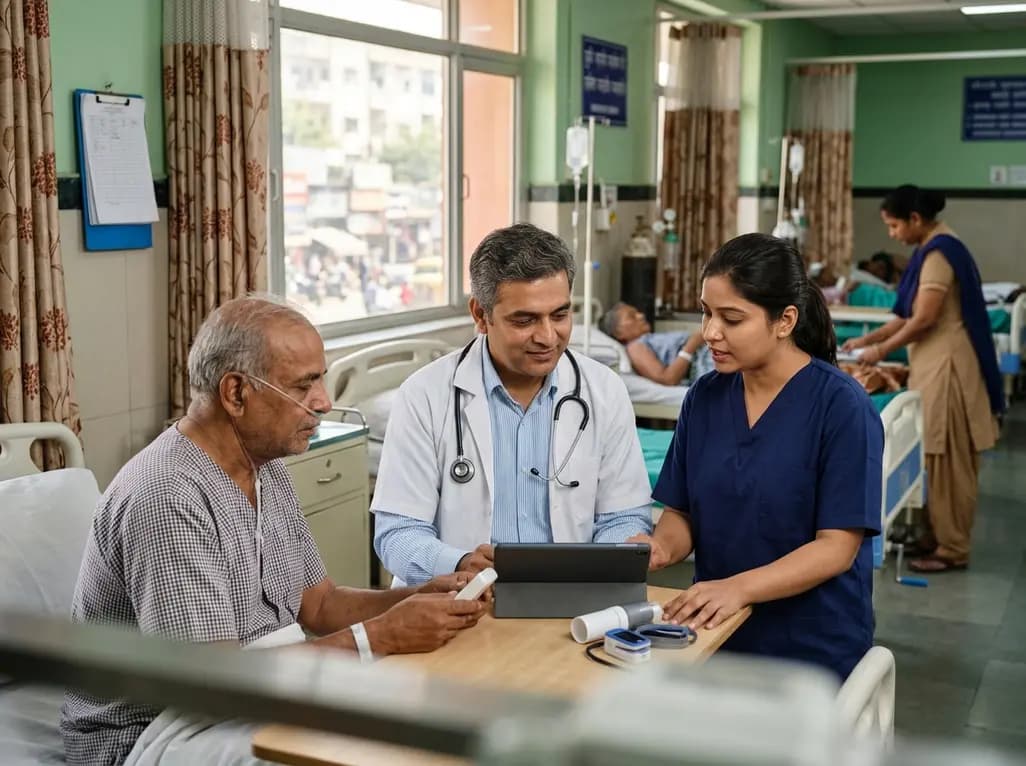
A user-centered design study outlines a theoretical hybrid COPD care pathway combining remote patient monitoring with standard clinical care. Stakeholders emphasize a dedicated coordinator role to manage device onboarding, data review, and timely alert escalation to curb exacerbations and readmissions.
Today
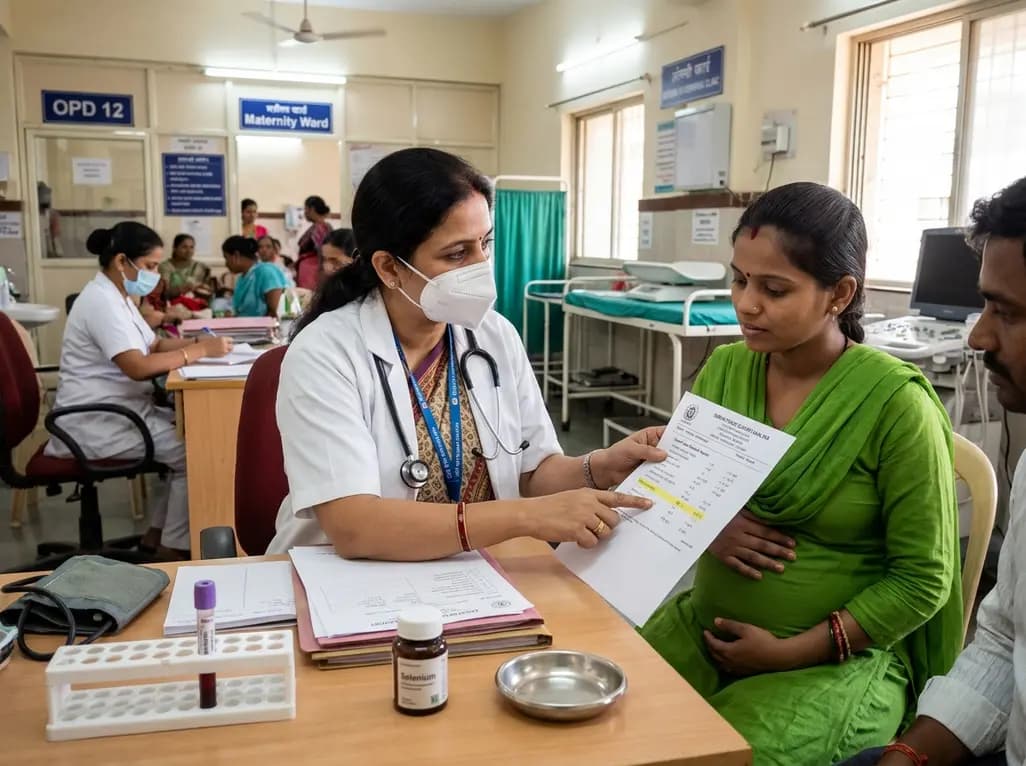
A prospective study reveals significant first-trimester trace-element alterations in pregnant women with epilepsy. Lower serum selenium independently predicted subsequent seizure recurrence despite prior remission, highlighting the vital clinical role of micronutrient profiling during antenatal care.
Today
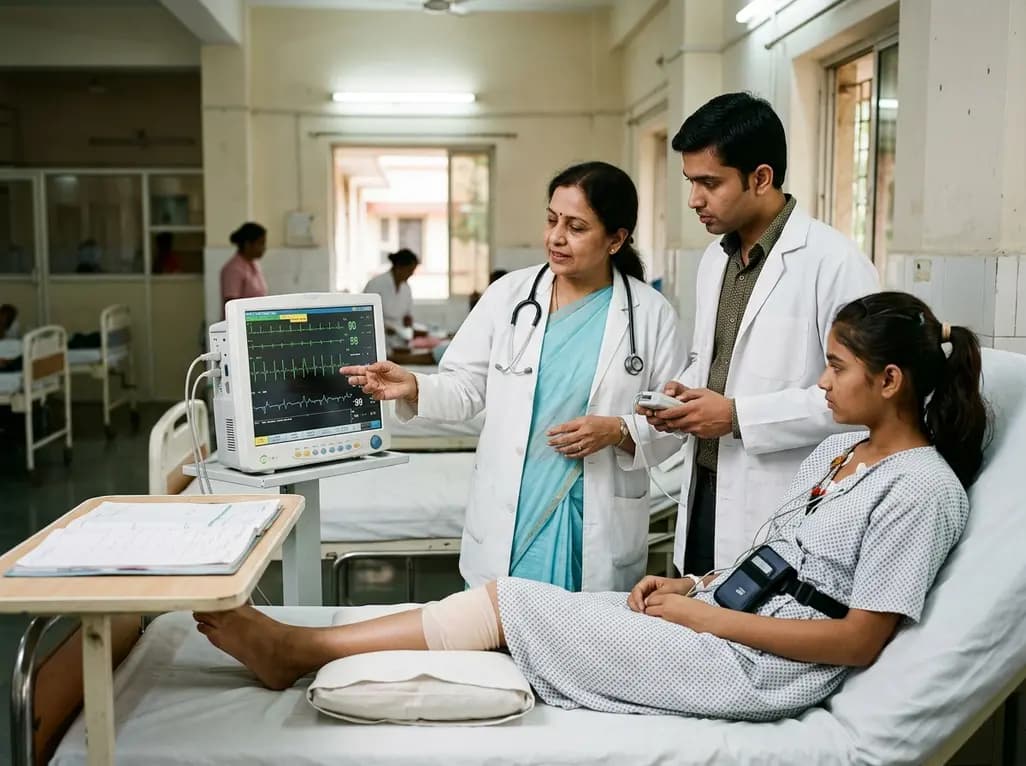
A 15-year-old patient presented with knee arthralgia and acute rheumatic fever, exhibiting complex arrhythmias including AV blocks and non-sustained ventricular tachycardia despite lacking severe valvulitis. This highlights the importance of extended Holter monitoring in pediatric rheumatic carditis.
Today
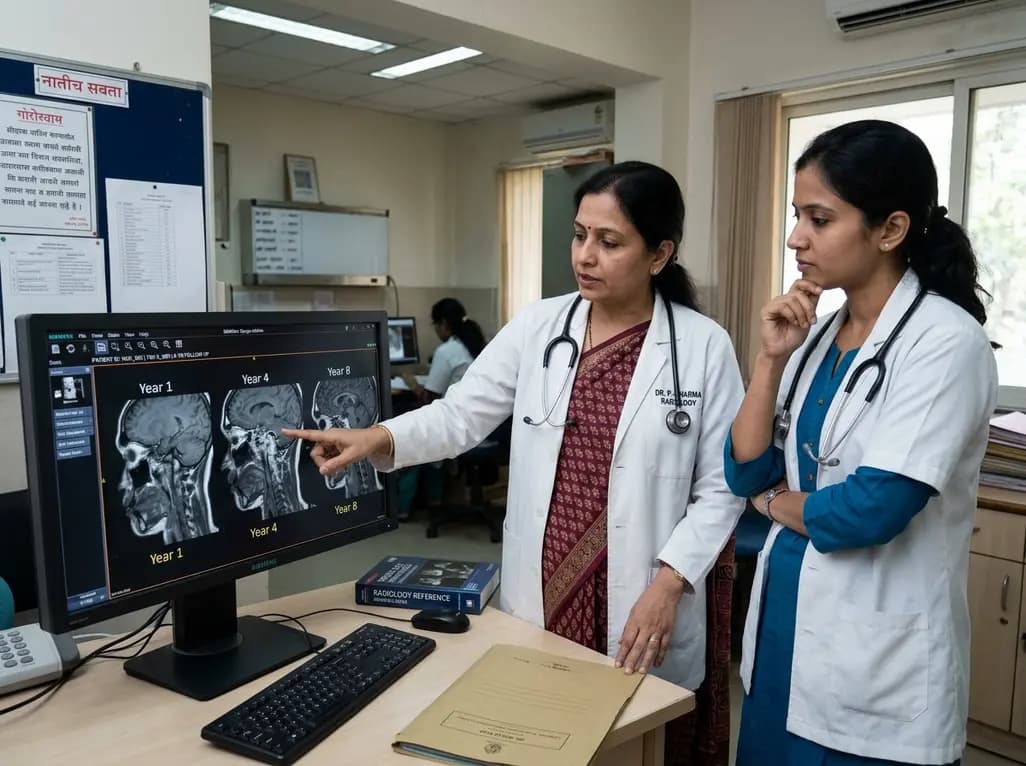
An eight-year longitudinal imaging follow-up reveals severe temporomandibular joint remodeling in nodulosis-arthropathy-osteolysis (NAO) syndrome. Despite extensive osseous destruction, the patient maintained functional jaw opening without TMJ interventions, highlighting the role of conservative management.
Today
Discover essential clinical insights into AGLP1-type amyloidosis, a rare localized complication of glucagon-like peptide-1 analog injections. Learn how histopathology and mass spectrometry differentiate benign iatrogenic amyloidomas from systemic disease, preventing misdiagnosis and unwarranted therapies.
Today
