

Loading, please wait...
Loading, please wait...

Chronic obstructive pulmonary disease remains a leading driver of global respiratory morbidity and premature mortality. Acute exacerbations often trigger frequent hospital readmissions that strain healthcare systems and diminish patient functional reserves. To resolve these post-discharge challenges, multidisciplinary teams are actively developing a structured hybrid COPD care pathway that unites in-person medical care with home-based remote monitoring.
Acute exacerbations of chronic obstructive pulmonary disease accelerate lung function decline and elevate long-term mortality. Historically, clinicians evaluated post-discharge recovery only during scheduled outpatient appointments several weeks after hospitalization. However, physiological decompensation often unfolds rapidly in home environments between clinical encounters. Patients frequently fail to recognize subtle shifts in daily respiratory symptoms, sputum characteristics, or exertion tolerance until acute distress occurs. Consequently, emergency department visits and readmissions remain high across diverse healthcare systems.
Integrating digital health technologies, particularly remote patient monitoring, bridges this critical surveillance gap. By tracking objective biomarkers such as resting pulse oximetry, respiratory rate, and symptom scores, care teams can identify early signs of deterioration. Furthermore, continuous physiological trend analysis allows clinicians to intervene promptly before severe bronchoconstriction precipitates respiratory failure. Therefore, proactive digital oversight provides a practical mechanism to convert reactive emergency management into structured preventive medicine. Ultimately, this approach stabilizes vulnerable respiratory cohorts and preserves pulmonary function.
A successful hybrid COPD care pathway demands seamless coordination across multiple healthcare environments. Recent user-centered qualitative investigations reveal that conventional respiratory care operates across five distinct functional domains: clinical support, medical advice, pharmacological treatment, targeted patient education, and ongoing physiological monitoring. However, hospital-based pulmonologists and community health providers frequently work within isolated communication silos. When patients transition from acute inpatient wards to home environments, vital clinical information often fails to reach primary care physicians.
A structured hybrid pathway integrates these disparate tiers into a unified operational continuum. Hospital discharge planners initiate remote monitoring protocols before patient discharge, ensuring smooth technical onboarding. Concurrently, community-based general practitioners and home nursing teams receive automated clinical summaries to maintain therapeutic continuity. Furthermore, this coordinated model balances asynchronous digital check-ins with timely in-person consultations. As a result, respiratory teams maintain therapeutic alignment across acute and outpatient settings. This comprehensive architectural alignment minimizes dangerous clinical blind spots during high-risk post-hospitalization phases.
Integrating remote monitoring into standard pulmonary practice introduces substantial operational complexities that traditional clinical staffing cannot absorb. In user-centered design workshops, stakeholders repeatedly identified the imperative need for a dedicated digital healthcare coordinator. Clinicians and pulmonologists already face heavy diagnostic and therapeutic schedules, making continuous data review impractical. A designated remote care manager bridges this operational gap effectively.
Specifically, this coordinator assumes direct ownership over technical device delivery, baseline patient onboarding, and digital literacy training. Furthermore, the coordinator conducts regular triage of physiological data streams, interprets alert notifications, and filters out erroneous biometric readings. When genuine physiological abnormalities appear, the coordinator immediately communicates actionable insights to treating physicians. In addition, this professional manages structured protocol discontinuation when stabilization milestones are achieved. Consequently, physicians receive high-yield, curated clinical signals rather than overwhelming volumes of raw biometric alerts. Most importantly, patients gain a continuous, accessible human point of contact, preventing digital isolation and reinforcing therapeutic adherence.
While the theoretical promise of digital respiratory management is compelling, healthcare systems encounter significant operational barriers during clinical implementation. Many older individuals with severe pulmonary disease experience cognitive fatigue, limited baseline digital literacy, and physical tremors that hinder device handling. Additionally, intermittent broadband connectivity and socioeconomic disparities can compromise data transmission fidelity. If digital interfaces are excessively complex, patient compliance drops precipitously within several weeks.
Therefore, system designers must prioritize user-centered ergonomics, featuring automated cellular sync, large visual interfaces, and simplified questionnaires. Furthermore, clinical workflows must guard against cognitive alert fatigue among healthcare teams. Algorithms must accurately distinguish between clinically actionable physiological desaturations and temporary sensor displacement artifacts. Healthcare institutions must also establish robust legal frameworks that address patient data governance, privacy compliance, and cross-border liability. When health systems proactively address these socio-technical vulnerabilities, digital respiratory interventions achieve durable patient engagement and sustainable clinical outcomes.
The translation of theoretical hybrid care pathways into routine clinical practice requires rigorous validation through pragmatic randomized trials. Clinicians must determine optimal monitoring durations, distinguishing between short-term 30-day post-discharge stabilization and long-term surveillance for severe chronic phenotypes. Furthermore, health economists and policymakers must evaluate reimbursement pathways to support dedicated remote coordination roles in respiratory clinics.
In resource-constrained settings, such as expanding pulmonary services across South Asia, hybrid pathways offer transformative opportunities. Telemonitoring can extend specialist expertise from metropolitan tertiary centers into underserved rural and semi-urban communities where pulmonologists are scarce. Additionally, combining digital triage with community health workers empowers primary clinicians to deliver evidence-based respiratory care locally. Looking ahead, the integration of artificial intelligence into remote monitoring platforms may automate predictive trajectory modeling, identifying exacerbation risk days before symptomatic presentation. Therefore, establishing robust, human-centered hybrid pathways today lays the foundational groundwork for predictive, personalized, and proactive respiratory medicine tomorrow.
Effective remote monitoring in chronic obstructive pulmonary disease prioritizes daily resting pulse oximetry, heart rate, and validated symptom scores. Certain advanced protocols also incorporate home spirometry and smart inhaler tracking to assess bronchodilator frequency. These combined physiological metrics enable clinicians to detect insidious gas exchange decline and worsening airflow limitation early. Consequently, care teams can initiate prompt therapeutic interventions before acute respiratory distress mandates emergency hospitalization.
A dedicated remote care coordinator functions as an intelligent clinical filter between patient-generated health data and treating physicians. This coordinator reviews automated biometric streams, resolves false technical alarms, and validates genuine physiological deviations against patient baseline trends. Consequently, physicians only receive triaged, clinically relevant alerts that demand immediate pharmacological or diagnostic action. This structured workflow protects pulmonologists from digital burnout while preserving rigorous surveillance standards for high-risk respiratory patients.
Clinical protocols often deploy remote patient monitoring for a structured period of 30 to 90 days following discharge for an acute exacerbation. This critical transitional window carries the highest statistical risk for disease relapse and unplanned hospital readmission. However, patients exhibiting severe baseline airflow obstruction, recurrent exacerbation phenotypes, or persistent hypoxemia may benefit from indefinite, longitudinal surveillance. Clinicians must individualize monitoring duration based on patient stability, functional independence, and overall clinical risk profiles.
Disclaimer: This content is for informational and educational purposes only and does not constitute medical advice, diagnosis, or treatment. Healthcare professionals must exercise independent clinical judgement when interpreting clinical research and therapeutic recommendations. Patient presentations vary, and management should always be individualized. Dosage, safety profiles, and treatment protocols should be verified against approved pharmaceutical literature and institutional protocols. Refer to the latest local and national guidelines for clinical practice.
References

Read summarized clinical updates, watch expert medical content, and earn CME certifications right from your smartphone.
Open your smartphone camera to scan and install.





A user-centered design study outlines a theoretical hybrid COPD care pathway combining remote patient monitoring with standard clinical care. Stakeholders emphasize a dedicated coordinator role to manage device onboarding, data review, and timely alert escalation to curb exacerbations and readmissions.
Today
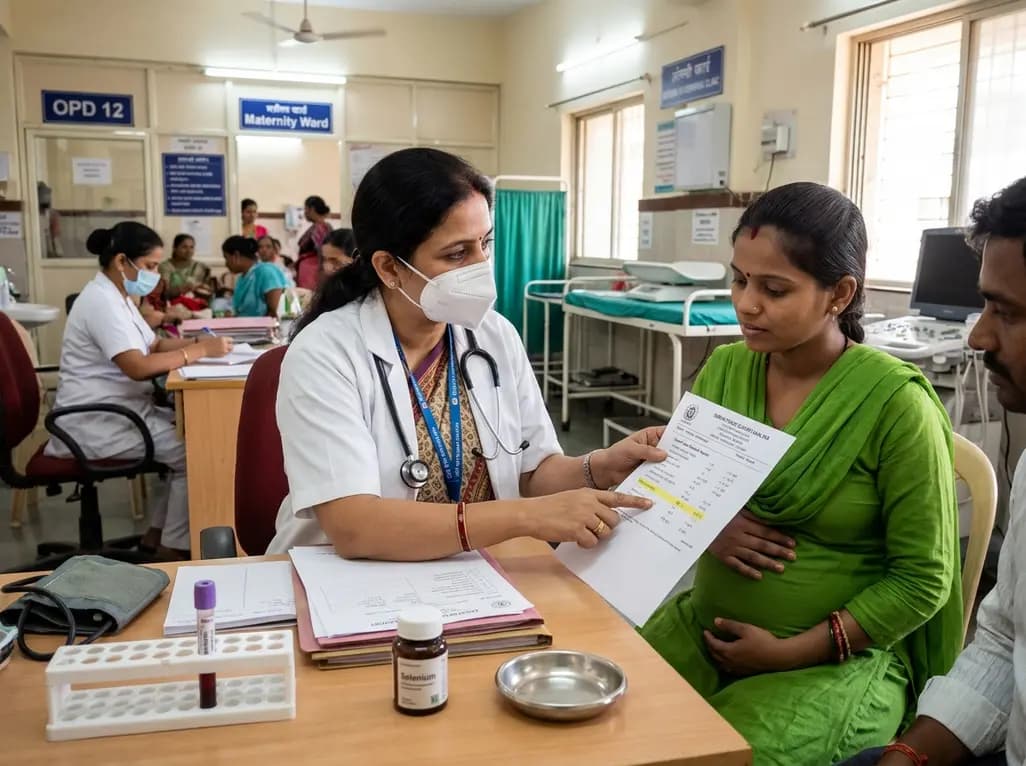
A prospective study reveals significant first-trimester trace-element alterations in pregnant women with epilepsy. Lower serum selenium independently predicted subsequent seizure recurrence despite prior remission, highlighting the vital clinical role of micronutrient profiling during antenatal care.
Today
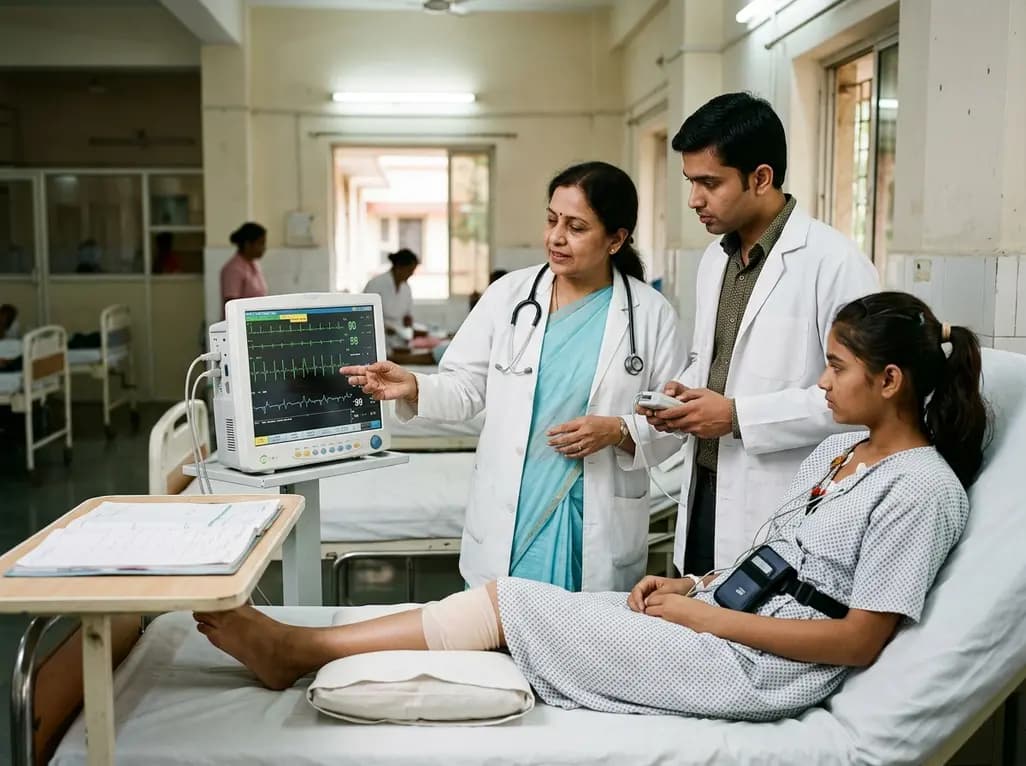
A 15-year-old patient presented with knee arthralgia and acute rheumatic fever, exhibiting complex arrhythmias including AV blocks and non-sustained ventricular tachycardia despite lacking severe valvulitis. This highlights the importance of extended Holter monitoring in pediatric rheumatic carditis.
Today
An eight-year longitudinal imaging follow-up reveals severe temporomandibular joint remodeling in nodulosis-arthropathy-osteolysis (NAO) syndrome. Despite extensive osseous destruction, the patient maintained functional jaw opening without TMJ interventions, highlighting the role of conservative management.
Today

Discover essential clinical insights into AGLP1-type amyloidosis, a rare localized complication of glucagon-like peptide-1 analog injections. Learn how histopathology and mass spectrometry differentiate benign iatrogenic amyloidomas from systemic disease, preventing misdiagnosis and unwarranted therapies.
Today
