.webp&w=384&q=75)

Loading, please wait...
Loading, please wait...

Understanding the complex dynamics of psychological distress and protective adaptations is essential when evaluating armed forces families. A landmark investigation provides critical insights into military spouse resilience, analyzing how concurrent risks and protective factors interact within high-stress military environments. Family physicians, psychiatrists, and healthcare providers frequently encounter families managing deployment stress, relocation disruption, and psychological strain. Consequently, clinicians must recognize the multifaceted drivers of spousal well-being to tailor support interventions effectively.
Military families operate within a dynamic socio-ecological matrix characterized by unique occupational demands. Researchers grounded their investigation in developmental systems theory and the military family risk and resilience framework. This person-centered approach acknowledges that individual outcomes emerge from intricate interactions between biological, psychological, and contextual influences. Therefore, assessing risks in isolation often fails to capture the true lived reality of military partners.
The study evaluated 334 female Army spouses using latent profile analysis across 11 distinct risk factors and five core resilience dimensions. Rather than viewing vulnerability as a monolithic trait, the investigators identified heterogenous risk and adaptive profiles. Furthermore, this method allowed clinicians to appreciate how overlapping stressors create compounding vulnerabilities. Frequent geographical relocations, partner separations, parental burden, and secondary trauma can profoundly erode emotional coping reserves. Consequently, adopting a systemic lens helps healthcare providers identify subtle systemic distress before acute psychiatric decompensation occurs. In routine clinical settings, evaluating both relational health and personal resilience offers a more comprehensive perspective than conventional symptom checklists.
Through latent profile modeling, researchers identified two clearly defined risk configurations across the cohort: a Low Risk group comprising 85.3% of participants and a High Risk group representing 14.7%. Spouses categorized within the Low Risk profile demonstrated manageable stress levels and relatively preserved psychological functioning. In contrast, individuals in the High Risk category exhibited clinically elevated mental health symptoms, including severe anxiety, depression, and somatic complaints.
Furthermore, the High Risk profile exhibited pronounced relational distress, heightened trauma exposure, and significant marital disruption. These findings indicate that mental health morbidity in military spouses rarely occurs in a vacuum. Instead, psychiatric symptoms co-occur with interpersonal conflict and unaddressed trauma histories. Therefore, clinicians evaluating military spouses presenting with depressive or anxious symptoms must thoroughly screen for past traumatic events and relational strain. Additionally, demographic analysis demonstrated notable disparities, revealing that Black spouses were significantly more likely to fall into the High Risk category. This vital observation underscores the critical necessity of addressing systemic healthcare disparities, cultural barriers, and structural inequities within military mental health frameworks.
While risk profiling highlights vulnerabilities, evaluating protective attributes reveals actionable pathways for clinical intervention. The study categorized participants into three distinct resilience groups: Limited Resilience (25.6%), Functional Resilience (55.1%), and Socially Integrated Resilience (19.3%). Intriguingly, these resilience tiers were primarily differentiated not by individual psychological traits alone, but by robust social resources.
Specifically, social network size and perceived social support emerged as the strongest structural drivers of spousal resilience. Spouses in the Socially Integrated profile maintained social networks that were, on average, five times larger than those in the Limited Resilience group. Consequently, extensive social connections act as an essential protective buffer against cumulative military stressors. Furthermore, demographic analyses indicated that spouses of military officers were significantly more likely to belong to the Socially Integrated tier. This disparity likely reflects enhanced institutional familiarity, socioeconomic stability, and greater access to organized peer networks. Therefore, clinical strategies must focus on fostering authentic communal connections rather than merely encouraging individual self-reliance.
The intersection of high risk and limited resilience creates profound vulnerabilities that clinicians must actively address. General practitioners and mental health specialists should routinely incorporate social network mapping into comprehensive psychiatric evaluations. By identifying socially isolated spouses early, healthcare teams can initiate proactive interventions before crises manifest.
Moreover, therapeutic encounters must adopt a trauma-informed and culturally responsive stance. Because high-risk spouses frequently navigate compounding relational trauma and cultural marginalization, standardized interventions may prove insufficient. Instead, psychiatrists and family therapists should integrate multimodal approaches, combining evidence-based psychotherapy with community-level resources. Group therapy, peer-led support groups, and structured family support programs can significantly expand an individual's relational network. Furthermore, clinicians should maintain close communication with community liaison officers and military family readiness groups. By bridging clinical care with community support structures, practitioners can effectively reinforce protective social scaffolding for vulnerable families.
Mitigating spousal risk requires structural solutions that extend well beyond the consultation room. Military healthcare organizations and civilian health networks must collaborate to dismantle systemic barriers to mental healthcare. In addition, healthcare systems should implement universal psychosocial screenings during routine primary care and gynecological visits.
Furthermore, targeted institutional programs should deliberately support junior enlisted spouses and minority families who face disproportionate risk burdens. Providing accessible childcare, community mentorship, and culturally tailored wellness programs can substantially reduce social isolation. In addition, digital mental health platforms and telehealth support networks offer promising avenues to maintain social connectivity during frequent relocations. Therefore, policy frameworks must prioritize funding for community-building initiatives that foster enduring social bonds. When healthcare systems empower military spouses with expansive social resources, they simultaneously enhance the resilience and readiness of the entire military family ecosystem.
Researchers identified two distinct risk profiles: Low Risk, encompassing approximately 85.3% of military spouses, and High Risk, comprising 14.7% of the cohort. The Low Risk group displayed stable emotional functioning with minimal distress. Conversely, the High Risk group demonstrated clinically elevated psychiatric symptoms, severe interpersonal conflict, and significant trauma exposure, requiring proactive and comprehensive, trauma-informed clinical management across healthcare settings.
Social network size serves as a foundational structural driver of psychological resilience. The study revealed that socially integrated spouses maintained social support networks approximately five times larger than those with limited resilience. These expansive interpersonal connections provide emotional validation, practical assistance, and stress buffering, effectively protecting spouses against chronic deployment and relocation strains.
Demographic disparities demonstrate that minority spouses, particularly Black spouses, face higher likelihoods of experiencing compounding risk profiles. Standard mental health approaches often fail to address underlying cultural barriers, systemic inequities, and intergenerational trauma. Culturally responsive, trauma-informed interventions ensure tailored therapeutic care, foster trust, improve treatment adherence, and dismantle pervasive healthcare disparities across diverse military communities.
Disclaimer: This content is for informational and educational purposes only. It is not intended to provide medical advice, diagnosis, or treatment. Healthcare professionals should exercise their clinical judgment when applying research findings. Patients should consult a qualified doctor regarding medical concerns. Refer to the latest local and national guidelines for clinical practice.
References
Park Y et al. Concurrent risks and resilience characteristics experienced by military spouses. Mil Psychol. 2026 Sep 01. doi: 10.1080/08995605.2026.2723507. PMID: 42679334.
Bowen GL, Mancini JA, Martin JA, Ware WB, Nelson JP. Promoting the adaptation of military families: An empirical test of a community capacity model. Fam Relat. 2003;52(1):33-44.
Cramm H, Norris D, Tam-Seto L, Eichler M, Smith-MacDonald L. Making sense of military family resilience: A scoping review. J Mil Veteran Fam Health. 2018;4(1):117-128.

Read summarized clinical updates, watch expert medical content, and earn CME certifications right from your smartphone.
Open your smartphone camera to scan and install.





Latent profile analysis reveals that social network size is a primary driver of military spouse resilience, while 14.7% of spouses face high psychiatric and relational risks, highlighting the need for trauma-informed care.
4 weeks back

Systemic amyloidosis management is undergoing a therapeutic revolution. This clinical review synthesizes updates from the International Society of Amyloidosis, detailing novel plasma cell therapies, TTR stabilizers, silencers, translational models, and artificial intelligence in drug development.
Today

A retrospective study of 824 patients undergoing over 2,200 intradetrusor onabotulinumtoxinA injections identifies sex- and etiology-specific predictors of 2-week post-void residual, highlighting the influence of baseline residual volumes, toxin dosage, and distinct urodynamic parameters on urinary retention risk.
Today
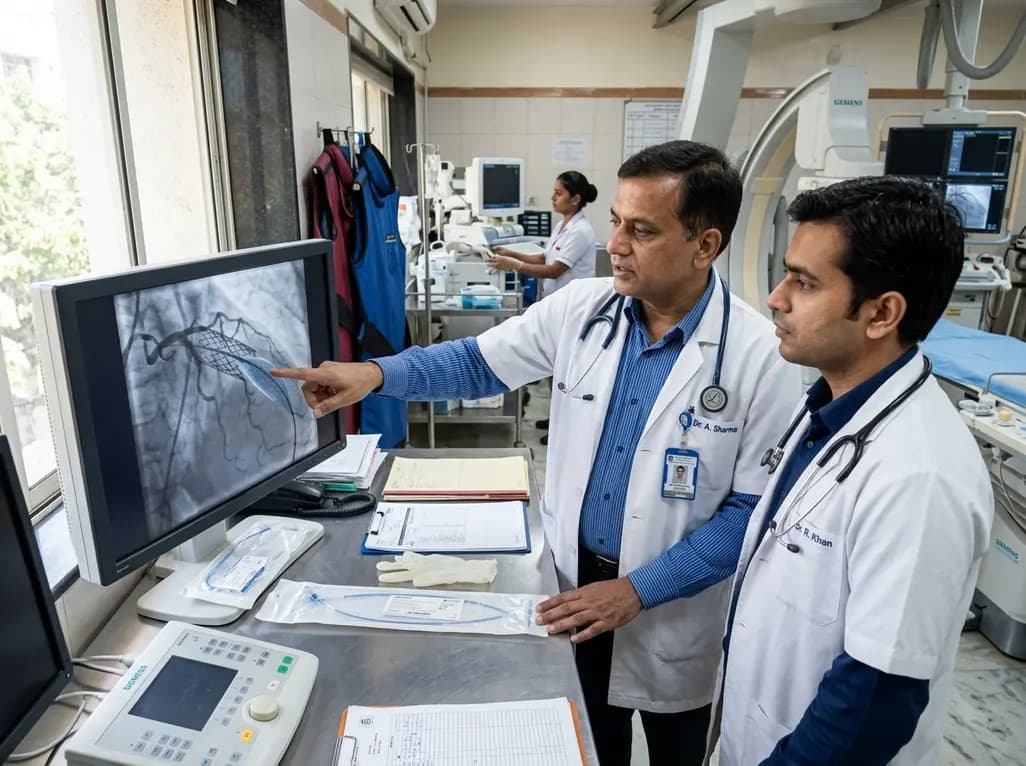
The US FDA has granted approval to the SELUTION SLR drug-eluting balloon for treating coronary in-stent restenosis. This milestone introduces a sustained-release sirolimus platform that eliminates the need for additional permanent metallic stents while maintaining robust vascular healing and luminal patency.
Today
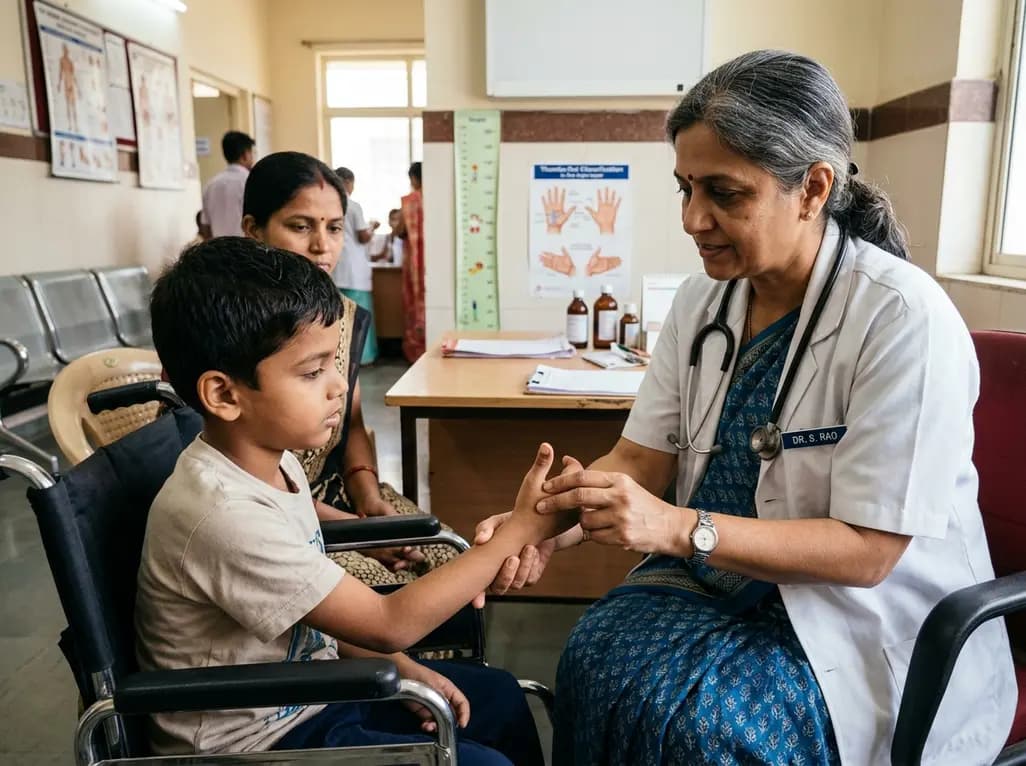
The Thumbs-Out Classification (TOC) is a reliable screening tool for detecting thumb-in-palm deformity in children with cerebral palsy. Utilizing traffic-light tiers for radial abduction, TOC enables clinicians to monitor upper limb function and initiate timely therapeutic or surgical interventions.
Today
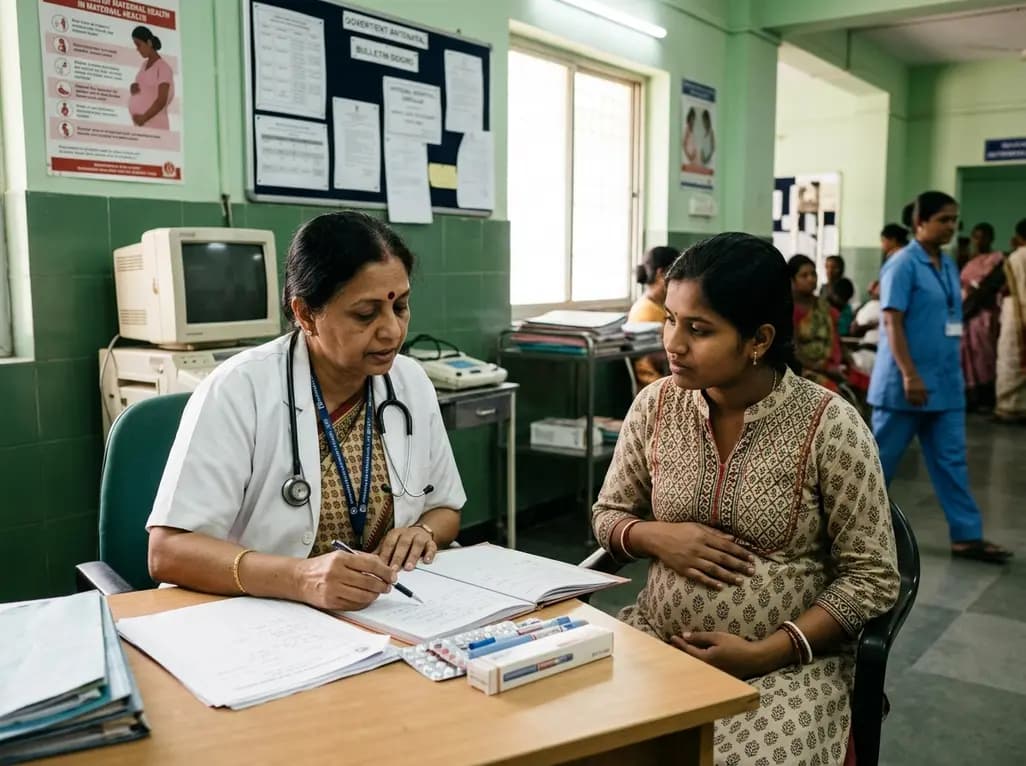
A comprehensive review analyzes periconceptional GLP-1 receptor agonist exposure, revealing reassuring data on congenital anomalies and adverse perinatal outcomes while emphasizing the need for cautious patient counseling.
Today
