.webp&w=384&q=75)

Loading, please wait...
Loading, please wait...
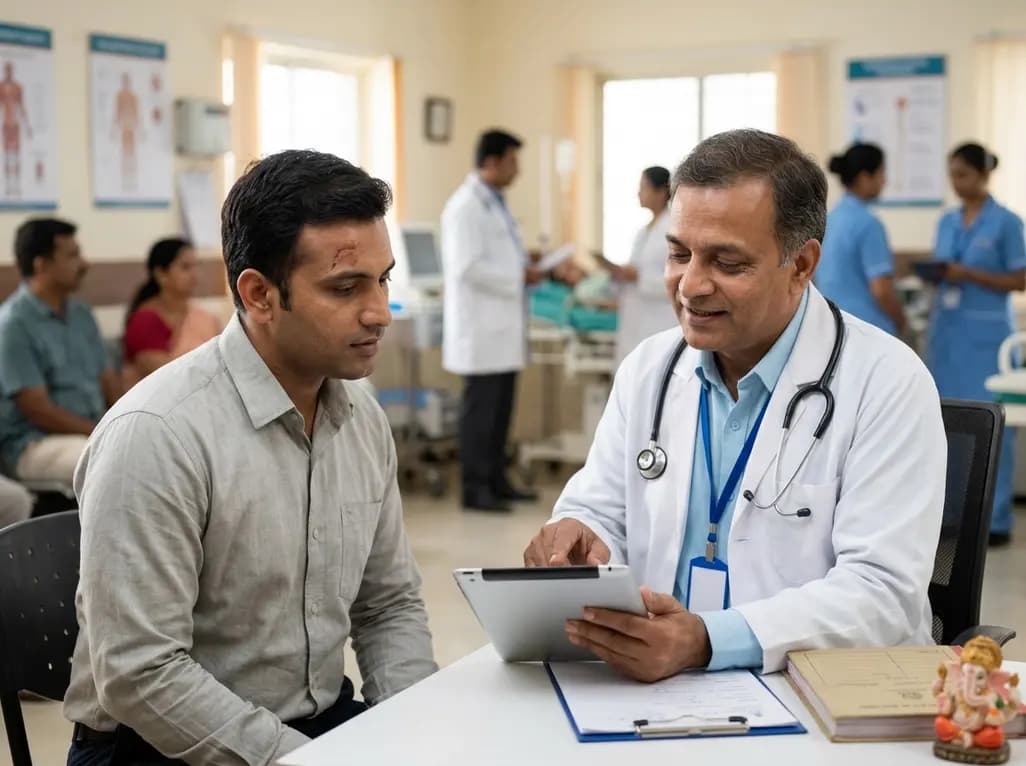
Mild traumatic brain injury (TBI) remains a significant global health concern, often underestimated due to the subtle nature of its initial clinical presentation. Most patients who present to emergency departments with a mild TBI are discharged shortly after assessment, frequently without a structured follow-up plan. However, a significant number of these individuals experience persistent symptoms and disabilities that linger for months or even years. Consequently, the transition from acute emergency care to long-term recovery represents a critical gap in the current healthcare continuum. Because there is currently no formalized method for tracking these patients post-discharge, many persistent morbidities go unrecognized and untreated. Furthermore, the lack of early identification leads to prolonged suffering and increased socio-economic impact. To address this, clinicians are exploring innovative strategies like mild TBI remote monitoring to bridge the gap between hospital care and home recovery. By utilizing digital health interventions, medical professionals can maintain a connection with patients during the most vulnerable period of their recovery. This proactive approach ensures that patients do not feel abandoned after leaving the hospital setting. Moreover, timely intervention based on remote data can prevent the transition from acute symptoms to chronic disability. Ultimately, improving the follow-up process is essential for enhancing the quality of life for survivors.
Recent research highlights the feasibility of using electronic surveys as a primary tool for patient follow-up. In a notable study, electronic surveys were distributed to patients at three distinct timepoints: within days of injury, at one month, and at three months post-injury. Notably, the engagement rates remained high, with a significant majority of participants completing the initial assessments. This high level of participation suggests that patients are both willing and able to engage with digital health platforms during their recovery phase. Additionally, the results indicated that the electronic follow-up tool was an acceptable and user-friendly method for service delivery. Therefore, mild TBI remote monitoring through digital surveys provides a scalable solution for overburdened trauma centers. Instead of requiring frequent in-person visits, which can be taxing for patients with sensory sensitivities, digital tools allow for convenient reporting from home. Furthermore, the consistency of the data collected with existing literature validates the use of these tools in clinical settings. Clinicians can use these digital insights to prioritize patients who exhibit worsening symptoms or delayed recovery. Consequently, this model of care supports a more dynamic and responsive healthcare environment, catering to the specific needs of the neuro-trauma population.
Identifying persistent symptoms early is paramount for preventing long-term disability after a concussion or mild TBI. Common symptoms include headaches, cognitive fatigue, irritability, and sleep disturbances, which often manifest or persist well after the initial injury. The study found that rates of persistent symptoms ranged from 17.9% to 62.6%, depending on the specific diagnostic criteria applied. Because these symptoms are often subjective, traditional one-time follow-up appointments may fail to capture the evolving nature of the patient’s condition. In contrast, longitudinal digital monitoring allows for the detection of morbidity at crucial intervals, such as one and three months post-injury. Consequently, clinicians can identify those at risk of developing Post-Concussion Syndrome (PCS) more accurately. If a patient reports high levels of disability early on, medical teams can trigger immediate interventions. Moreover, having a continuous stream of patient-reported outcomes enables a more personalized rehabilitation strategy. Specifically, addressing these morbidities early can significantly improve the clinical workflow by reducing secondary complications. By focusing resources on those who truly need specialist intervention, healthcare systems can optimize their efficiency. Thus, digital monitoring serves as an essential safety net for those discharged from the emergency department.
Patient engagement is the cornerstone of successful chronic and sub-acute disease management. Digital surveys offer a low-friction way for patients to stay connected with their clinical team without the logistical hurdles of travel. Many patients find the convenience of electronic reporting to be a major advantage, especially when dealing with the cognitive load of a brain injury. Furthermore, the feedback from participants in recent trials suggests that digital tools improve overall patient satisfaction. When patients feel that their symptoms are being monitored and validated, they are more likely to adhere to recovery protocols. Additionally, digital platforms can provide patients with educational resources tailored to their specific reported symptoms. This empowerment through information is vital for patient-centered care. However, it is important to ensure that these tools are designed with accessibility in mind to avoid excluding those with lower digital literacy. Moreover, the integration of these surveys into standard clinical workflows can be done seamlessly with modern electronic health record systems. This integration ensures that the data collected is actionable and available to the entire multidisciplinary team. Consequently, mild TBI remote monitoring fosters a collaborative environment between patients and providers, leading to better clinical adherence.
One of the most promising aspects of digital health is its potential to reduce healthcare inequalities across diverse populations. In many regions, access to specialized neuro-trauma follow-up is limited by geography or socio-economic factors. Digital tools can bridge this gap by providing high-quality monitoring to patients in remote or underserved areas. Because the cost of implementing electronic surveys is relatively low, this solution is highly scalable across large health systems. Furthermore, remote monitoring reduces the financial burden on patients who would otherwise have to take time off work or pay for transportation to attend clinics. Consequently, digital interventions can ensure that every patient receives a baseline level of surveillance regardless of their location. This democratization of care is particularly relevant for major trauma centers that serve large, diverse catchment areas. Additionally, the data gathered from digital tools can help public health officials identify trends and allocate resources more effectively. While challenges like the digital divide persist, the overall trend toward mobile health suggests a future where high-quality care is more equitable. Therefore, adopting these technologies is not just about clinical efficiency, but also about social responsibility and broadening access to essential services.
The future of mild TBI management lies in the intelligent integration of technology and clinical expertise. As digital monitoring tools become more sophisticated, we can expect the inclusion of wearable sensors and AI-driven predictive analytics. These advancements will allow for even more granular tracking of physiological markers, such as heart rate variability and sleep patterns. Additionally, machine learning algorithms could help clinicians predict which patients are most likely to suffer from chronic symptoms based on their early survey responses. This predictive capability would allow for even earlier and more targeted therapeutic interventions. Moreover, the success of remote monitoring in TBI could serve as a template for other acute conditions that require long-term surveillance. Clinicians should remain open to these technological shifts while ensuring that the human element of care remains central. Specifically, the data provided by digital tools should augment, not replace, the clinical judgment of the medical team. As we move forward, the focus will likely shift toward refining these tools to be even more intuitive and integrated. Ultimately, the goal is to create a seamless care journey that supports the patient from the moment of injury through to full societal reintegration. By embracing digital innovation, the medical community can significantly move the needle on TBI outcomes.
Remote monitoring allows for the longitudinal collection of patient-reported symptoms after discharge. By using standardized electronic surveys at specific intervals, such as 1 and 3 months, clinicians can detect persistent morbidity that might otherwise be missed. This early identification enables timely intervention and prevents long-term disability for patients at risk.
Research indicates that digital follow-up is highly feasible and acceptable to patients, offering a scalable alternative to in-person visits. While it does not replace physical examinations when necessary, it serves as an effective screening tool to identify patients who require further medical attention, thereby optimizing clinical resource allocation.
The primary benefits include high patient engagement, convenience, and cost-effectiveness. Electronic surveys allow patients to report symptoms from home, reducing the travel burden. Furthermore, they provide a structured data set for clinicians to monitor recovery trends, improve patient satisfaction, and ensure that no patient falls through the gaps.
Disclaimer: This content is for informational and educational purposes only and does not constitute medical advice, diagnosis, or treatment. Always seek the advice of your physician or other qualified health provider with any questions you may have regarding a medical condition. Refer to the latest local and national guidelines for clinical practice.
References
Karvandi E et al. Digital health interventions for remote follow-up after mild traumatic brain injury. Br J Neurosurg. 2025 Dec. doi: 10.1080/02688697.2024.2346564. PMID: 38711206.
CDC. Recovery from Mild TBI and Concussion. Centers for Disease Control and Prevention. Available at: https://www.cdc.gov/traumaticbraininjury/concussion/index.html.
Levin HS, Diaz-Arrastia RR. Diagnosis, prognosis, and clinical management of mild traumatic brain injury. Lancet Neurol. 2015;14(5):506-517.
"
Read summarized clinical updates, watch expert medical content, and earn CME certifications right from your smartphone.
Open your smartphone camera to scan and install.





Discover the feasibility of digital health interventions for remote follow-up after mild TBI. This study highlights how electronic surveys help identify persistent symptoms early, enhancing clinical workflows and improving long-term health outcomes for patients after emergency department discharge.
3 months ago

Novel diimide and hydrazone scaffolds, particularly compound #C4, synergistically reactivate latent HIV-1 when combined with JQ1 or PKC activators. Demonstrating donor-matched proviral transcription ex vivo and non-canonical signaling, these findings advance shock and kill strategies toward reservoir eradication.
Today

A cross-sectional study reveals that maternal RSV vaccination coverage reached only 43.7% in Argentina, with maternal vaccine knowledge being the sole independent predictor of uptake. Clinicians play a crucial role in eliminating informational and structural barriers to optimize infant health.
Today

Review how tailored exercise programs benefit frail older patients with heart failure. Explore pathophysiological mechanisms, individualized training prescriptions, and strategies to overcome adherence barriers in clinical practice.
Yesterday

This comparative study evaluates posterior labral tears with and without glenohumeral instability, highlighting distinct demographic patterns, MRI underestimation in stable shoulders, and successful arthroscopic repair outcomes.
Yesterday

A clinical study demonstrates that early intervention with tocilizumab, either as monotherapy or bridged with corticosteroids, achieves significant proptosis reduction and resolves active inflammation in treatment-naive thyroid eye disease.
Yesterday
